Balhousie Castle: Seat of the Earls of Kinnoull and Black Watch Headquarters

Site at a Glance
- Rating
- 4.7
- Popularity
- Medium
- Country
- United Kingdom
- Primary era
- Modern
- External website
- Open
- Eras represented
- Early Modern, Modern
- Civilizations
- British, Kingdom of Scotland
- Site type
- Domestic
- Remains
- Castle
On this page9 sections
History
Early castle and the Earls of Kinnoull
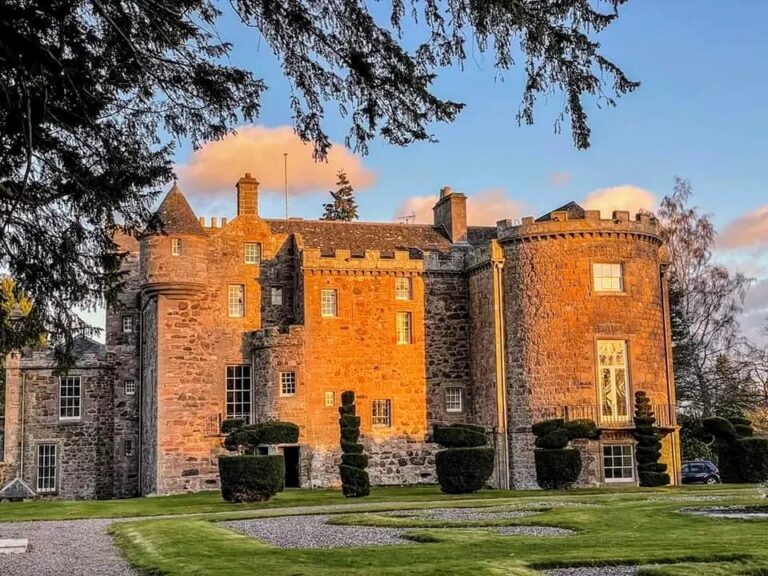
Balhousie Castle is a castle in Perth, United Kingdom, built in 1631 in the Scottish Baronial tradition, although its origins are believed to reach back about three centuries earlier. It served as the seat of the Earls of Kinnoull, a Scottish peerage family whose holders belonged to the Hay family. The castle stood within a walled enclosure that included subsidiary buildings and orchards.
When first established, Balhousie lay a few hundred metres north of Perth’s medieval town, on a terrace overlooking the North Inch, a large public park and former common. Its position and enclosed grounds formed part of the setting of the Kinnoull family seat.
Nineteenth-century rebuilding
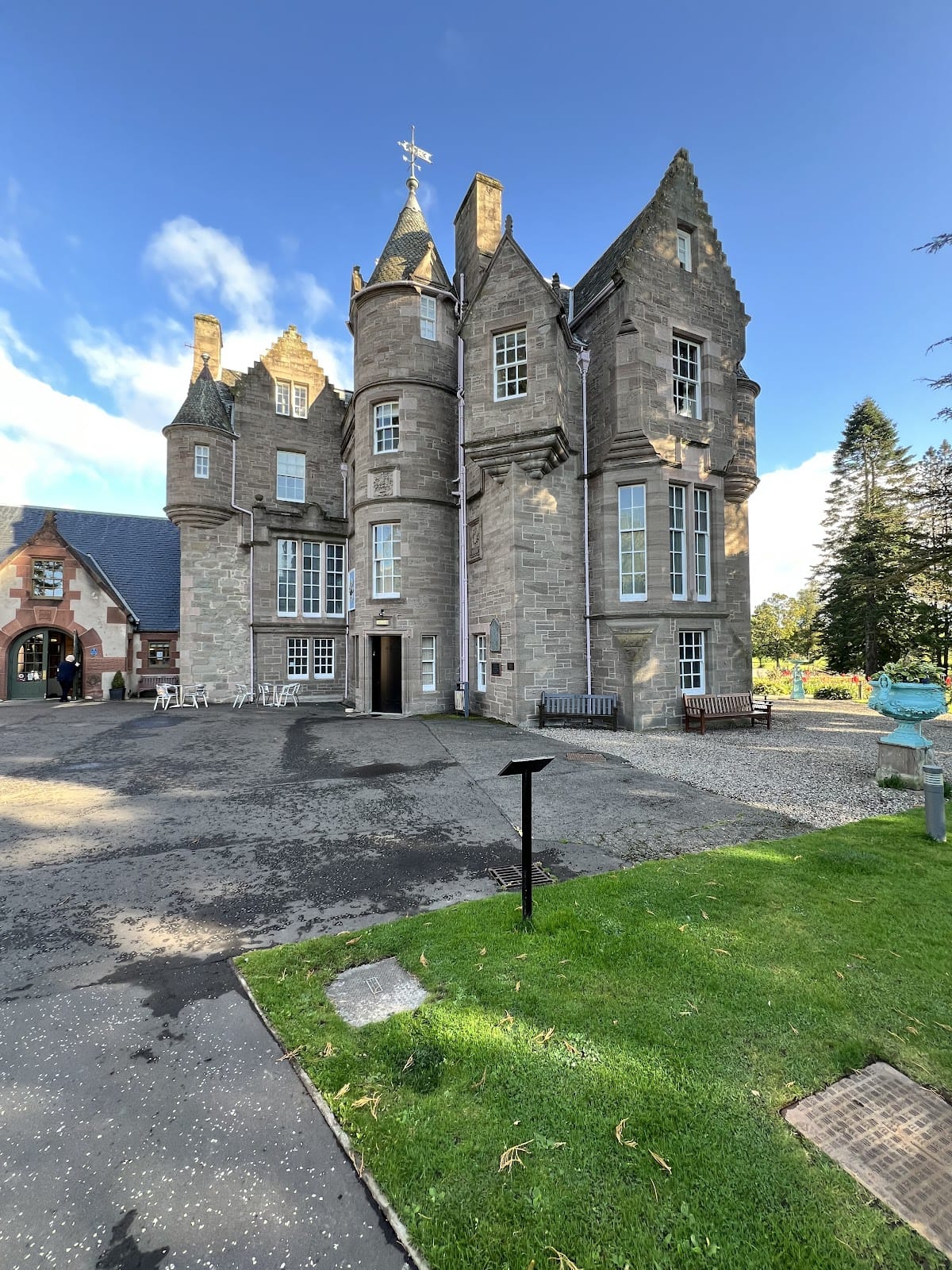
After a period of neglect and disrepair in the early nineteenth century, Balhousie was virtually rebuilt between 1862 and 1864. The Scottish architect David Smart enlarged and remodelled the castle on a larger scale, giving the building its present Scottish Baronial character. This nineteenth-century revival style reinterpreted medieval Scottish architecture through towers, turrets, and fortified-looking forms.
Black Watch headquarters and museum
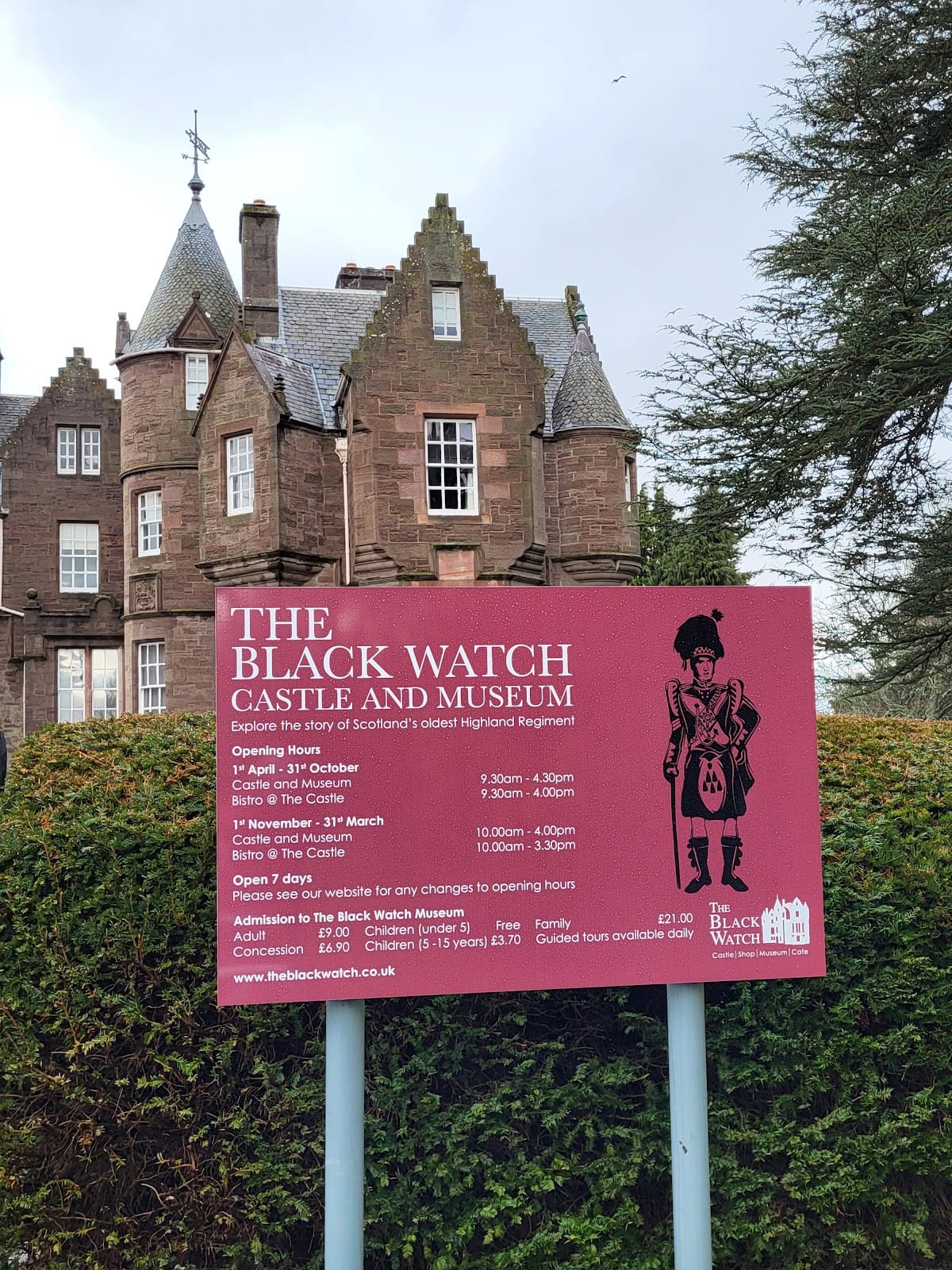
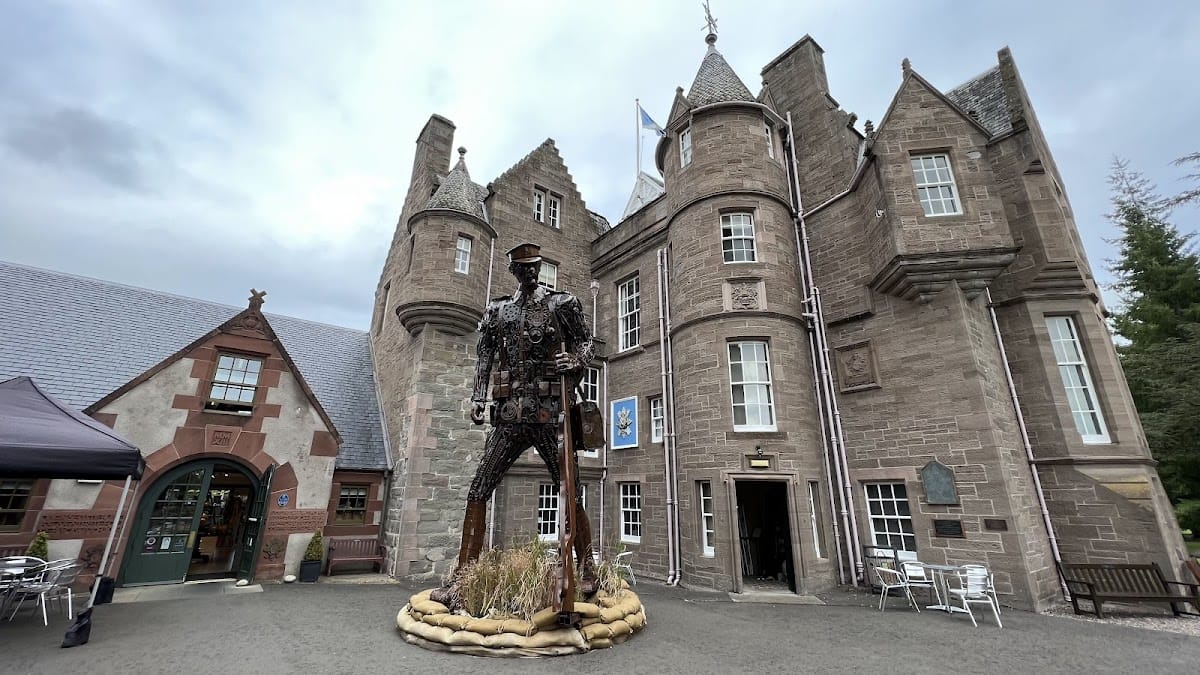
The Regimental Trustees of the Black Watch purchased Balhousie Castle in January 2009. The Black Watch, a historic Scottish infantry regiment of the British Army, made the castle its headquarters and museum. The Black Watch Heritage Appeal, launched in September 2009, supported the development of a permanent home for the regiment’s museum and archive. The museum presents the history of the Black Watch from its establishment in 1739 to the present.
Remains
Setting and castle fabric
Balhousie Castle occupies a terrace on Hay Street overlooking the North Inch. The earlier castle formed part of a walled enclosure containing subsidiary buildings and orchards. The surviving building reflects the extensive nineteenth-century rebuilding and enlargement, with a Scottish Baronial design that uses towers, turrets, and other fortified-looking forms. Only parts of the original rubble masonry survive, on the east side of the building.
The entrance is approached through a main gate, while small projecting corner turrets, known as tourelles, form part of the castle’s external design. These features belong to the enlarged and remodelled building rather than representing a complete survival of the seventeenth-century castle.
Paintings and artistic associations
No Surrender
The castle contains No Surrender, a painting by Frank Feller, who lived from 1848 to 1908. It depicts the aftermath of the Battle of Magersfontein on 11 December 1899, an engagement during the Second Boer War, fought in southern Africa between 1899 and 1902 between the British Empire and the Boer republics.
The Love of James the First, of Scotland
A wall at the former ruin was used as the setting for John Everett Millais’s 1858–1859 painting The Love of James the First, of Scotland. A reference photograph for the work was made with a model dropping a love letter from a window, linking the former castle fabric with the preparation of the painting.
Nearby sites