Temple of Victory at Himera: An Athena Temple Commemorating the Greek Victory over Carthage
Site at a Glance
- Rating
- 4.5
- Popularity
- Medium
- Country
- Italy
- Primary era
- Classical
- Eras represented
- Classical
- Civilizations
- Ancient Greek
- Site type
- Religious
- Remains
- Temple
On this page5 sections
History
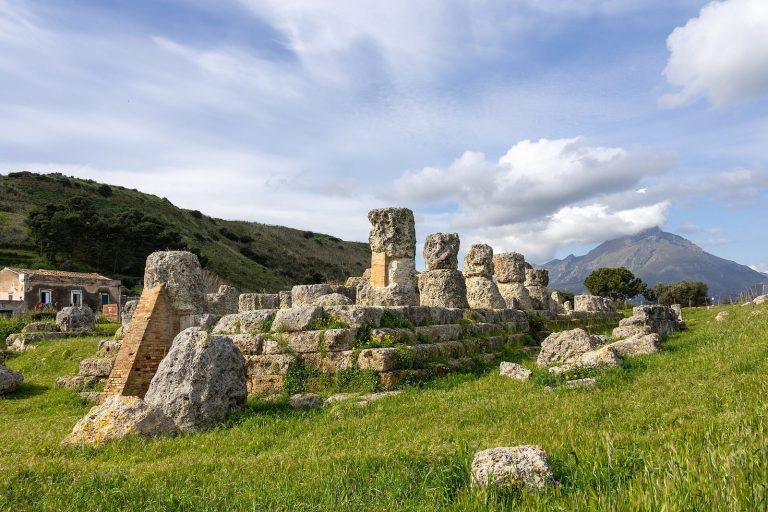
The Temple of Victory at Himera was an ancient Greek temple near Buonfornello in Sicily, Italy. Dedicated to Athena, it was built in the Doric order, one of the principal architectural systems of ancient Greece, to commemorate the Greek victory over Carthage in 480 BC. Construction is generally dated to about 480–476 BC. Work may have begun soon after the battle or by 476 BC, when Theron, ruler of Akragas, a Greek city in Sicily, took power at Himera.
The temple has also been identified as a commission by Gelon, ruler of Syracuse and commander of the Greek coalition at Himera. An Athena temple at Syracuse commemorating the same victory was architecturally similar, and the two buildings have been described as architectural twins. Prisoners captured in the battle were probably made to work as enslaved laborers.
The temple was burned and destroyed, probably in 409 BC, when Carthaginian forces captured Himera during the second Battle of Himera.
Remains
Architecture and decoration
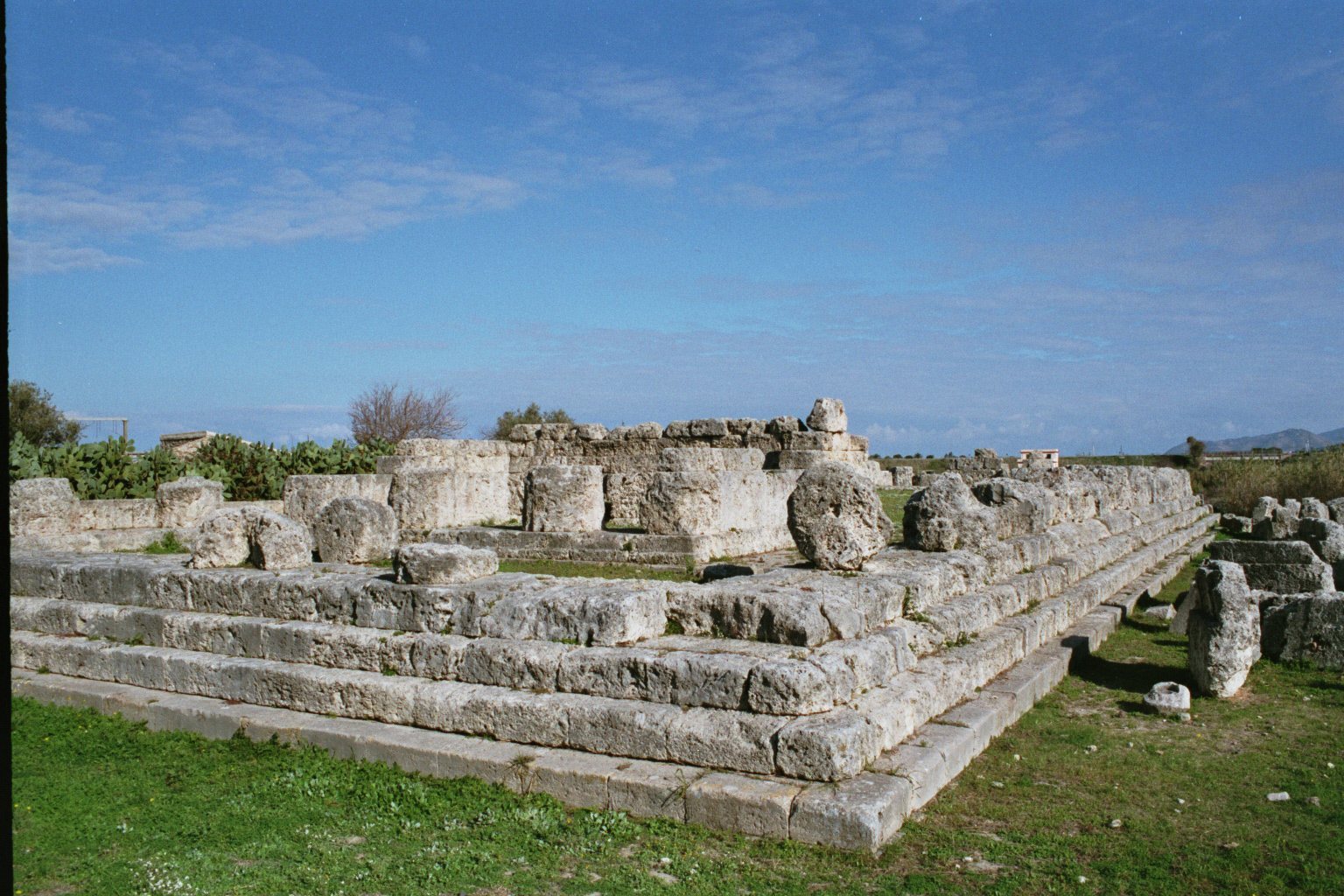
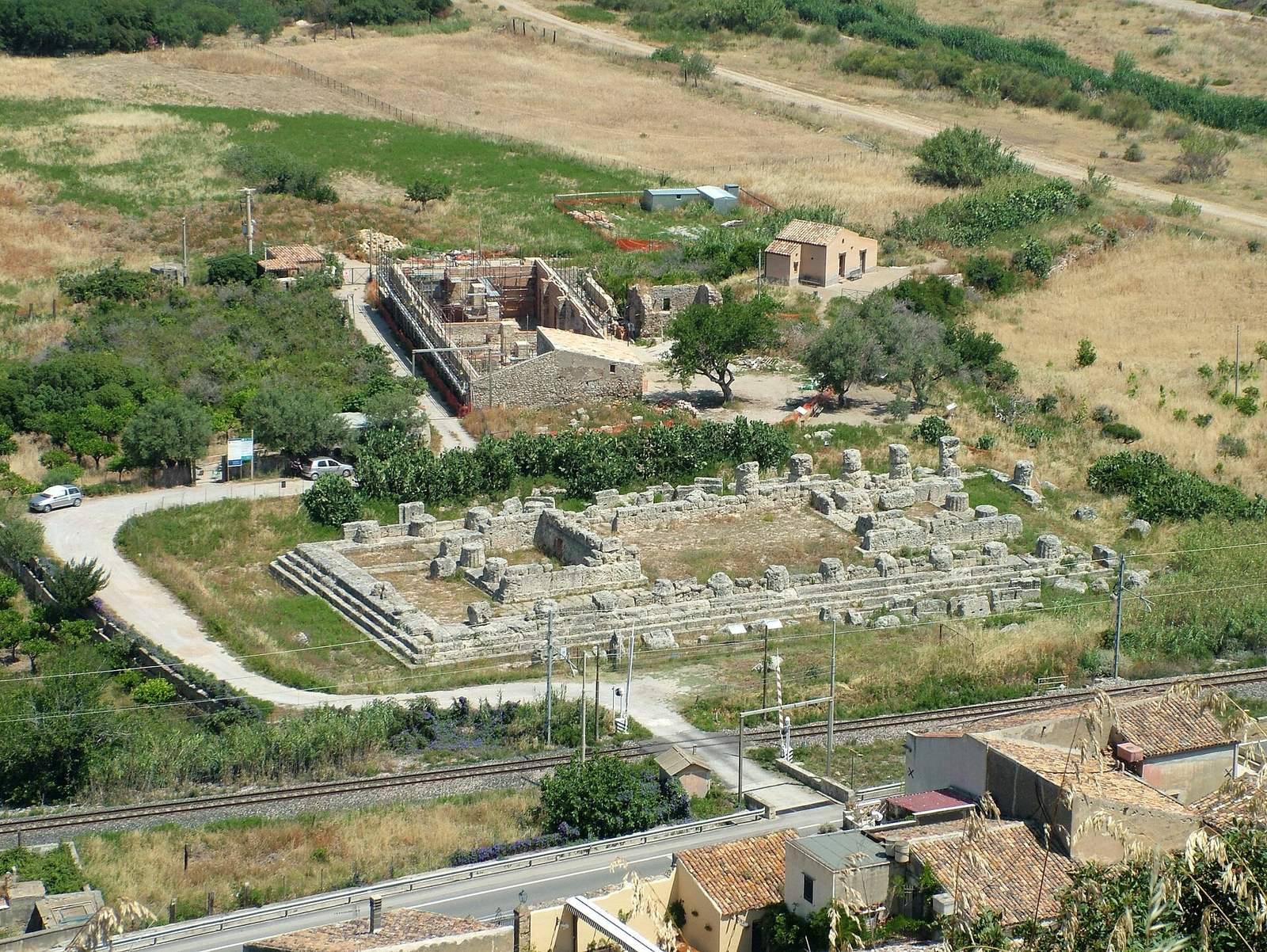
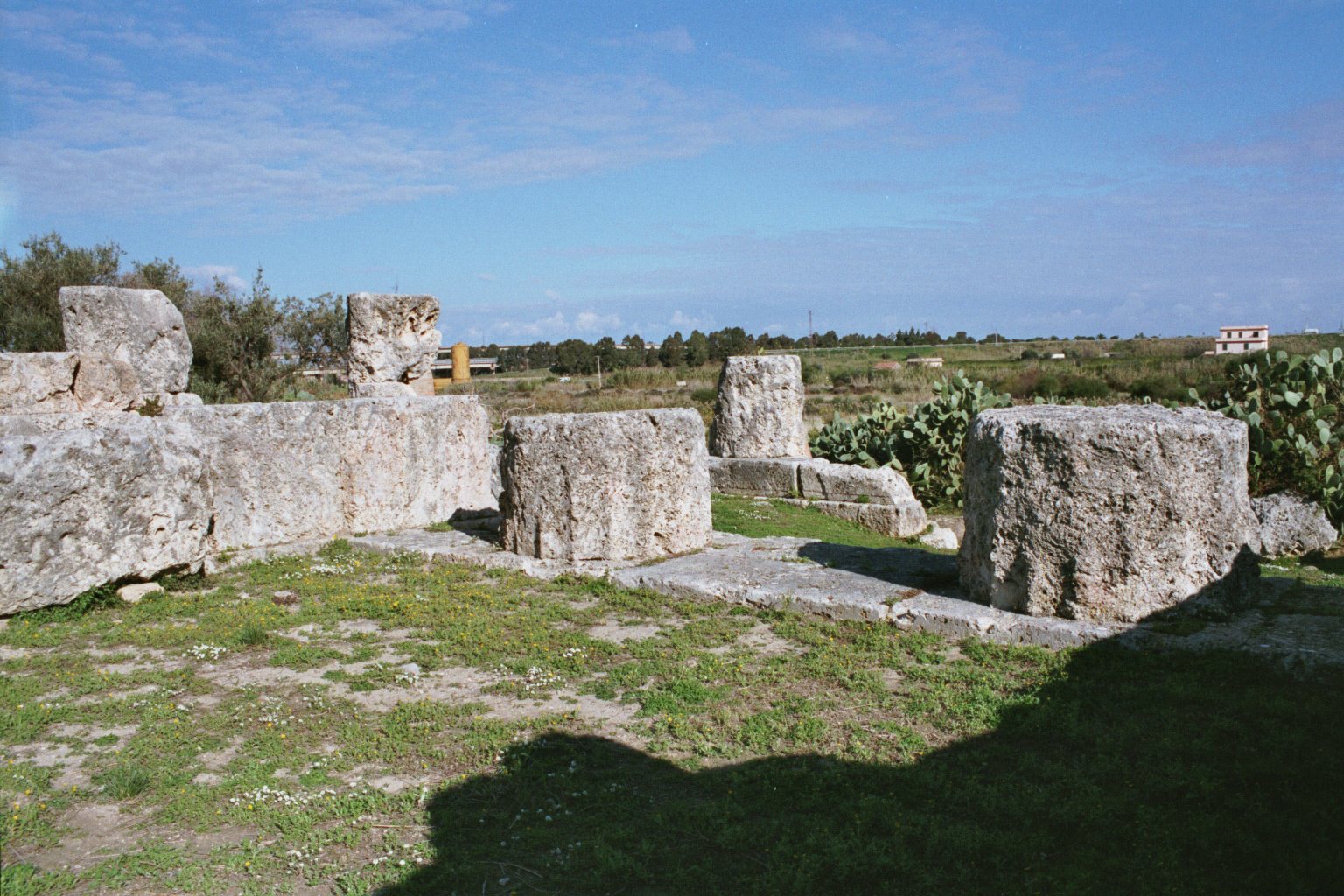
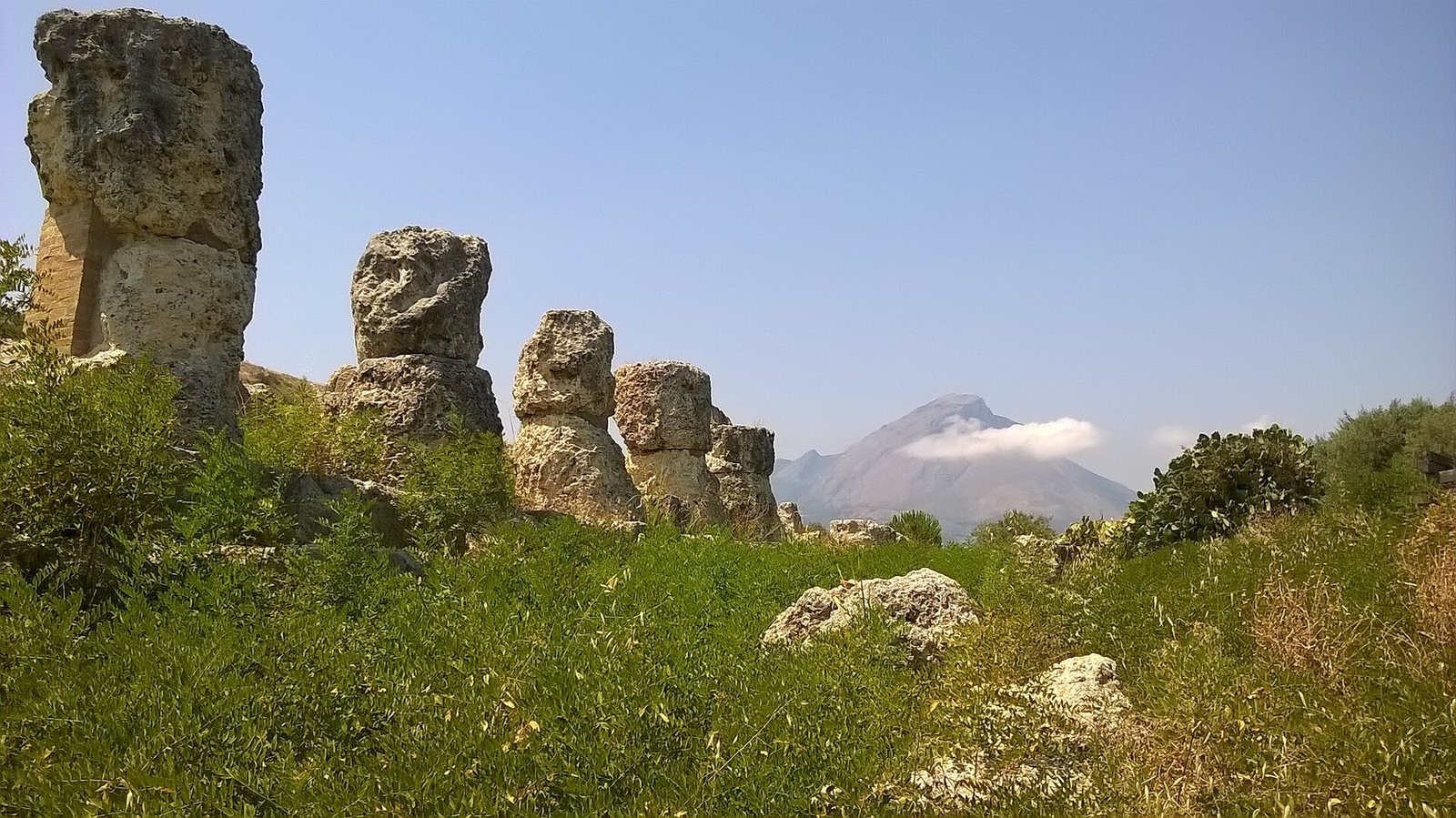
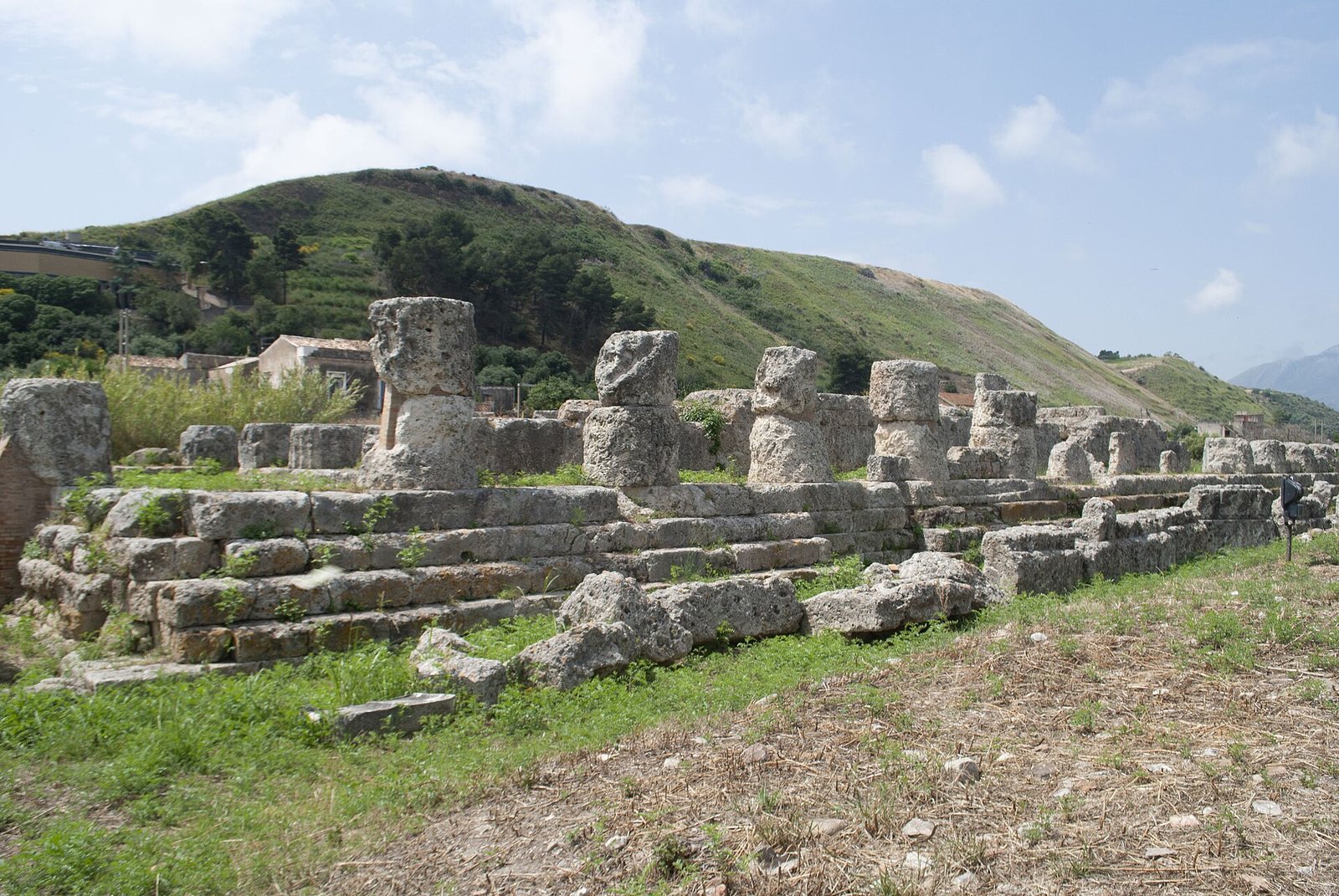
The temple stood on the coastal plain immediately north of Himera’s acropolis, on the west bank of the Himera River, now called Fiume Grande, near Sicily’s northern coast. Its large, columned exterior enclosed a sequence of interior spaces, forming an elongated building on a stepped base.
Plan and foundations
The stepped platform measured 55.9 by 22.4 metres and rested on foundations arranged in four levels. Six columns lined each short end and fourteen each long side. Inside, the main chamber, entrance porch, and rear room each had two columns at the front, set between projecting side walls. Stairs beside the main chamber’s entrance led to the building’s upper parts.
Pediments and roof
Carved figures adorned the main pediments, an uncommon feature among Greek temples in Sicily. The sculptures included a large female figure, probably Athena, male figures, and a lion. The lion may refer to one of Heracles’ legendary labors, a frequent subject in ancient art. The sculptural group has also been interpreted as depicting either the Gigantomachy, the mythical battle between the Olympian gods and the Giants, or the destruction of Troy. Lion-headed water spouts bordered the roof. They survive in good condition and are now in the Archaeological Museum of Palermo.