Għajn Tuffieħa Roman Baths: A Small Roman Bathing Establishment in Malta
Site at a Glance
- Rating
- 1.8
- Popularity
- Very Low
- Country
- Malta
- Primary era
- Classical
- Eras represented
- Classical
- Civilizations
- Roman
- Site type
- Sanitation
- Remains
- Baths
On this page10 sections
History
Roman use
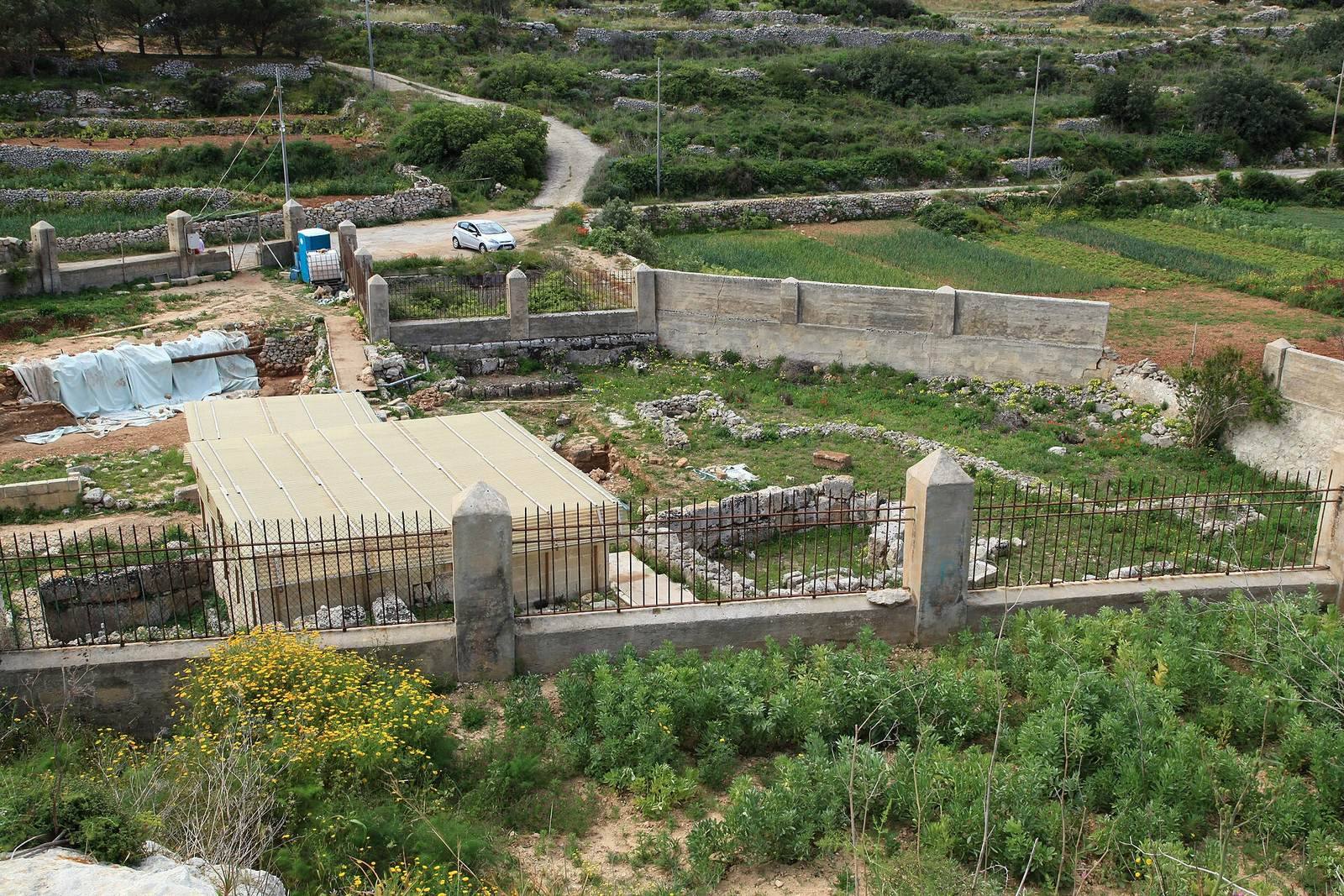
The Għajn Tuffieħa Roman Baths are a small Roman bathing complex in Mġarr, Malta, dating to the late first or early second century AD. A freshwater spring, or a similar source, may have influenced the choice of location because the baths required a substantial and steady supply of water.
The baths’ small scale and location away from a settlement have prompted different explanations of their purpose. They may have served a villa used by affluent Romans on holiday, comparable to the Roman villa at Ramla on Gozo, or travelers making their way between a town and the shore. The small rooms have been interpreted as possible sleeping quarters for visitors, a view that has helped favor the travel-related explanation. The mosaics, meanwhile, point to a clientele with means.
Discovery and conservation
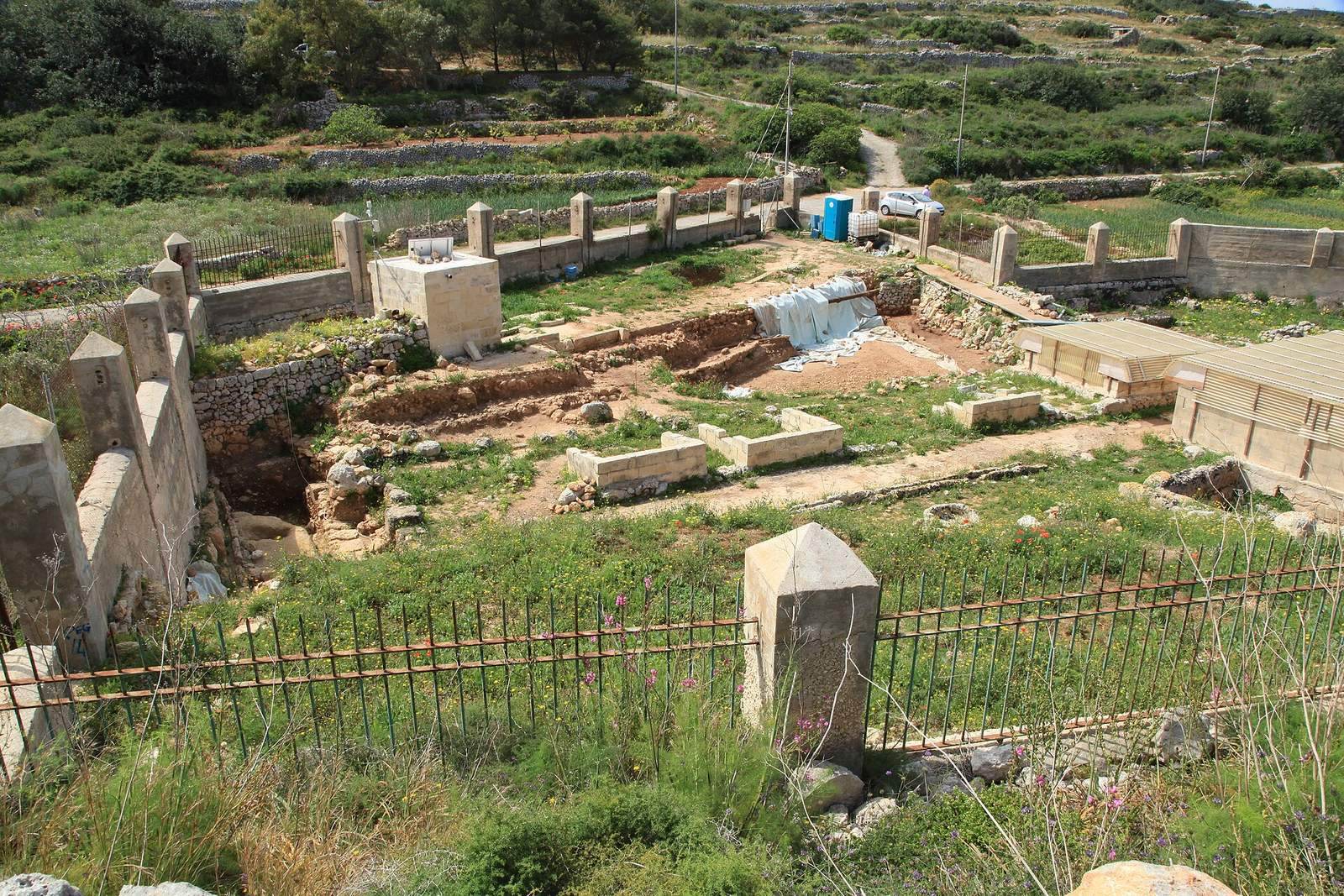
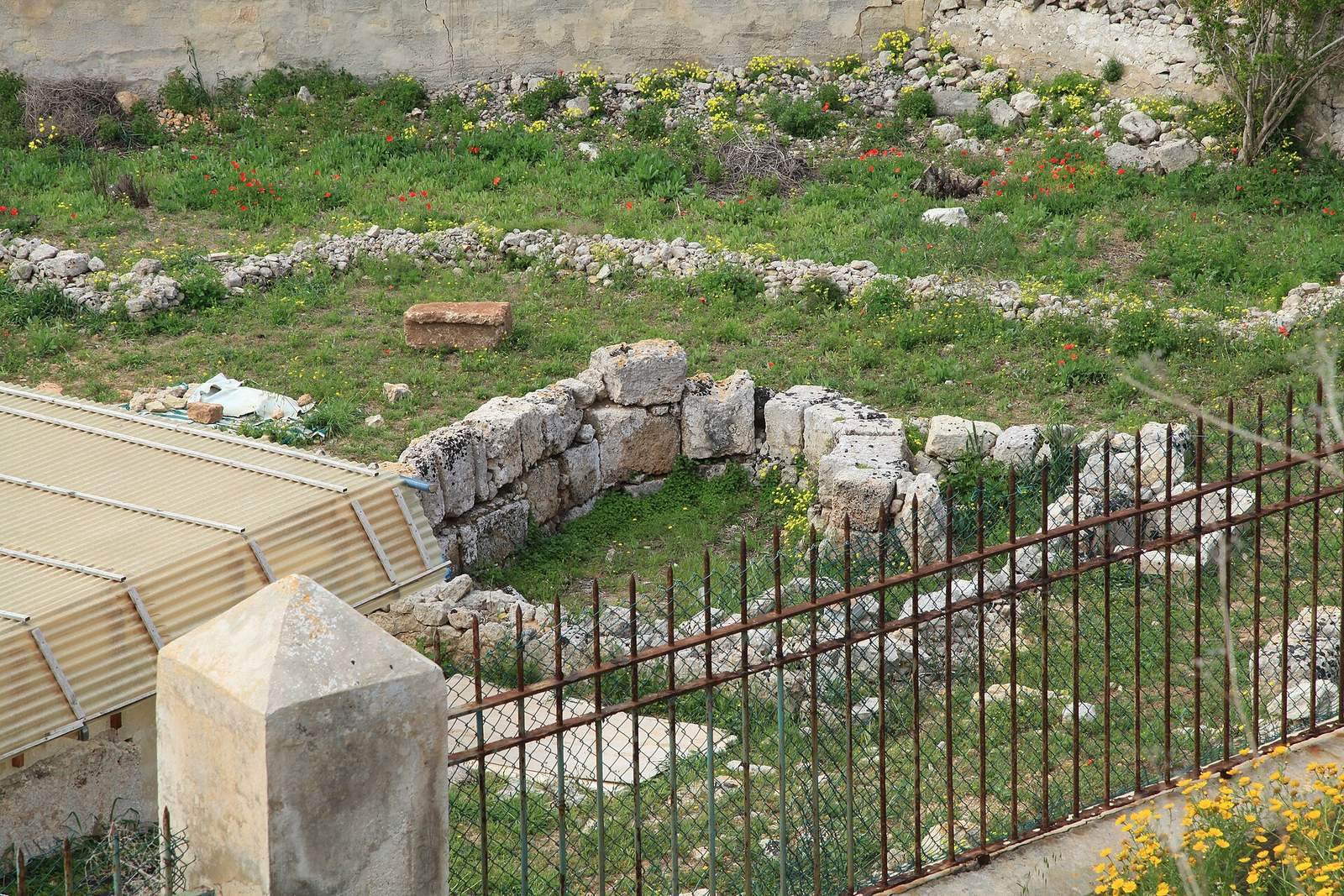
Government work connected with a freshwater spring led to the accidental discovery of the baths in 1929. The Maltese archaeologist and physician Themistocles Zammit directed the excavation with eight workers. Further excavation took place in 1981–82. In 1961, the mosaics were restored and rooms were built to shelter the remains. Later mapping of the baths’ mosaics and pavements helped inform a detailed conservation plan.
Remains
Layout and construction
The complex lies beneath an escarpment of Upper Coralline Limestone, near two beaches and away from a settlement. Its arrangement brought together rooms for hot, warm, and cold bathing, an outdoor pool, a latrine, and small rooms linked by a corridor.
Bathing and adjoining spaces
The latrine could accommodate eleven people at once. The small rooms connected by the corridor have been considered possible changing rooms or bedrooms.
Heating system
A heating system warmed both the water and the air in the rooms. Small brick arches supported the heating-room floor and allowed hot air to circulate beneath it; historical photographs show these arches.
Floors and finds
Mosaics and paving
The bathing rooms had intricate geometric mosaics made from colored marble and stone. In the cold room, a three-dimensional cube pattern resembles a mosaic at the Domvs Romana, an archaeological site in Mdina associated with a Roman house. The warm room’s mosaic featured a large, rounded floral geometric design within a square, bordered by finely worked decoration. Ceramic tiles shaped like lozenges, each less than ten centimeters long, paved the corridor and latrine.
Excavated materials
The 1929 excavation recovered fragments of painted stucco and colored glass.