The Bishop’s Palace in Exeter: The Bishop’s Residence
Site at a Glance
- Popularity
- Medium
- Country
- United Kingdom
- Primary era
- Medieval
- Eras represented
- Medieval, Early Modern, Modern
- Civilizations
- British, English
- Site type
- Religious
- Remains
- Palace
On this page7 sections
History
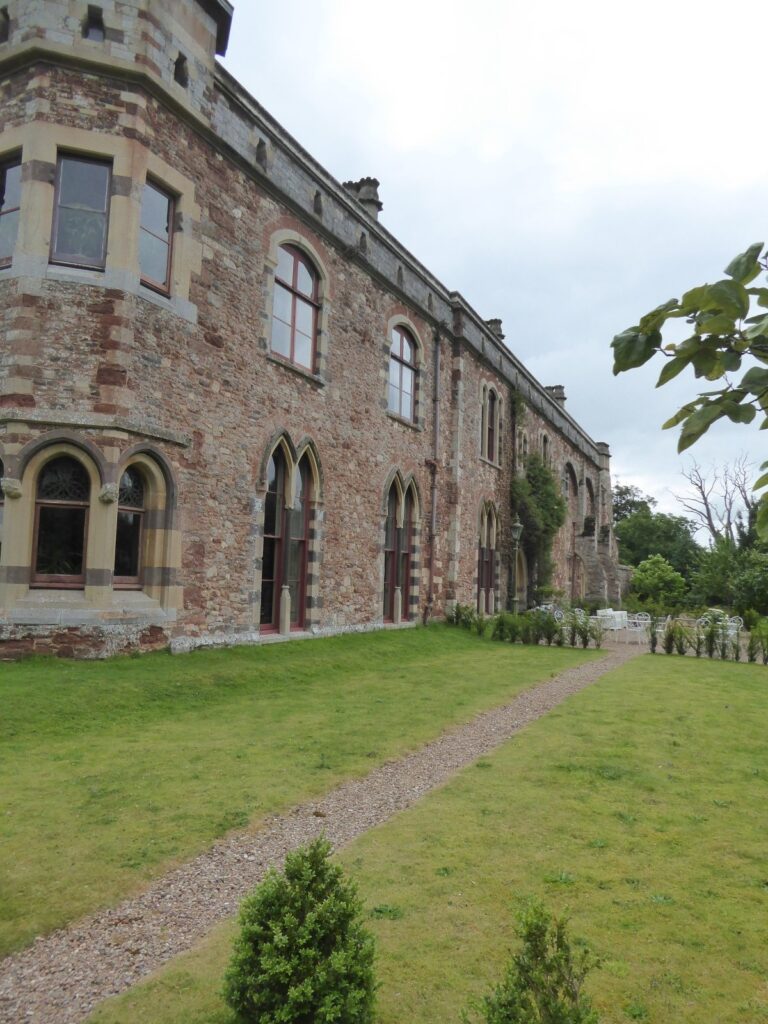
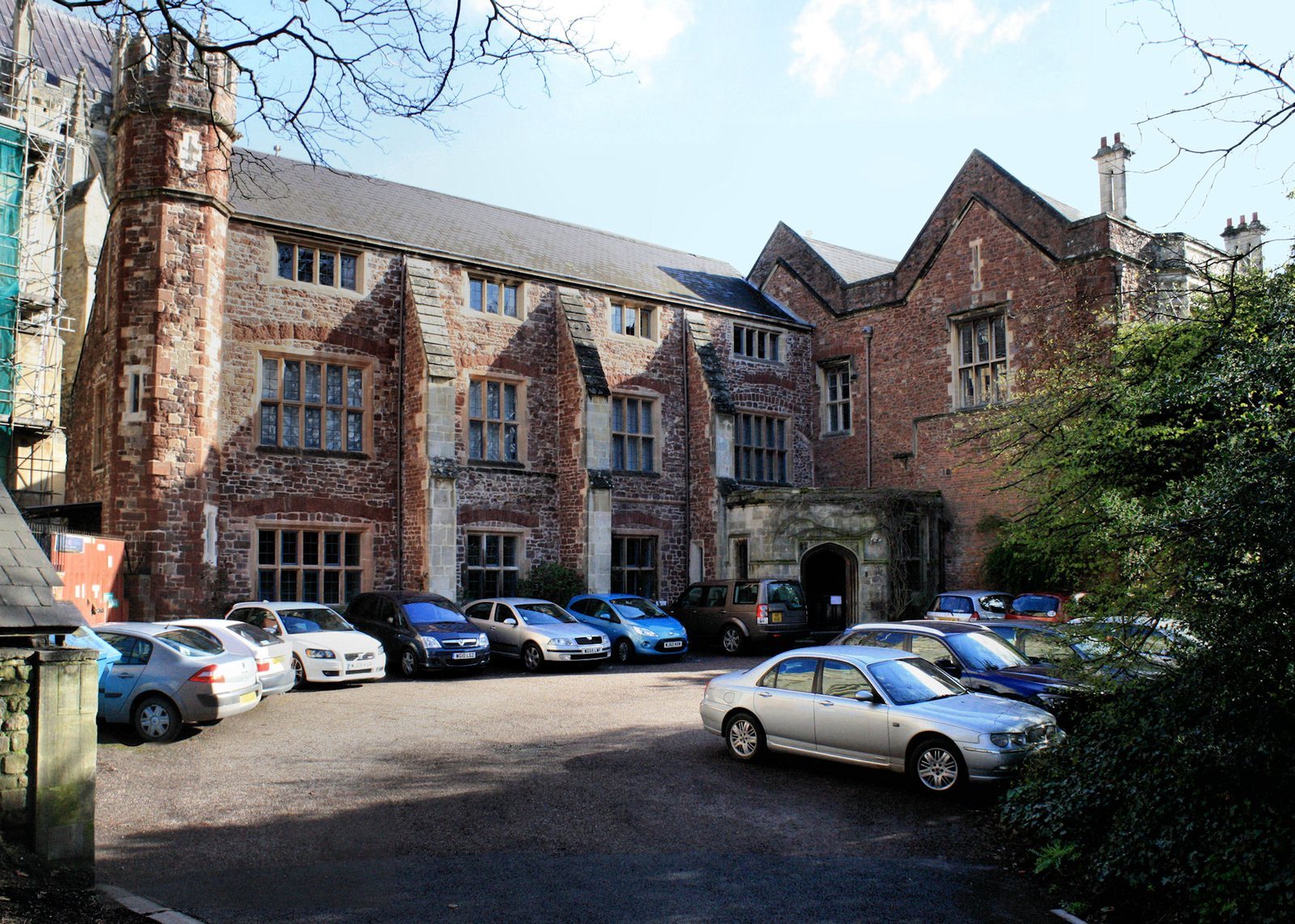
The Bishop’s Palace in Exeter, United Kingdom, is a 13th-century residence in the Gothic style, a medieval form of architecture associated with pointed arches and ribbed vaults. It was built under William Briwere, a medieval Bishop of Exeter, and serves as the bishop’s residence. The Dean and Chapter, the cathedral’s governing body led by the dean, own the palace.
Restoration and wartime use
Architect Ewan Christian carried out extensive work at the palace in 1846–48. Later, William Butterfield restored the chapel and made additions to the gatehouse.
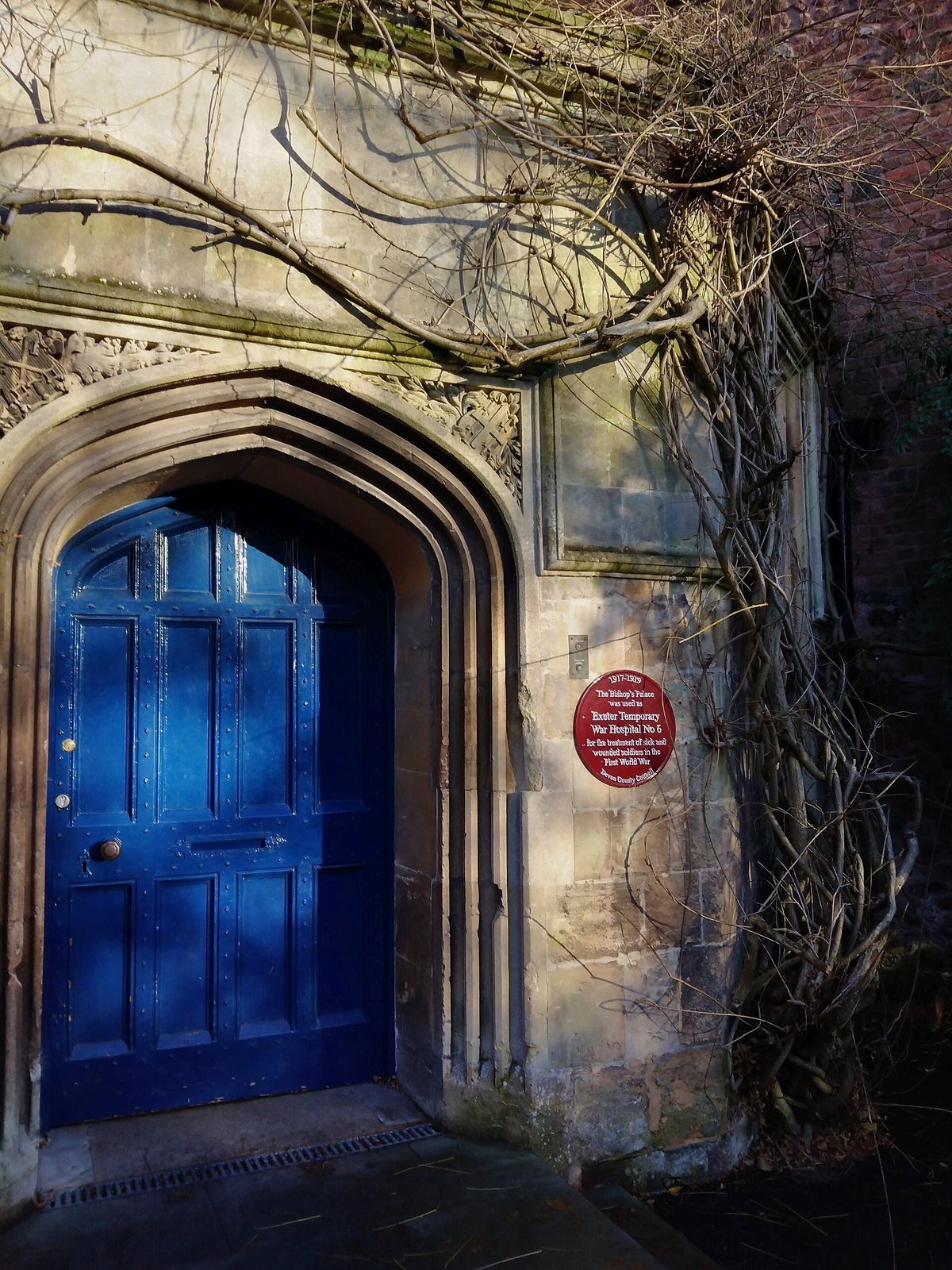
In 1916, during the First World War, the government requisitioned the palace for use as a military hospital. It returned to use as the Bishop of Exeter’s residence in 1948.
The palace and its gatehouse are each Grade I listed, England’s highest listing category, reserved for buildings of exceptional interest.
Remains
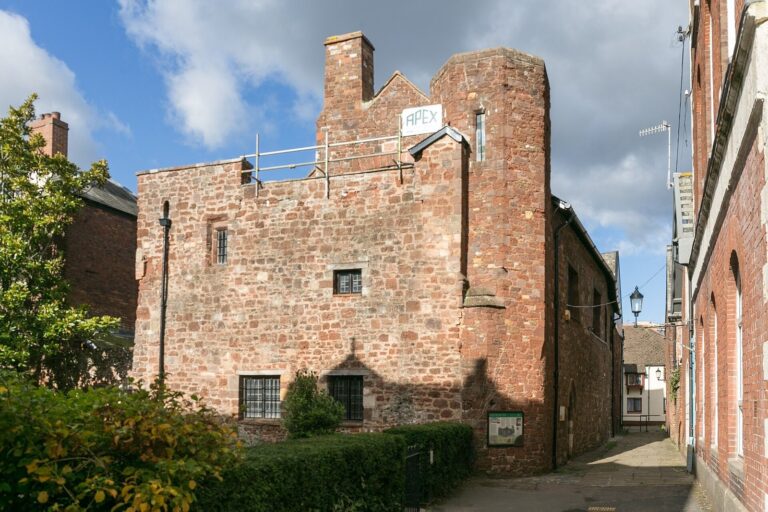
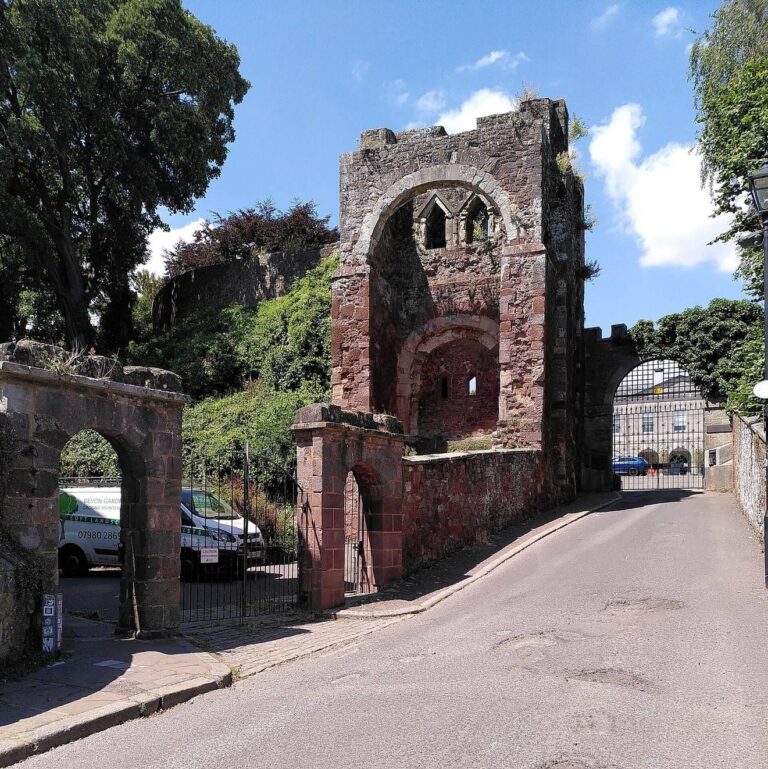
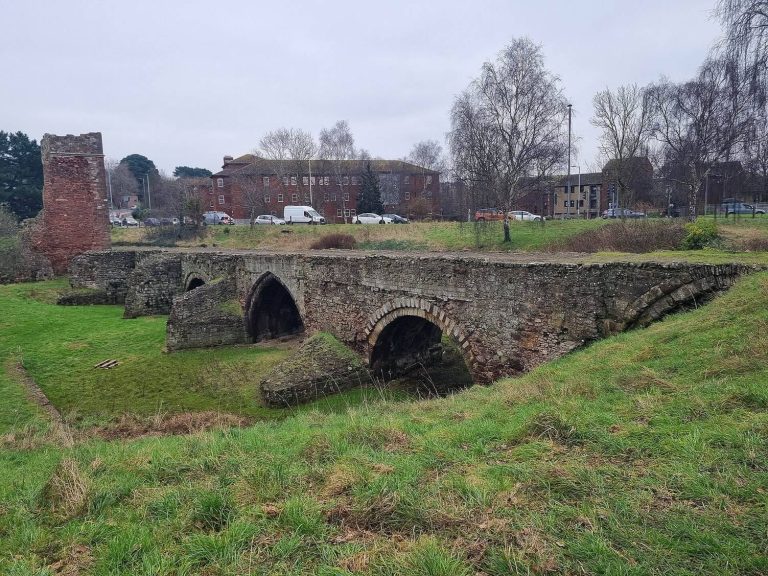
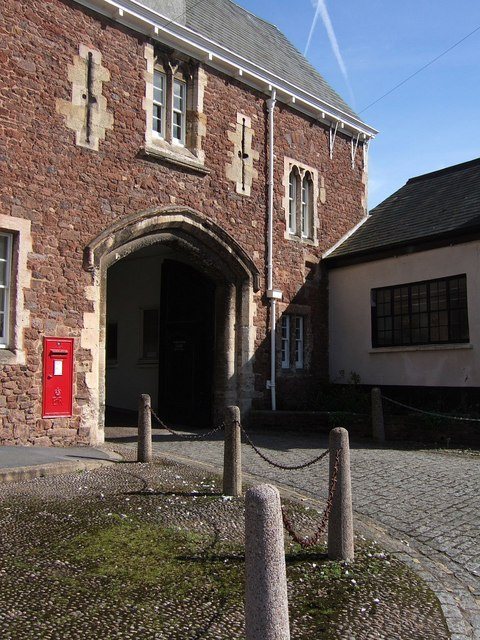
The surviving site includes the palace, its chapel and west wing, a medieval wall, the gatehouse, and a garden. Heavitree stone was used in the palace and wall, while the gatehouse is built of red Heavitree stone.
Palace, chapel, and wall
The palace’s south porch contains an inner doorway dated to about 1200, set beneath a monumental pointed arch. The original great hall was later demolished. The chapel dates to the 13th century; Butterfield restored it. The medieval palace wall is also built of Heavitree stone.
Gatehouse
The gatehouse was probably built in the 14th century, slightly after the palace, though some of its timbers date to the 13th century and possibly the late 12th. An 18th-century alteration added a Georgian-style staircase and vertically sliding sash windows. Later work added stone windows and a top storey with exposed structural timbers; a slate roof now covers the building.
Garden
The garden is thought to be the oldest in Devon. Its grounds include a first-generation Lucombe oak, a cultivar associated with evergreen foliage.
Library and archives
The west wing houses Exeter Cathedral’s library and archives. Their collections span the 10th to the 21st centuries and include the Exeter Book, a medieval manuscript of Old English poetry.