Bishop’s Court, Devon: A Medieval Bishops’ Palace and Country House
Site at a Glance
- Popularity
- Medium
- Country
- United Kingdom
- Primary era
- Medieval
- Eras represented
- Medieval, Early Modern
- Civilizations
- English
- Site type
- Domestic
- Remains
- Elite Residence
On this page8 sections
History
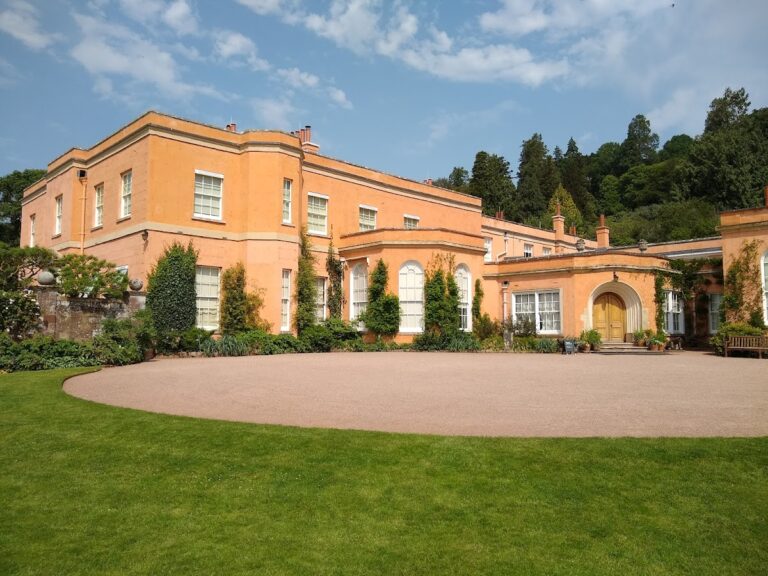
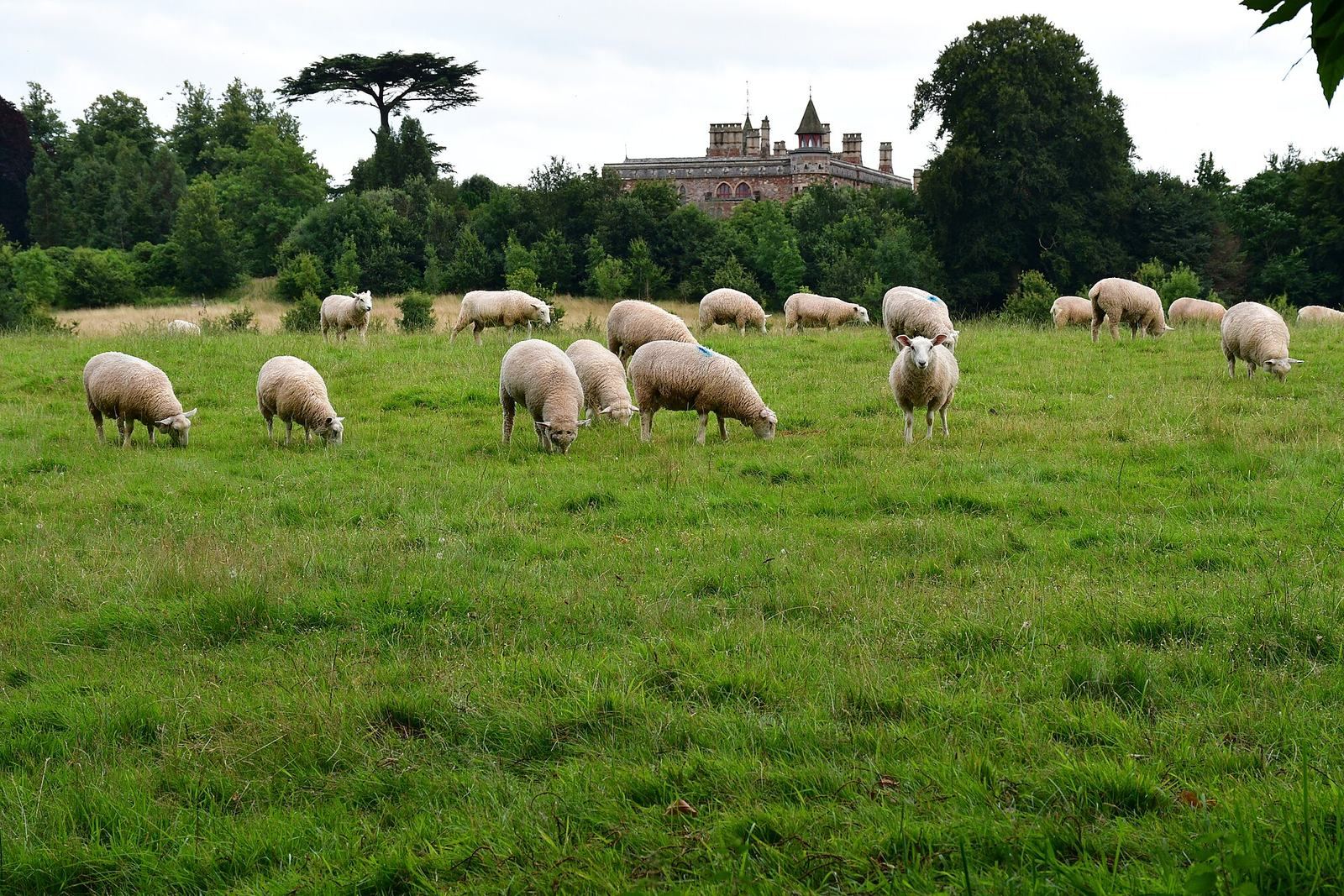
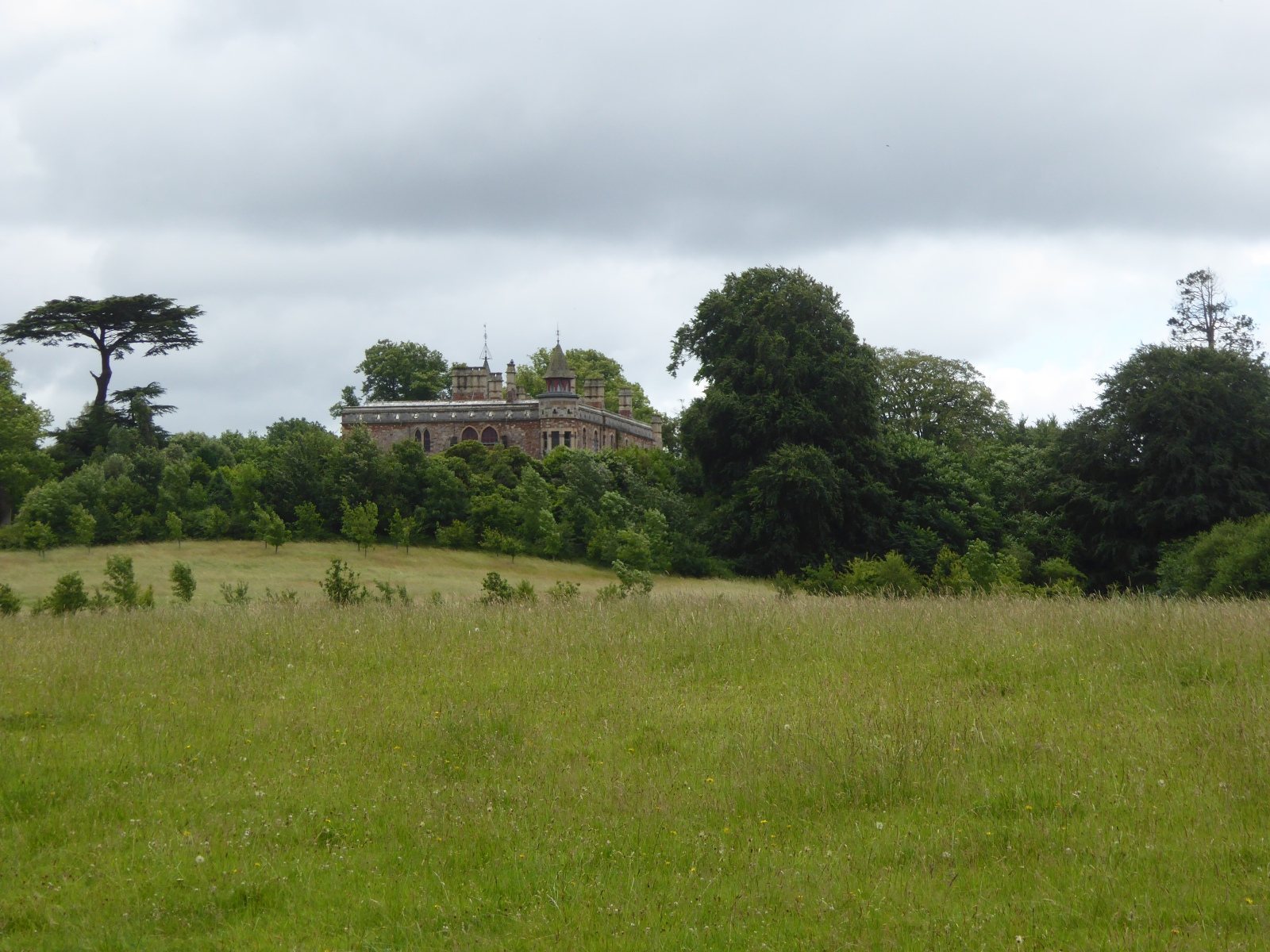
Bishop’s Court is a 13th-century country house in the Gothic style, an architectural tradition that developed in medieval Europe, at Sowton near Exeter in the United Kingdom. It served as a palace for Exeter’s medieval bishops and later became a private country house.
The bishops’ palace and its transfer
The bishops of Exeter acquired Bishop’s Court in 1265 and used it as their palace until 1546. In 1549, Bishop John Vesey, the senior Christian cleric overseeing the Exeter diocese, was persuaded to grant the Manor of Bishop’s Clyst and the palace to John Russell, the first holder of the British noble title Earl of Bedford.
Garrison during the Civil War
In 1645, during the English Civil War, fought between Royalist and Parliamentarian forces, Sir Thomas Fairfax used Bishop’s Court as a garrison during the blockade of Exeter.
Rebuilding and later use
After Admiral Lord Graves, a British naval officer, acquired the property, the house was rebuilt in 1803. John Garratt, a former Lord Mayor of London, later owned it. From 1860 to 1864, the English architect William White remodelled the house for the Garratt family. By the 1950s, it served as a company headquarters.
Bishop’s Court, its former stables, and its former tithe barn are Grade I listed, England’s highest listed-building category, reserved for buildings of exceptional interest.
Remains
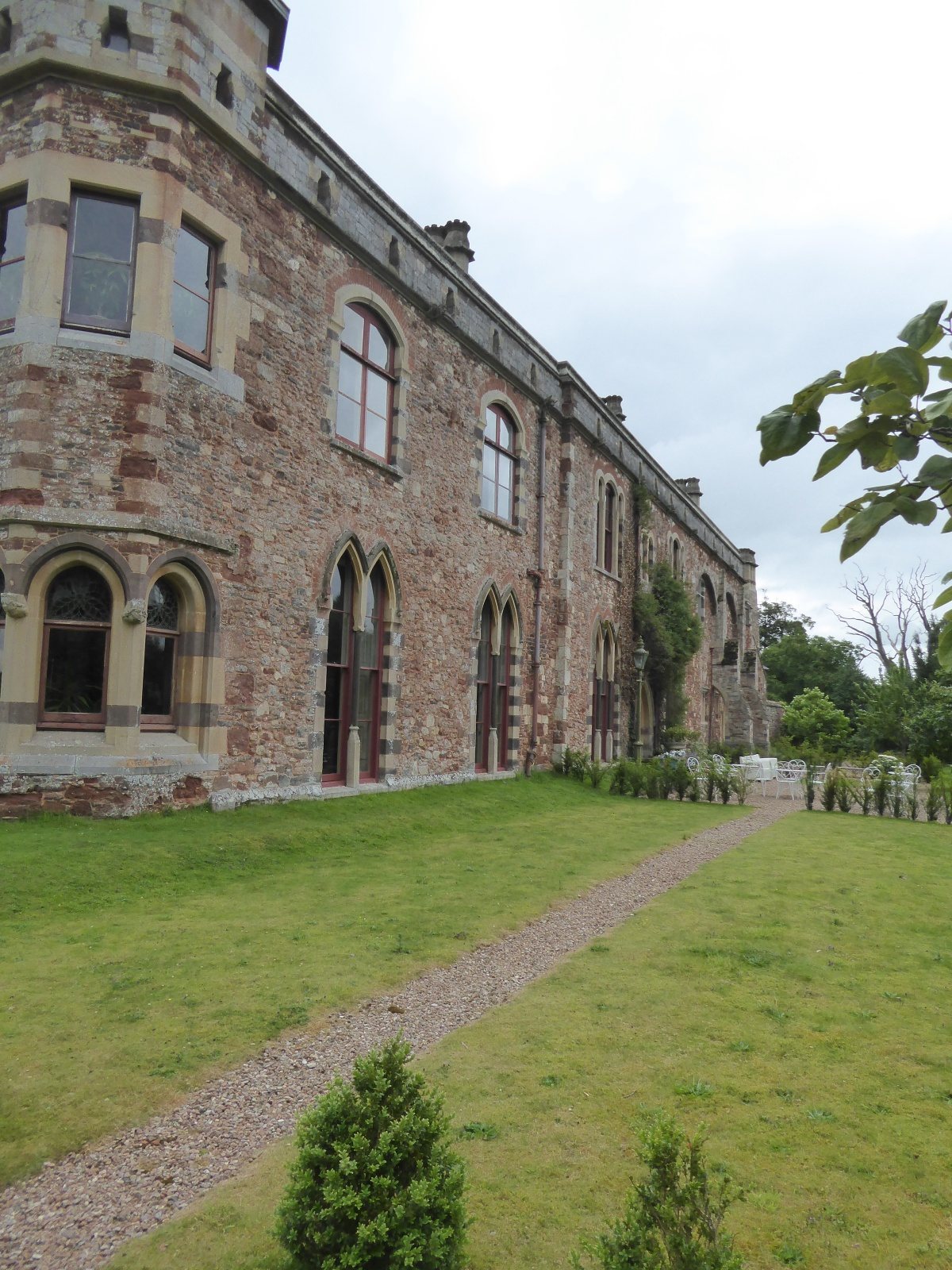
The property includes a Gothic country house, a chapel within the house, former stables, and a former tithe barn. The house covers about 21,000 square feet (2,000 square metres) and is built largely of Heavitree stone, a local building stone associated with Heavitree near Exeter. Architectural historian Nikolaus Pevsner described its character as intensely Gothic. The chapel contains a triptych, an artwork made in three panels, by Victorian English artist Nathaniel Westlake.
Former estate buildings
Former stables
The former stables date to the early 16th century and are also made of Heavitree stone.
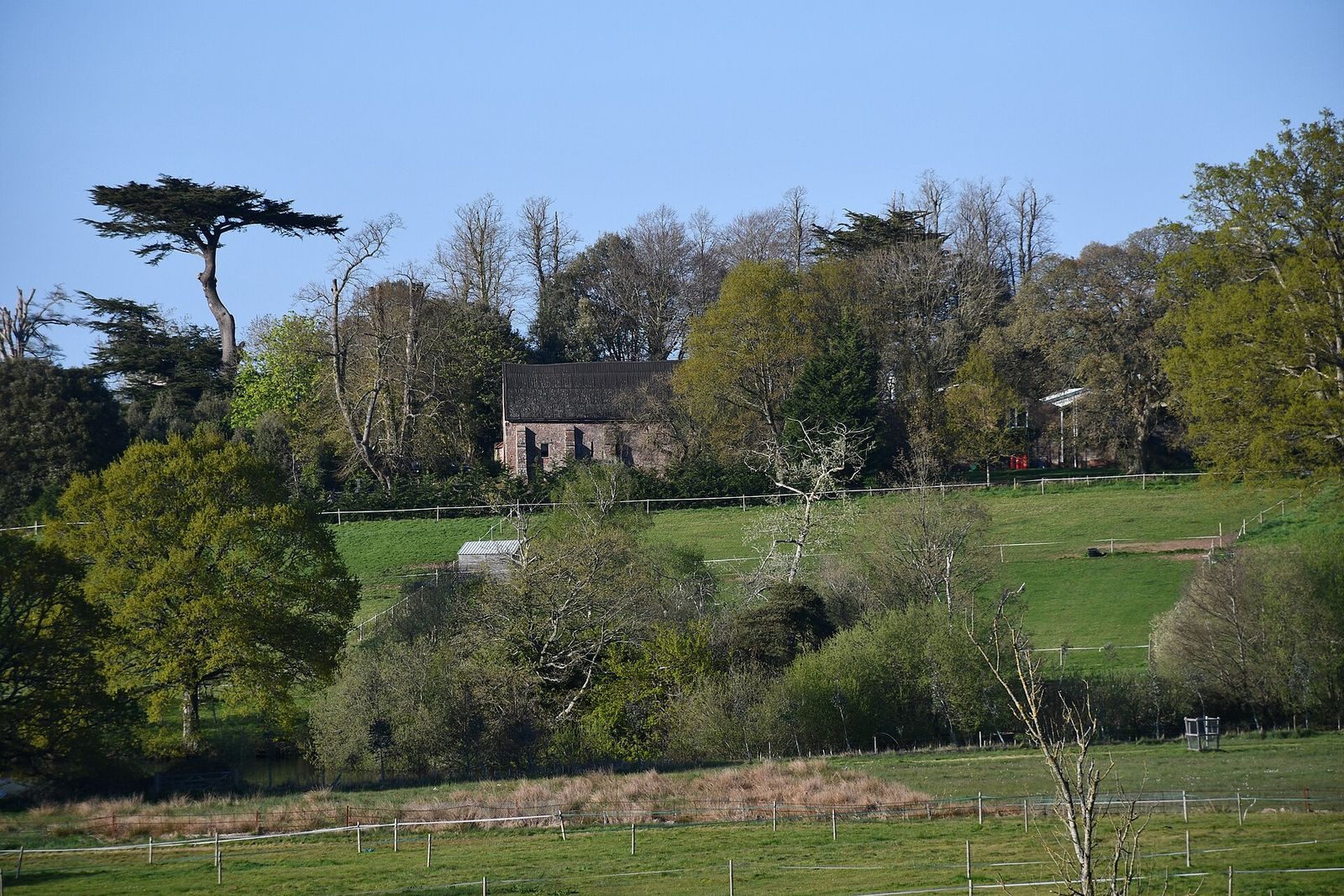
Former tithe barn
The former tithe barn is thought to date to the early 14th century. Tithe barns were used to store tithes, payments to support the church that were often made in produce.