St Nicholas Priory: A Benedictine Monastery and Tudor Town House in Exeter
Site at a Glance
- Popularity
- Medium
- Country
- United Kingdom
- Primary era
- Medieval
- Eras represented
- Medieval, Modern
- Civilizations
- British, English
- Site type
- Domestic
- Remains
- Elite Residence
On this page8 sections
History
Foundation and medieval growth
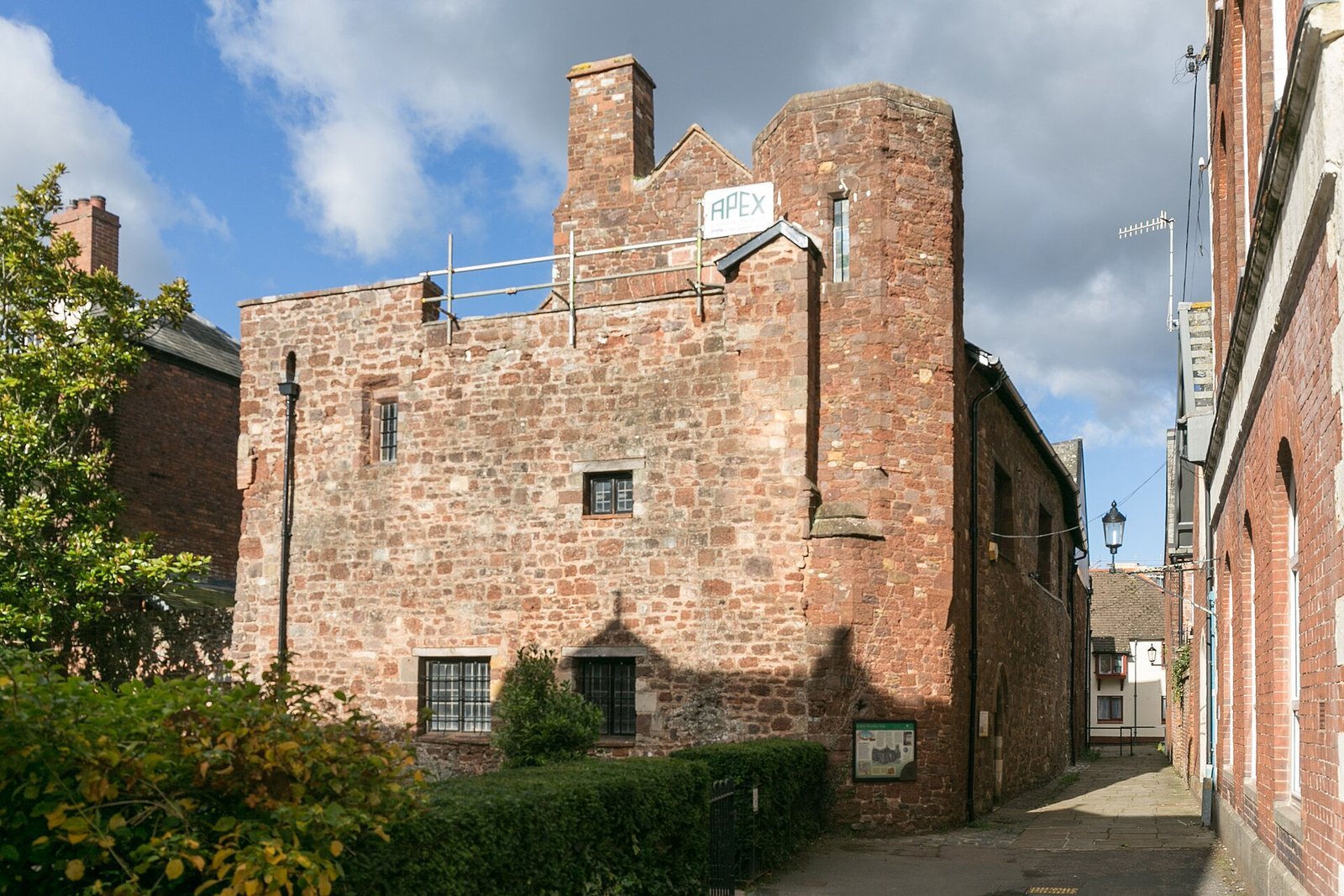
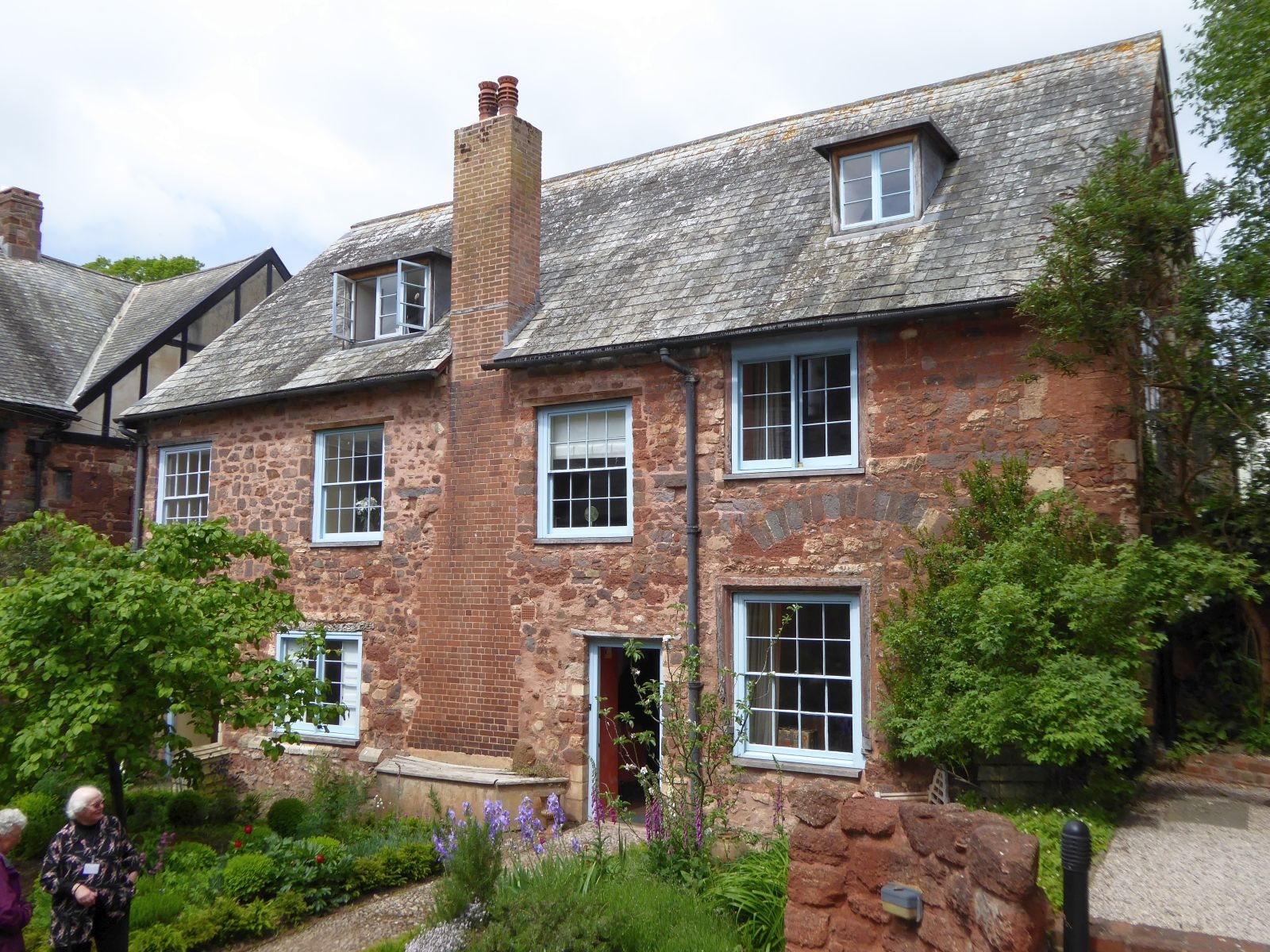
St Nicholas Priory is a former Roman Catholic Benedictine monastery in The Mint, Exeter, United Kingdom. Its origins reach back to 1068, when William the Conqueror besieged Exeter, where Harold Godwinson’s mother was living. After she fled, William granted the church of St Olave to Battle Abbey. Monks sent from the abbey administered the church and its possessions, establishing a monastic community. The priory was founded in 1087, when its own church was dedicated to St Nicholas.
During the 12th and 13th centuries, gifts of land and property helped the priory expand, with new monastic buildings added as resources permitted. The monks offered lodging and hospitality to pilgrims, other travellers, and important guests.
Dissolution and Tudor conversion
In 1535, local women entered the priory church to prevent workers from removing Catholic paintings from its vaulted ceiling. Soldiers forced them out. The confrontation is regarded as a spark of the Prayer Book Rebellion, a 1549 uprising in western England against religious changes that included the introduction of an English-language Book of Common Prayer.
In 1536, during Henry VIII’s closure and appropriation of smaller monasteries, the monks were pensioned off. The church, covered walkways, and range containing the monks’ meeting hall were demolished, and some of the stone was used to repair Exe Bridge. The Crown sold the remaining buildings and precinct. Between 1575 and 1602, the surviving buildings were converted into an Elizabethan town house. Later, the property was used for houses and businesses.
Later use and conservation
Exeter Corporation bought the priory in 1913 with the aim of restoring its monastic appearance. It opened as a small museum in 1916. Repairs and reinterpretation in 2007 partially restored its presentation to evoke a wealthy Tudor merchant’s house, using methods associated with the period.
St Nicholas Priory is a Grade I listed building, the highest category of listed-building protection in England, reserved for buildings of exceptional interest.
Remains
Domestic ranges and town-house interior
North and west ranges
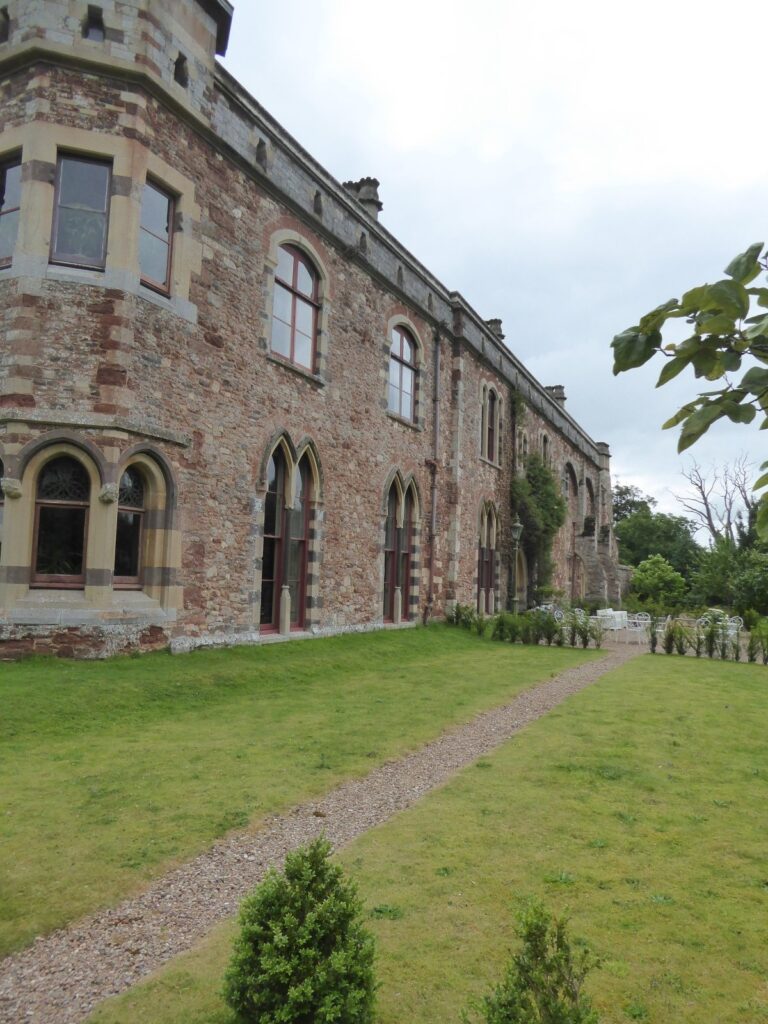
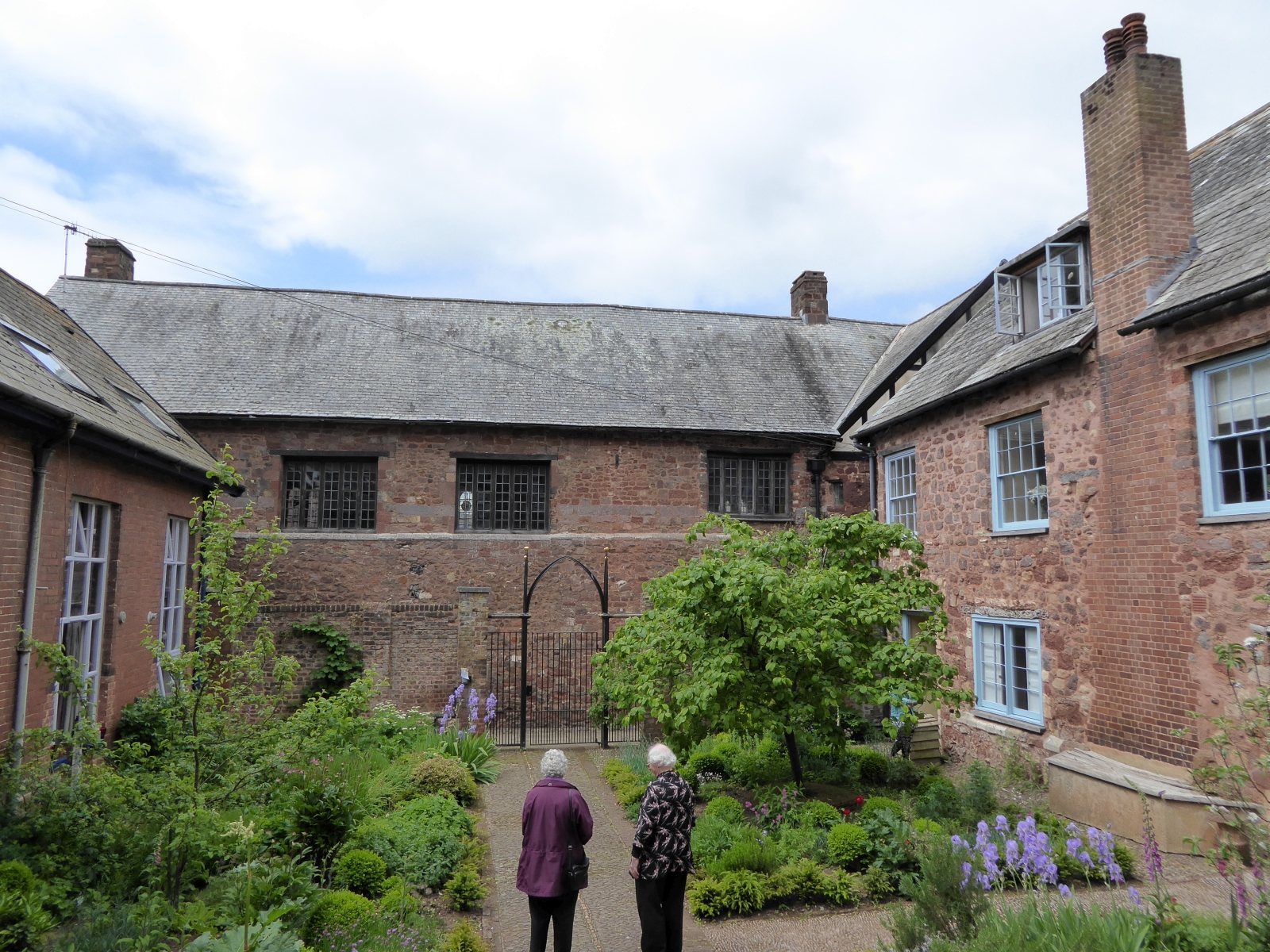
Parts of the priory’s north and west ranges survive, preserving sections of its domestic buildings. Between 1820 and 1913, the property was divided into five separate premises, each given new entrance doors and windows.
Elizabethan interiors
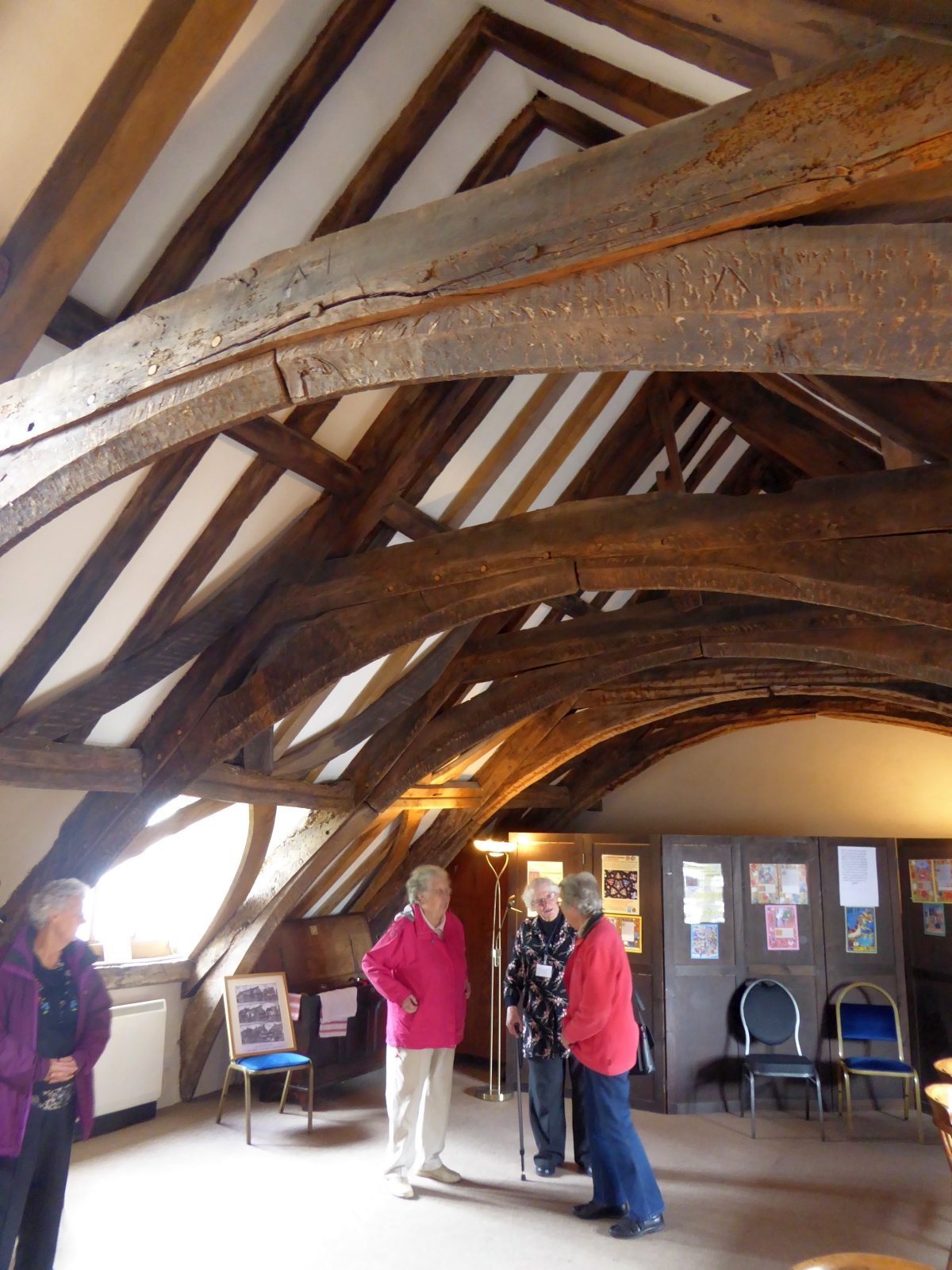
The interior is furnished to represent an Elizabethan town house and the home of the wealthy Hurst family in 1602. Replicas are among the furnishings, while bright wall colors evoke the period. Artifacts from Exeter’s collection illustrate Tudor life.