St. Nicholas Orthodox Church in Zemun: A Baroque Parish Church
Site at a Glance
- Rating
- 4.9
- Popularity
- High
- Country
- Serbia
- Primary era
- Early Modern
- Eras represented
- Early Modern, Modern
- Civilizations
- Austria-Hungary, Austrian Empire, Habsburg, Habsburg Austria, Hungarian
- Site type
- Religious
- Remains
- Church
On this page9 sections
History
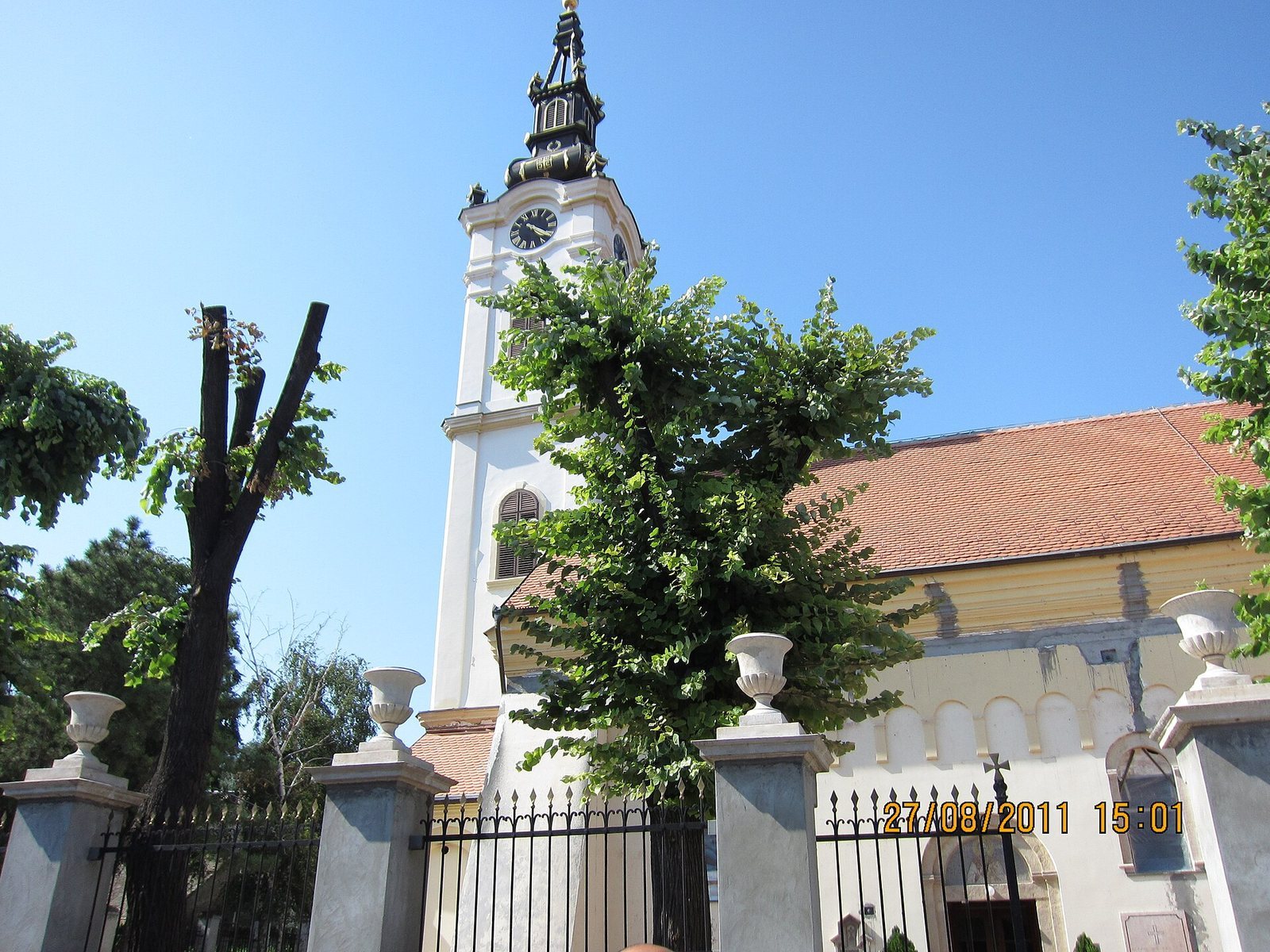
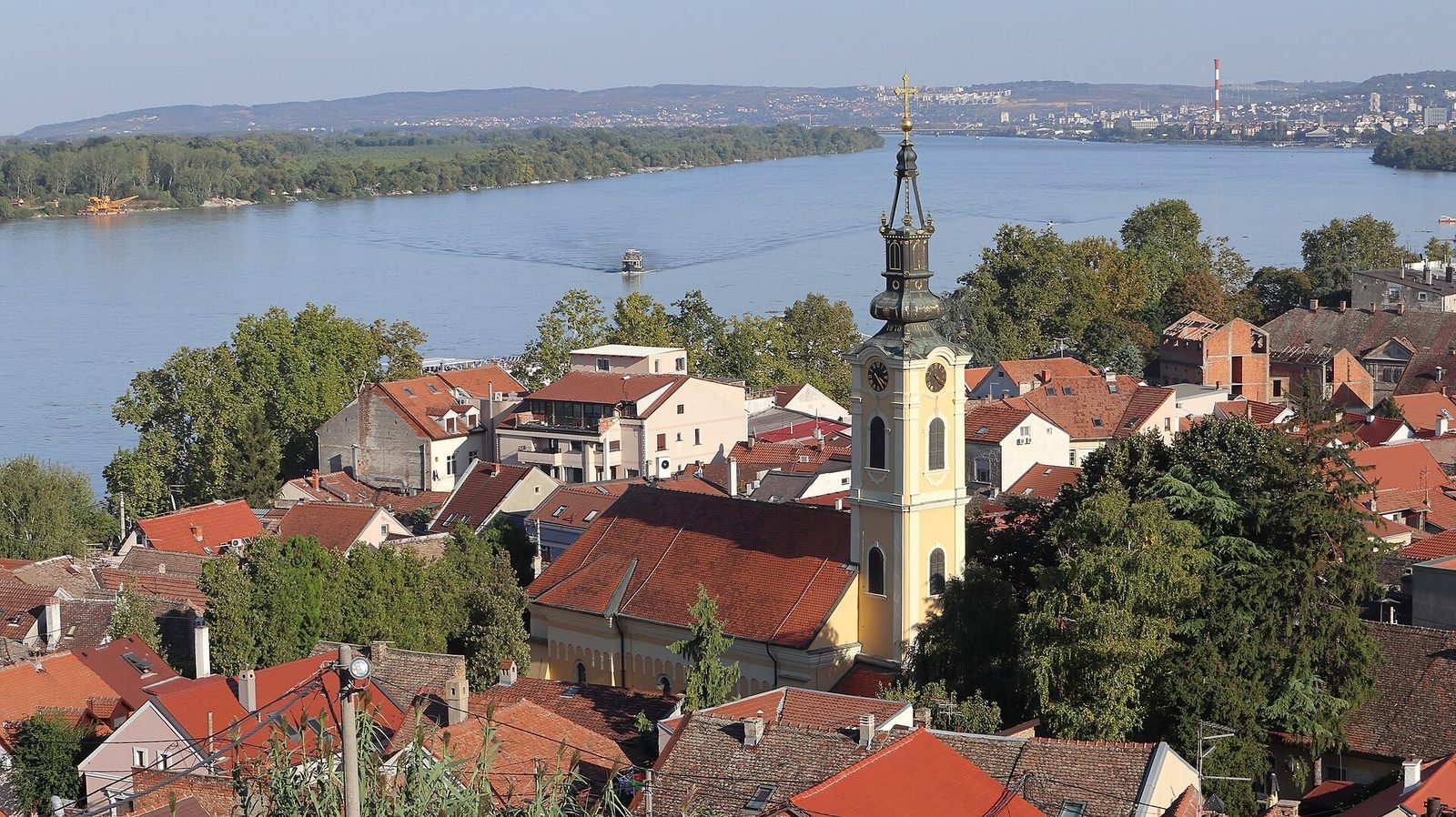
St. Nicholas Orthodox Church is an active parish of the Serbian Orthodox Church, an Eastern Orthodox Christian church, in Zemun, Serbia. The present building is an eighteenth-century Baroque church affiliated with the Archdiocese of Belgrade-Karlovci, an ecclesiastical jurisdiction headed by an archbishop. It is regarded as the oldest Orthodox church in Zemun’s historic center and the oldest surviving sacred building in Belgrade.
Earlier worship and eighteenth-century construction
The church stands on the foundations of an earlier Serbian place of worship dating to the sixteenth century, thought to have existed before Ottoman forces entered Zemun in 1521. Travelers in the sixteenth and seventeenth centuries described a large mosque in Zemun and a separate structure resembling a roofless Orthodox church.
After Austrian forces entered Zemun in 1717 and Ottoman rule ended, Serbian communities still faced difficulty securing permission to build religious institutions. A small church dedicated to Saint Nicholas of Myra, an early Christian bishop venerated as a saint, was built in 1731. The Serbian Orthodox Church Municipality of Zemun, a local church community and administrative unit, was established the following year. Through the efforts of the municipality, clergy, and residents, approval for the present church and a Serbian school in its courtyard came in 1745. Construction began that year and was completed in 1752, replacing an older Serbian wooden church with a thatched roof.
School, later alterations, and protection
A school for Orthodox children operated in the church courtyard and contributed to education in Zemun. Serbian writer and educator Joakim Vujić taught there from 1807 to 1809. A fire destroyed the original bell tower in 1867, and the tower was restored in 1870. The church underwent repeated restorations. In 1948 it was designated a protected cultural monument and immovable cultural property; it is also listed among Serbia’s protected cultural monuments and Belgrade’s cultural properties.
Remains
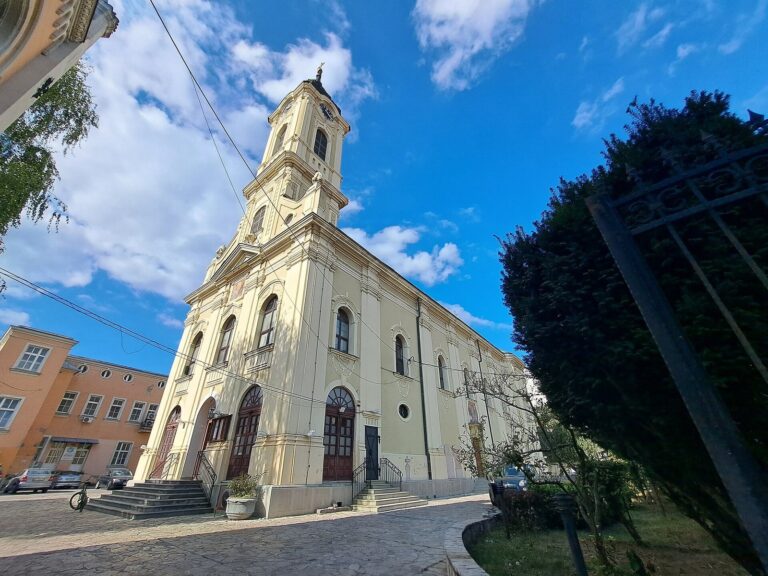
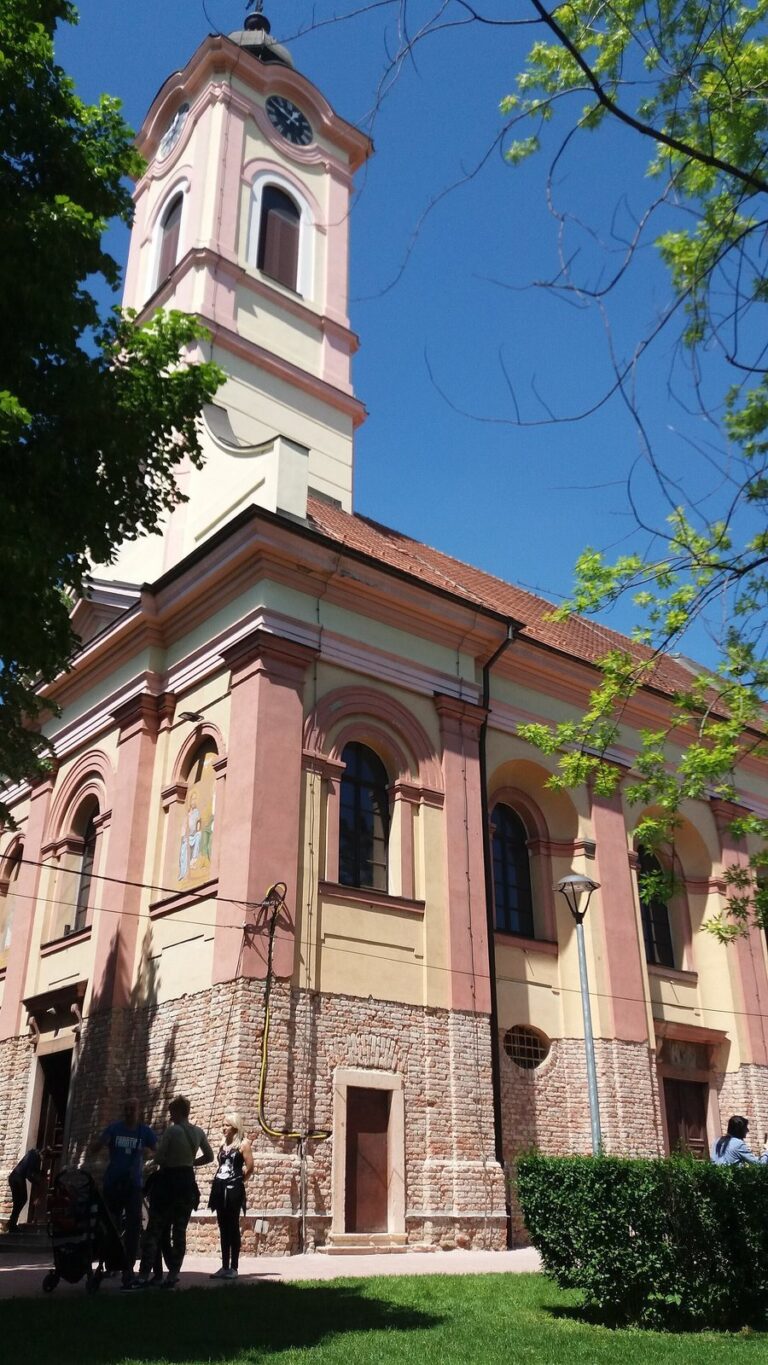
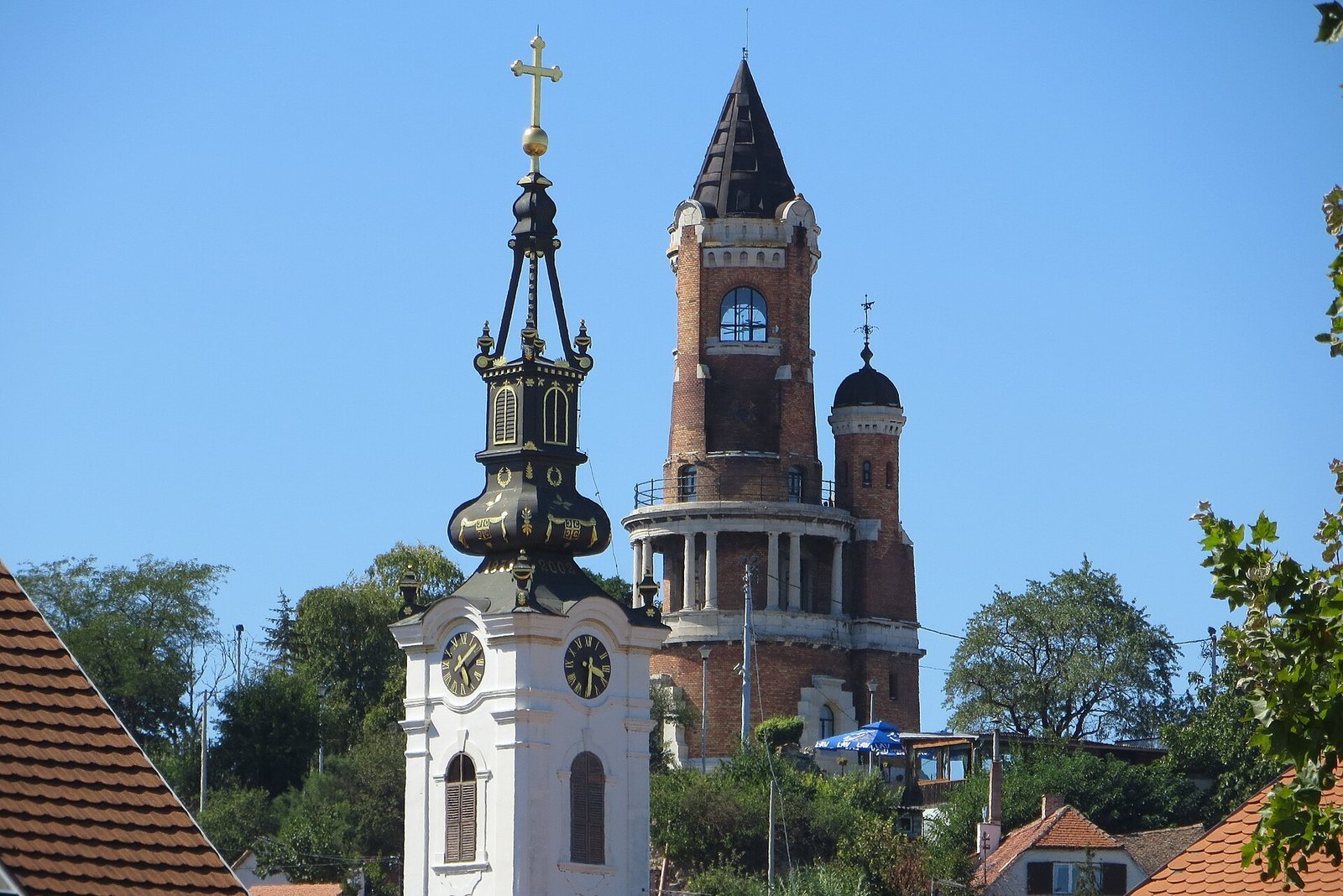
Below the medieval Gardoš fortress, the church is a single-hall Baroque building of the kind associated with eighteenth-century churches in Vojvodina and the Military Frontier, the Habsburg borderland organized for defense. Its hall ends in a semicircular apse, the rounded sanctuary end, with a half-cylinder-shaped vaulted ceiling; the choir area has a barrel vault, a continuous arched ceiling. A two-storey bell tower rises at the west end and is capped with a metal, bulb-shaped roof.
Church and churchyard
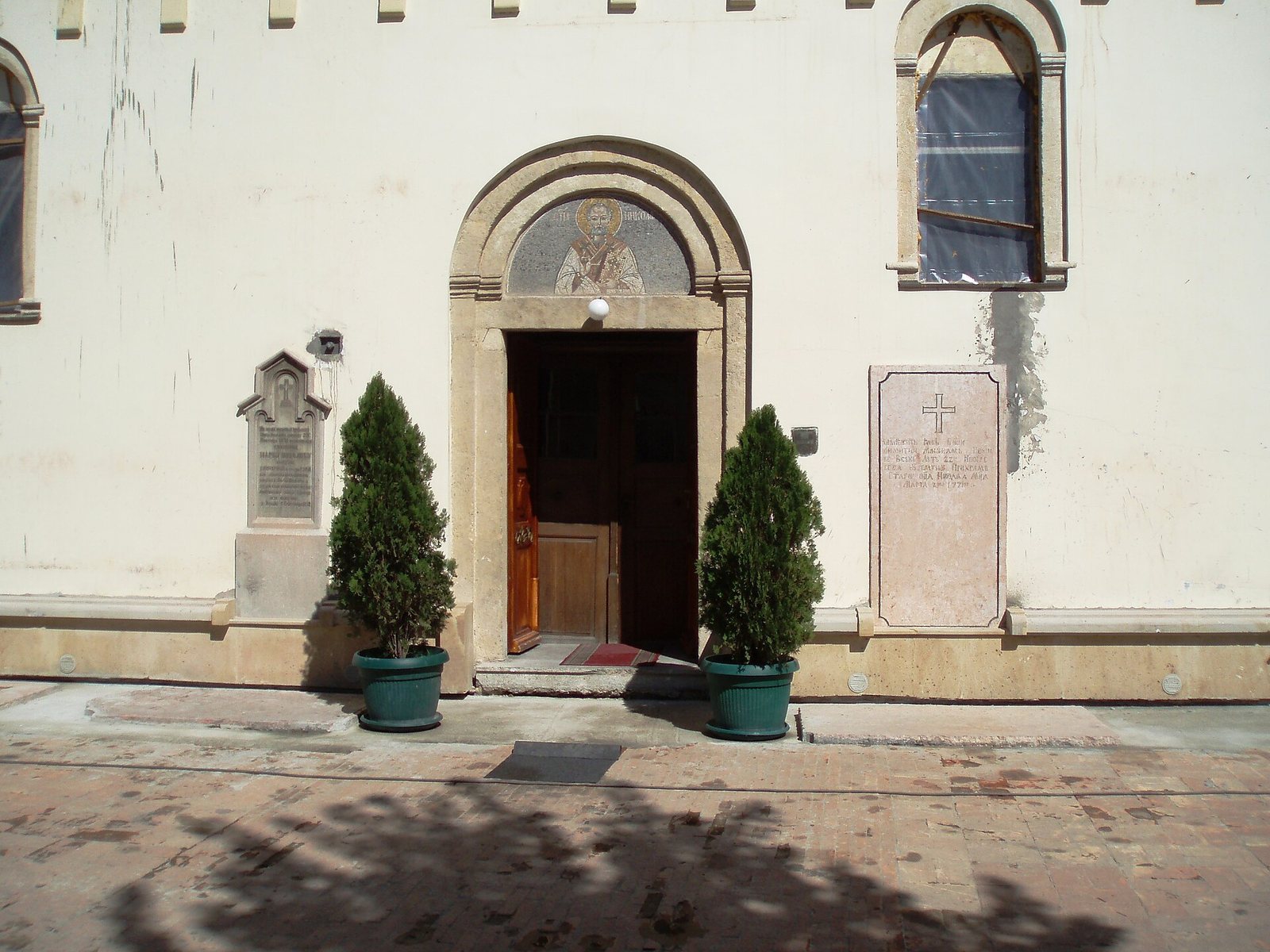
Buttresses added to the north and south sides in 1870 strengthen the church. The courtyard’s northeastern section housed a Serbian elementary school, identified with today’s Mother Jugović Elementary School. The parish house has a plaque marking its construction in 1902 and a memorial plaque to Vujić.
Iconostasis and painted decoration
The Baroque iconostasis
The richly carved iconostasis, a screen of icons separating the sanctuary from the main worship space, was commissioned by the Zemun Church Municipality after the church was built. Woodcarver Aksentije Marković completed it in 1761. It carries 73 icons and is an early surviving example of the Baroque type, illustrating the movement from traditional Serbian and Byzantine art toward Baroque. Dimitrije Bačević painted its icons in 1762 with assistance from Dimitrije Popović. Bačević also made more than 80 icons for the church, including works for the pulpit, thrones, and choir stalls. Their gold backgrounds, abundant plant ornament, sculptural-looking figures, and natural poses accompany saints with gentle faces and dark green tones accented by pink and ochre. Vasilije Ostojić may also have assisted Bačević, though his contribution to the church’s paintings is uncertain.
Later paintings and stained glass
In 1847, Zemun painter Živko Petrović repainted the icons in the iconostasis’s lowest tier. Their subjects are thought to follow Bačević’s originals and include the parables of the speck and beam, the sower, Lazarus the beggar, and the publican and Pharisee, presented as lessons in mercy, love, and moral virtue. Petrović also made the church’s wall paintings and other paintings that year. The church preserves works by Stefan Grujić, Dimitrije Avramović, and other nineteenth-century Serbian icon painters. In the early 1930s, stained-glass windows depicting saints replaced earlier windows with wrought-iron grilles. The Stanišić family workshop in Sombor made the glass to designs based on paintings by Milenko Đurić.
Collections and religious objects
The church holds eighteenth- and nineteenth-century icons, old church books, and other applied-art and religious objects connected with Zemun’s cultural and economic history. Guild banners reflect the social role of craftspeople in this border town; the oldest, made for the bootmakers’ and tanners’ guild, dates to 1807. A fragment of the relics of the Apostle Andrew, known in Orthodox tradition as the First-Called, is also kept in the church.