Fitzalan Chapel: A Family Burial Chapel at Arundel Castle
Site at a Glance
- Rating
- 5
- Popularity
- Very Low
- Country
- United Kingdom
- Primary era
- Medieval
- Eras represented
- Medieval
- Civilizations
- English
- Site type
- Religious
- Remains
- Tomb
On this page5 sections
History
Foundation and family burials
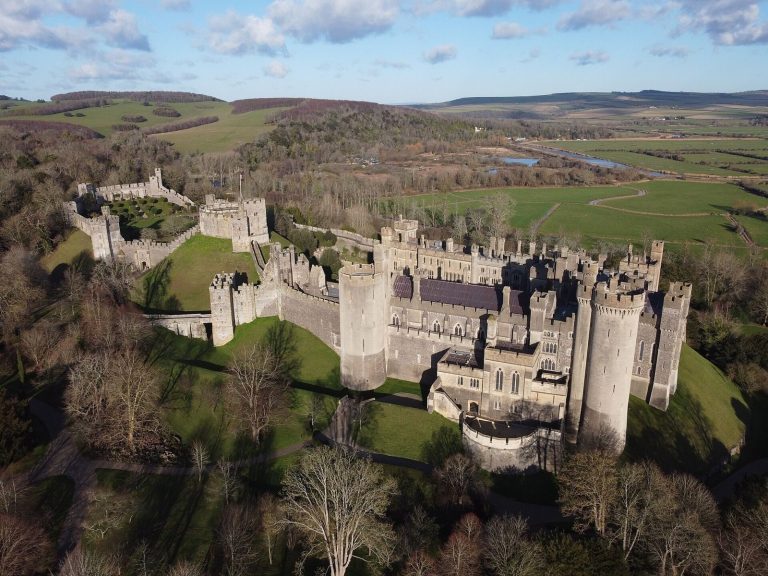
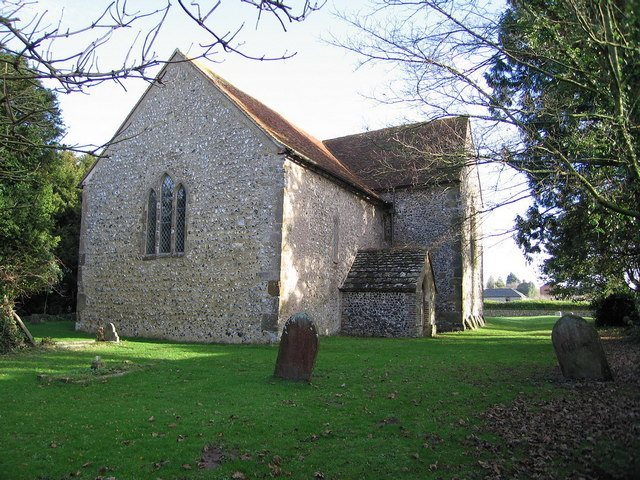
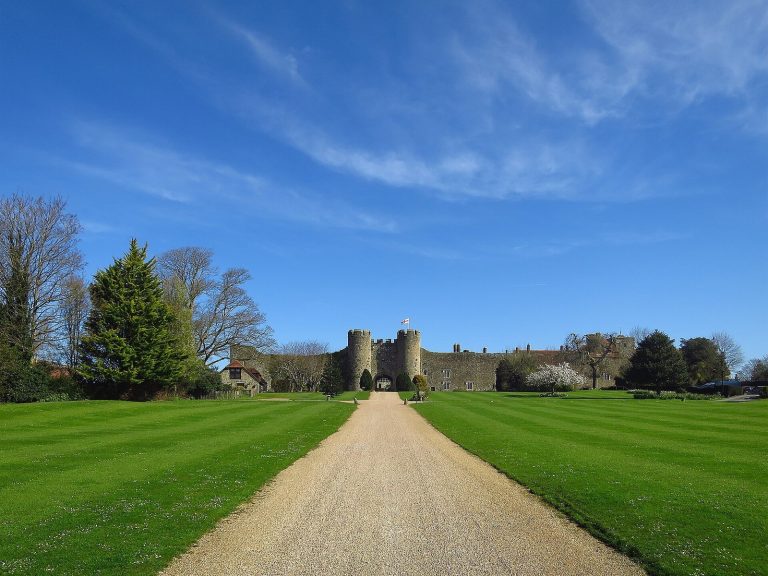
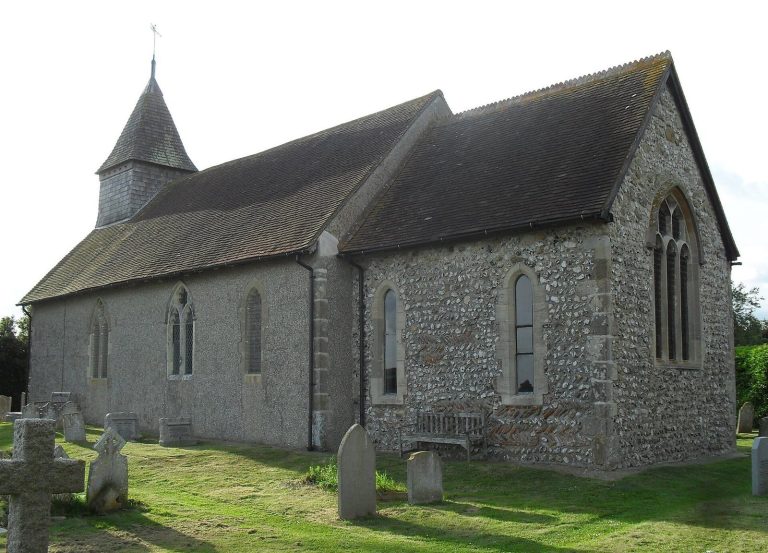
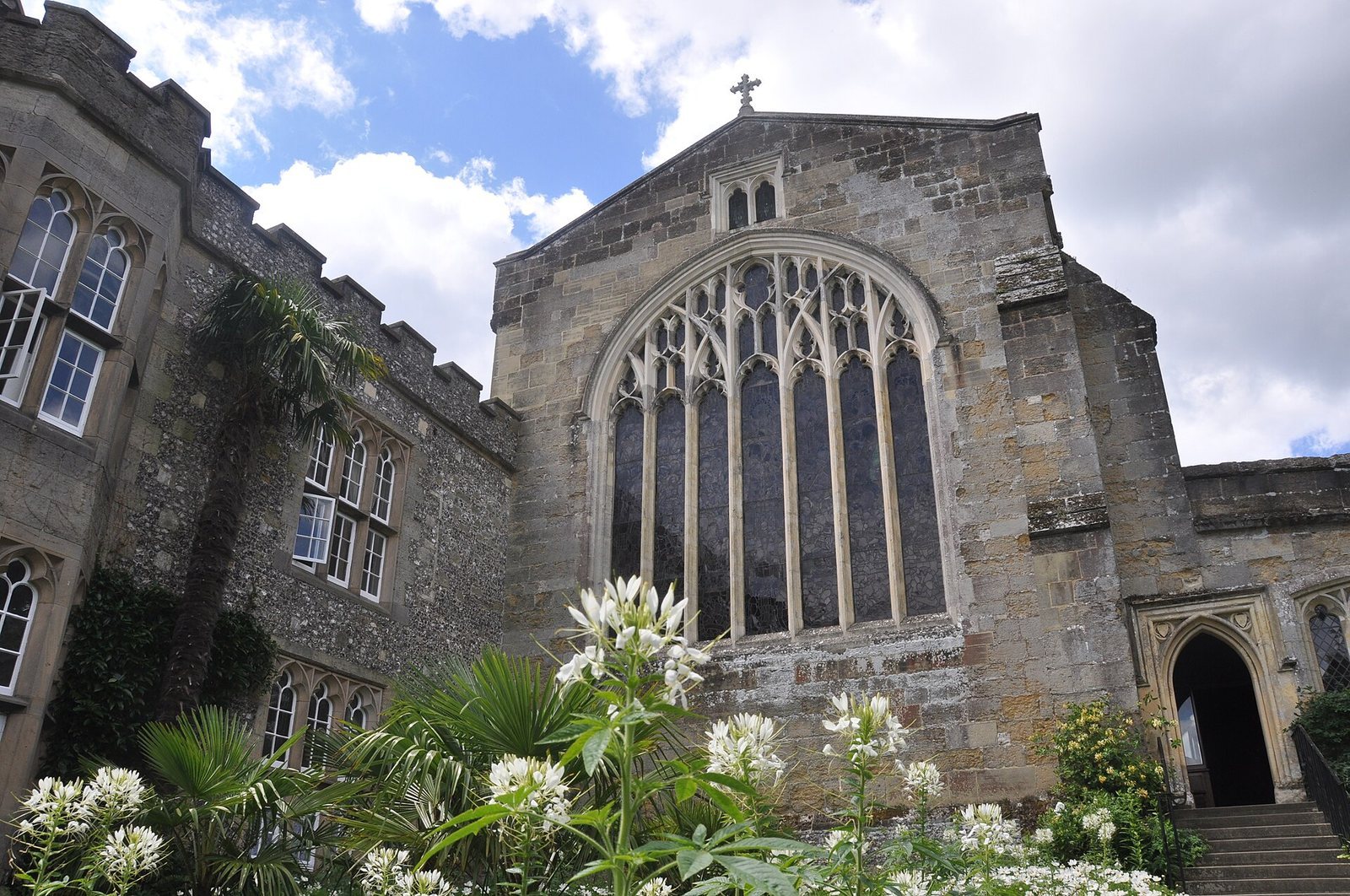
Fitzalan Chapel is a family burial chapel at the eastern end of St Nicholas’s Church, within the western grounds of Arundel Castle in West Sussex, United Kingdom. Built in 1380 as the Collegiate Church of the Holy Trinity, it was a church served by a college of clergy rather than a monastic community. Its Perpendicular Gothic design belongs to a late English Gothic style known for its strong vertical emphasis. The construction was required under the will of Richard FitzAlan, 3rd Earl of Arundel, and commissioned by his successor, Richard FitzAlan, 4th Earl of Arundel.
The chapel served first as a private burial place for the FitzAlan family and later for the Howard family. Many members of both families were buried there, including most of the recently deceased Dukes of Norfolk. Philip Howard’s remains were transferred to the chapel from St Peter ad Vincula in 1624. Mary FitzAlan was first buried at St Clement Danes, and her remains were moved to the chapel decades later.
Siege and divided worship
During the 1643 siege of Arundel Castle in the English Civil War, Parliamentarian cannon badly damaged the chapel. The building remained neglected through the 18th century, when an Anglican parish was established in its western part.
Restoration and later history
Major repairs began around 1837 at the initiative of Bernard Howard, 12th Duke of Norfolk. His successors enlarged and further restored the chapel. In 1879, it was decided that the chapel would remain Catholic rather than become part of the Anglican parish.
John FitzAlan, 7th Earl of Arundel, was originally buried at the Cordeliers church in Beauvais, and his remains were excavated in the mid-19th century. Philip Howard’s remains were exhumed from the chapel and transferred to Arundel Cathedral in 1971, a year after his canonization by Pope Paul VI. On 26 March 1949, the building received Grade I listing, England’s highest category for buildings of exceptional interest.
Remains
The church is divided into two worship areas along an east-west axis. The Catholic chapel occupies the eastern end, while the Anglican church to the west comprises the nave and transepts. William Wynford is believed to have served as the building’s architect and mason.
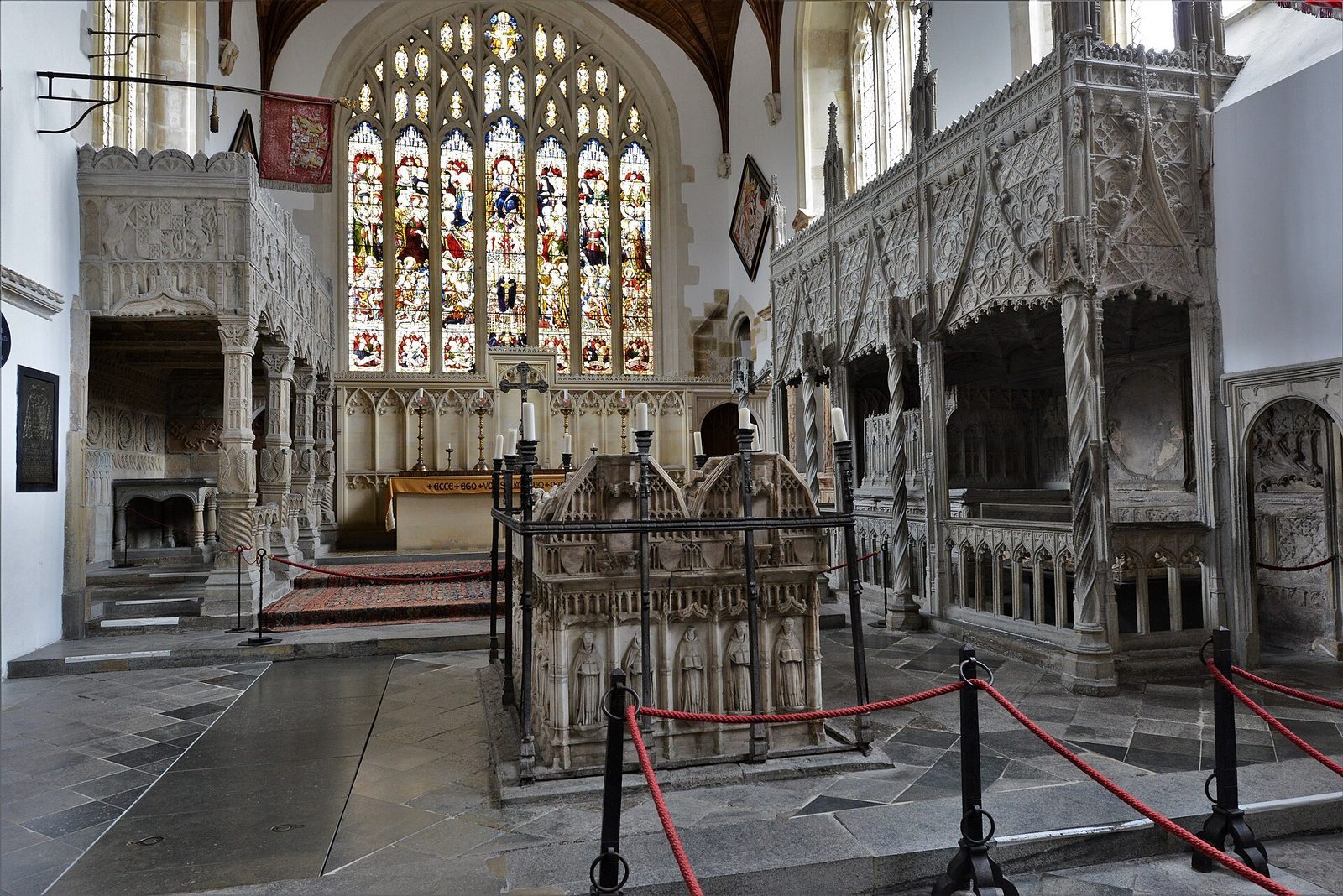
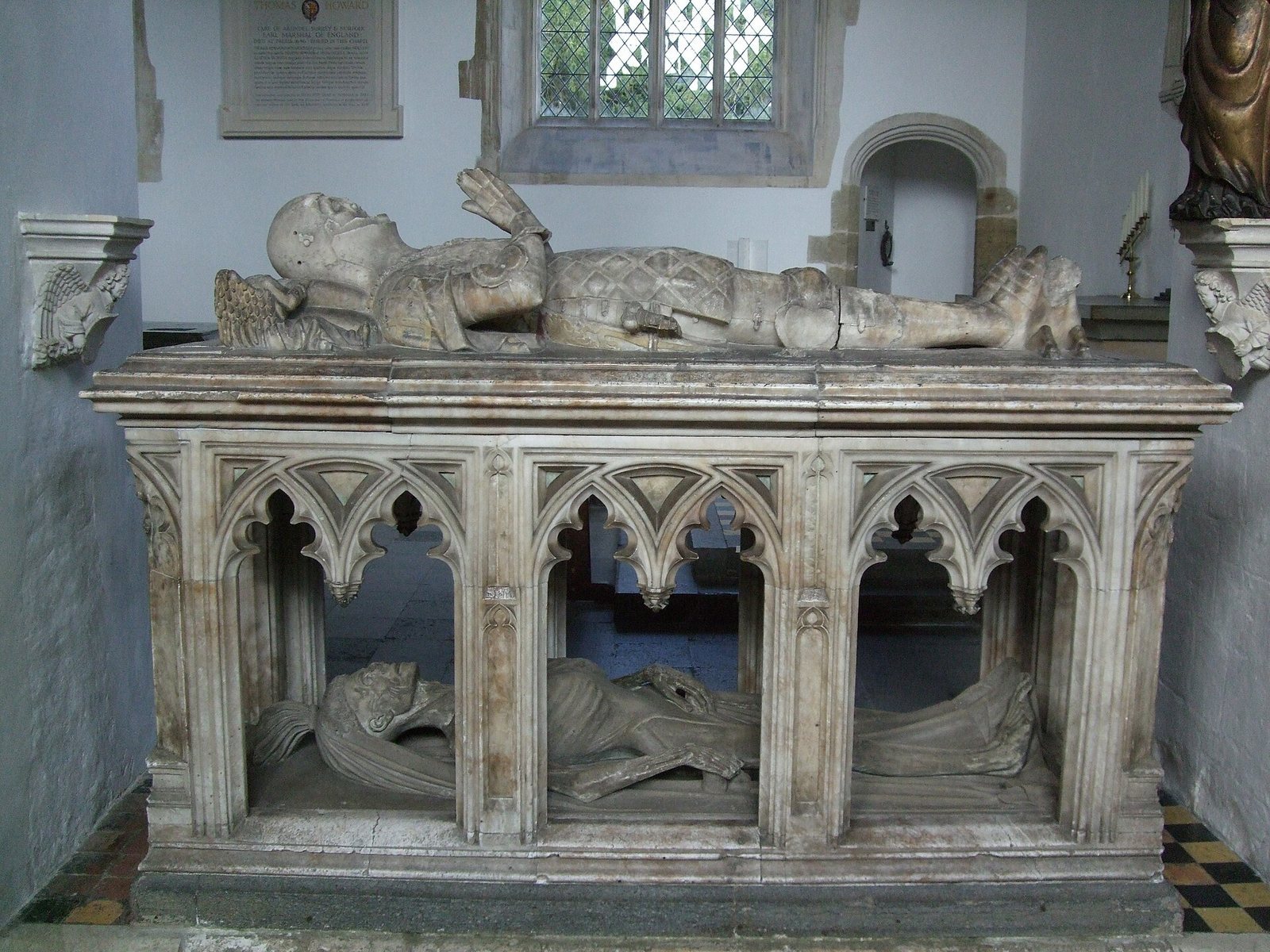
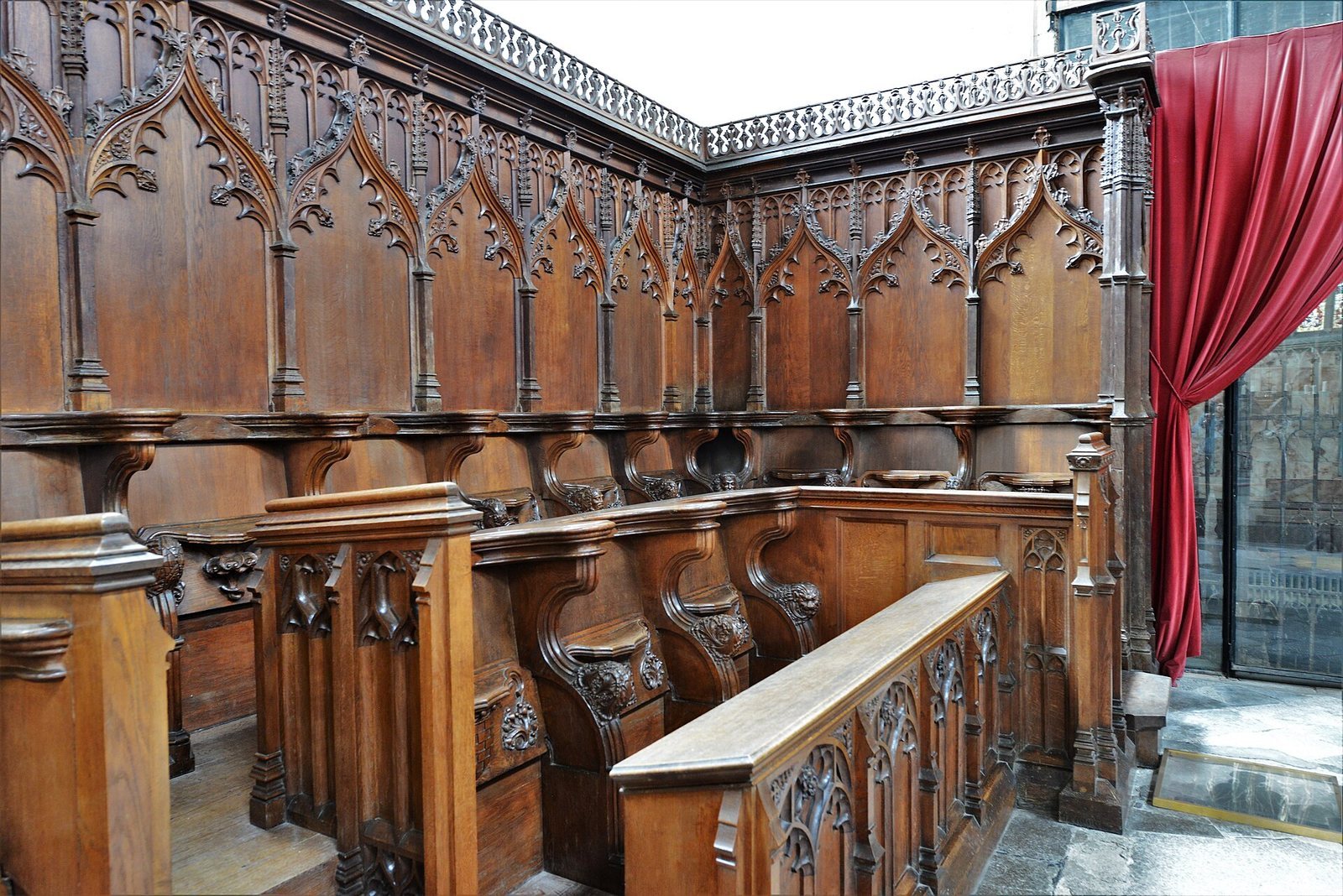
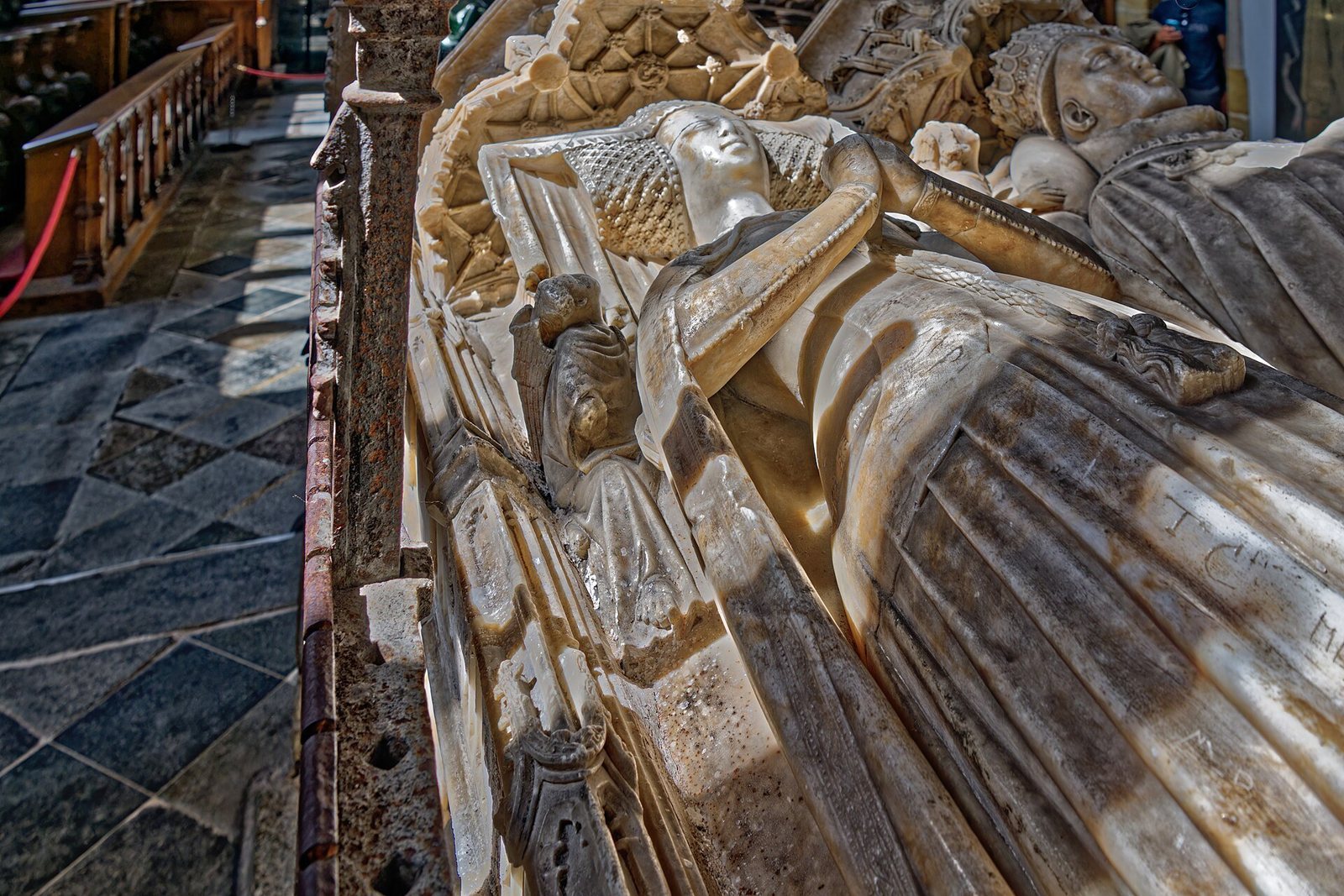
Inside are carved choir stalls, fixed seating for the choir, and a wooden roof. Ornately decorated stone coffins and tombs with sculpted effigies form part of the interior. A cadaver monument, a tomb depicting a corpse, is associated with John FitzAlan, 7th Earl of Arundel.