Yarn Market, Dunster: A Seventeenth-Century Market Shelter
Site at a Glance
- Rating
- 4.6
- Popularity
- Medium
- Country
- United Kingdom
- Primary era
- Early Modern
- Eras represented
- Early Modern
- Civilizations
- English
- Site type
- Economic
- Remains
- Market
On this page5 sections
History
Medieval market
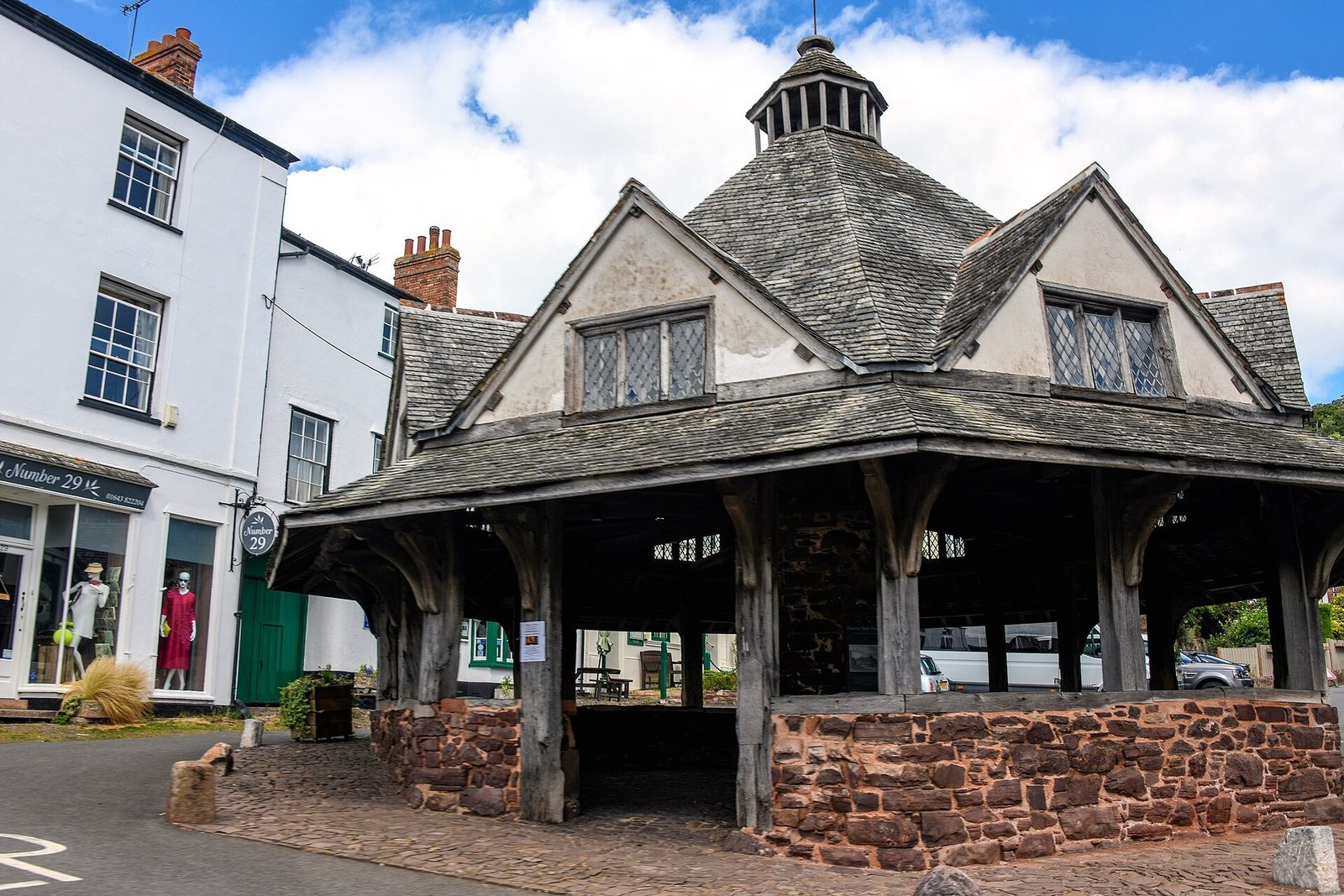
The Yarn Market is an early seventeenth-century market shelter in Dunster, United Kingdom, probably built in 1609 by local lord George Luttrell. Dunster’s market was already established by 1222, and by the thirteenth century the town had become a centre of wool and clothing production. Local makers produced kersey, a type of woollen cloth, and dense woollen broadcloth; a variety known as Dunsters brought profits that helped pay for the Priory Church of St George’s tower and other local improvements. A priory was a religious house governed by a prior.
Dunster’s market grew in importance alongside the castle and priory church, but the town began to lose ground from the fifteenth century, partly as its harbour silted up. The Luttrell family sought to maintain the market. They built the Yarn Market to shelter traders and their goods from rain and to offer them greater security. An older Butter Cross, dating to the fifteenth century, once stood nearby and was moved to the village outskirts in the eighteenth or nineteenth century.
Civil War damage
During the English Civil War, the conflict between King Charles I and Parliament, Dunster Castle was held by Royalists, supporters of the king, under Colonel Wyndham. The castle endured a five-month siege, and cannon fire damaged the Yarn Market. Francis Luttrell restored the building in 1647.
Restoration and protection
In 1951 the Ministry of Works took over the market from the Crown Estate and restored it. The work drew controversy because the roof was reshaped to more closely reflect the building’s earlier appearance rather than later changes. The Yarn Market was made a scheduled monument in 1925 and Grade I listed in 1969; Grade I identifies buildings of exceptional architectural or historic interest, while scheduled monuments receive legal protection for their archaeological or historic importance. It is in the guardianship of English Heritage, a heritage organization, and managed by the National Trust, a conservation charity.
Remains
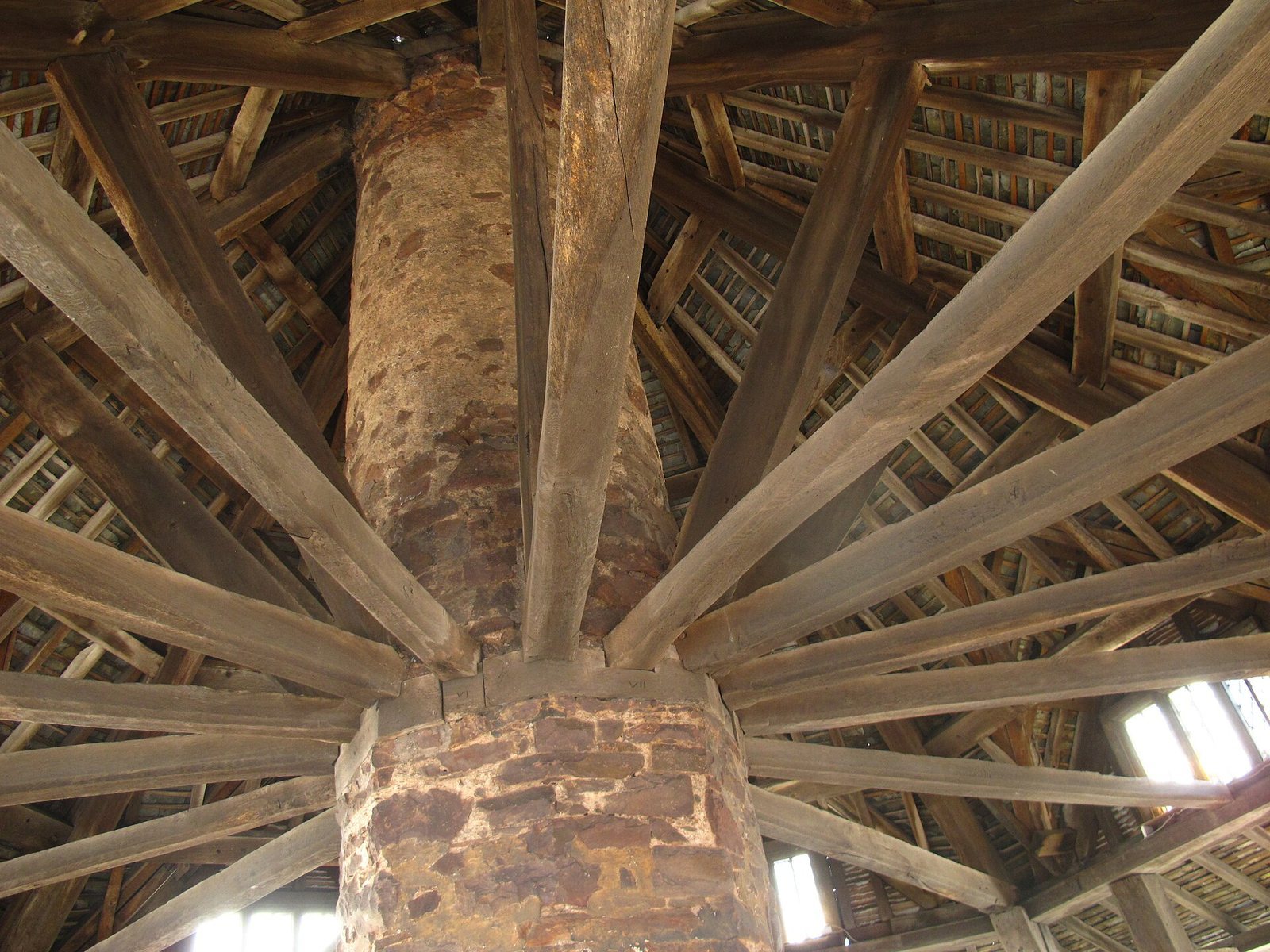
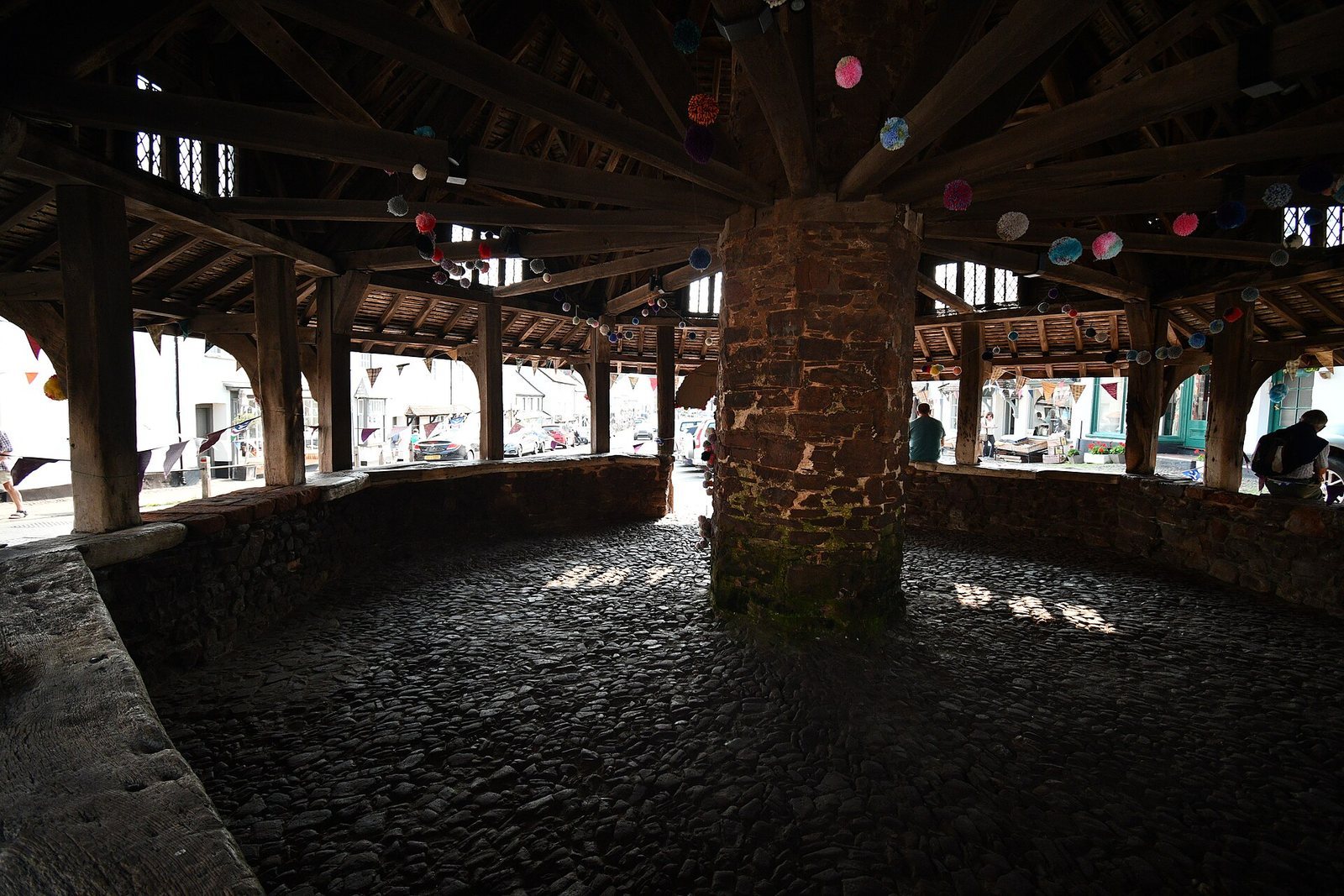
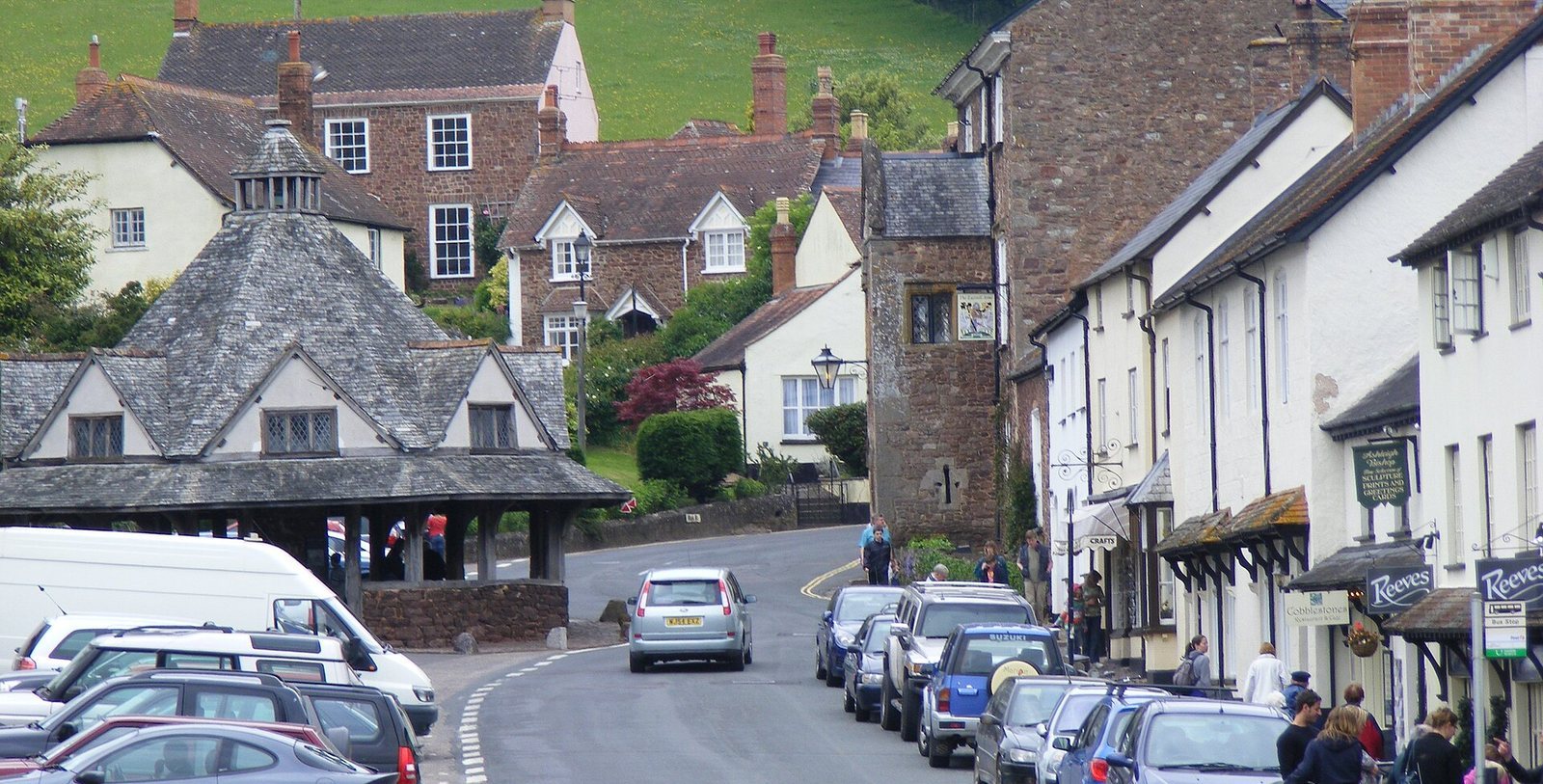
The Yarn Market is an octagonal structure 9.4 metres in diameter, arranged around a central stone pier that carries a substantial timber frame. A slate roof covers the shelter, with a wooden lantern at its centre, topped by a weather vane. Dormer windows interrupt the roof. Around the outside, a low wall and upright timber supports define the perimeter; some supports rest on stone sills and others on timber ones.
A hole left by Civil War cannon fire remains visible in a roof beam. The building also inspired the Rest House on Bournville Village Green in Birmingham, erected in 1914 to mark George and Elizabeth Cadbury’s silver wedding anniversary.