Bersabe: An Ancient Fortified Settlement in Galilee
Site at a Glance
- Popularity
- Medium
- Country
- Israel
- Primary era
- Classical
- Eras represented
- Classical
- Civilizations
- Roman
- Site type
- Settlement
On this page10 sections
History
Bersabe, also known as Beersheba of Galilee, is an ancient hilltop settlement in Galilee, Israel, probably identified with the ruin of Khirbet es-Saba. In the first century CE, it stood on the boundary between Upper and Lower Galilee and was fortified during the First Jewish-Roman War, a revolt against Roman rule that began in 66 CE.
Early settlement and the Galilean boundary
A small village existed at Bersabe in the Israelite Iron Age and the Hellenistic period, which followed Alexander’s conquests and brought Greek political and cultural influence. During the Second Temple period, the era that ended with the Temple’s destruction in 70 CE, it was a Jewish village. The settlement grew into a larger town under Roman rule.
Josephus, a first-century Jewish historian who took part in the revolt against Rome, placed Bersabe at the boundary of Upper and Lower Galilee. He described Upper Galilee as extending from Bersabe, at the Beit HaKerem Valley, north to Baca, identified with Peki’in. Rabbinic tradition likewise placed the boundary near Kefar Hananya. The name Bersabe may derive from wells in the surrounding area. Sheva Junction, also called Hanania Junction, and Sheva Stream take their names from the settlement.
Fortification and the war against Rome
As he prepared for a Roman advance through Galilee, Josephus fortified Bersabe along with other settlements and stored food and weapons there. Its defensible position offered refuge to insurgents and people escaping nearby communities as Roman troops plundered the countryside.
Roman forces eventually destroyed the town, though the fate of its defenders remains uncertain. Josephus describes heavy Galilean losses and says that after Tarichaea fell in the war’s second year, all but two rebel strongholds surrendered. The fall of Tarichaea effectively ended the fighting in Galilee, but Bersabe’s place among the two holdouts is unclear.
Decline and archaeological investigation
Bersabe’s population diminished from the first century CE, although pottery indicates activity at the site continued into the third century. Finds from later periods do not, on their own, establish that a settled community remained there.
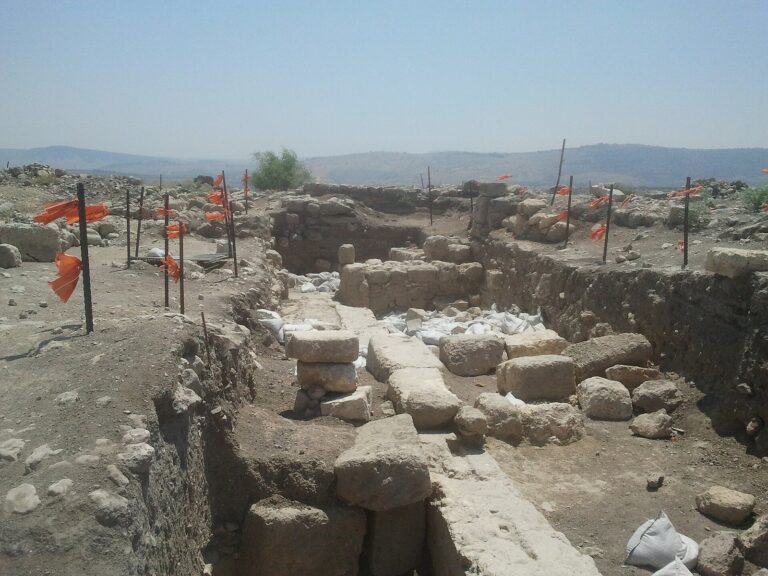
Kitchener and Conder visited Bersabe in 1873 during a survey for the Palestine Exploration Fund, a British organization established to study and survey the region. Excavations took place in 1976, 1985, 2000 and 2004, including work by archaeologist Mordechai Aviam. The 1985 excavation exposed a fortified area of about 60 to 70 dunams. The Institute of Galilean Archaeology also surveyed an ancient Jewish cemetery at the site.
Remains
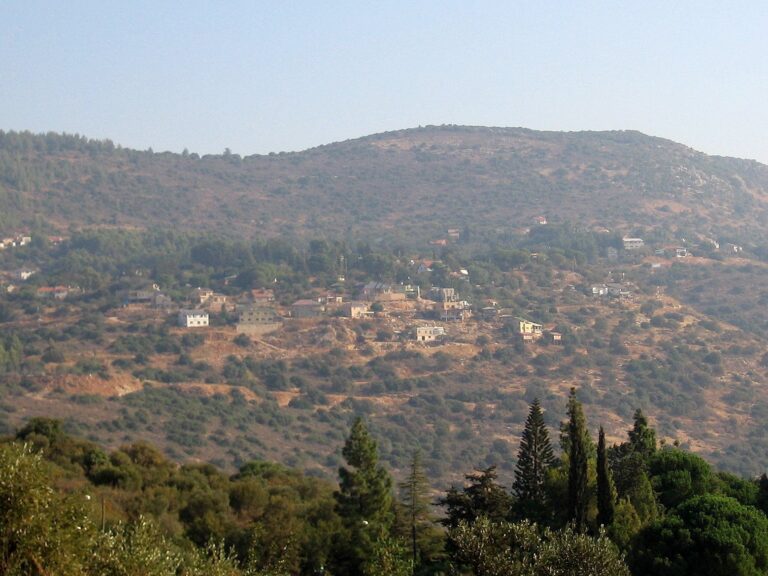
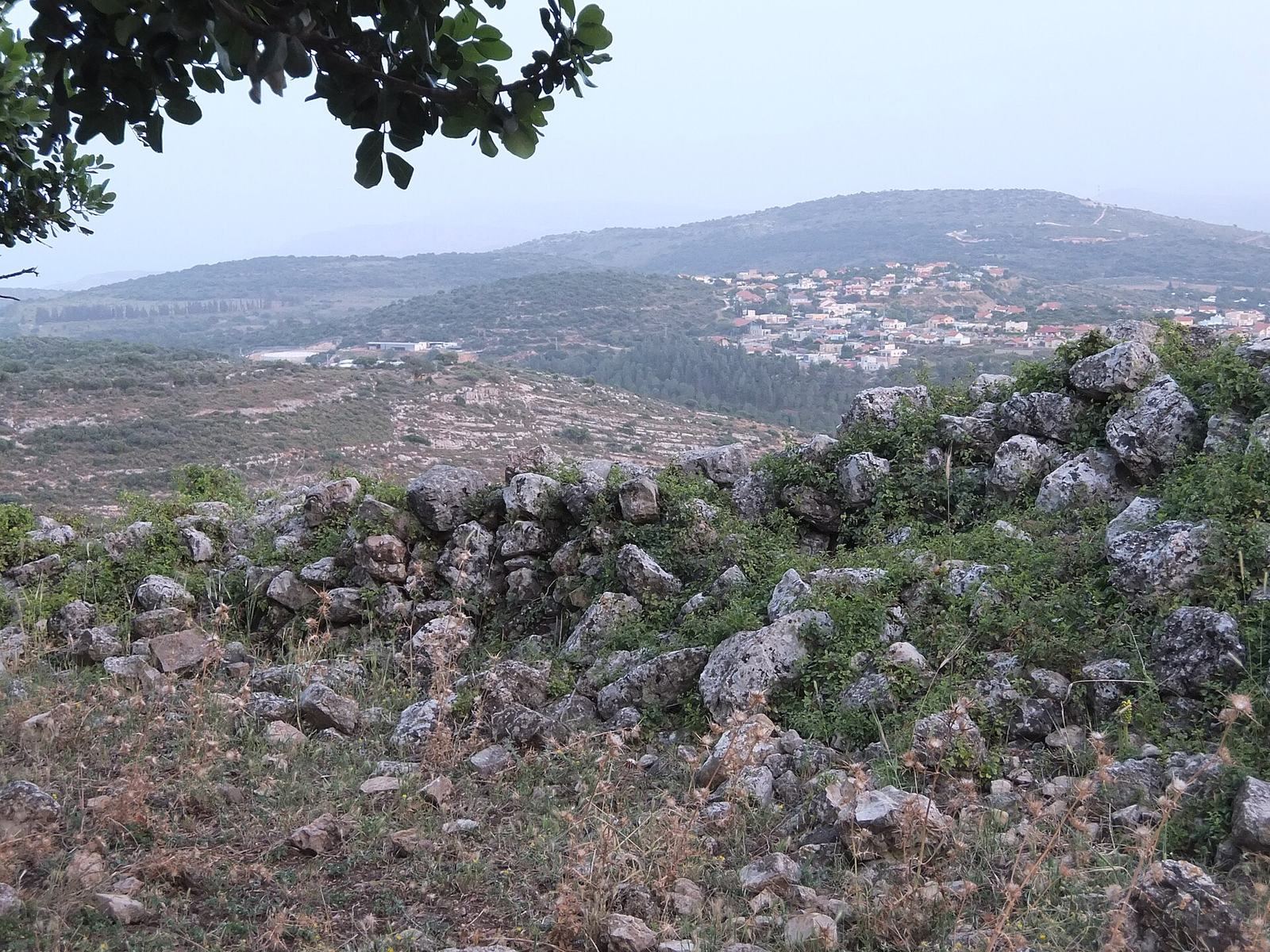
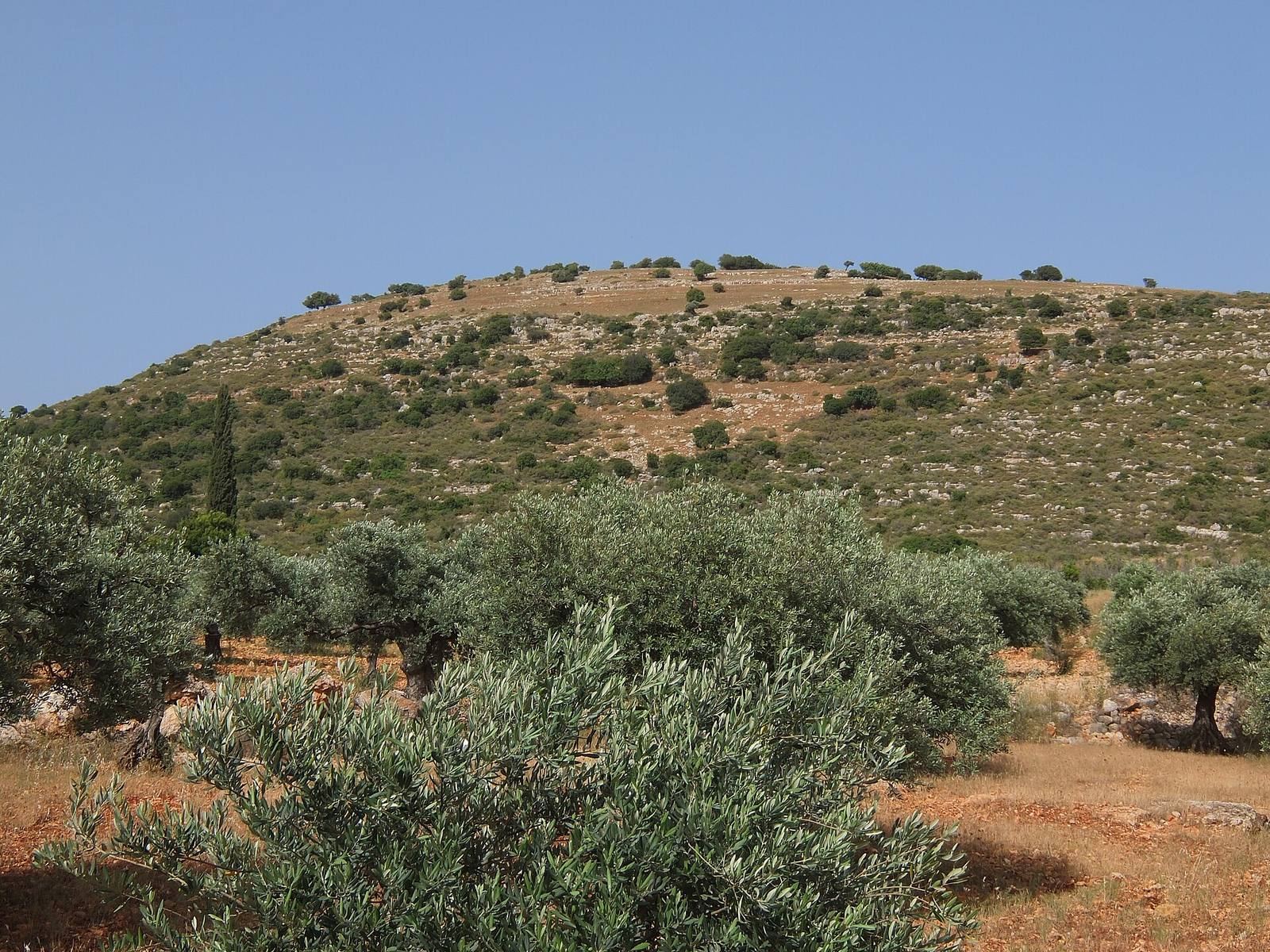
Bersabe occupies about 70 dunams, or 17.3 acres, on a steep hill at the eastern edge of the Beit HaKerem Valley. The summit is about 472 metres above sea level and rises more than 100 metres above the valley. The hill overlooks the route from the Acre Valley into Galilee, now Route 85. From Mount Kefir in the Mount Meron range, the settlement’s roughly square plan and wall lines can be distinguished.
Fortifications
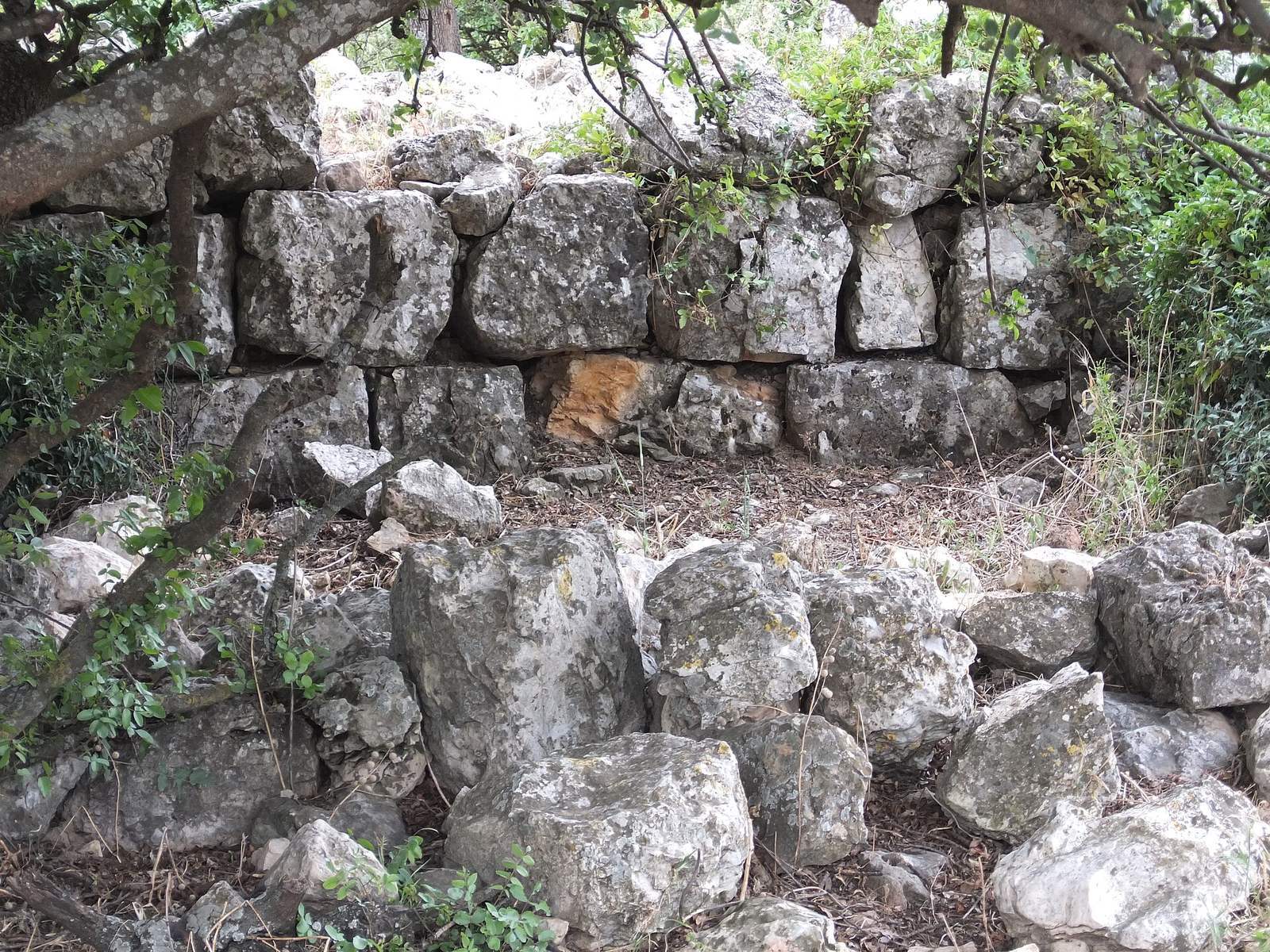
The principal line of defense enclosed the hill’s upper third. Built from local fieldstones, the northern wall, on the more accessible side, was about 2.8 metres thick and incorporated three semicircular watchtowers. The eastern wall followed a zigzag course.
Hilltop structures and features
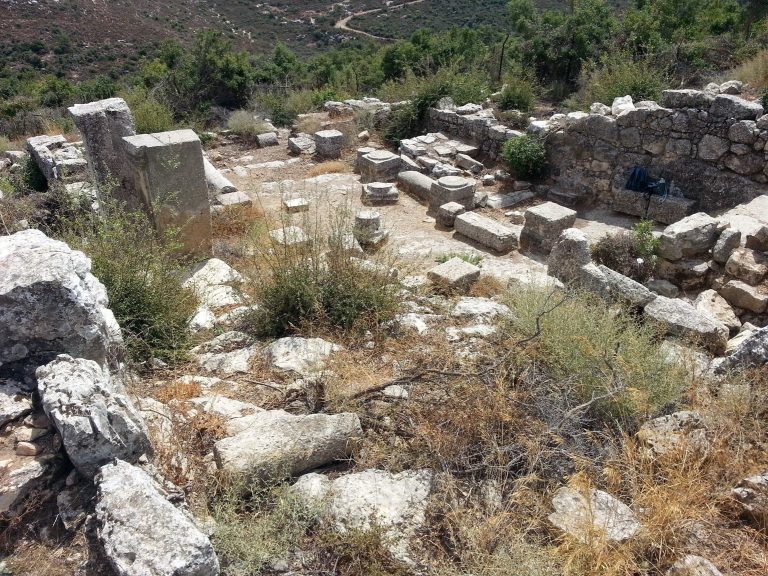
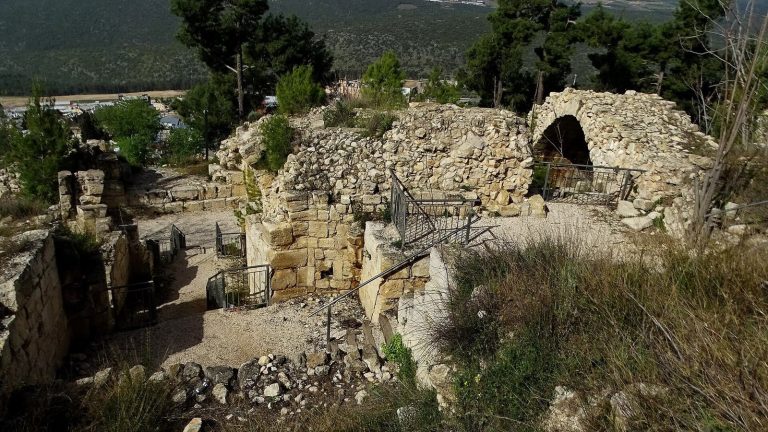
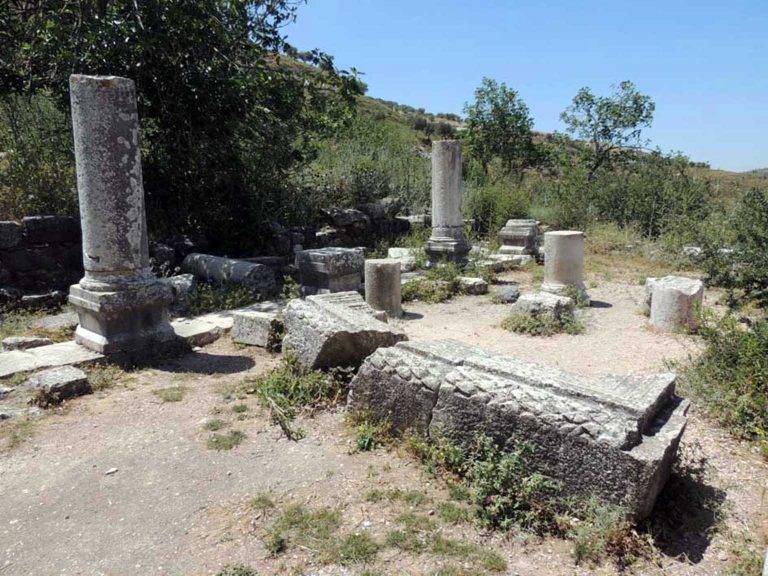
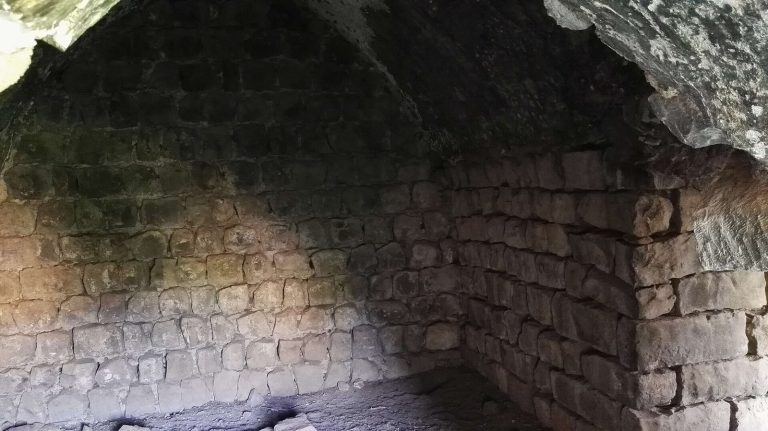
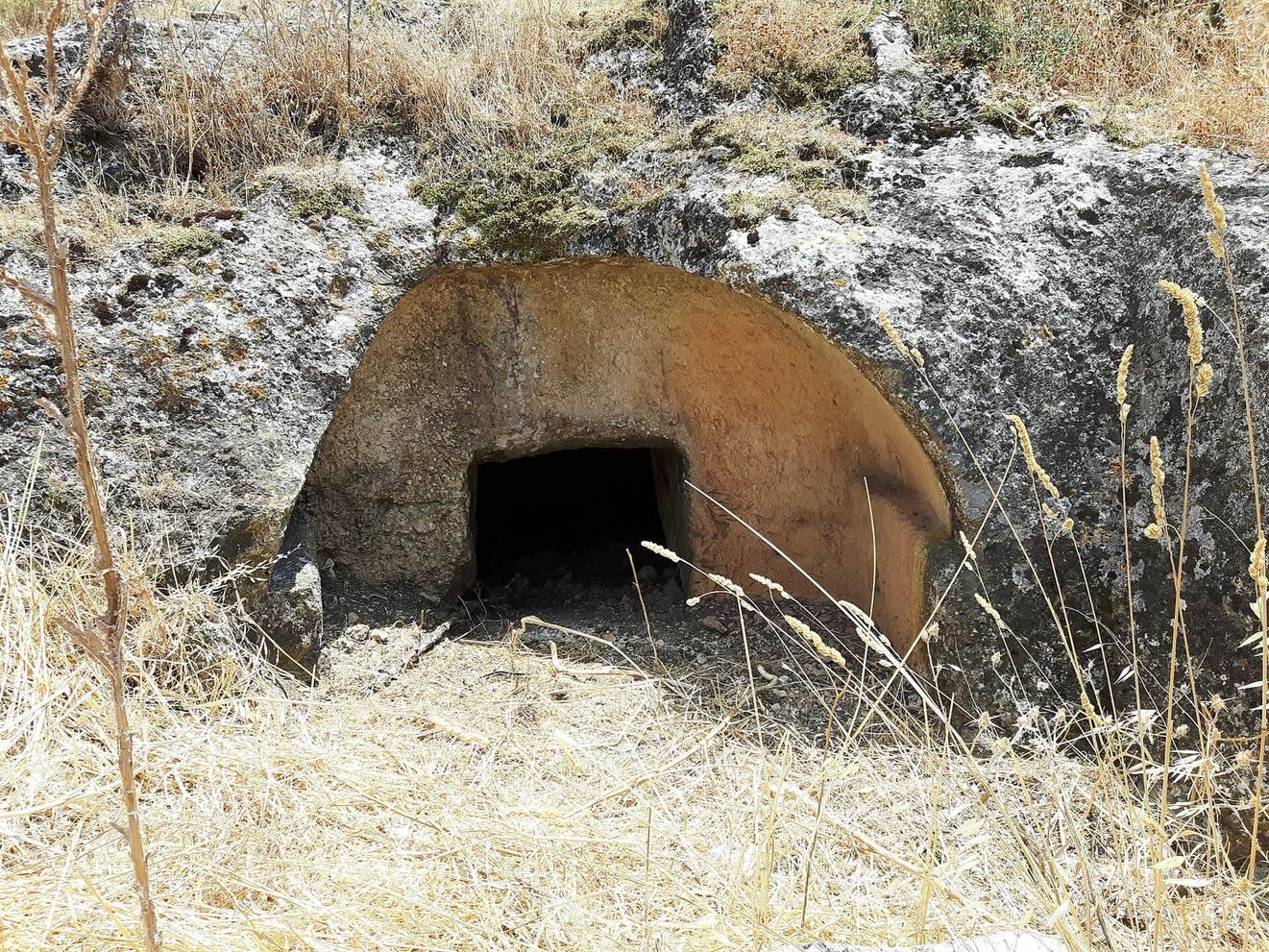
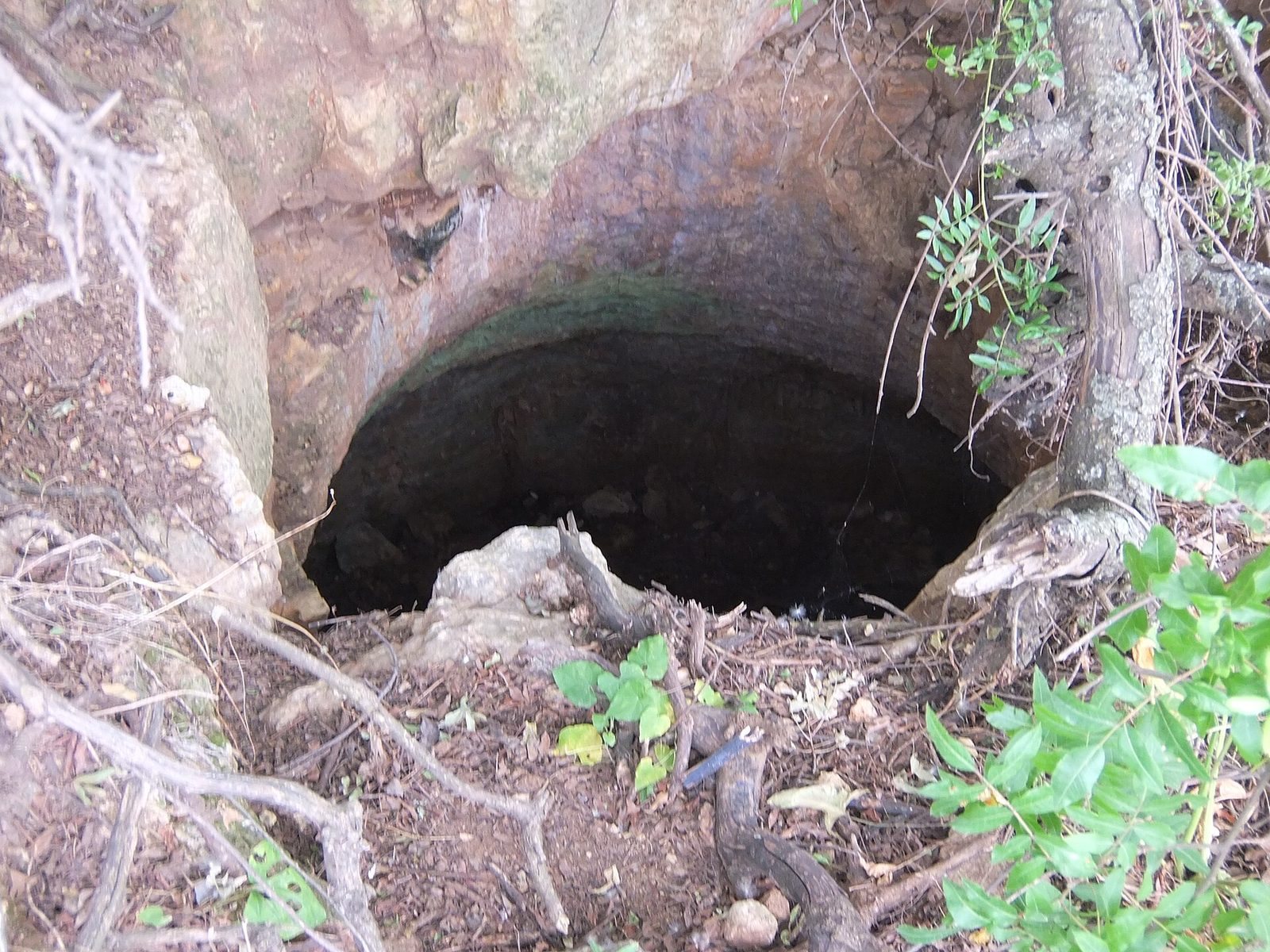
Some of the ruined buildings on the summit may belong to the fortress Josephus built. Other leveled structures and rock-cut cisterns are scattered across the hill, alongside karstic caves formed as water dissolves limestone and a rock-cut tomb. The site is in ruins.
Archaeological finds
Pottery and coins
Pottery fragments come from the Iron Age, the Persian imperial period, the Hellenistic and Roman periods, the Byzantine period of the eastern Roman Empire, and the era of Arab-Muslim rule. Coins date from the fourth century BCE to the second century CE. Excavated material includes large quantities of Galilean Coarse Ware, a coarse pottery type found in Galilee, as well as other Hellenistic and Early Roman pottery.
Bronze and ceramic objects
A fragmented bronze base and the preserved foot of a statuette depicting Apis, a sacred bull deity in ancient Egyptian religion, were found at Bersabe. The base carries an inscription in three scripts: Hebrew or Aramaic, Egyptian hieroglyphs and Greek. A ceramic loom weight was also recovered.