La Bastida de les Alcusses: An Iberian Settlement in Spain
Site at a Glance
- Popularity
- Medium
- Country
- Spain
- Primary era
- Iron Age
- Eras represented
- Iron Age
- Civilizations
- Iberian
- Site type
- Military
- Remains
- Fortified Town
On this page16 sections
History
La Bastida de les Alcusses is an Iberian settlement in Spain, occupied from the late fifth into the fourth century BC. The Iberians were ancient peoples of the eastern and southern Iberian Peninsula, organized in distinct communities. The settlement’s short occupation and good preservation have made it one of the principal Iberian archaeological sites in the Valencian Community.
Iberian occupation and society
People lived at La Bastida for about three or four generations before the settlement was destroyed around 330 BC. Greek pottery with a black glaze helps establish its chronology. Agriculture and animal husbandry supported daily life. Crops included dry-farmed barley, wheat and millet, as well as broad beans, peas, olives, grapes, almonds and figs. Sheep and goats were the most common livestock; people also kept cattle and pigs. Animals provided food and materials, while cattle were used for ploughing and transport.
Hunting provided rabbits, hares, deer, wild goats and wild boar, and fishing took place in the nearby Canyoles River. Trade also formed an important part of the settlement’s economy, linking its inhabitants with wider Mediterranean exchange. Silver was refined from silver-bearing lead, and weights and balances were used in transactions and accounting.
The community was socially divided, with farmers, traders, craftspeople and warriors living alongside one another. Differences in status and wealth were reflected in homes and possessions. Women of high rank may have managed households and perhaps land. The association of swords with ploughs has also been interpreted as a possible sign that some warriors controlled good farmland.
The settlement’s end was rapid and violent. Fire remains, weapons and personal ornaments left in the streets, and blocked gates point to a sudden destruction. Its cause is uncertain, but conflict between Iberian groups, either local or from farther away, is considered possible. Competition over routes between the coast and Spain’s central plateau, as well as agricultural land in the Canyoles valley, may have contributed.
Archaeological study and protection
Luis Tortosa identified the site in 1909 and brought it to the attention of Isidre Ballester, a Valencian archaeologist who believed its scale required institutional support. Excavation began on 1 July 1928 under the Valencia Provincial Council’s newly established Prehistoric Research Service and Prehistory Museum. Four campaigns between 1928 and 1931 uncovered 250 rooms. The first hundred excavated rooms were published in the 1960s.
Excavation resumed in the 1960s. From 1990, the Valencia Prehistory Museum renewed work through excavation, conservation and presentation projects, alongside educational activities. Investigations continued in the 1990s and into the twenty-first century. In 1931, La Bastida was declared a Historic-Artistic Monument and placed in the archaeological-zone category of Spain’s Asset of Cultural Interest.
Remains
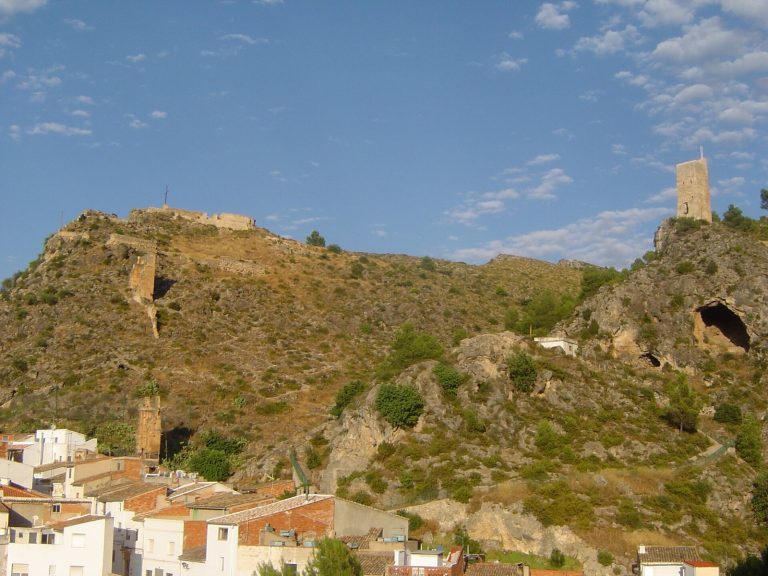
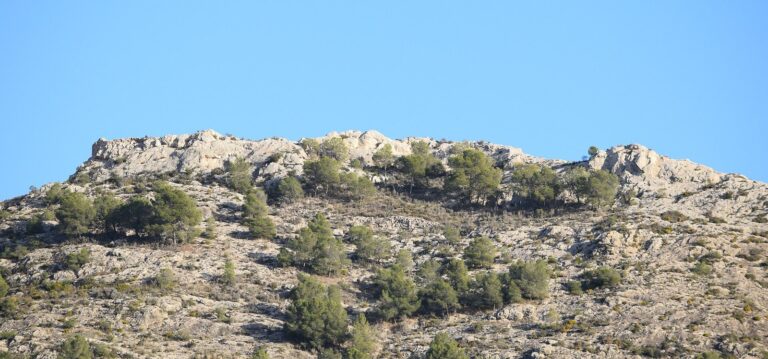
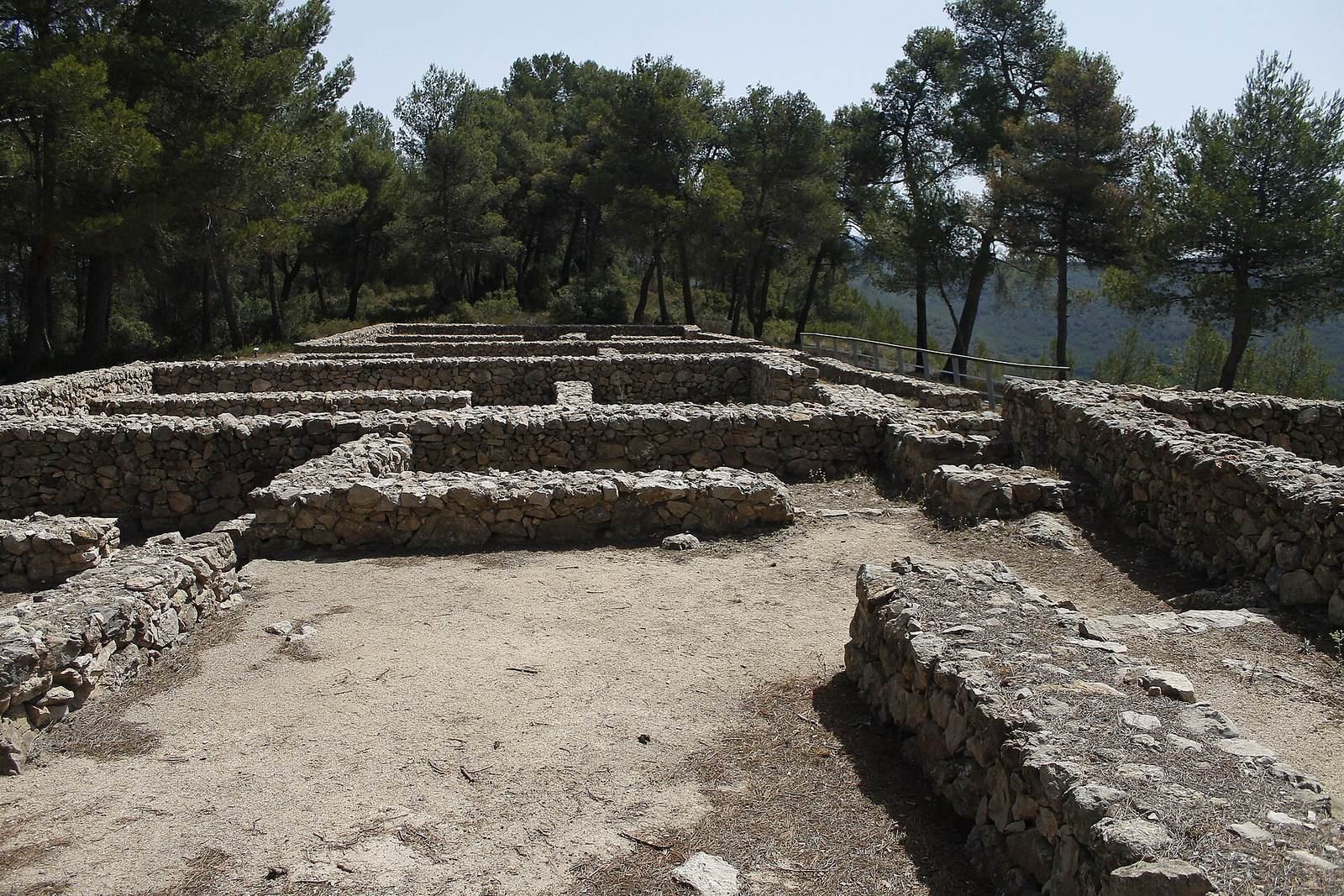
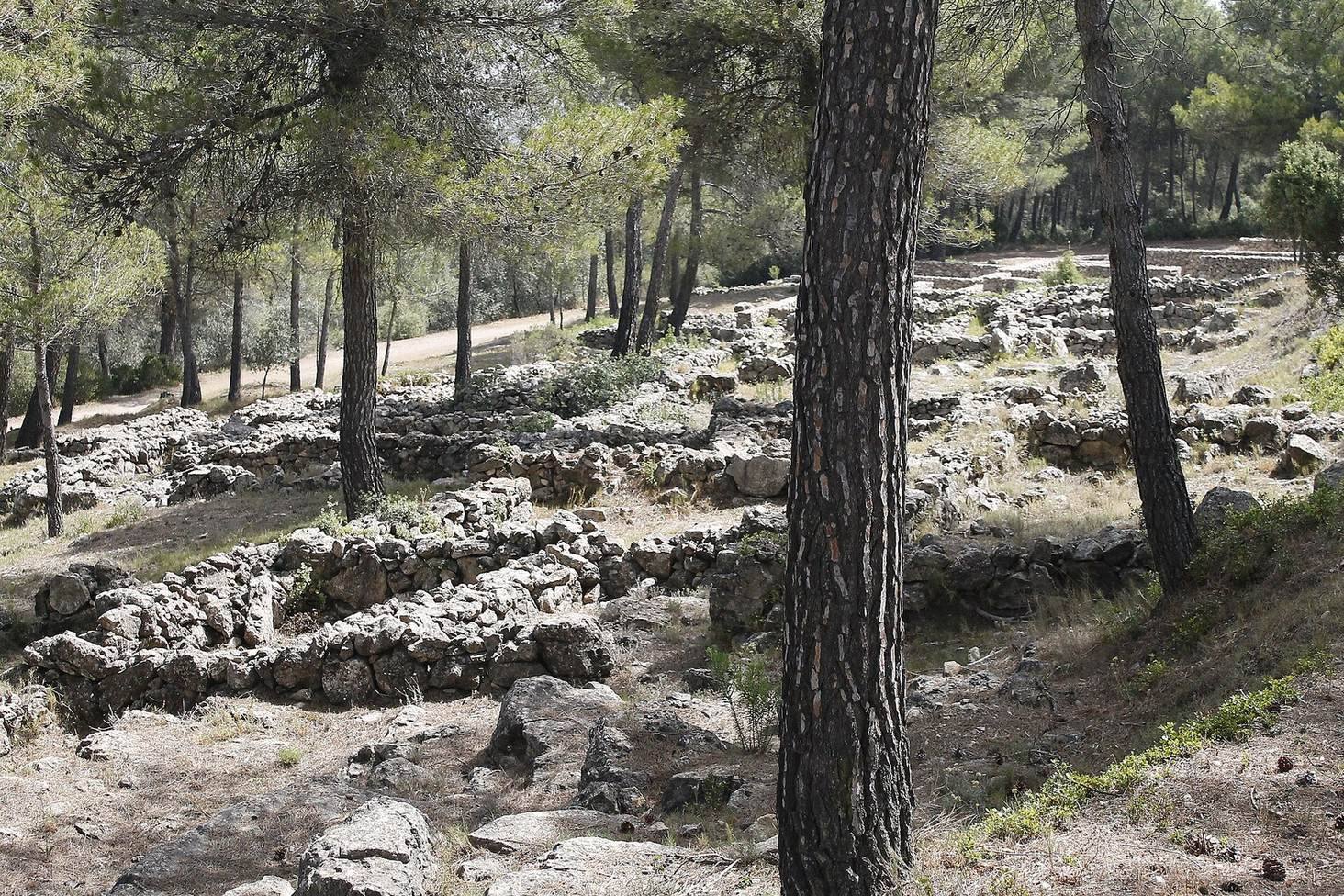
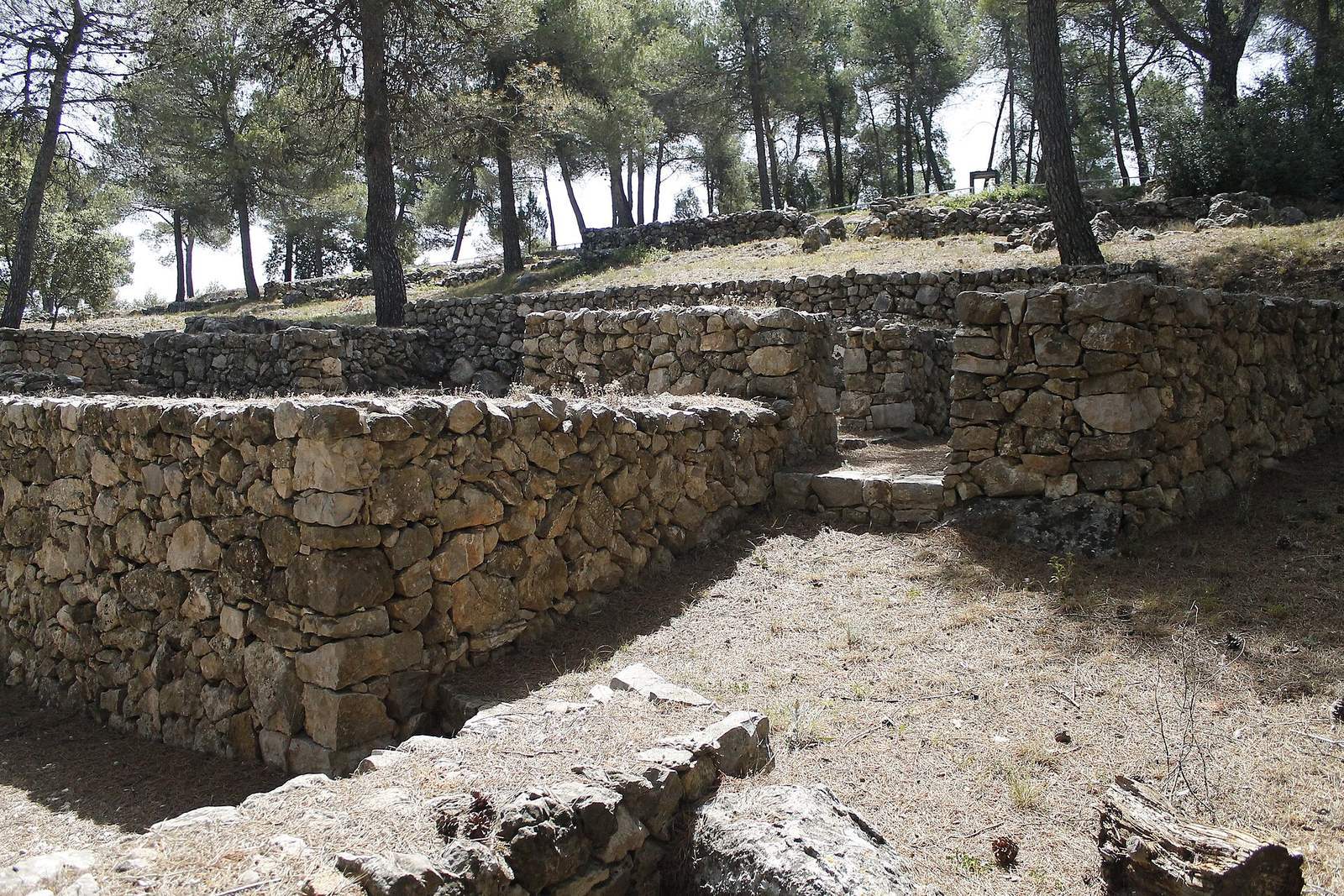
The settlement occupies an isolated, elongated hill at the southwestern end of the Serra Grossa, 741 m above sea level and about 200 m above the surrounding land. It extends roughly 650 m by 150 m and covers about 3.5 hectares. The raised Pla de les Alcusses provides access to the hill and gave the site its name. Pine woodland and Mediterranean scrub surround it, while cultivation has altered some parcels on the plain. Within the settlement, an east-west street and crossing lanes organized buildings, plazas and a central communal granary. Stone bases supported walls built above in adobe, or sun-dried earth brick.
Defensive system
Wall and towers
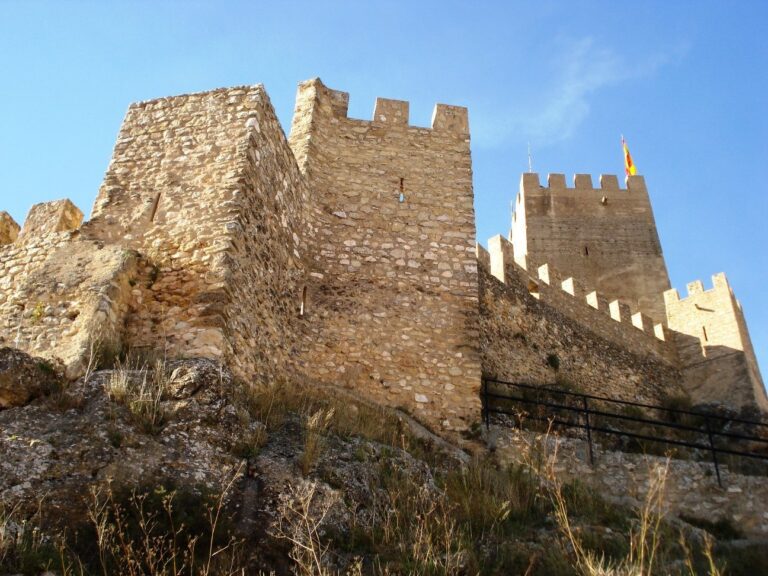
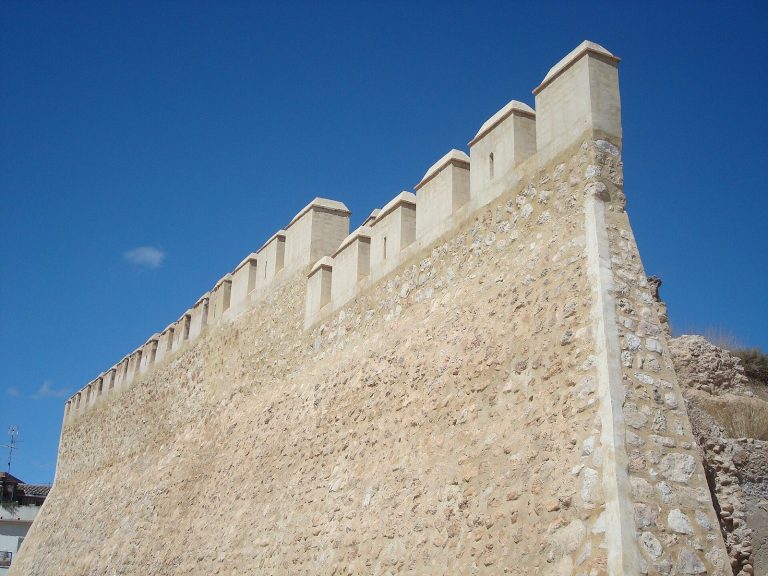
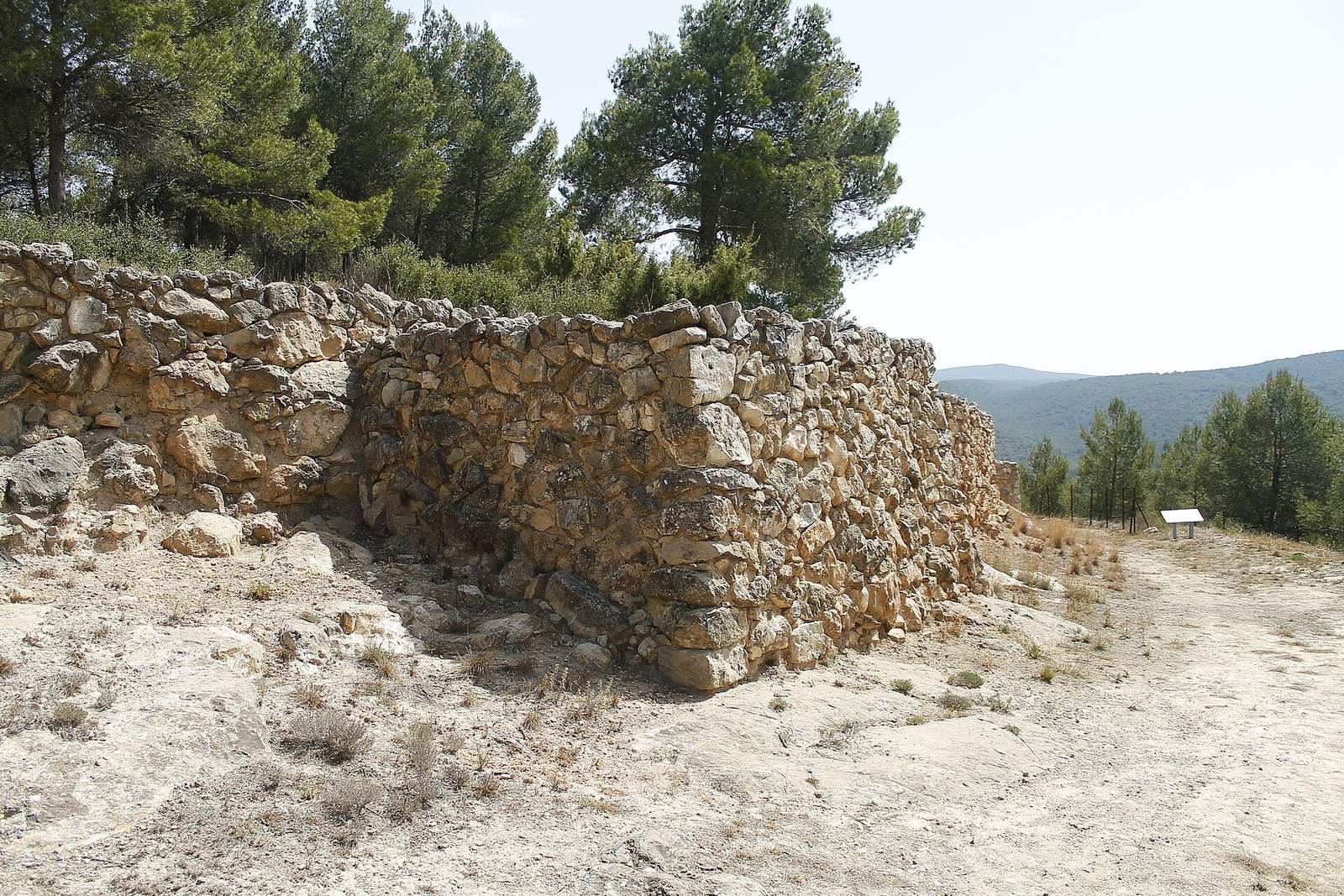
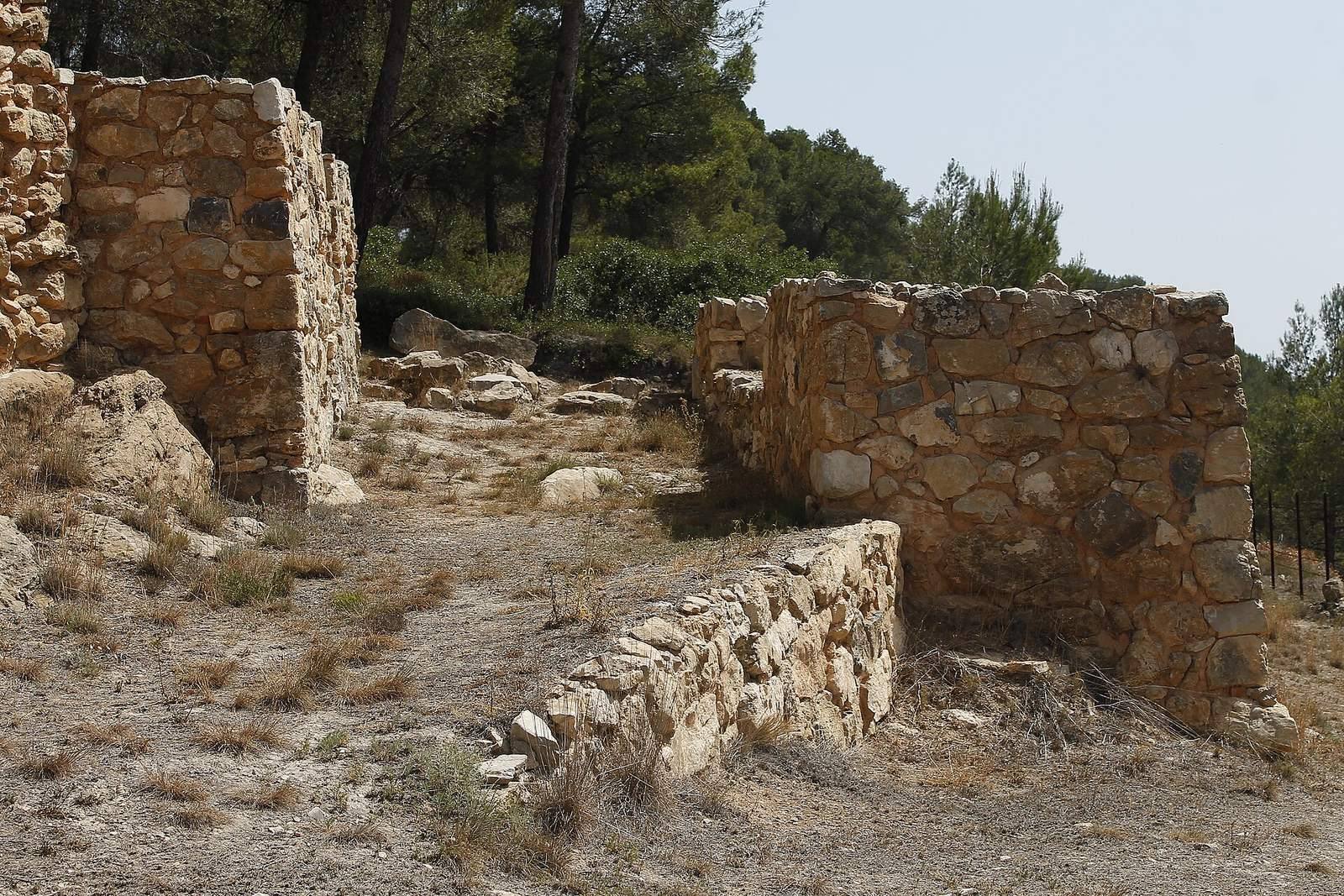
A defensive wall enclosed the settlement and was more than 3 m thick at its most accessible and vulnerable points. Two towers stood at the western end near the principal gate. The lower stonework of the walls survives, while their upper sections were built of adobe. A wall-walk provided movement along the wall, towers and gates.
Gates
Four gates gave access to the town, three on the western side and one at the eastern end. The eastern gate was about 1.5 m wide; the northern, western and southern gates were about 2.5 m wide. Their covered gatehouses had benches along the sides, perhaps for guards or for controlling goods. Each gate had two wooden leaves made from boards joined by iron straps. The northern and southern gates had been blocked by the time of the settlement’s destruction.
Additional enclosures
An unfinished enclosure on the more accessible eastern side enclosed about 1.5 hectares and appears to have been planned to strengthen control of access. Outside the western end, a separate area may have had weaker defences and served as a refuge for people from the surrounding region.
Streets and buildings
Street plan and granary
A central street ran east to west through the settlement, with secondary streets crossing it to organize the areas on either side. Open areas served as plazas, and a communal granary stood in the town centre.
Houses and household work
Houses generally covered 70 to 150 m² and comprised several rooms; some included courtyards. Builders used adobe bricks above stone foundations, as in the walls and gates. Facades and interiors were whitewashed and sometimes painted. The houses had one storey, with accessible flat roofs sloped slightly to drain water. A hearth occupied the central part of each home and served as a gathering place for family life. Other rooms were used for storage, milling, metalworking, weaving and crafts. A life-size replica of an Iberian house has been built just outside the settlement using period materials and techniques.
Archaeological evidence
Earlier occupation
In 2010, excavators found an earlier settlement beneath the western gate, showing that the hill had been occupied before the walled town was built.
The Bastida I tablet
The lead tablet known as Bastida I measures 180 by 40 mm and is 1 mm thick. Found during the 1928 excavations in room 48, it had been rolled beneath a millstone. Both faces carry the Southeast Iberian script, a writing system used in parts of the peninsula. The text appears to be an account or receipt, pairing names with quantities and crossing out some entries.
Tools and evidence of exchange
Finds include wooden ploughs reinforced with iron ploughshares, billhooks, sickles, hoes and rakes, alongside fishhooks, weights and balances. Small silver and bronze ingots also provide evidence of metalworking and exchange. Large transport jars carried fish products and salted fish from the Strait of Gibraltar, while plates and drinking cups came from Athens. Iberian potters sometimes made local versions of imported tableware. Weapons and shields placed as offerings at the principal western gate point to the symbolic importance attached to a complete set of arms.
The Warrior of Moixent
The bronze figure known as the Warrior of Moixent depicts a naked man with a horse, a curved sword, a small round shield and a helmet topped by a large plume. The figure and its equipment have been interpreted as signs of high status and power, and as representing a prominent warrior or rider.