Fetislam: An Ottoman Fortress on the Danube
Site at a Glance
- Popularity
- Medium
- Country
- Serbia
- Primary era
- Early Modern
- Eras represented
- Early Modern, Modern
- Civilizations
- Habsburg, Habsburg Austria, Ottoman
- Site type
- Military
- Remains
- Fort
On this page10 sections
History
Early settlement and Ottoman foundation
Fetislam is an Ottoman fortress on elevated ground beside the Danube in Serbia, a few kilometres upstream from Kladovo. The area had prehistoric settlement and later included the ancient town of Zanes. A medieval predecessor called Novigrad, meaning New Town, was established there before Hungarian forces destroyed it in 1502.
In 1524, after Turn-Severin was destroyed, Sultan Suleiman the Magnificent ordered the settlement rebuilt as a stronger Ottoman fortress. Ottoman commander Bali-beg directed the work. The stronghold supported campaigns against Hungary, including operations in Severin and Transylvania, and formed part of a Danube defensive line with Smederevo, Kulič, Ram, and Golubac. Fetislam means protection of Islam; the fortress was also known as Novigrad and Kladovski Grad.
Raids and eighteenth-century expansion
In 1591, armed irregulars known as hajduks, sent by Mihajlo, the ruler of Wallachia, captured and plundered the town. The settlement was deserted as Christians withdrew for fear of an Ottoman attack, although the Ottomans kept the fortress. A new town grew to its right. The name Kladovo appears for it during the Austro-Ottoman War of 1688–1690.
During conflicts between Austria and the Ottoman Empire in the early eighteenth century, the fortress again gained strategic importance. The Greater Town was built around the existing smaller fortification between 1717 and 1739. Around 1818, connecting defensive walls strengthened its defenses.
Serbian and Ottoman control in the nineteenth century
After Negotin fell, Ottoman forces surrendered Kladovo to the Serbian army without a fight in late 1810. They retook it in 1813, also without fighting, and began rebuilding the fortress. During the first half of the nineteenth century, it served as an Ottoman stronghold for maintaining Ottoman authority in Serbia.
Prince Miloš Obrenović began a campaign to free Kladovo in 1824. The town was liberated in 1833, but the fortress remained under Ottoman control until 1867. Serbs then called it Svetislav. That year, the Ottomans handed it to Prince Mihailo Obrenović along with six other fortified towns.
Investigation, restoration, and protection
Archaeological investigation and conservation took place in 1973–1977 and 1981–1984, during the construction of the Đerdap II hydroelectric plant. Conservation remained incomplete in the 1980s. A comprehensive restoration begun in 2020 was completed by April 2023. Serbia recognizes Fetislam as a cultural monument of great importance; it entered the heritage register in December 1982.
Remains
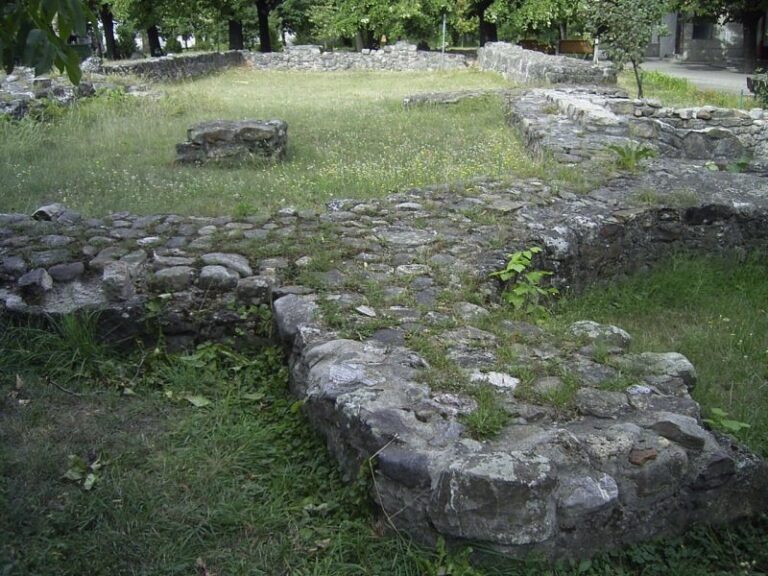
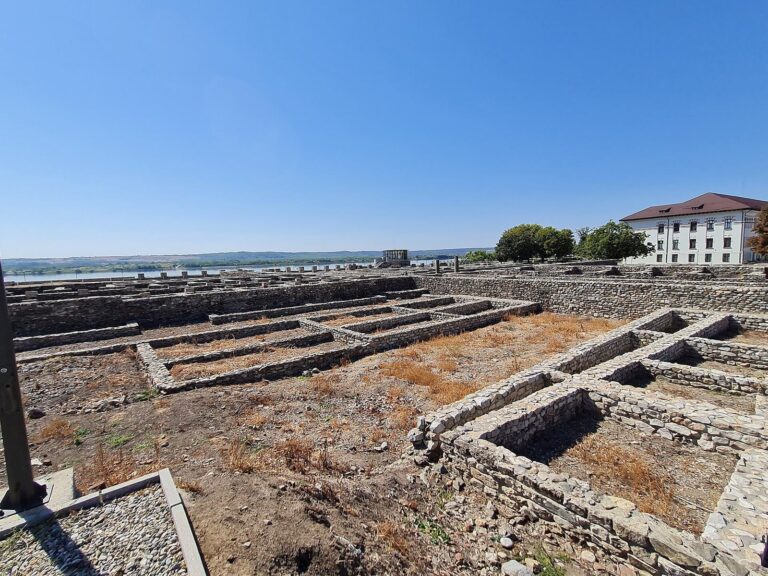
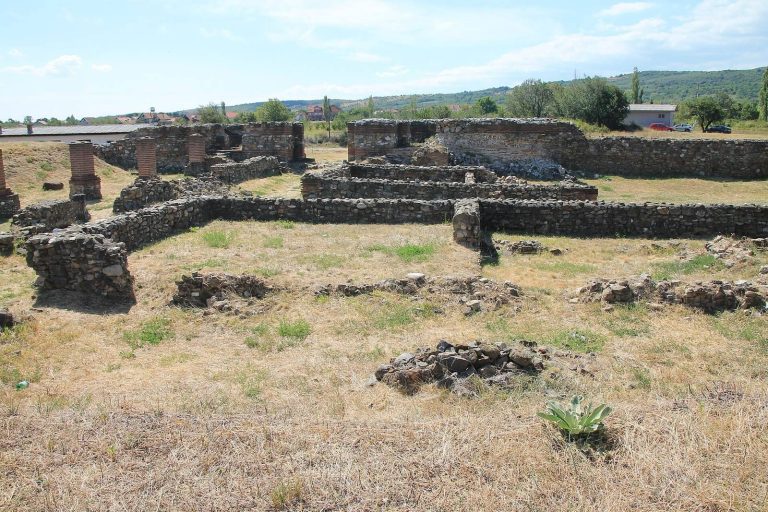
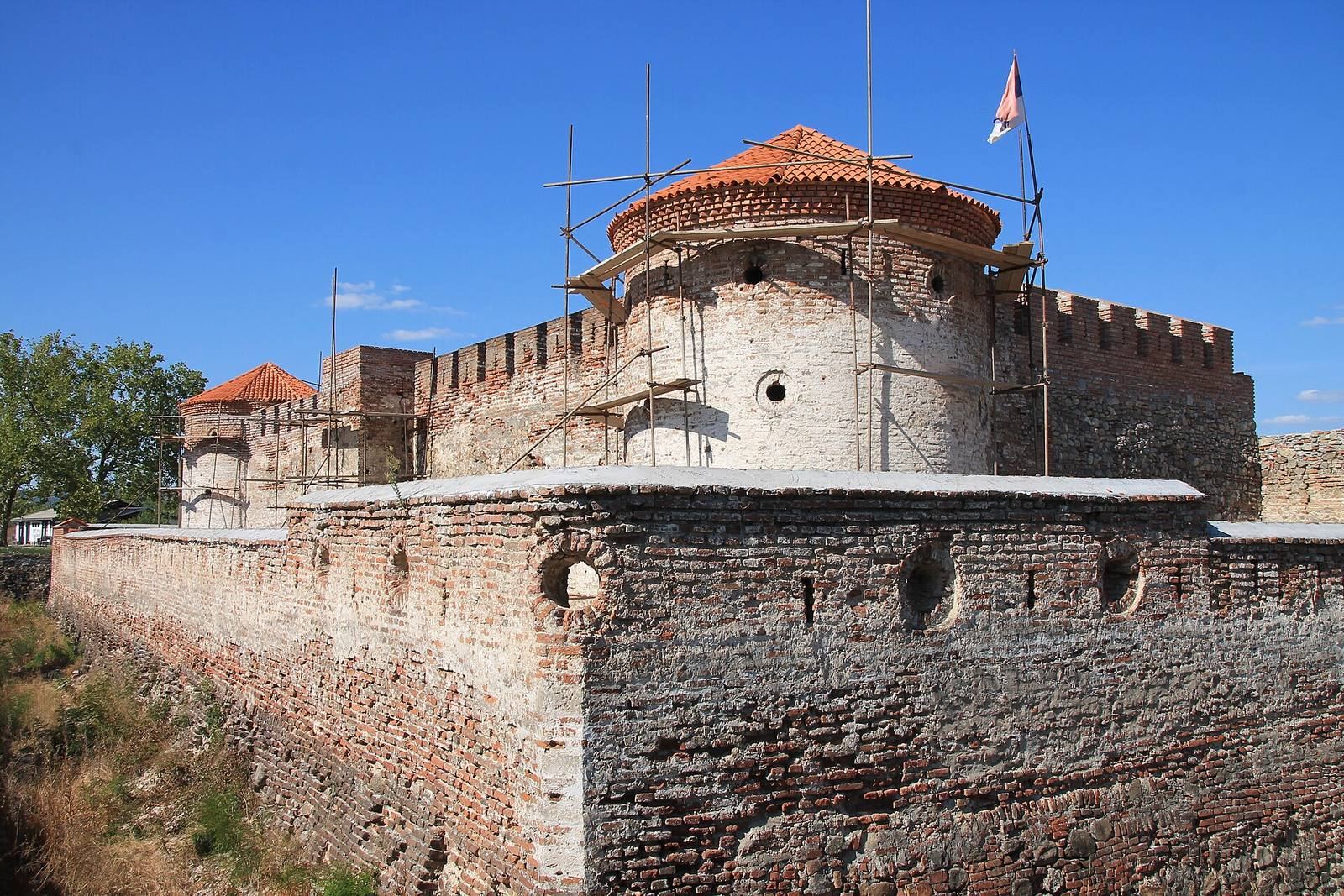
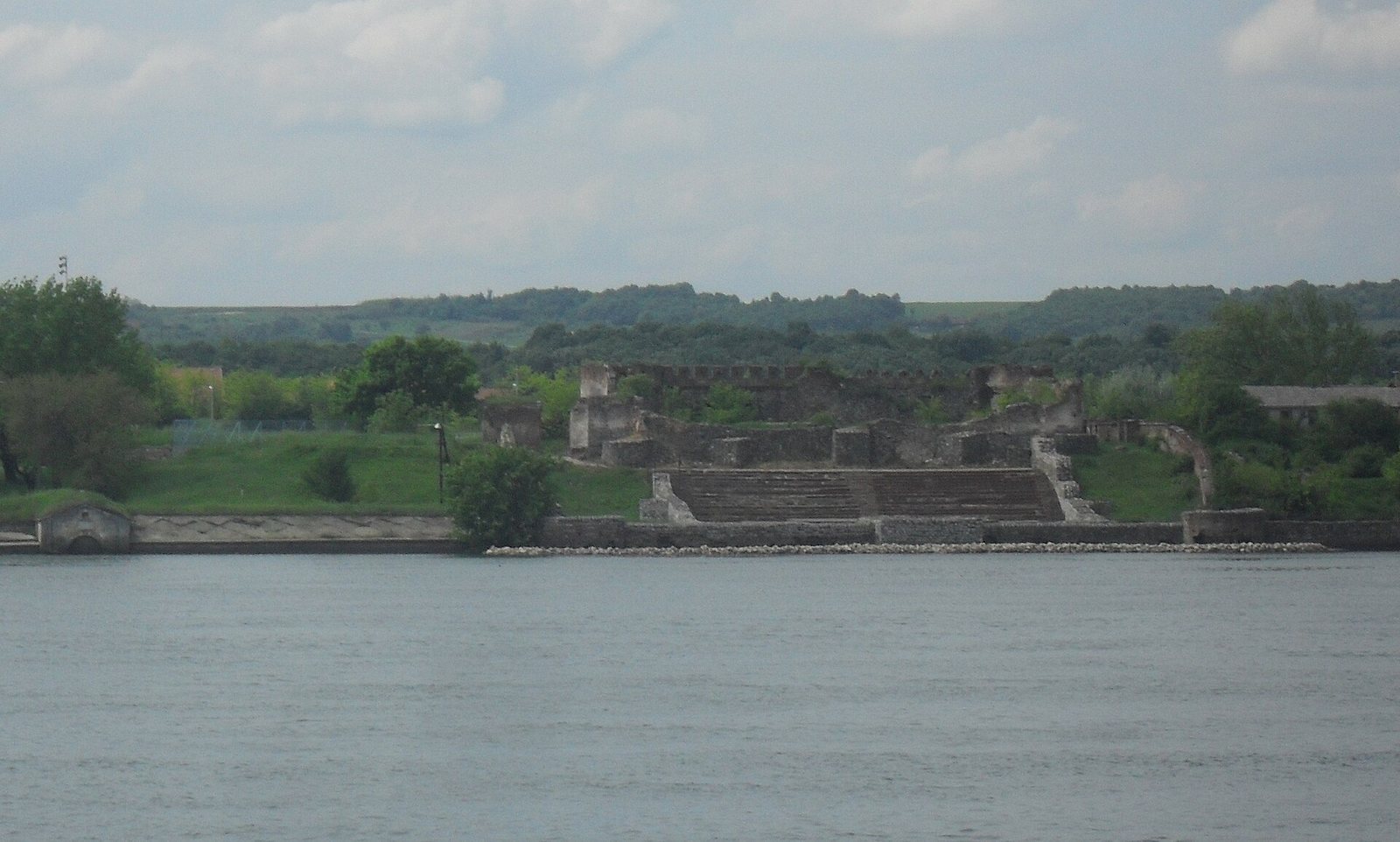
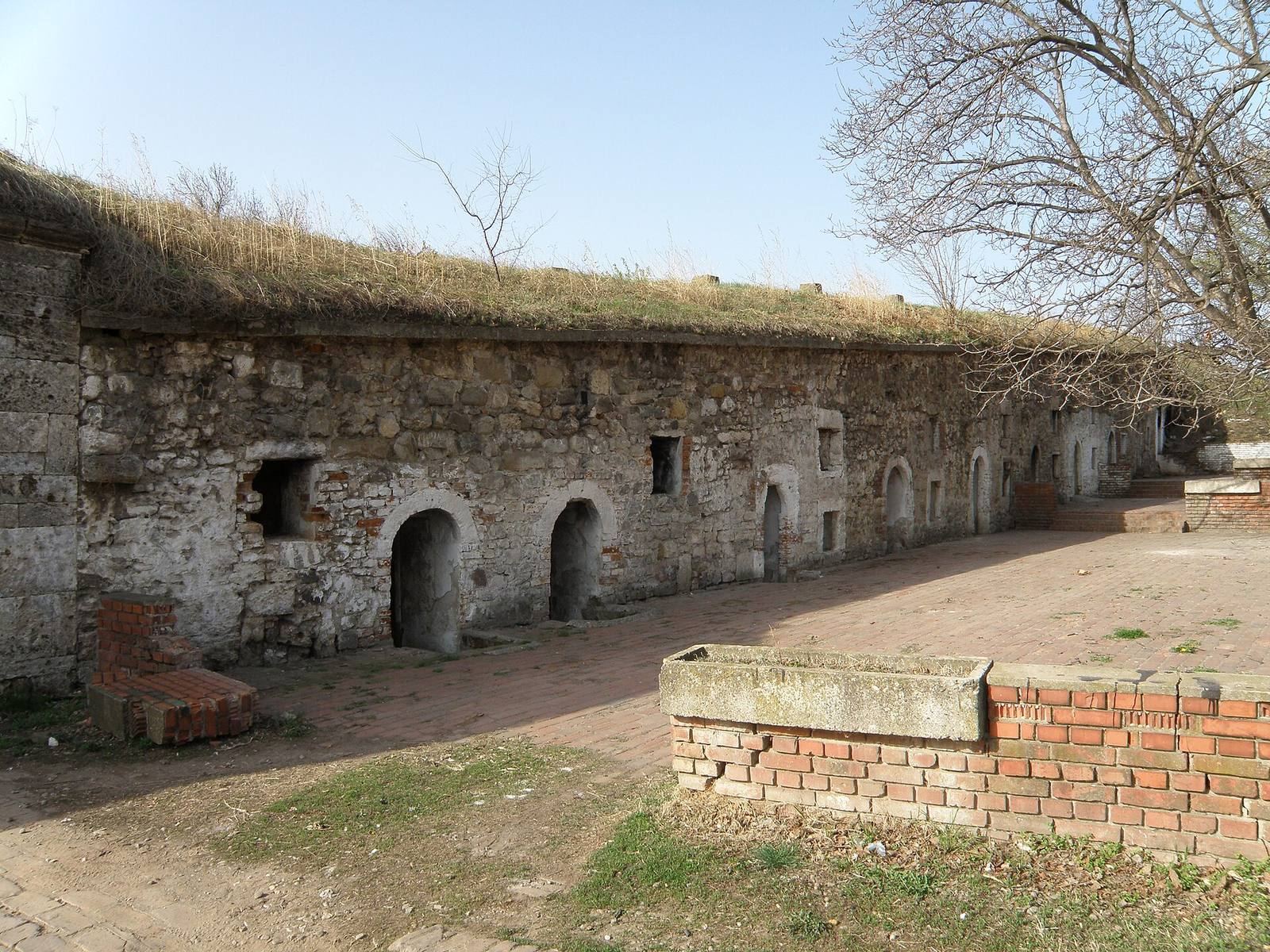
The fortress comprises two principal parts, Mali Grad (Small Town) and Veliki Grad (Greater Town), with rectangular and polygonal defenses built in stone and rubble. The surviving complex includes towers, gates, defensive walls, underground passages, and a water-filled moat.
Mali Grad
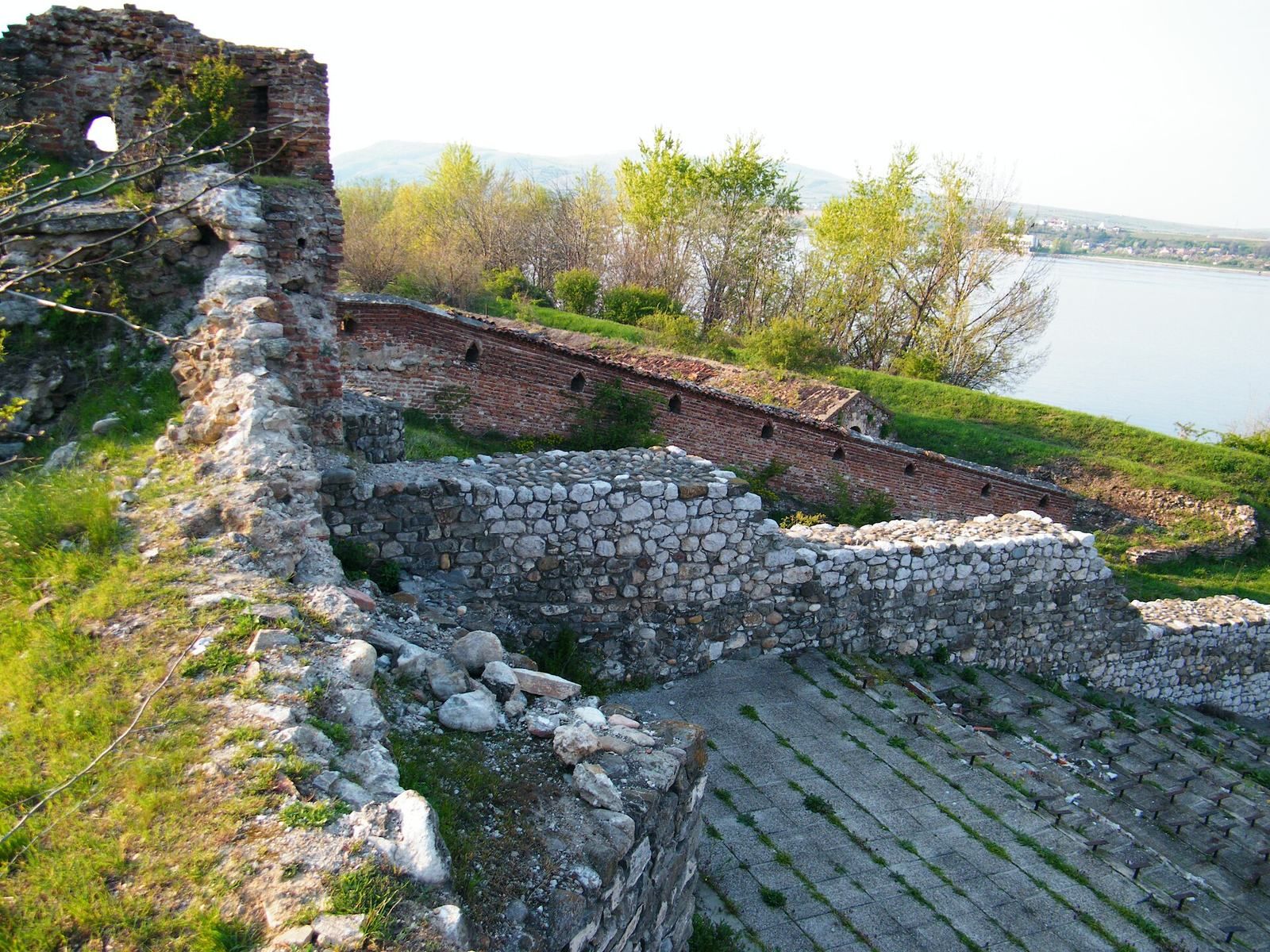
Mali Grad has an upper rectangular section and a second rectangular section beside the river. Triangular projections and two small, square turrets extending from the walls reinforce the riverside section. An underground passage, 7 to 10 metres wide, links the two sections. Circular towers stand at the upper fortification’s corners; each has a ground floor and two upper floors and was formerly capped by a conical wooden roof. Defensive walls connect the towers, with a walkway along their tops and notched protective edges. In 1666, Ottoman traveler Evliya Çelebi described twelve tall, strong towers, double walls, a water-filled moat, and an iron gate facing southeast. He placed Suleiman Khan’s mosque and the fortress keeper’s house in the tower above the gate, and noted the mosque’s brick minaret. An open-air prayer ground and a stone platform for Muslim funeral prayers stood before the gate, while the town lay to the southeast.
Veliki Grad
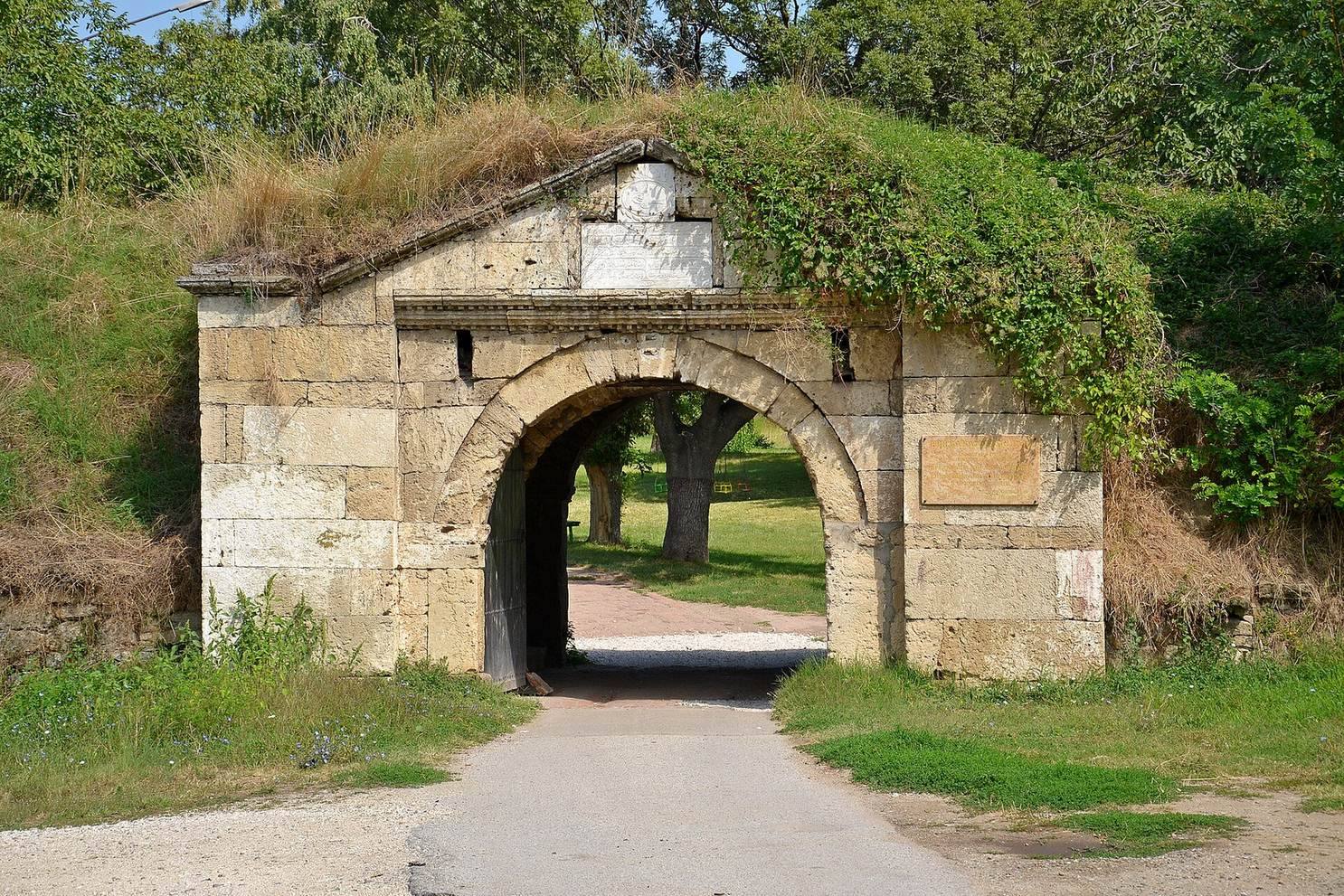
Veliki Grad has an irregular polygonal plan, with six bastions, projecting defenses designed to protect the walls, linked by connecting walls. Its lower sections consist of regularly cut stone blocks, while the upper sections use partly worked rubble stone. Three gates pierce the enclosure: the main Varoš Gate in the southern wall, the Orospi Gate to the southwest, and the Danube Gate to the northeast. A marble plaque honoring Sultan Mahmud II stands above the main entrance.
Moat and riverside defenses
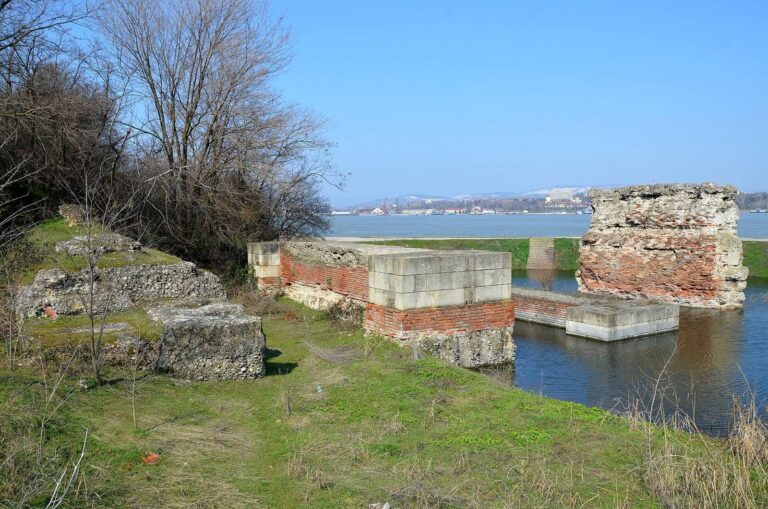
A moat supplied by a branch of the Danube surrounded the complex. It measured 13 to 30 metres across. The crossing between the Greater and Small Towns passed over it at three points, where the moat was about 5.5 metres wide. The reservoir now covers part of the riverside fortification, and changes in the Danube’s water level particularly affect the river-facing cannon towers.
Restored features and present-day additions
Restoration renewed the Small Town’s entrance gates, underground passages, summer stage, defensive walls, and towers. A modern visitor centre with exhibitions connects Mali Grad and Veliki Grad. The complex also includes an amphitheater space arranged for large cultural events.