Tavistock Abbey: A Benedictine Monastery in England
Site at a Glance
- Popularity
- High
- Country
- United Kingdom
- Primary era
- Medieval
- Eras represented
- Medieval
- Civilizations
- English
- Site type
- Religious
- Remains
- Monastery
On this page10 sections
History
Tavistock Abbey was a Catholic Benedictine monastery in Tavistock, United Kingdom, founded in 974. Its monks belonged to an order guided by the Rule of Saint Benedict. The abbey church was Gothic in style, and the monastery became one of the wealthiest abbeys in western England.
Foundation and endowment
Although an earlier tradition dated the foundation to 961 and credited Ordgar, an Anglo-Saxon royal official, the abbey’s foundation is now placed in 974 and attributed wholly to his son Ordwulf. King Æthelred II confirmed its charter in 981.
A foundation tradition says that Ordwulf acted after a vision during King Edgar’s reign. He built an oratory said to hold 1,000 people and provided dwellings for monks under an abbot, the head of a monastery. Ordwulf, his family, and associates endowed the house with land. The grants were to remain inalienable and free of impositions, except for obligations connected with military expeditions and the repair of forts and bridges.
Rebuilding and estate growth
Danish raiders destroyed the abbey church in 997. Lyfing, the second abbot, oversaw its rebuilding. Both Lyfing and his successor, Ealdred, became bishops of Worcester. Ealdred later became archbishop of York in 1061 and was said to have crowned William the Conqueror.
In 1193, Pope Celestine III issued a papal bull, a formal document from the pope, confirming the abbey’s exemptions and listing its possessions. Among the properties named were Hatherleigh, Plymstock, Orleigh, and a house in Exeter, as well as holdings in Devon, Dorset, and Cornwall.
The abbey’s Cornish estates included the manors of Sheviock, Antony, Rame, Tregrenna, Penharget, and Tolcarne. Four other manors formerly belonging to it had been taken by Robert of Mortain, a Norman noble. The Domesday Book, England’s 1086 survey of land and resources, records Sheviock as held directly by the abbey, while Ermenhald held five manors from it. Sheviock was valued at 60 shillings a year, and Ermenhald’s holdings together at £8 15 shillings. These figures matched earlier values, suggesting effective estate management. The abbey’s southeastern Cornish lands helped keep that district part of Devon until 1844.
Saint Rumon and Tresco
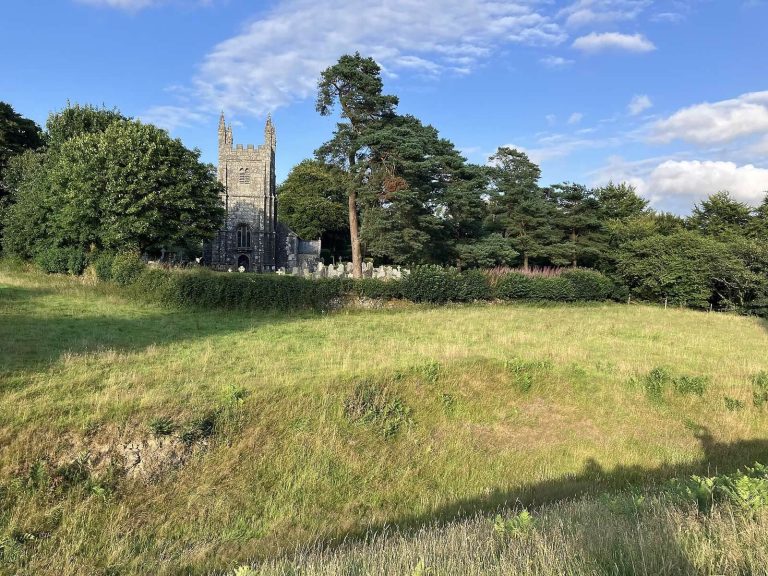
Saint Rumon was probably an Irish missionary. He may have been a brother of Saint Tudwal or the same person as Saint Ronan, venerated in Brittany; another tradition describes him as a companion of Saint Kea. Three Cornish churches, at Ruan Lanihorne, Ruan Major, and Ruan Minor, were dedicated to him. Tavistock kept his feast on either 28 or 30 August, and marked the ceremonial transfer of his body on 5 January.
The Isles of Scilly had earlier been held by a confederation of hermits. Henry I granted the territory to Tavistock Abbey, which established a priory, or smaller monastic house, on Tresco. The priory was abolished during the Reformation.
Late medieval abbey
The church was rebuilt in 1285 and again in 1457–58, when much of the rest of the abbey was also reconstructed. In 1458, John Dynynton, the thirty-sixth abbot, received permission to perform episcopal ceremonies and wear a mitre, a formal headdress for senior clergy. This privilege gave him a seat in Parliament. Richard Banham, also known as Baynham, served as the thirty-ninth abbot from 1492 to 1523 and was made a lord of Parliament by Henry VIII in 1513.
Dissolution and Russell ownership
During the Dissolution of the Monasteries, Henry VIII’s government closed religious houses and transferred their property to the Crown or other owners. Tavistock was then Devon’s second-wealthiest abbey, with an estimated annual income of £902, just below Plympton Abbey’s and well above Buckfast Abbey’s approximately £460. On 3 March 1539, the last abbot, John Peryn, and twenty monks surrendered the house to the king. Peryn received a pension of £100 a year.
In 1540, Henry VIII granted the abbey and its lands to John Russell, later the first Earl of Bedford. The Russell family remained closely connected with Tavistock. In 1694 it gained the additional titles Marquess of Tavistock and Duke of Bedford, and during the nineteenth century it paid for many public buildings and statues in the town.
Remains
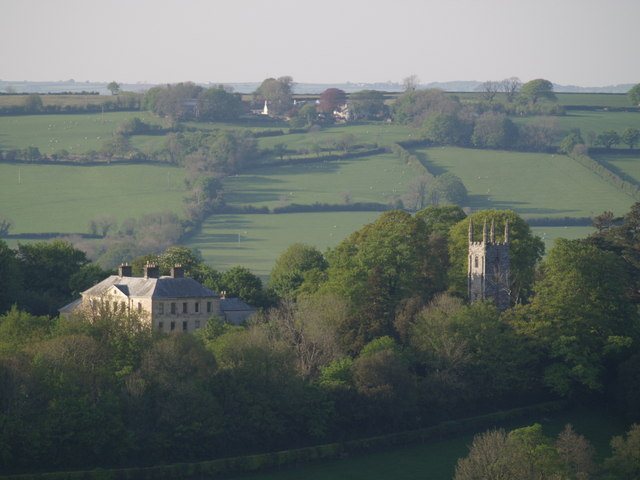
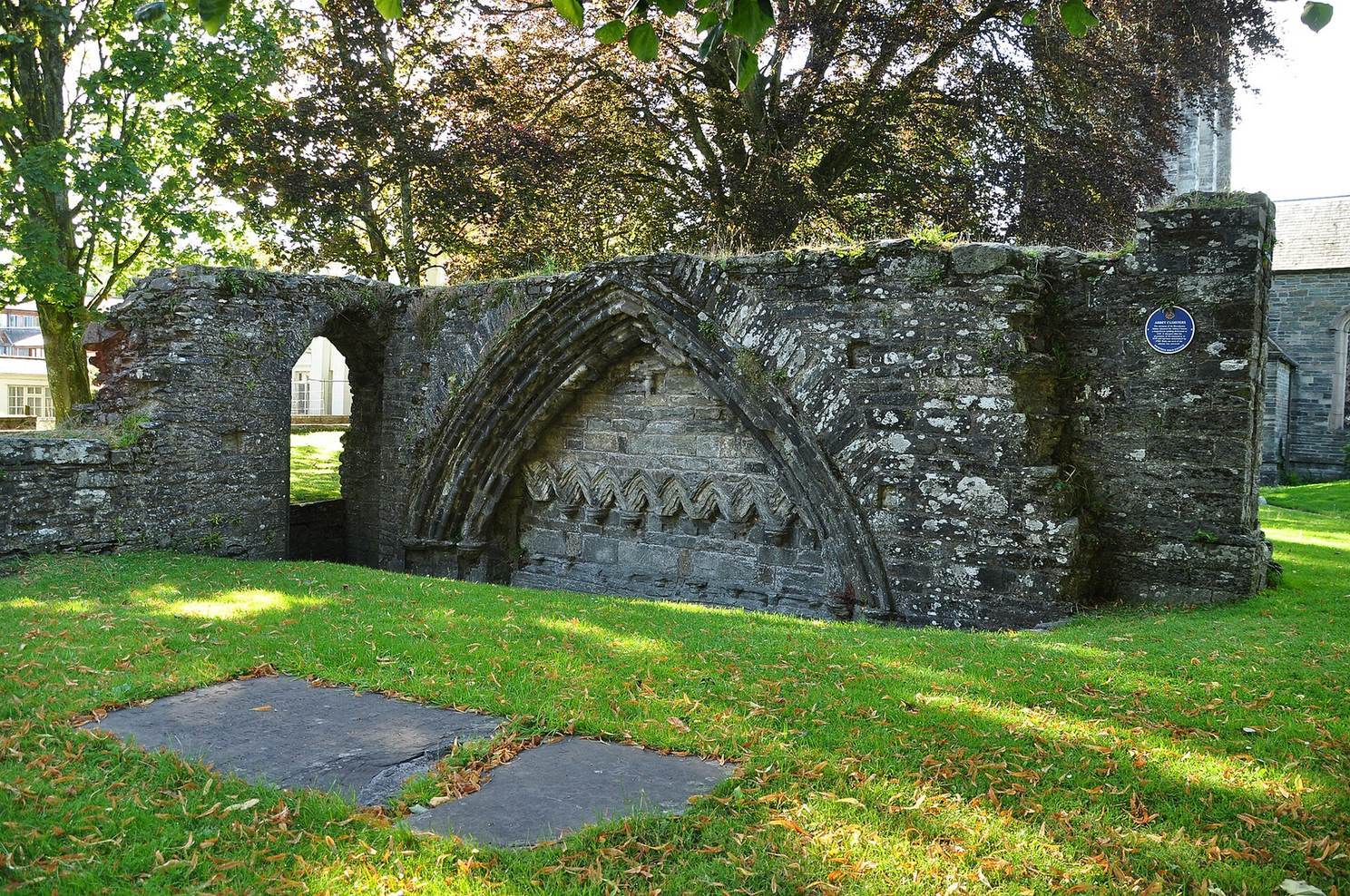
The Gothic abbey complex now survives only in fragments, with remains of communal buildings and entrances. The wider abbey is in ruins.
Church and surviving structures
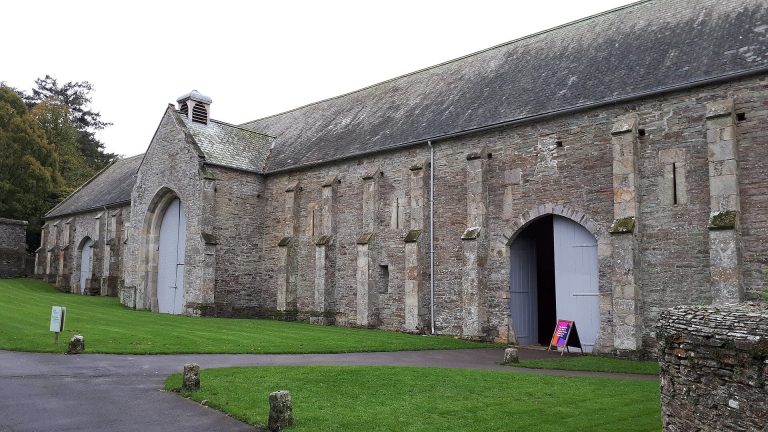
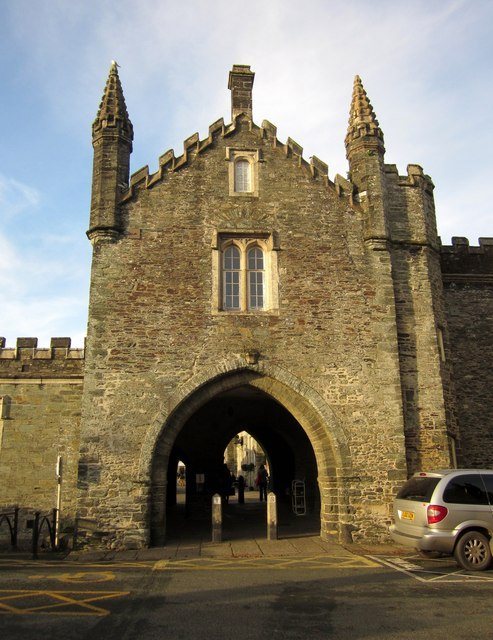
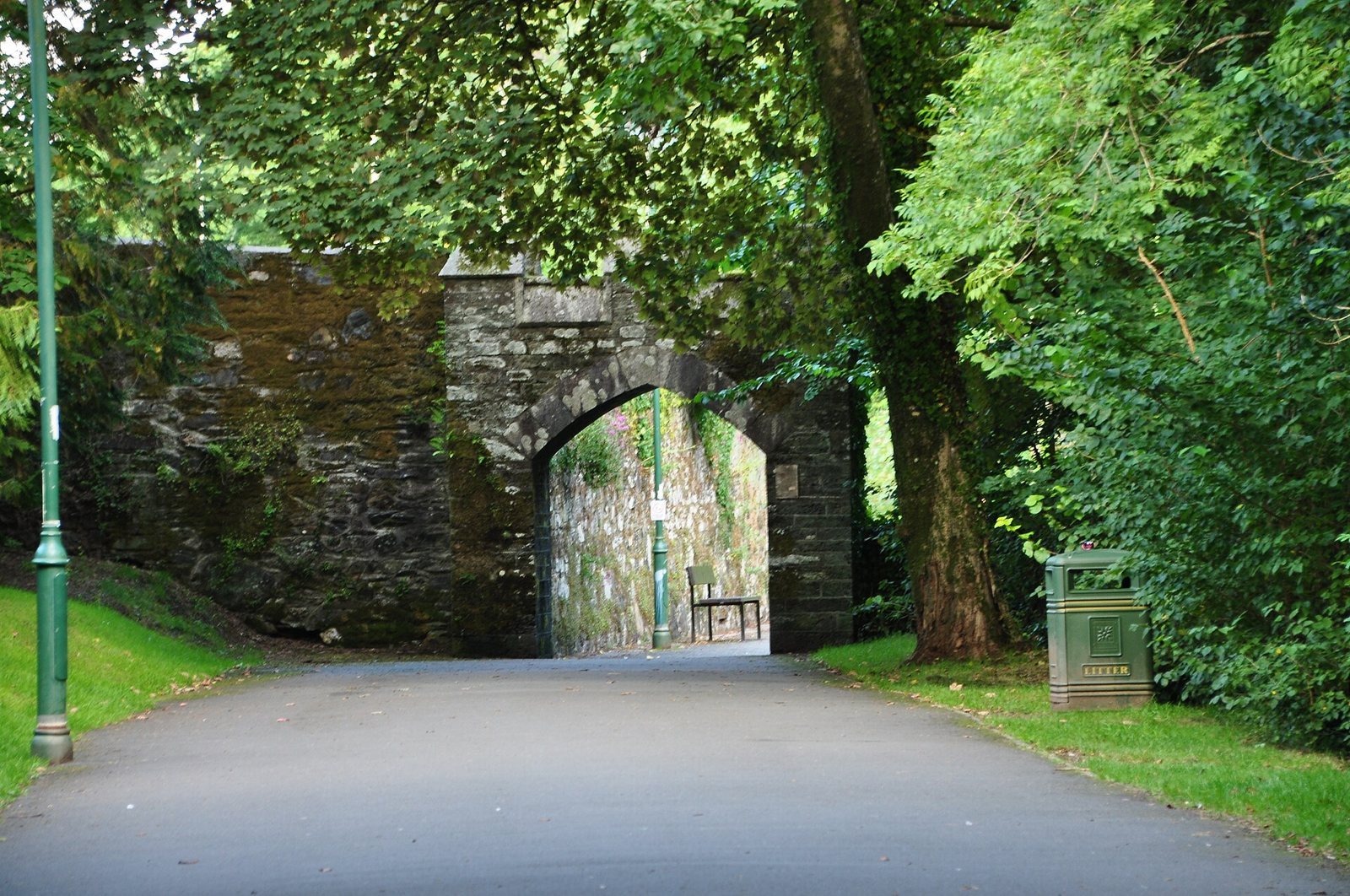
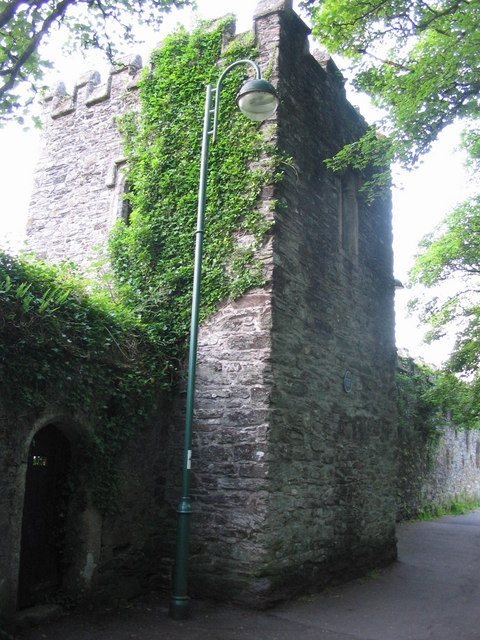
The abbey church was dedicated to Our Lady, the Virgin Mary, and Saint Rumon. The surviving structures include a refectory, the monks’ dining hall, two entrance gateways, and a porch.
Hurdwick quarry stone
The monks owned the nearby Hurdwick quarry. Its greenish stone has a naturally pitted surface that can be mistaken for decay, and it was used extensively in Tavistock.
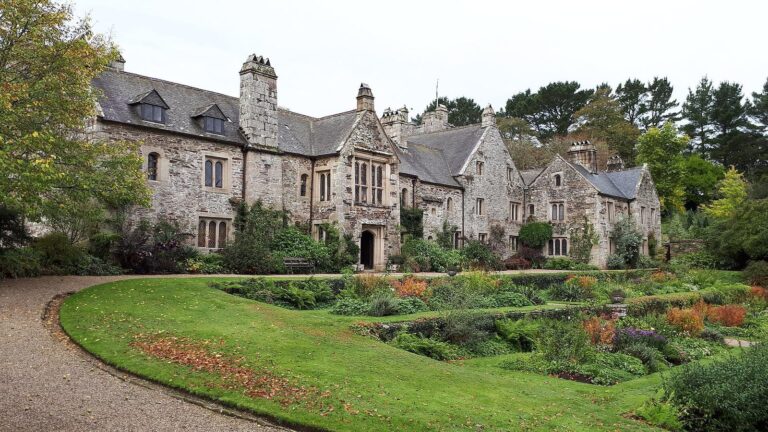
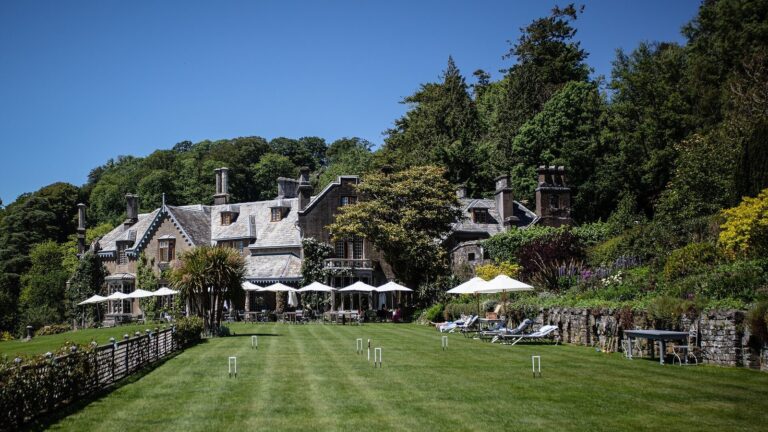
Endsleigh Cottage
In 1810, John Russell, the sixth Duke of Bedford, commissioned a large ornamental cottage in a picturesque style at Milton Abbot, near Tavistock, for use as a summer residence. Designed by Jeffry Wyattville, it was built on the remains of a manor that had formed part of the abbey complex. The Russell family sold the cottage in the twentieth century, and it still stands.