Pandua: Capital City of the Bengal Sultanate
Site at a Glance
- Popularity
- High
- Country
- India
- Primary era
- Medieval
- Eras represented
- Medieval
- Civilizations
- Bengal Sultanate
- Site type
- Settlement
- Remains
- City
On this page13 sections
History
Pandua was a medieval city in Malda district, West Bengal, India, founded in the fourteenth century and later the capital of the Bengal Sultanate, an independent Muslim state in Bengal. Its architecture combined Bengali, Arab, and Persian elements.
Formation and capital
In 1352, Shamsuddin Ilyas Shah, a rebel governor, united Bengal’s three Muslim states and founded the Ilyas Shahi dynasty. Delhi’s attention was occupied by Mongol incursions in northwest India, while Bengal’s distance from Delhi helped its governors establish independent rule. Pandua became the sultanate’s capital for about a century. Nine rulers governed from the city during this period. All but Raja Ganesha, his son Jalaluddin Muhammad Shah, and his grandson Shamsuddin Ahmad Shah belonged to the Ilyas Shahi dynasty.
The city’s names included Firozabad and Hazrat Pandua. Coins of the Delhi Sultanate’s Balban dynasty refer to Pandua as Firozabad, a name associated with Shamsuddin Firoz Shah. Shamsuddin Ilyas Shah is also credited with renaming the city in 1353, possibly in honor of the earlier independent Sultan Firuz Shah, who ruled from 1311 to 1322. Bengal’s wider succession of ruling houses included the House of Ganesha, the restored Ilyas Shahi dynasty, Habshi rulers of African origin, and the Hussain Shahi, Muhammad Shahi, and Karrani dynasties.
In 1450 the capital moved from Pandua to Gaur, also known as Lakhnauti. The reason for the transfer is uncertain; a change in the course of a river has been proposed. Pandua nevertheless remained an administrative center and mint town into the sixteenth century. Its mints produced silver taka, a currency unit, and were known as Shahr-i-Naw and Muzzafarabad.
Administration and city life
Pandua functioned as a military garrison as well as a center of government, trade, production, and marketing. Its residents included royalty, aristocrats, soldiers, mercenaries, and local people, alongside Eurasian travelers and merchants. Some traders settled in the city, while others moved along trade routes. Merchants built ships, conducted overseas trade, and served as royal envoys. Cloth and wine were among the city’s exports.
Markets sold silk goods, four types of wine, and at least six varieties of fine muslin, a lightweight cotton fabric. The surrounding area also produced high-quality paper from mulberry bark, described as resembling lightweight white cotton cloth. Wealthy residents began their mornings to the sound of a shehnai, a wind instrument, and rewarded musicians with taka and wine. Nobles watched dance performances, while entertainers also performed with a chained tiger.
Hospitality could include roast beef, mutton, rose water, and sherbet. Men wore cotton robes and shirts, turbans, wrapped lower garments, leather shoes, and belts. Women wore cotton saris, and women of the upper classes wore gold jewelry. Hindus did not eat beef. Bengali was the common language, while courtiers and merchants often spoke Persian.
The name Hazrat Pandua reflected the presence of Sufi preachers, Muslim mystics, in the city. Sufi community lodges, called khanqahs, associated with Jalaluddin Tabrizi and Nur Qutb Alam were located nearby.
Decline and rediscovery
Pandua’s decline began after its conquest by Sher Shah Suri, a sixteenth-century Afghan ruler whose campaigns reshaped power in northern India. The city gradually became wilderness and was abandoned in the sixteenth century. Earthquakes damaged buildings during the nineteenth century, while Bengal’s humidity and monsoon seasons contributed to the deterioration of its architecture.
Francis Buchanan-Hamilton rediscovered Pandua in 1808. Alexander Cunningham later carried out a detailed study, and the Archaeological Survey of India conducted an aerial survey in 1931. Excavations also took place during the nineteenth century.
Remains
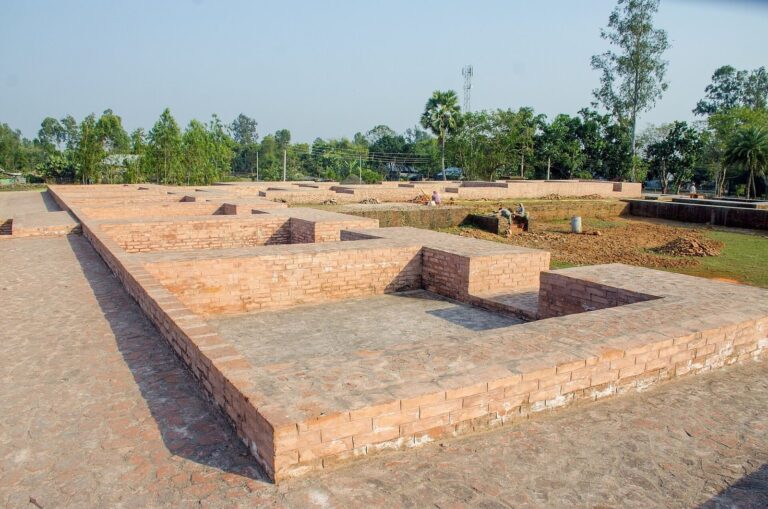
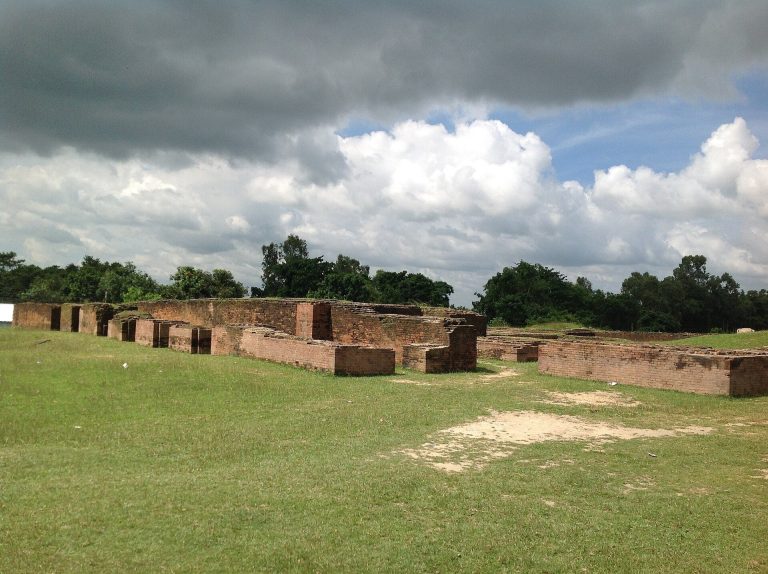
Pandua’s remains represent a walled city, with religious monuments, raised mounds marking palace traces, and two historic water tanks among its surviving features. The city once also contained forts, bridges, and other buildings, many of which are now ruined or have disappeared.
City fabric and civic remains
Walls and markets
The Ming envoy and travel writer Ma Huan described the city’s imposing walls, orderly bazaars, and rows of pillars. Shops stood beside one another in the markets, while pillars were arranged in regular lines.
Royal palace
Only traces of the royal palace remain in raised mounds. The complex had elevated steps, nine walls, and three gates, along with a formal court chamber. Its brass-plated pillars were carved, polished, and decorated with floral and animal figures. The ruler sat cross-legged on a raised throne ornamented with precious stones, with a double-edged sword across his lap.
Water tanks and finds
Two historic water tanks are among the archaeological remains. Finds from the city also include numerous images of Hindu deities and remains of other old buildings.
Mosques and mausoleums
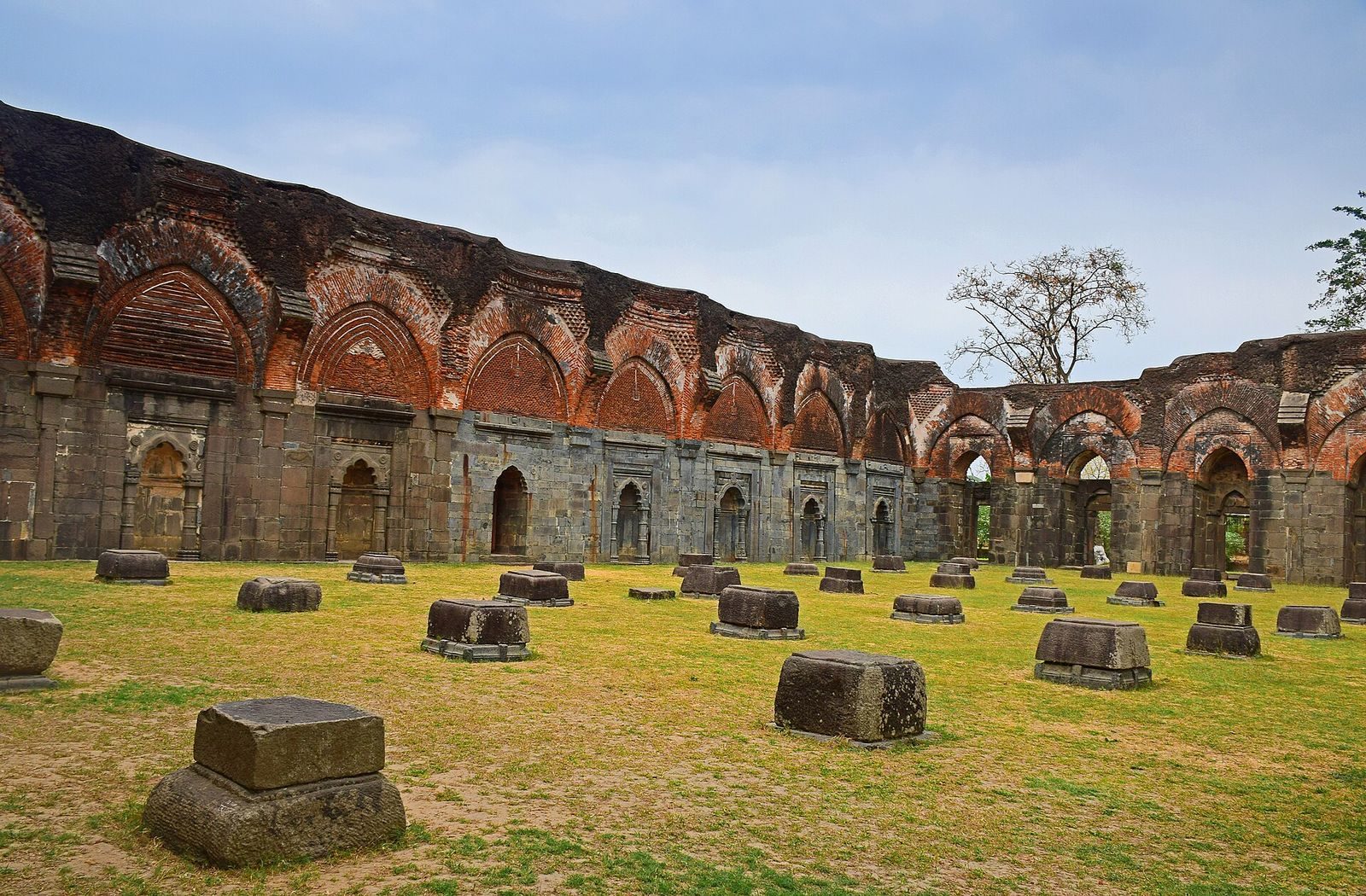
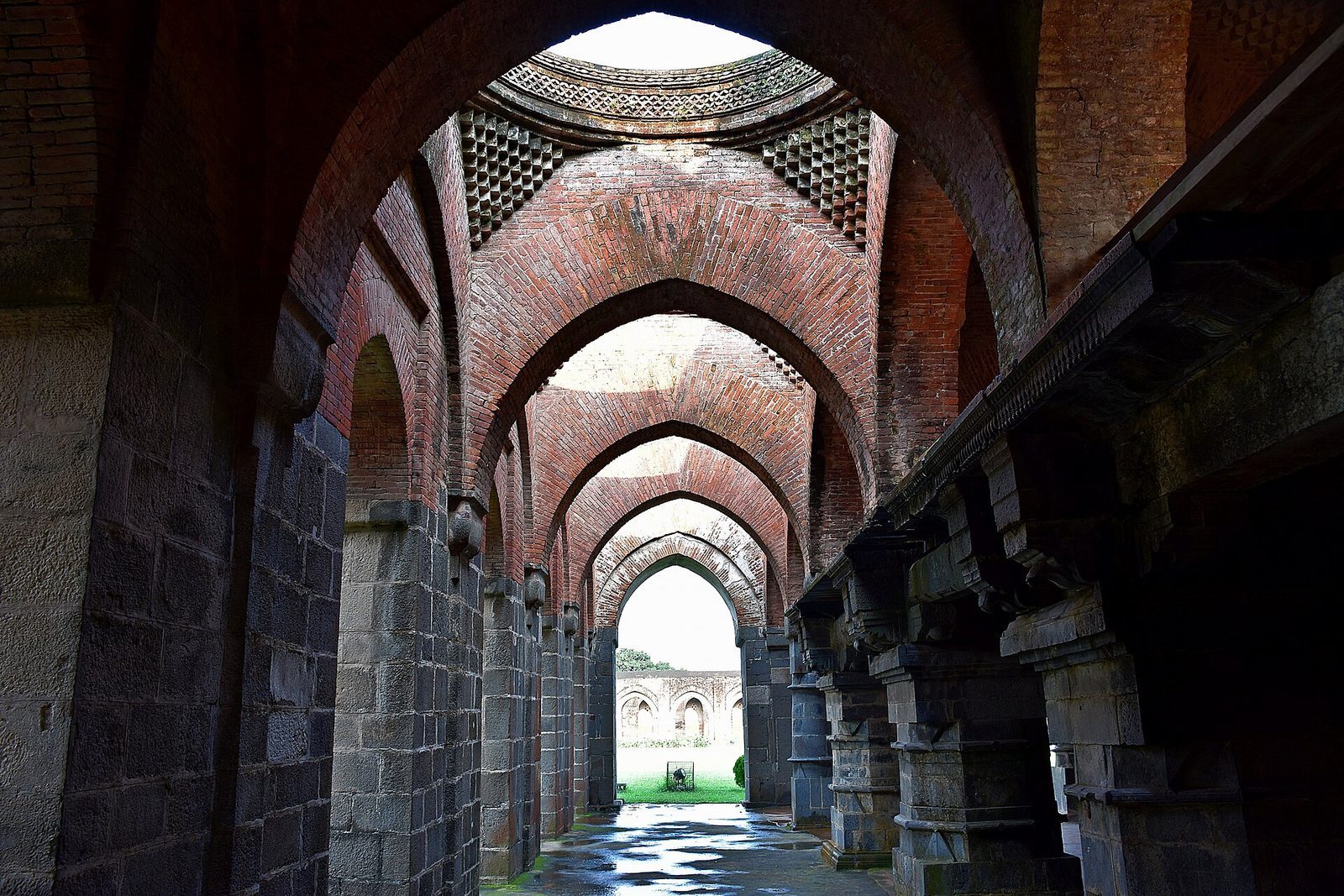
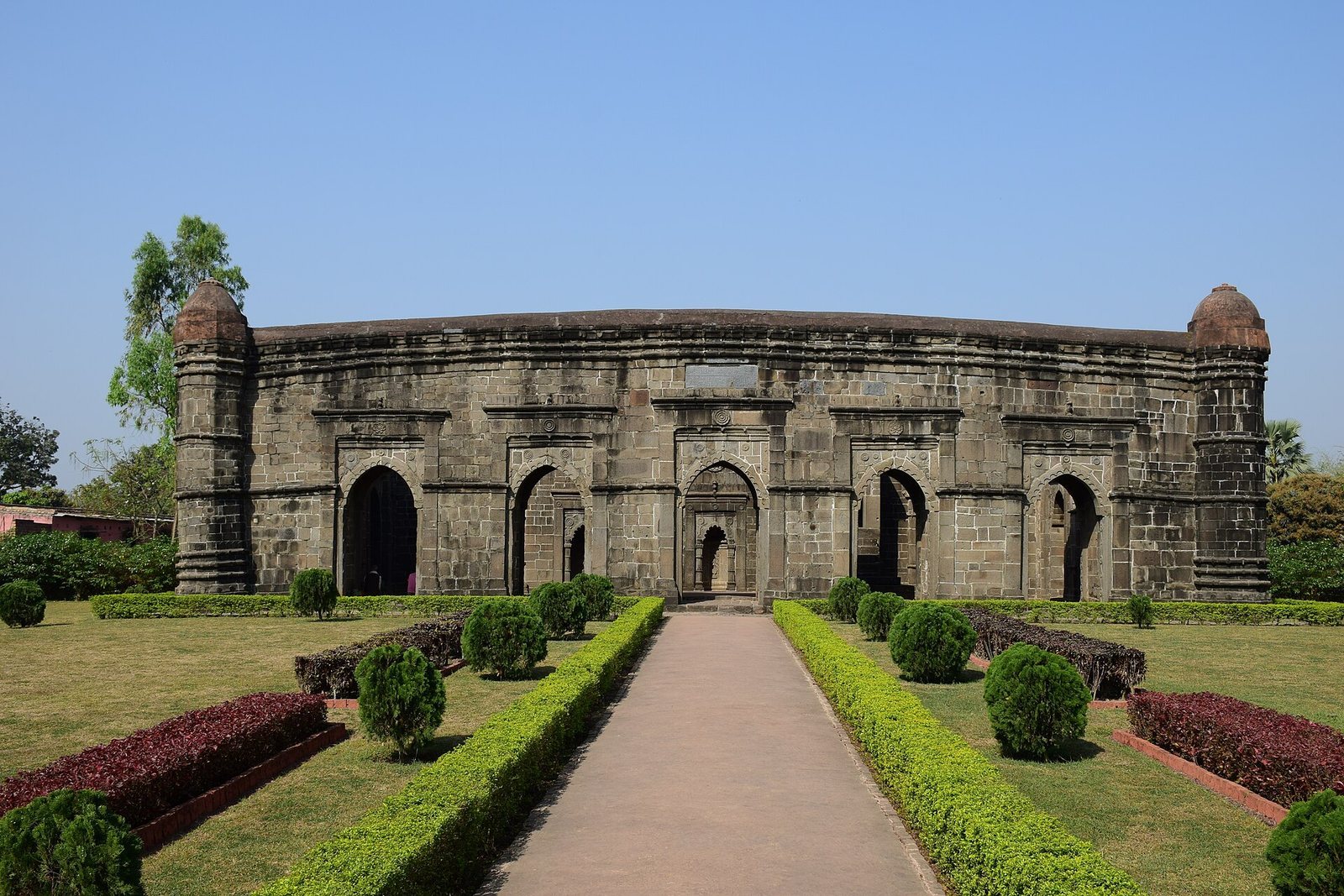
Adina Mosque
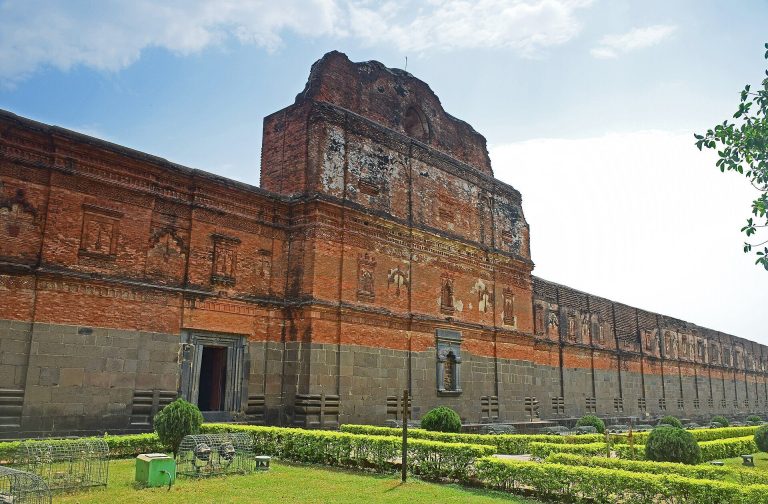
Modeled on the Great Mosque of Damascus, the Adina Mosque became the largest mosque in the Indian subcontinent. Its surviving features include arches, pillars, and mihrabs, niches indicating the direction of Mecca.
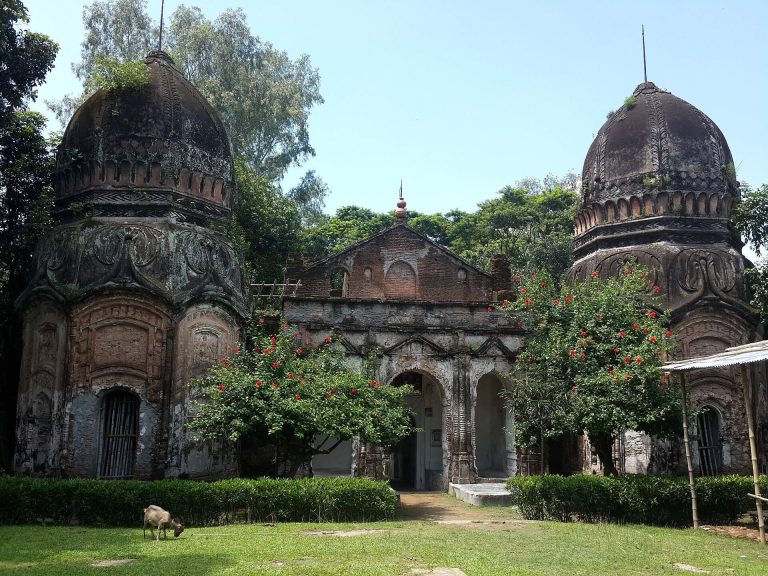
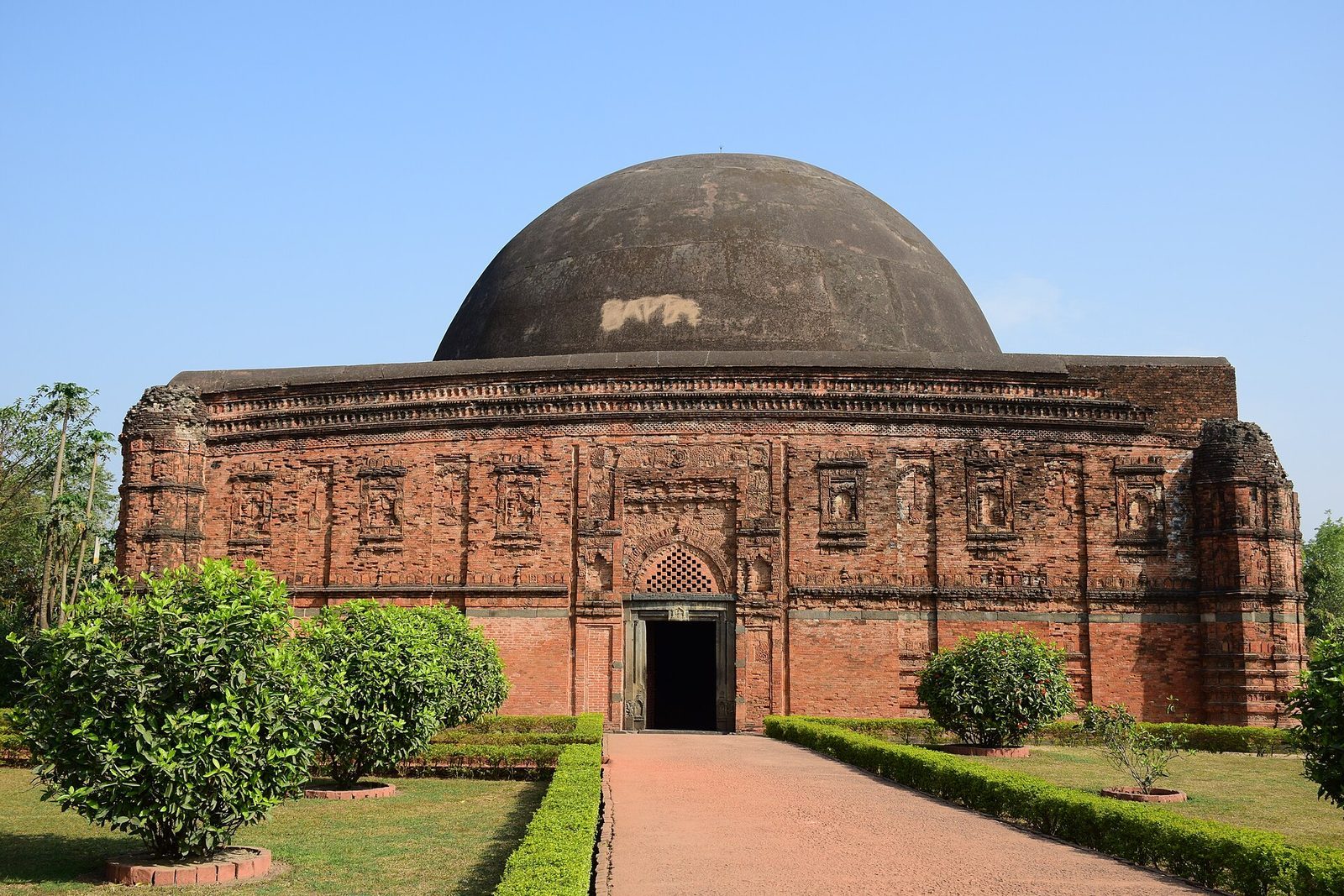
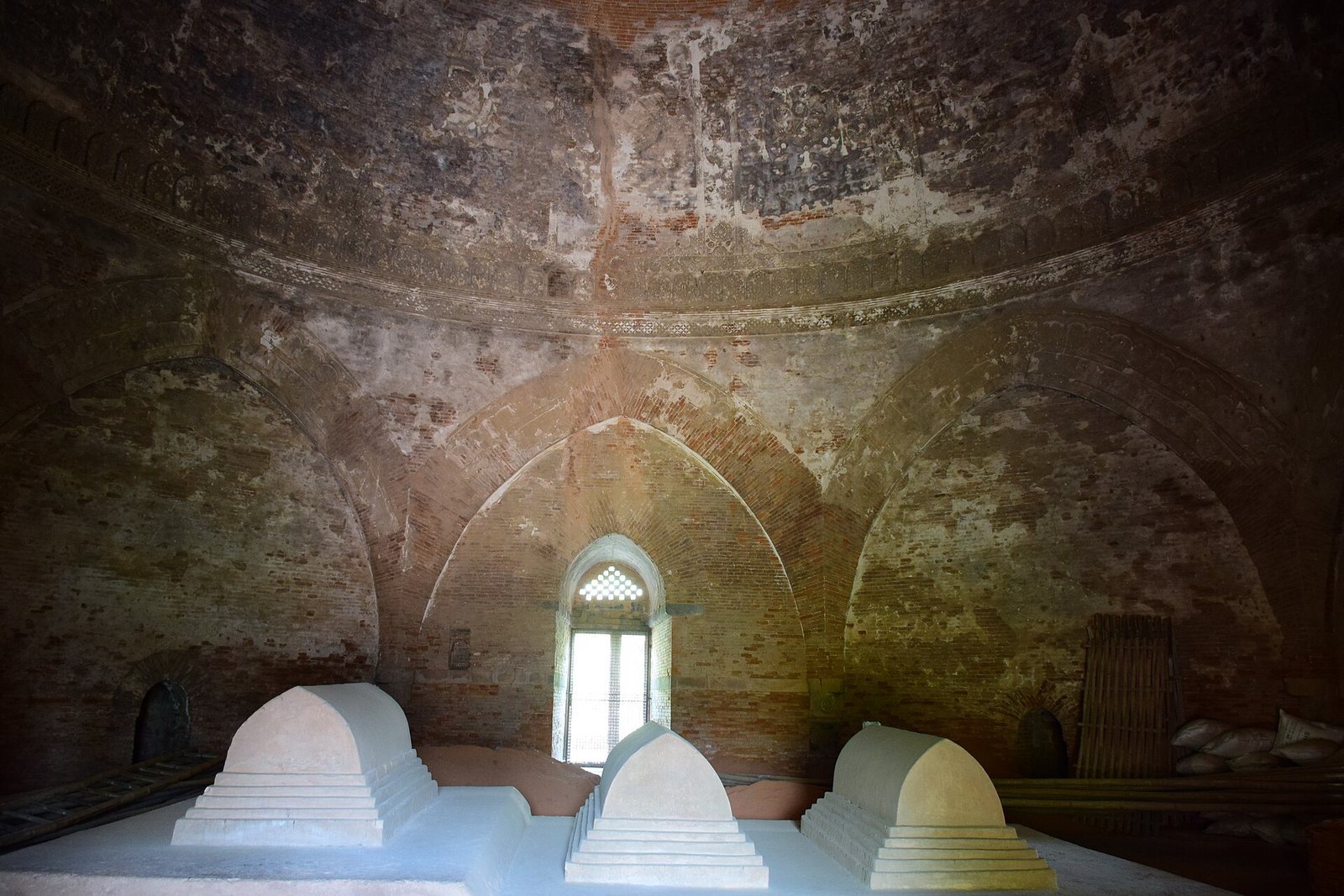
Eklakhi Mausoleum
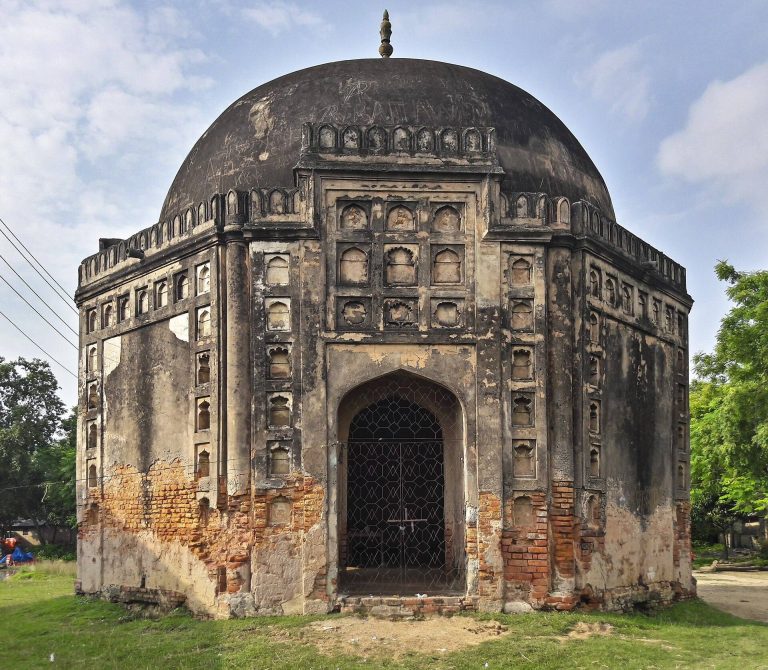
The Eklakhi Mausoleum is an example of Bengali terracotta architecture, which uses fired clay for architectural decoration.
Qutb Shahi Mosque and Sufi tombs
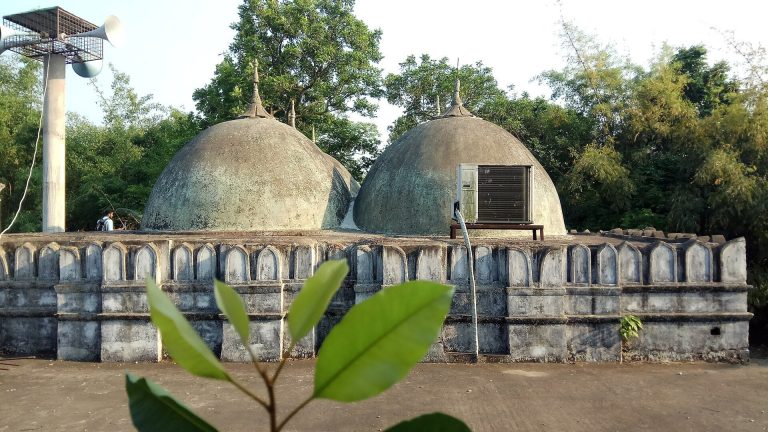
The Qutb Shahi Mosque is another surviving religious structure. The remains also include mausoleums associated with Sufi spiritual guides and members of Sufi orders.