San Giovannino degli Scolopi: A Church and Piarist School Complex in Florence
Site at a Glance
- Popularity
- Medium
- Country
- Italy
- Primary era
- Early Modern
- Eras represented
- Medieval, Early Modern
- Civilizations
- Grand Duchy of Tuscany, Republic of Florence
- Site type
- Religious
- Remains
- Church
On this page12 sections
History
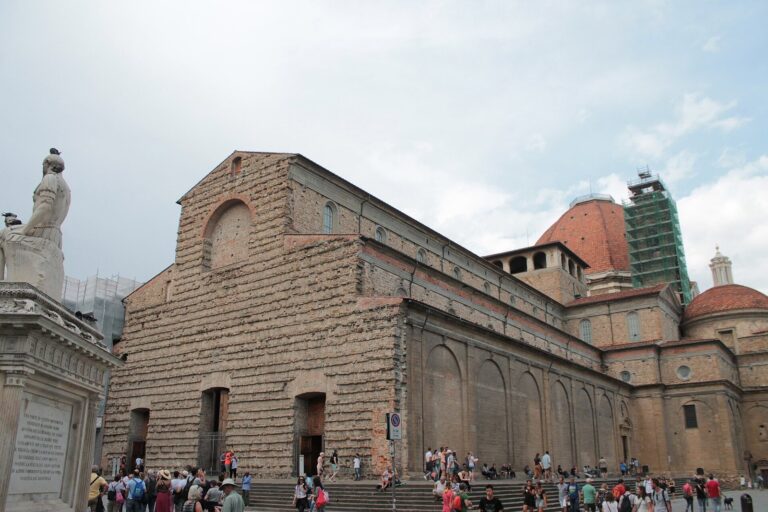
San Giovannino degli Scolopi is a Roman Catholic church dedicated to Saint John the Evangelist in Florence, Italy. Saint John is traditionally identified as an apostle and author of the Gospel of John. The church developed from a small oratory established in 1351, and its architecture combines Mannerist, a sixteenth-century European style, and Baroque forms associated with dramatic effects and elaborate decoration. Its history is closely connected with Jesuit and Piarist institutions, as well as scientific observation.
The oratory and Jesuit rebuilding
Giovanni di Lando of the Gori family left a substantial bequest to build the oratory. Known as San Giovanni Evangelista from 1351 to 1554, it had deteriorated by the time the Jesuits arrived in Florence in 1557. The Jesuits, members of the Catholic Society of Jesus, received the church from Cosimo I, the Medici ruler and grand duke of Tuscany.
Rebuilding began in 1579 to a design by the Florentine architect and sculptor Bartolommeo Ammannati. Work started first on the adjoining college, and the church’s design later drew inspiration from Il Gesù, a major Jesuit church in Rome. Progress was slow. Giulio Parigi and then Alfonso Parigi the Younger took over the project, which was completed in 1661.
Observatory and Piarist use
In 1756, Jesuit scholar and scientist Leonardo Ximenes established the Ximenian Observatory in the attached convent. The observatory continues as a center for observing weather and seismic activity. During the second half of the eighteenth century, the Jesuit priest and writer Giuseppe Richa lectured at the church.
After the Jesuit order was suppressed in 1775, the Piarist Fathers, members of a Catholic teaching order also known as the Scolopi, took over the church and transferred their schools to the adjoining building. In 1796, the chapels nearest the altar, dedicated to Saints Bartholomew and Joseph, were refurbished with fine marble.
Expansion and later changes
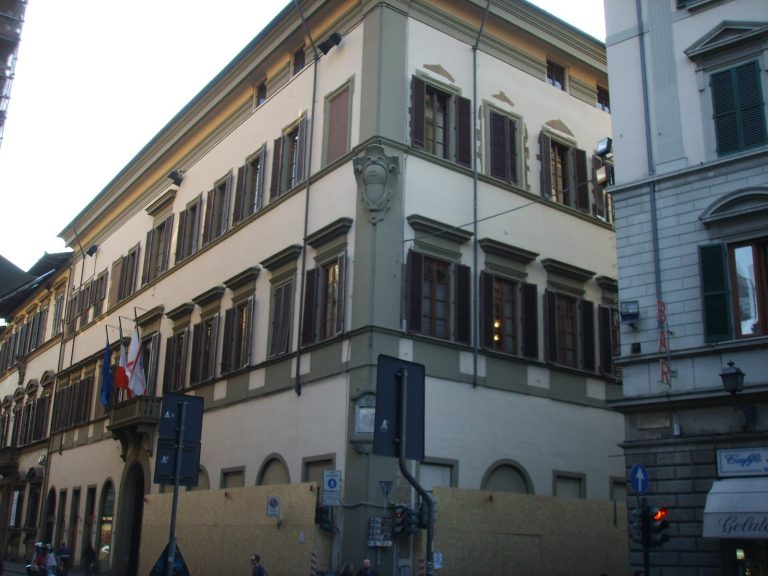
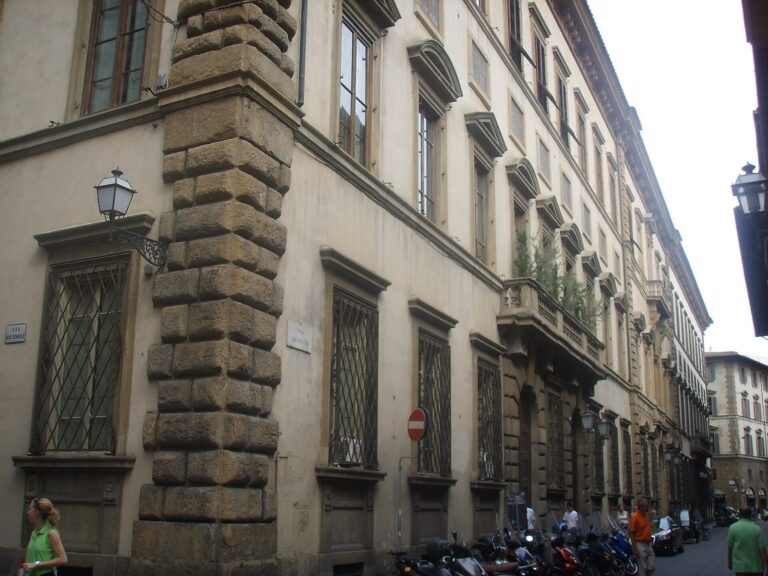
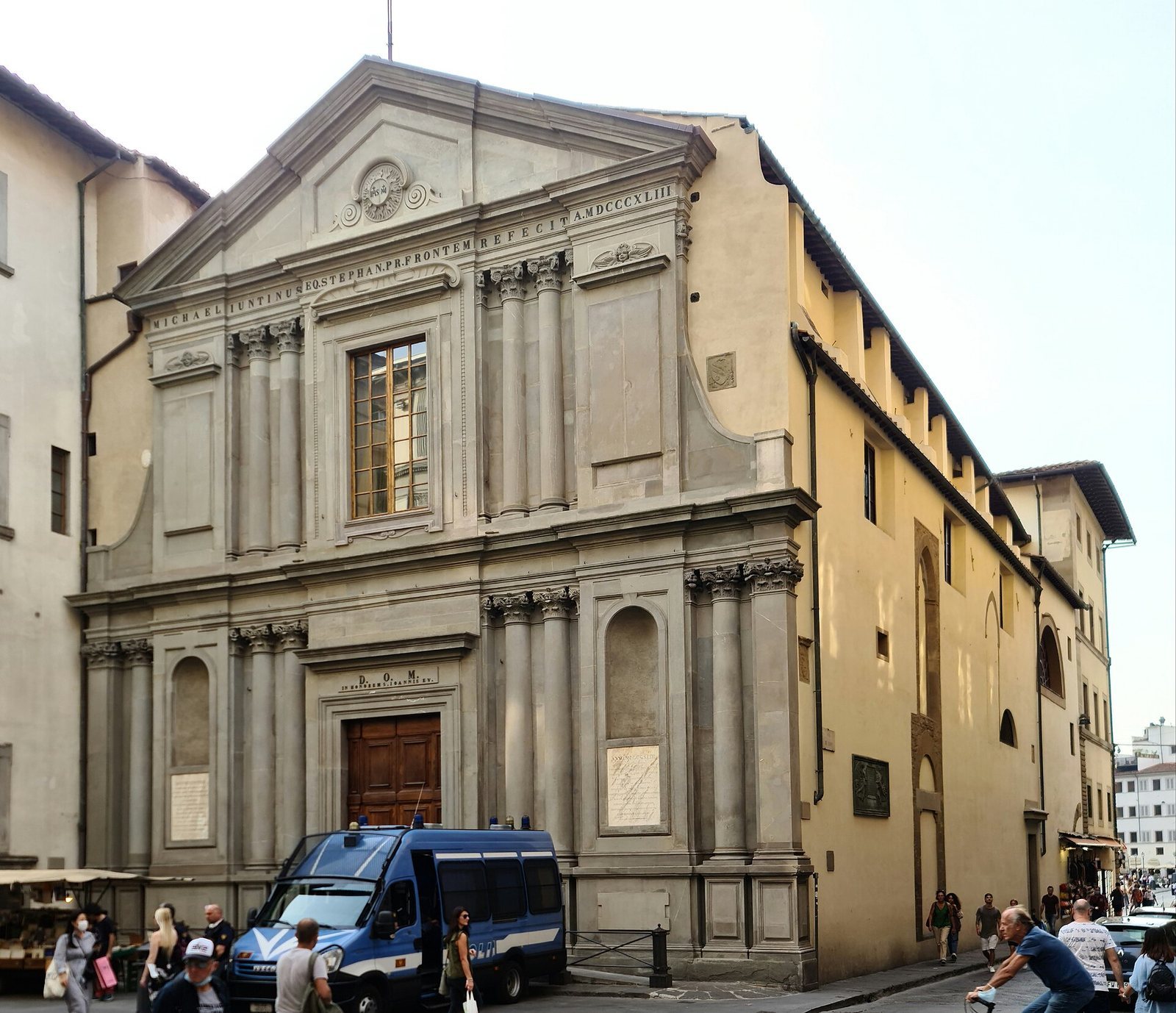
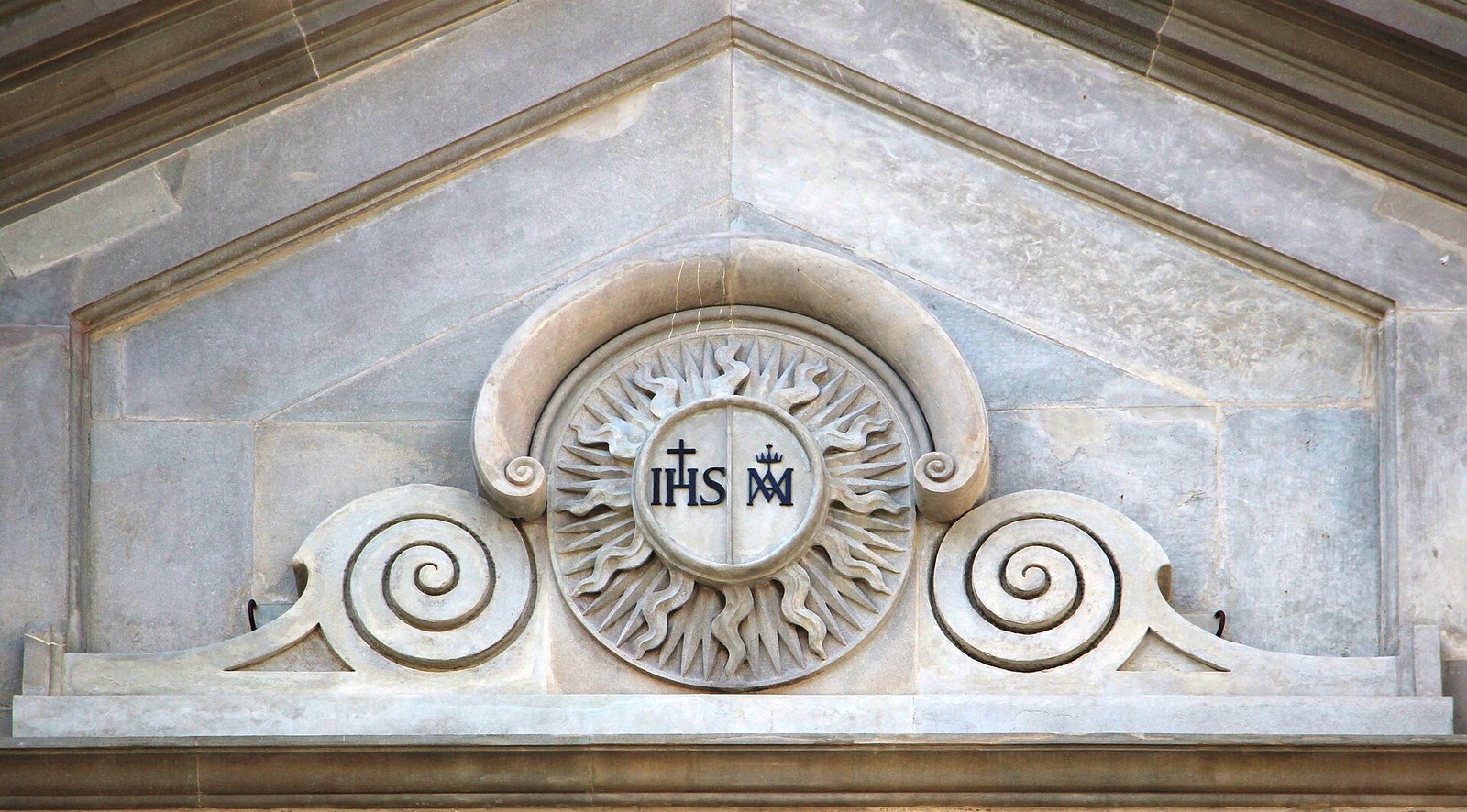
In 1836, nearby Palazzo Martelli became part of the college complex, substantially enlarging it. Leopoldo Pasqui remodeled the façade with two superimposed architectural levels, and he restored the church in 1843. The church’s canvases were rearranged in 1954 into their present arrangement. Its floor was renewed during the nineteenth century and again after the 1966 Florence flood. The church belongs to the Archdiocese of Florence.
Remains
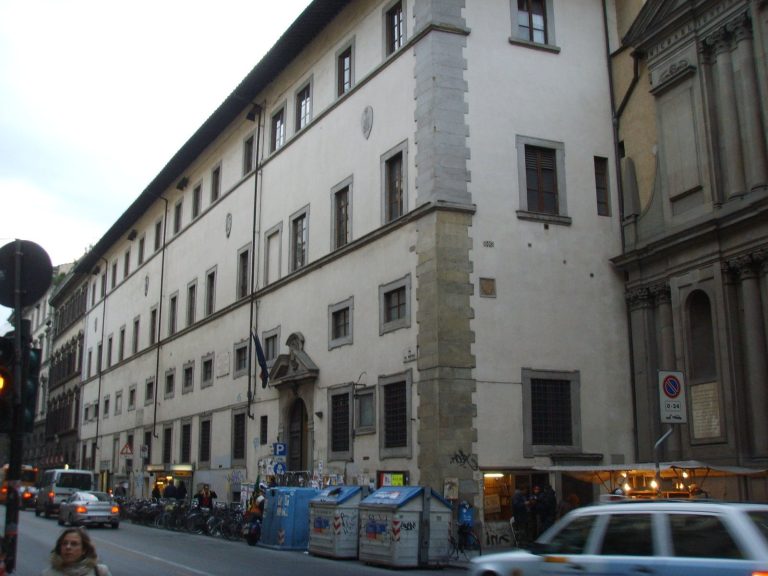
At the corner of Via de’ Martelli and Via Gori in Florence’s historic center, the church is arranged around a single nave with chapels along both sides. Its interior plan and decoration reflect successive changes to the original design.
Plan and interior decoration
Church plan
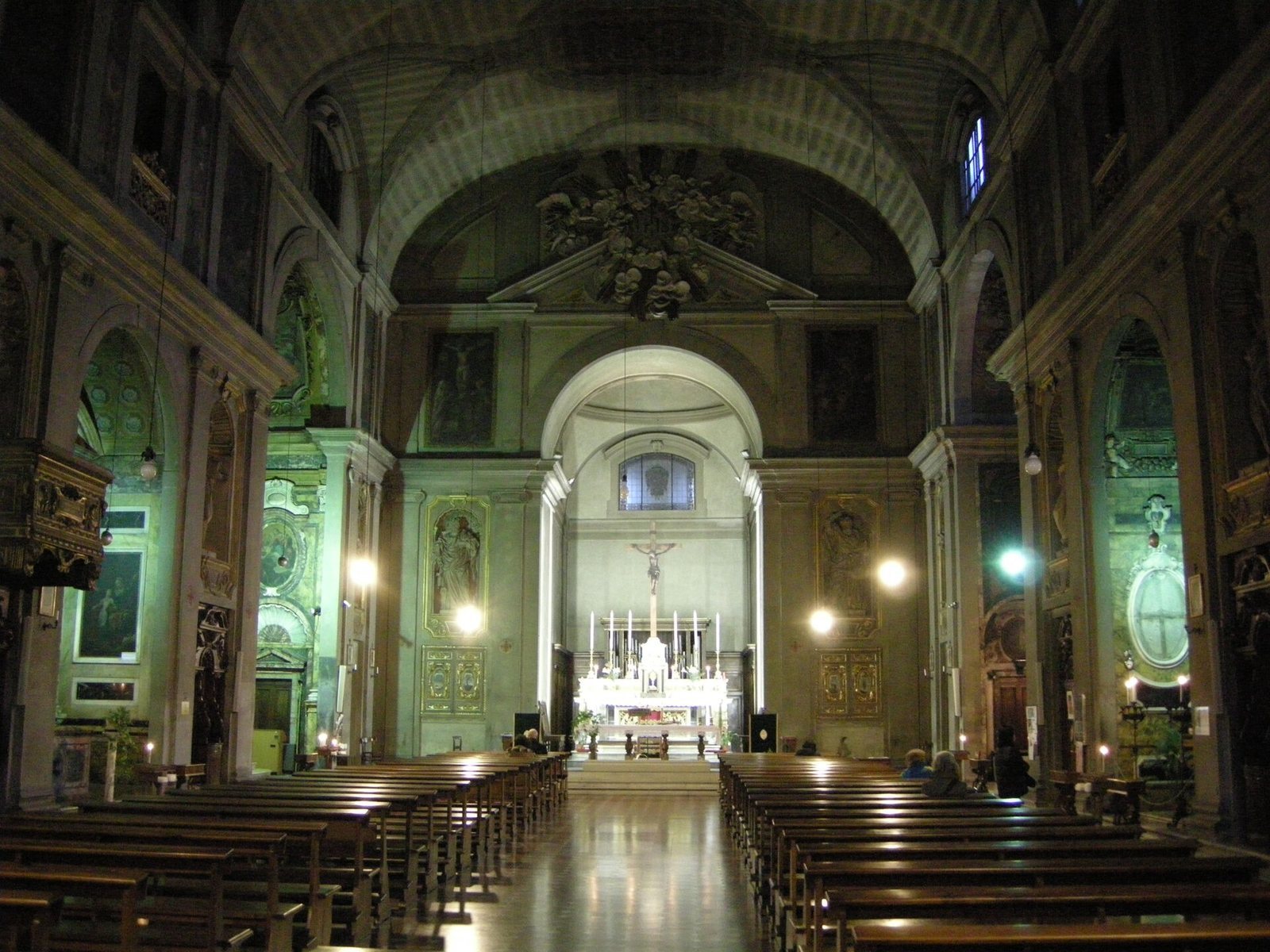
Ammannati’s original design had a single nave, the main body of the church, covered by a barrel vault, a continuous arch-shaped ceiling, and shallow side chapels. The two chapels beside the altar end were later enlarged to create a Latin-cross layout, with a longer central axis and shorter cross arms. Later work changed the ceiling covering and reshaped the altar end from a rectangular space narrower than the nave into a semicircular apse, a rounded termination to the church.
Frescoes and sculpture
A cycle of sacred scenes, painted during the 1580s, fills framed panels above the side arches. The wall supports are ornamented with fanciful designs combining human, animal, and plant forms. Raffaello Borghini noted that the cycle was still in progress in 1584. Its painters include Alessandro Fei del Barbiere, Bartolomeo Carducci, Lorenzo Vaiani dello Sciorina, and Bernardino Poccetti. The Crucifixion and mourners beside the left side of the main arch are tentatively attributed to Girolamo Macchietti. The cycle reflects Counter-Reformation imagery, part of the Catholic Church’s reform and response to Protestant movements, and emphasizes missionary saints.
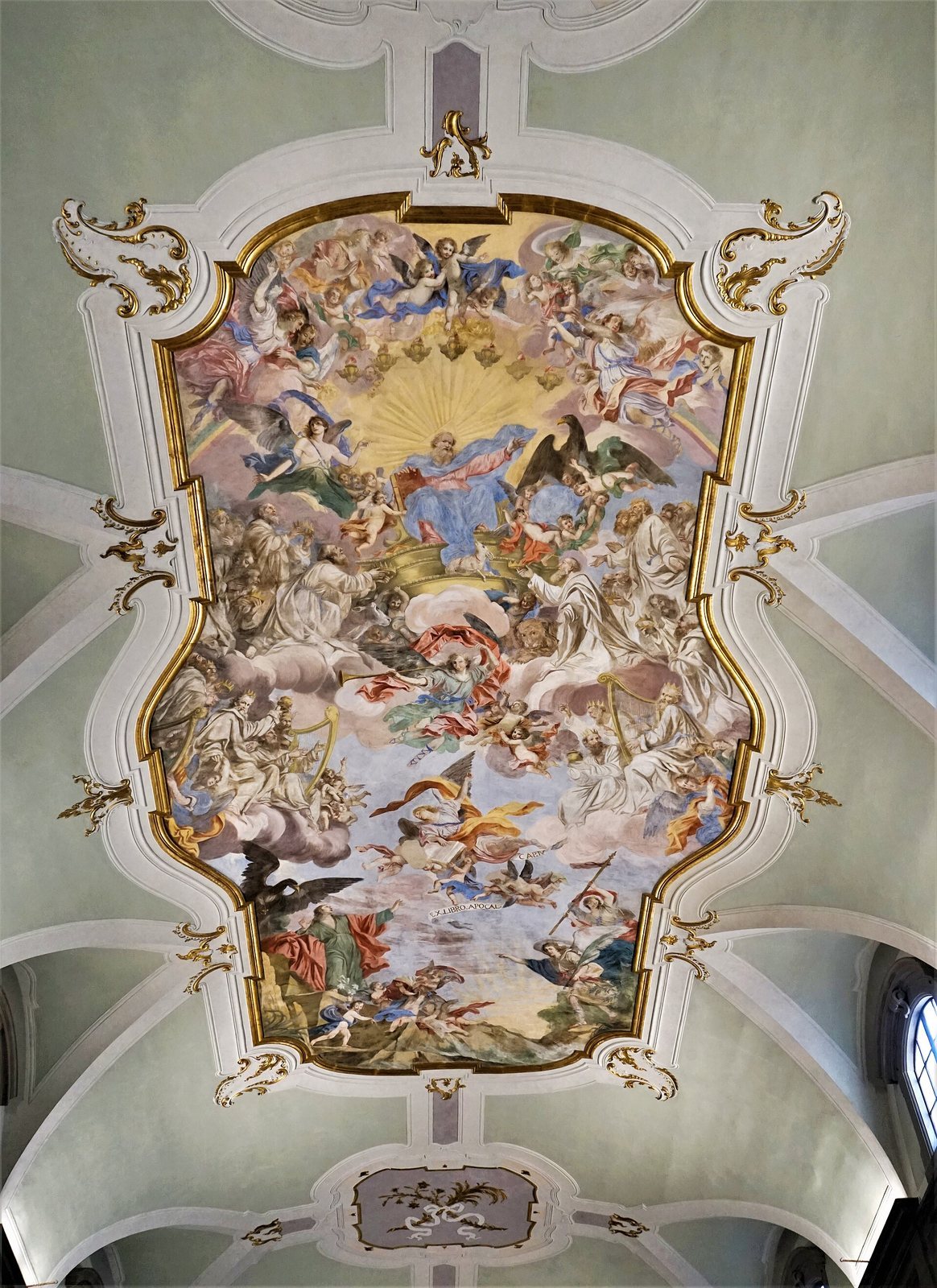
Agostino Veracini painted the vault fresco in 1758. The upper bays retain older frescoes by Alessandro Fei, and the church also has plaster statues by Camillo Caetani.
Other paintings
The church contains Francesco Curradi’s Immaculate Conception, depicting the Catholic belief that Mary was preserved from original sin from the moment of her conception, and Jacopo Ligozzi’s Saint Jerome, a Christian scholar and translator of the Bible. In the college is Bizzelli’s painting of Saint Helena, the mother of Constantine the Great.
Side chapels
Right-side chapels
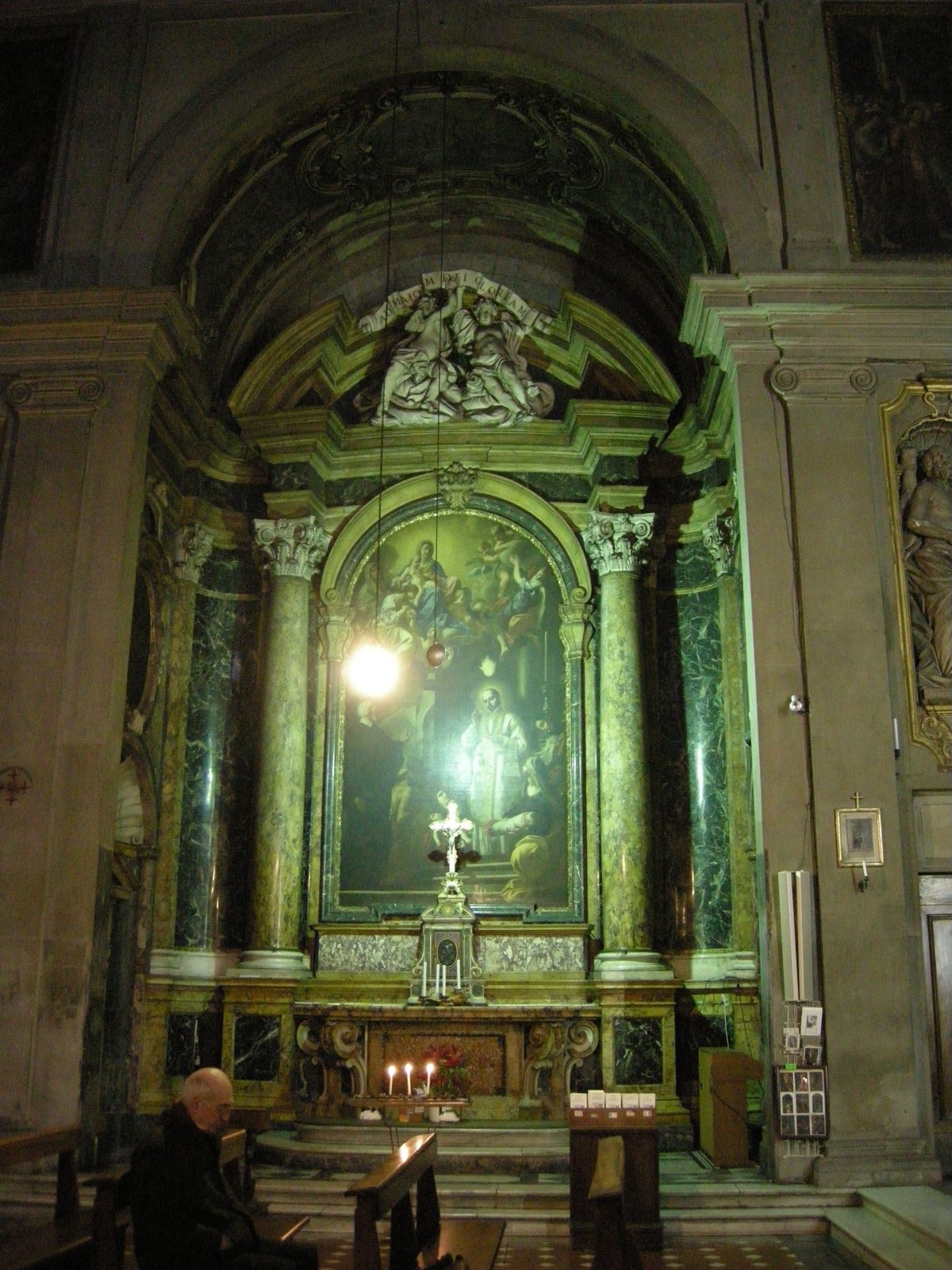
Four chapels line the right side. At the first altar is a Crucifixion with mourners, possibly painted by Baccio Tosini, son of Michele, and perhaps dating to the 1570s; the work was formerly attributed to Girolamo Macchietti. The surrounding frescoes, now poorly legible, are by Domenico Cresti, known as Passignano. The second altar has a 1936 image of Saint Pompilio, a Piarist priest, by Alberto Zardo, with crescent-shaped pictures by Pier Dandini. The third holds Saint Nicholas, an early Christian bishop, by Giovanni Domenico Campiglia and two oval paintings by Agostino Veracini. The fourth contains Francesco Curradi’s Saint Francis Xavier, the Jesuit missionary, paintings by Anton Domenico Bamberini, and stucco work by Girolamo Ticciati. It also keeps the relics of Saint Fiorenzo, an early Christian martyr who died in 303. His remains came to Florence in 1701 and have been in the church since 1842.
Left-side chapels
The first chapel contains Jacopo Ligozzi’s Angels, Jacob’s Ladder, and Fall of Lucifer, drawing on a vision in Genesis and the Christian tradition of the devil’s expulsion from heaven. The second, dedicated to Saint Bartholomew, one of the Twelve Apostles, contains Alessandro Allori’s Christ and the Canaanite woman, a figure in a Gospel story about Jesus, and oval paintings by an unidentified artist. Bartolommeo Ammannati and his wife, the poet Laura Battiferri, are buried there. An altarpiece portrays Ammannati as Saint Bartholomew and Battiferri as the woman on the right. The third chapel has Antonio Franchi’s Saint Joseph Calasanz, founder of the Piarist order, and side frescoes by an unidentified artist. The fourth contains Antonio Puglieschi’s Saint Ignatius of Loyola, founder of the Society of Jesus, with oval paintings by Anton Domenico Bamberini.