Somanouchi Kofun Cluster: Ancient Burial Mounds in Tenri, Japan
Site at a Glance
- Popularity
- Medium
- Country
- Japan
- Primary era
- Classical
- Eras represented
- Classical, Medieval, Modern
- Civilizations
- Japanese, Yamato
- Site type
- Burial
- Remains
- Necropolis
On this page16 sections
History
The Somanouchi Kofun Cluster is a group of ancient Japanese burial mounds in Tenri, Japan, built from the fourth to the seventh centuries. Kofun is the Japanese term for a burial mound, and the Kofun period was an era, broadly spanning the third through seventh centuries, marked by the construction of monumental tombs. The cluster’s forms reflect a changing tradition, from keyhole-shaped mounds, with a round rear joined to a rectangular front, through very large circular mounds to smaller circular examples. The people buried here have been tentatively linked to the Mononobe, an ancient Japanese clan, though that association is uncertain. Nishiyama Kofun is believed to be the oldest mound in the group, dating to the early fourth century.
Military use and wartime damage
In 1932, Emperor Hirohito watched military maneuvers in the area from Nishinorikura Kofun, using the mound as an observation point. During World War II, the Imperial Japanese Army, Japan’s land-based military force, installed an anti-aircraft gun position on Nishiyama. Stones were taken from its burial chamber during this use. A keyhole-shaped mound about 200 m north of Nishiyama was also destroyed during the war.
Excavation and protection
Excavation at the mound southwest of Nishiyama took place in 1978. Nishinorikura Kofun has been excavated four times since 1981. Nishiyama received Japan’s National Historic Site designation in 1927. In 2018, Nishinorikura was added to the protected site, whose name changed from Nishiyama Kofun to Somanouchi Kofun Cluster.
Remains
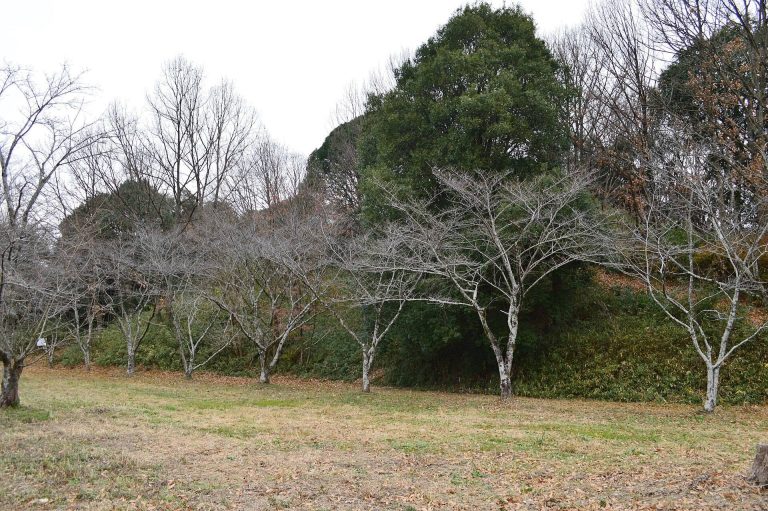
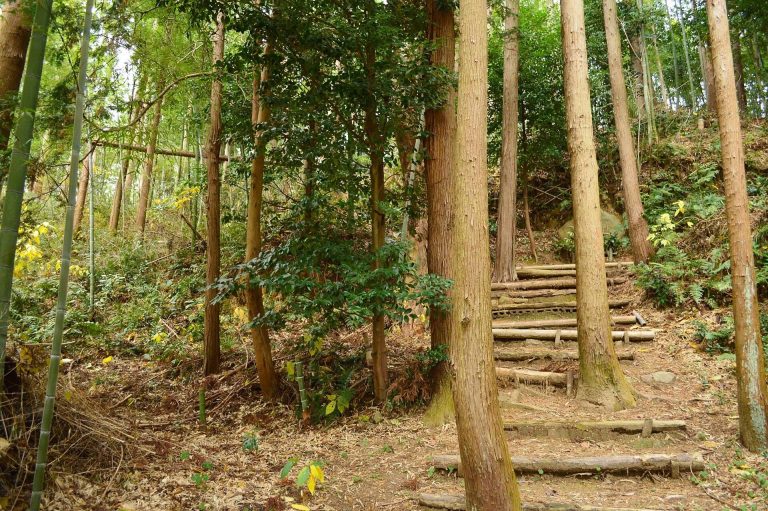
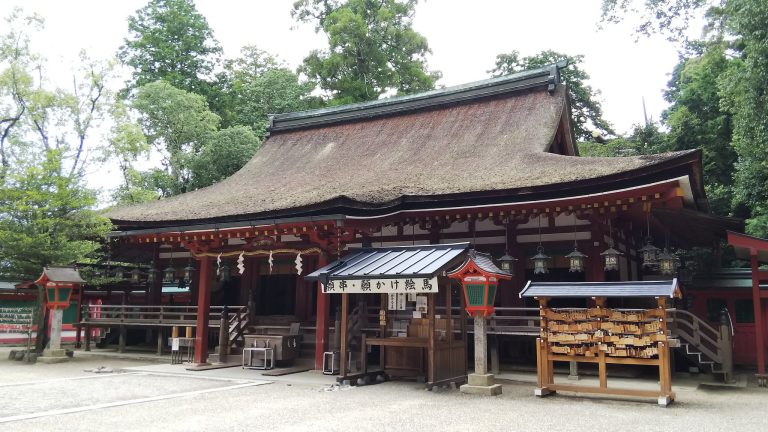
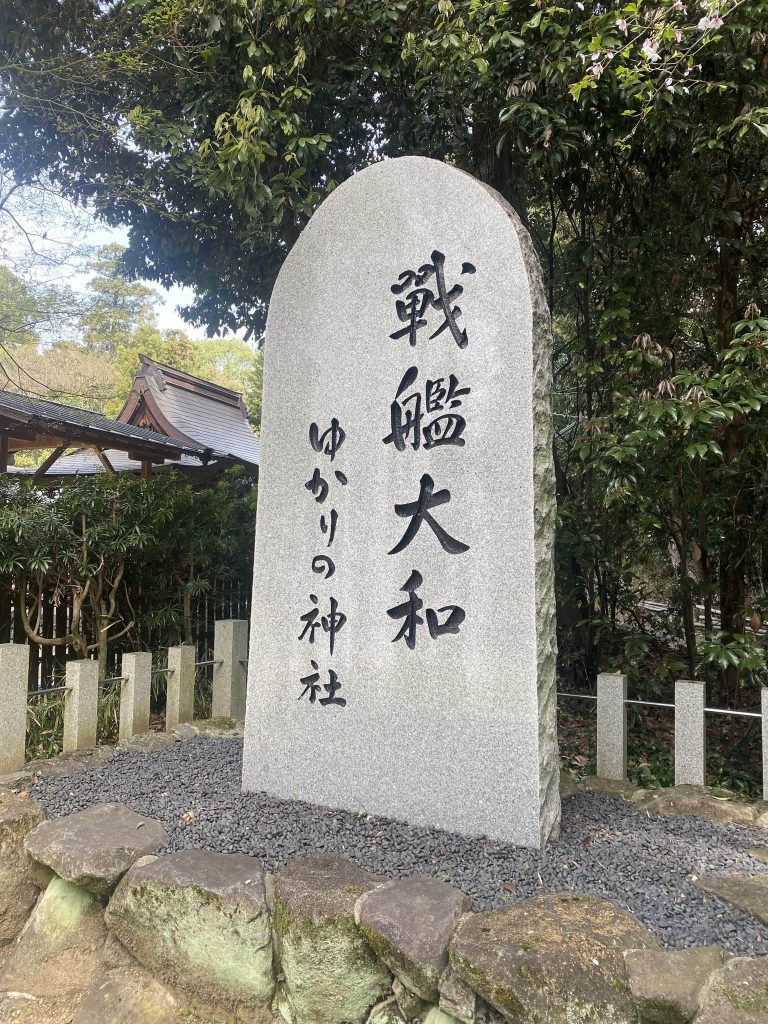
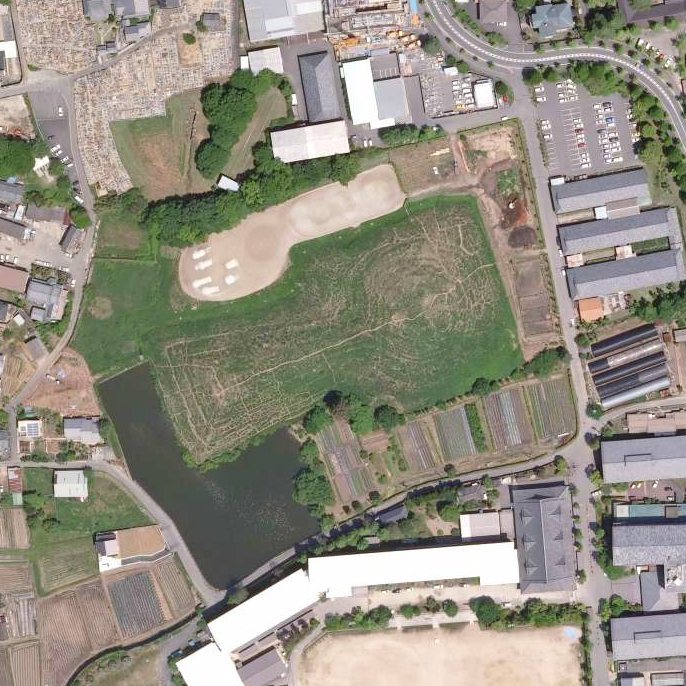
The mounds occupy hills across the Somanouchi-cho, Magata-cho, and Otogi-cho neighborhoods, south of the Furu River and Isonokami Shrine, a Shinto shrine, along the Yamanobe Road. The terrain includes a ridge extending eastward. Nishiyama lies within the grounds of Tenri High School, while Nishinorikura occupies the foot of a ridge at the eastern edge of the Nara Basin.
Early mounds around Nishiyama
Nishiyama Kofun
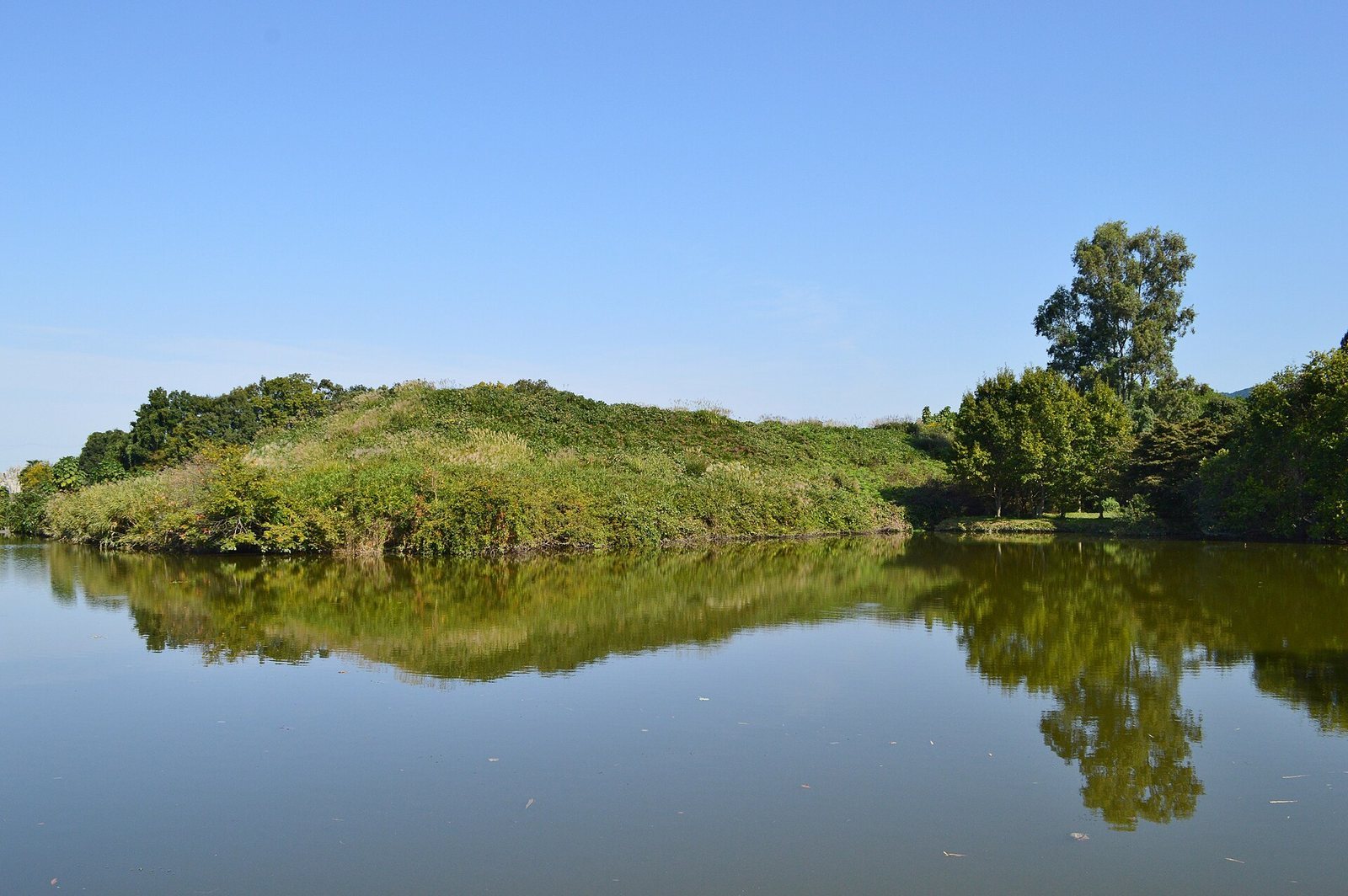
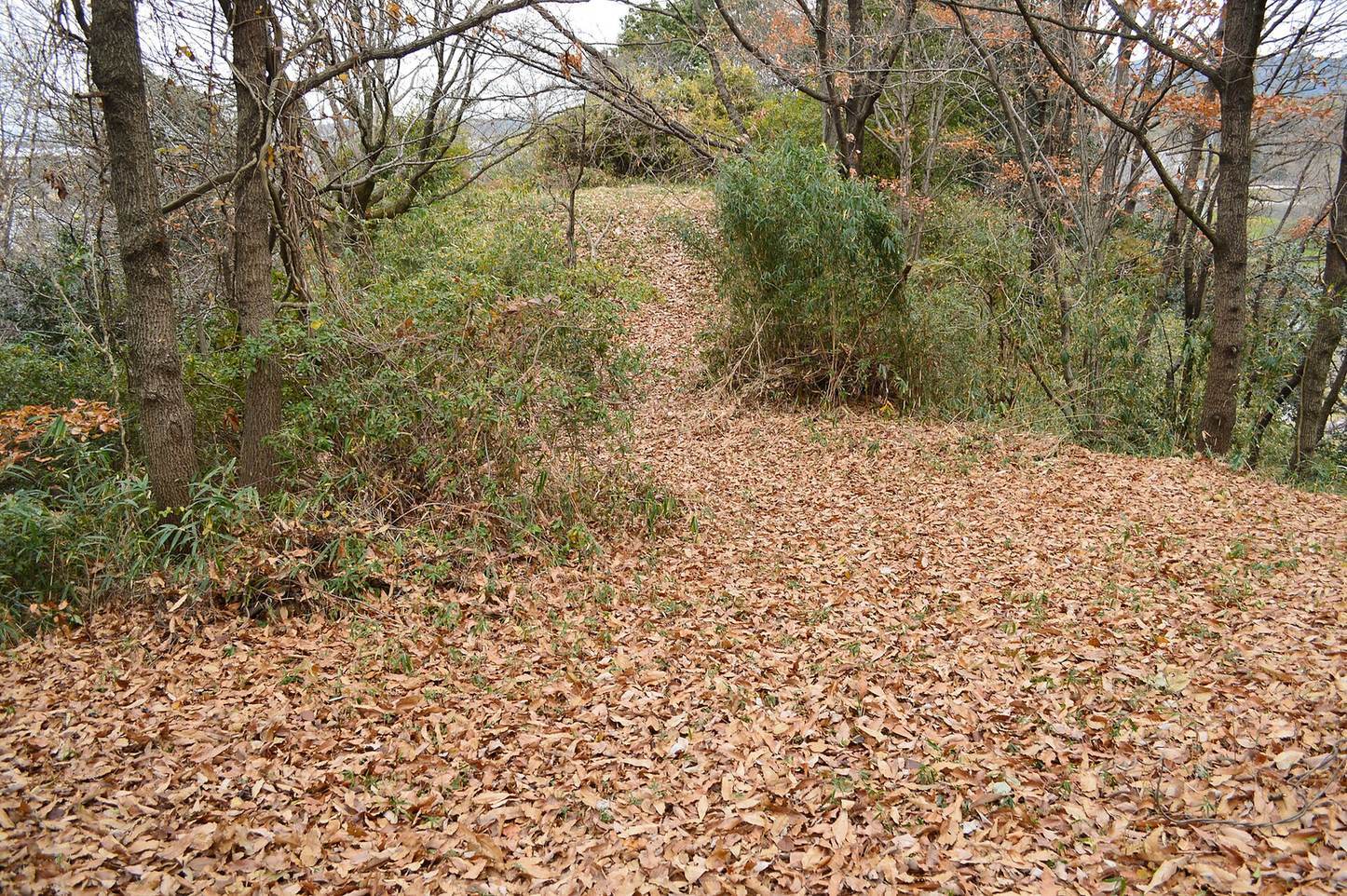
About 183 m long, Nishiyama is Japan’s largest front-square, rear-square mound, a type with square front and rear sections. Its unusual design combines a pair of joined square mounds at the lowest level with keyhole-shaped plans above, a configuration known only at this site. Each of the two lower squares measures 90 m on a side. The middle tier has a circular rear, 72 m across, joined to a rectangular front 90 m long. At the top, a flat area 30 m in diameter extends into a narrow front section for another 7 m. The rear rises 15 m and the front 10 m.
The mound faces west and follows a gentle natural slope. A square moat with a stepped form once enclosed it; the moat’s width varied with the terrain, and it has since been filled. The burial chamber is thought to have been a stone-lined pit entered from above, and it was robbed. Finds from the rear circular area include pieces of a bronze mirror, jasper arrowheads, tubular beads, and fragments of an iron sword and knife. A jasper wheel-shaped stone came from the moat south of the front section. Stones that covered the mound’s surface and clay figures, known as haniwa, were also recovered, including cylindrical, finned cylindrical, and house-shaped examples.
Northern keyhole-shaped mound
About 200 m north of Nishiyama stood an early Kofun-period mound with a keyhole plan. It measured 92 m in length, with a circular rear section 52 m across and its front pointing west.
Other keyhole-shaped mounds
Southwest-facing mound
A mound from the middle Kofun period lies southwest of Nishiyama. It was about 80 m long and faced southwest. Its upper surface has been levelled, and its present height is 6 m. Excavation of the surrounding moat recovered a wooden object shaped like a haniwa.
Northwest-facing mound
Another mound of the middle Kofun period measures 45 m in length and faces northwest.
Nishinorikura Kofun
This two-tiered mound is about 120 m long and 18 m high, and is the cluster’s second-largest after Nishiyama. It faces south and is cut into the base of an east-west ridge. Its circular rear section is 66 m across and 15.5 m high; the rectangular front is 88 m wide and 16 m high. Projections extend from both sides of the narrow area joining the two sections. The mound’s construction is estimated to fall around the turn of the sixth century.
An inner moat surrounds Nishinorikura. A buried outer bank forms a level area, and together these features extend about 165 m from north to south. Traces of outer moats on the south and east suggest that the mound may once have had two moats. Its burial chamber may have been a side-entry stone chamber, reached through a passage. Cylindrical and figurative haniwa, along with Sue and Haji pottery, two types of ancient Japanese ceramics, were found outside the mound.
West-facing mound
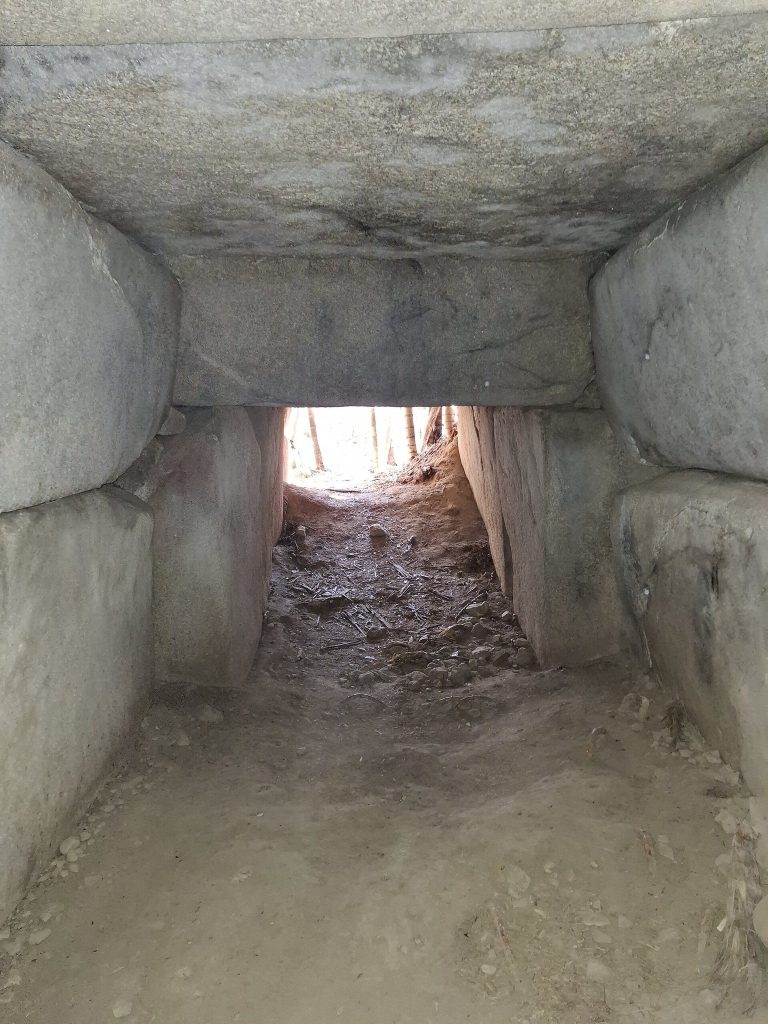
A keyhole-shaped mound dating to the first half of the sixth century is about 75 m long and 10 m high, with its front facing west. Its stone burial chamber faces south and is 14.6 m long. The chamber was entered from the side through a passage.
Circular and levelled mounds
Circular mound north of Nishiyama
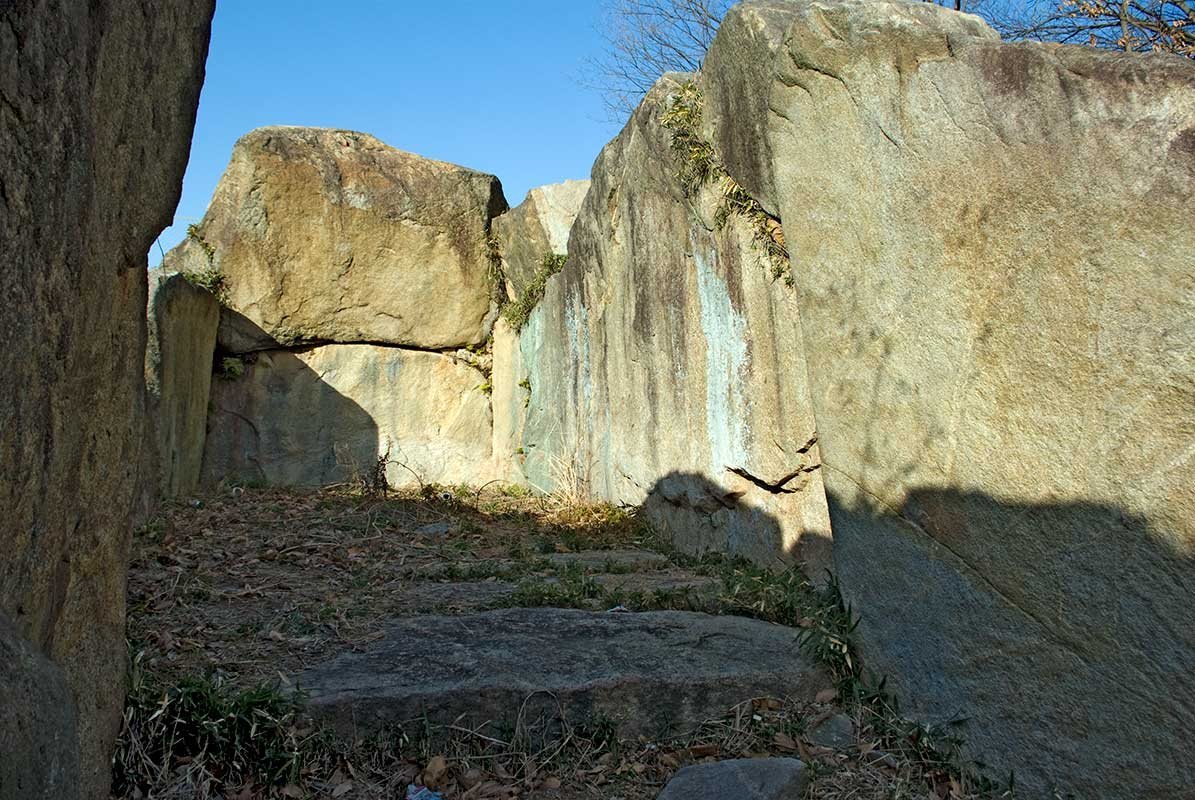
Immediately north of Nishiyama is a circular mound 64 m in diameter, dating to the terminal Kofun period. Its stone chamber is 17 m long. Large stones of equal size line the passage, an arrangement also found at Ishibutai Kofun in Asuka.
Circular mound east of Nishiyama
About 500 m east of Nishiyama, a two-tiered circular mound measures 35 m across and 6 m high. It lies beneath a cemetery and dates from the late sixth century to the first half of the seventh. Its side-entry stone chamber was built from carefully finished large stones, and cut stones covered the mound’s surface.
Levelled mound
A heavily levelled mound now measures about 17 m across. Investigation suggests it may originally have been circular and 25 to 35 m in diameter.