Ghangad: A Stone Hill Fort in Maharashtra, India
Site at a Glance
- Popularity
- Medium
- Country
- India
- Primary era
- Unclassified
- Eras represented
- Unclassified
- Civilizations
- Unclassified
- Site type
- Military
- Remains
- Fort
On this page8 sections
History
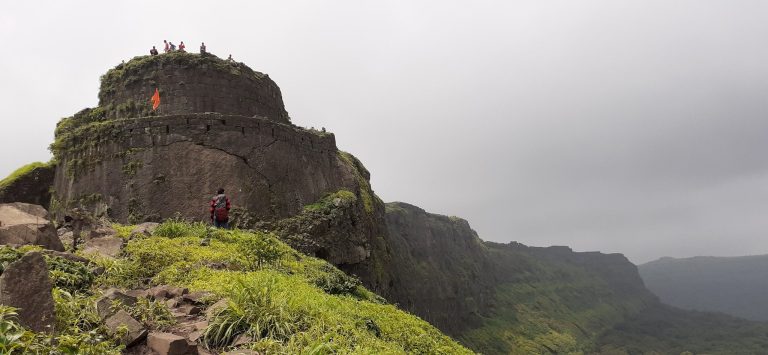
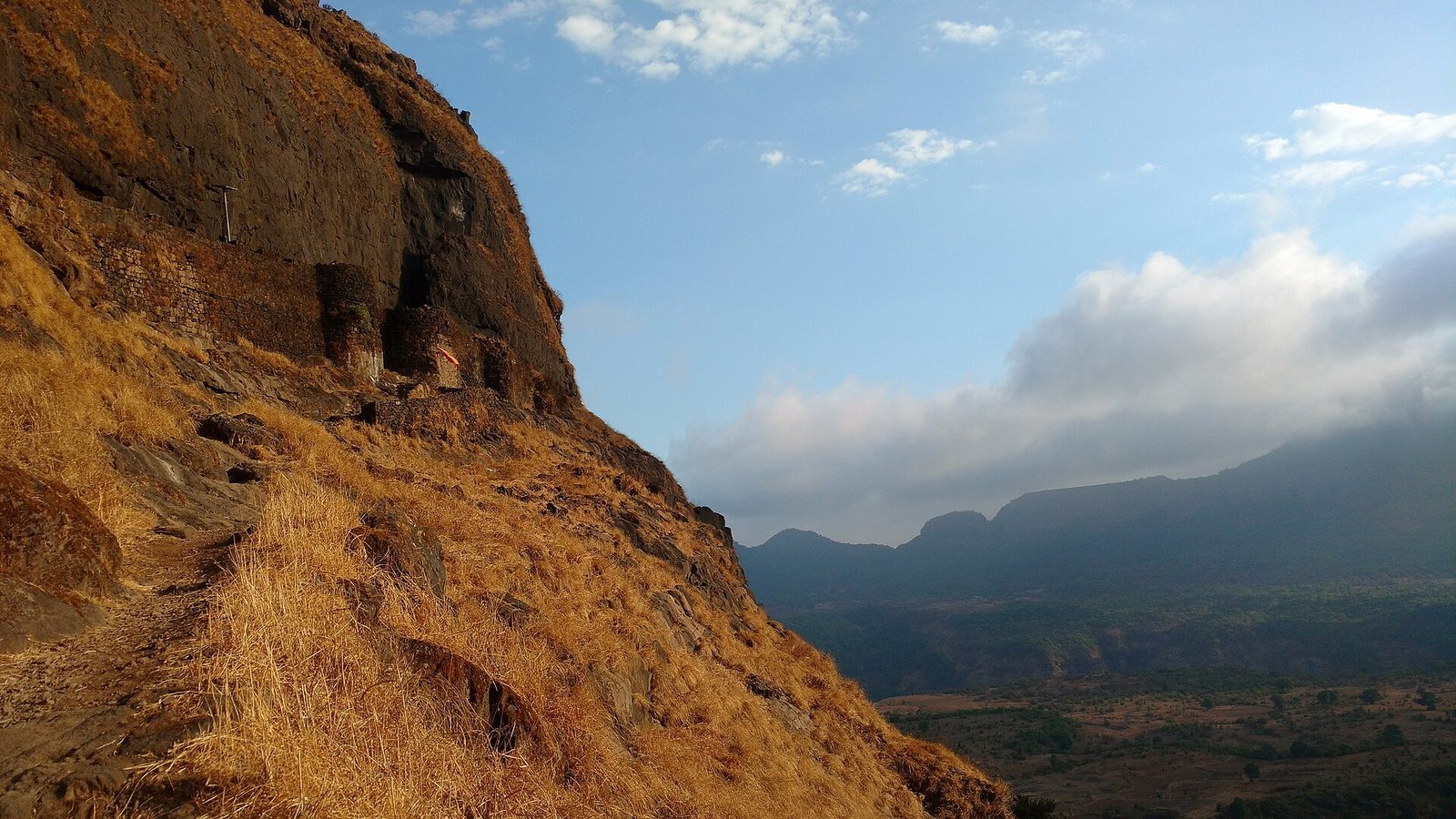
Ghangad is a stone hill fort in Pune district, Maharashtra, India, within the Sahyadri, the name commonly used in India for the Western Ghats. At least 300 years old, it was used to hold prisoners and watch the trade route between Pune and the Konkan.
Maratha Control and Surrender
Ghangad remained under Maratha control until 1818. The Maratha Empire was a major Indian polity that rose in the seventeenth century and expanded substantially in the eighteenth. After Korigad fell on 17 March 1818, Ghangad surrendered to British forces.
Restoration
In 2011–12, the Maharashtra-based Shivaji Trail group, which works on historic forts and their heritage, carried out restoration with help from local villagers.
Remains
Surviving Features
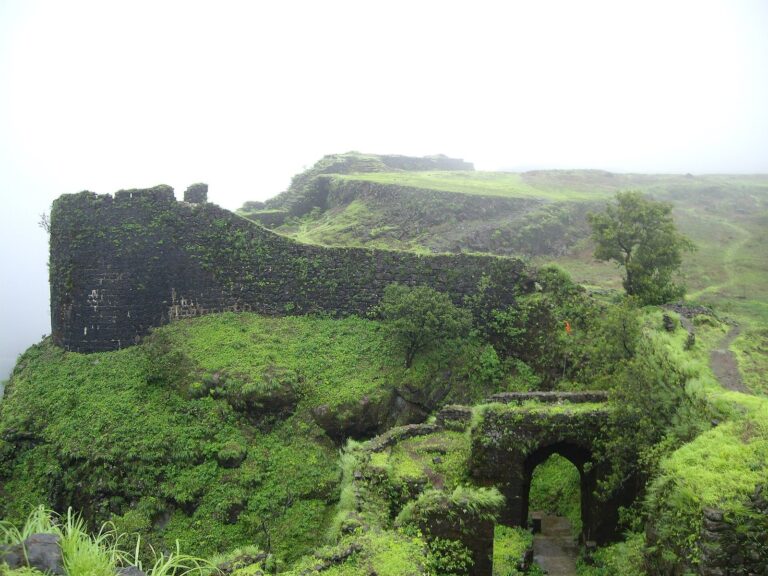
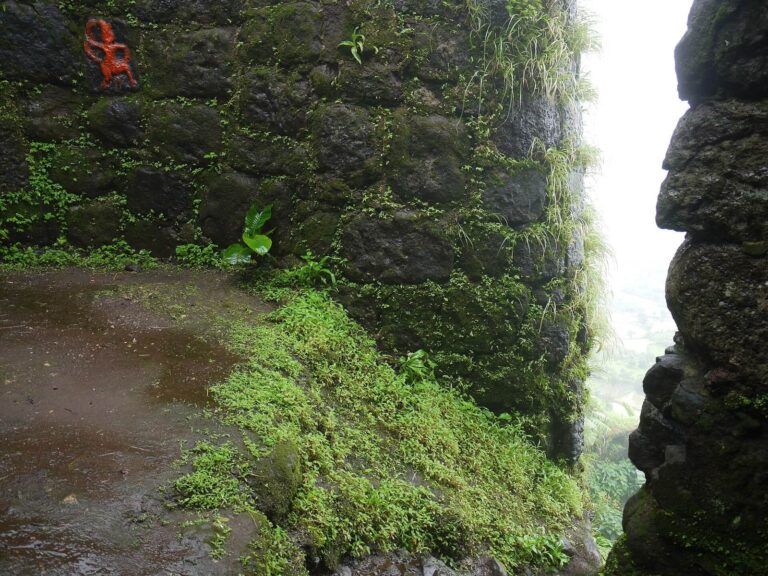
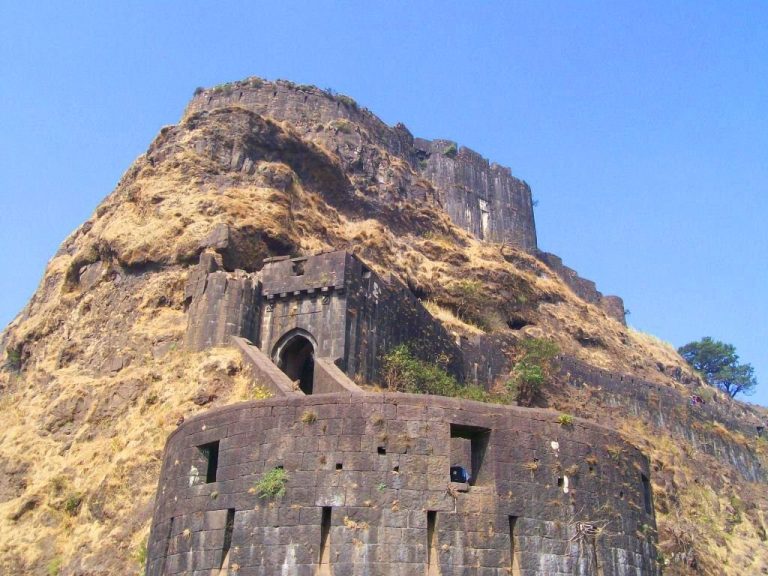
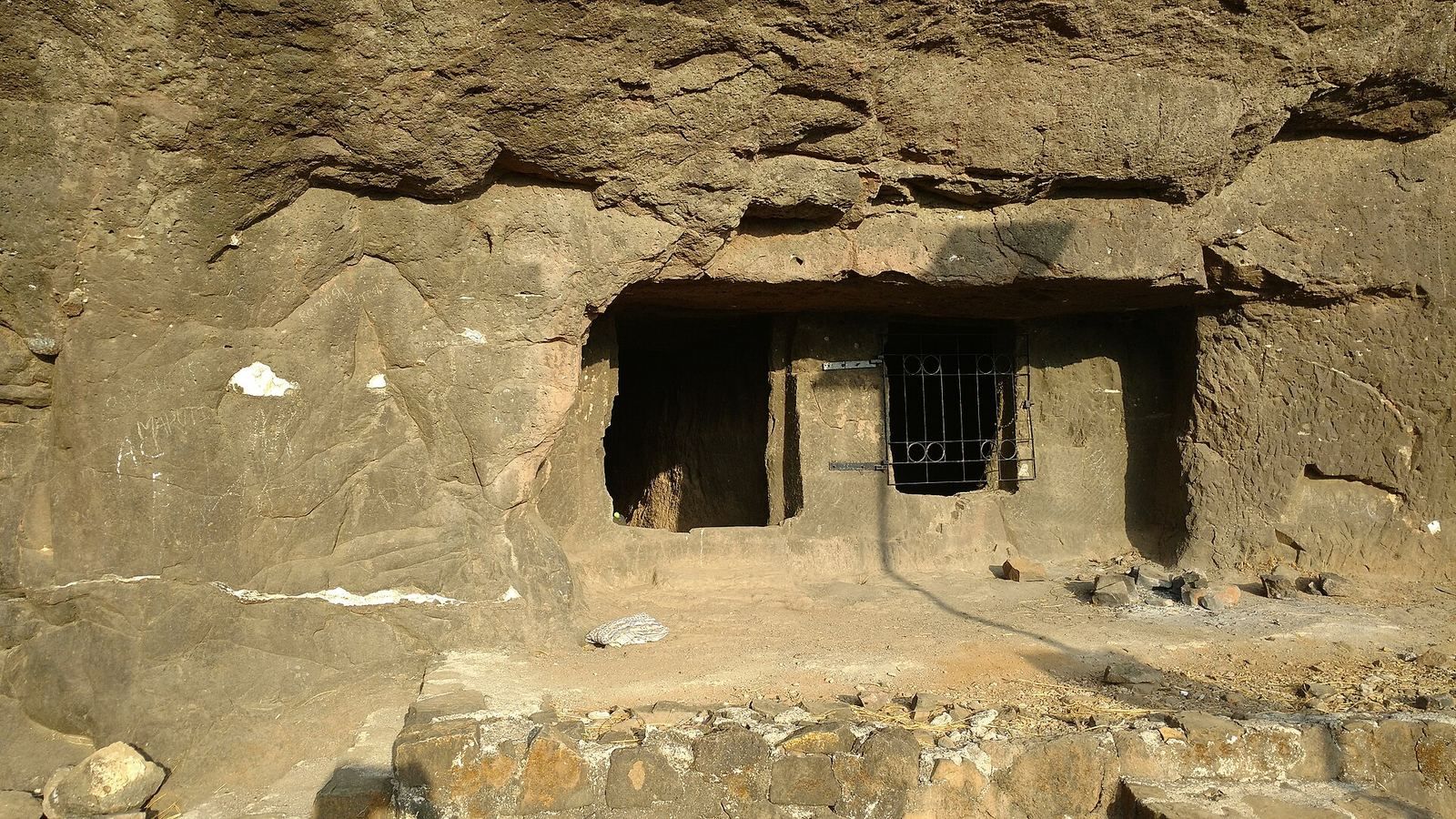
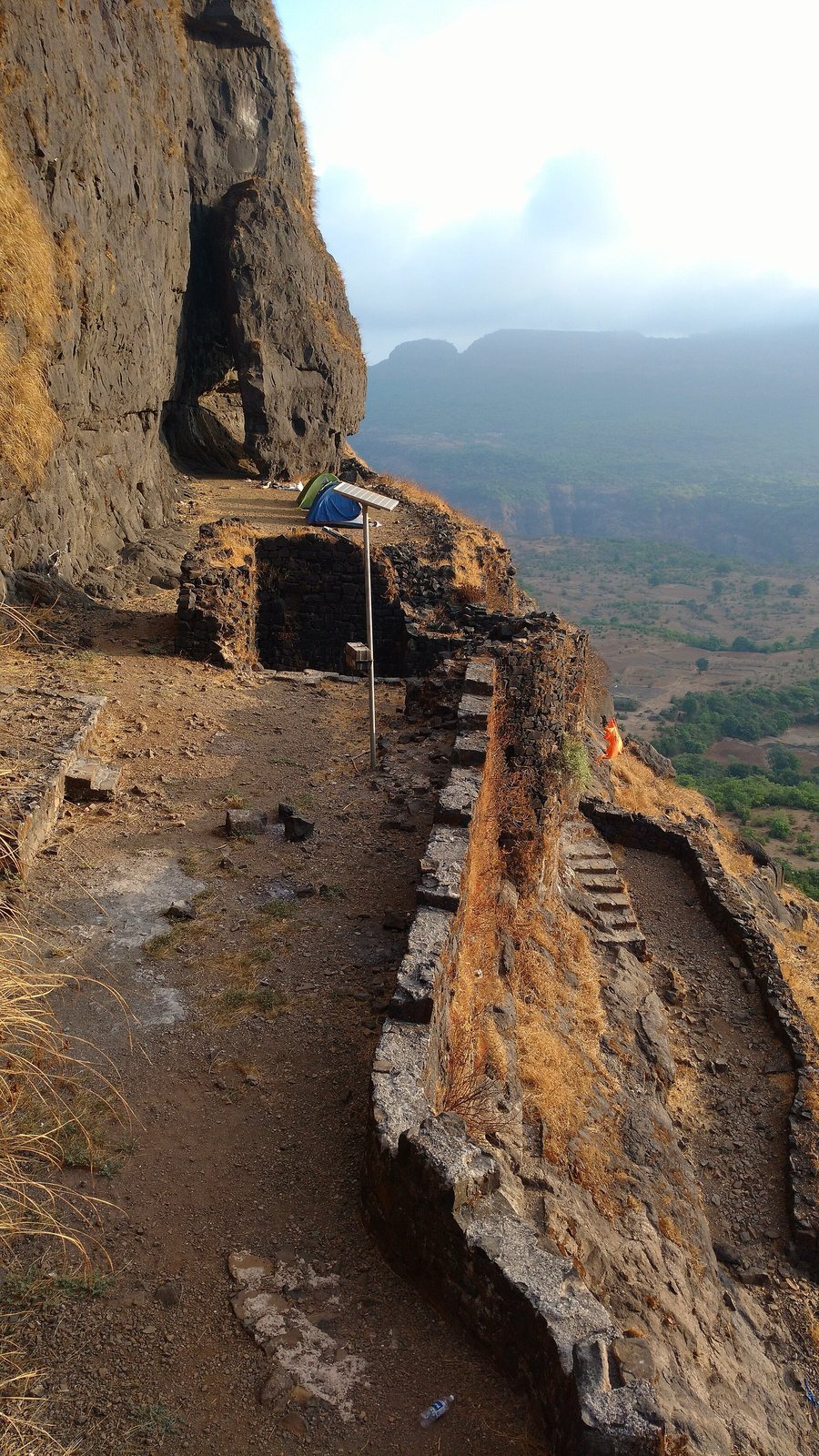
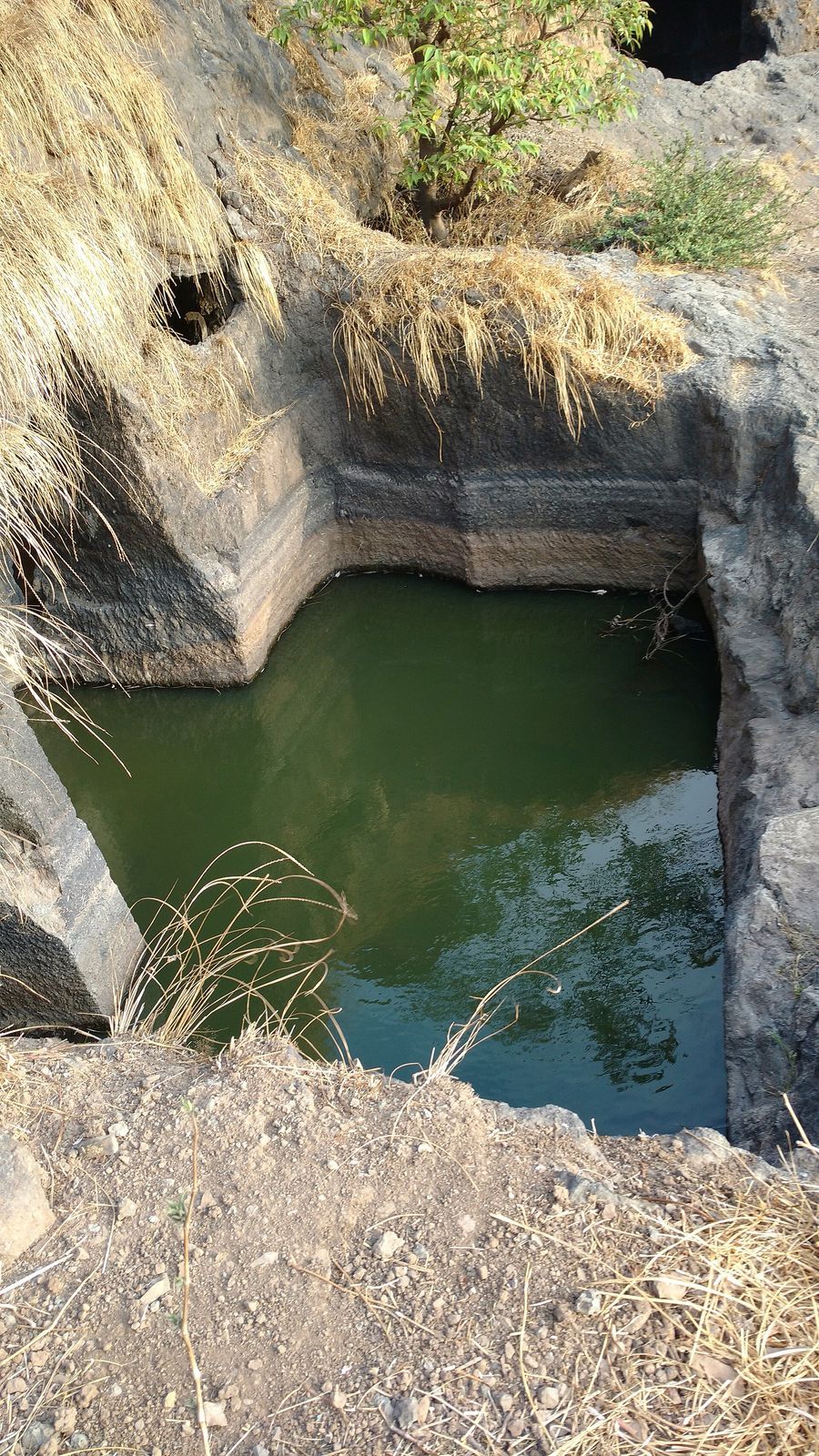
Ghangad stands at a height of 3,000 feet and survives in ruins. Its stone remains include two gates, a rock-cut water cistern, and the elevated inner citadel known as the Balekilla.
Gates and Cistern
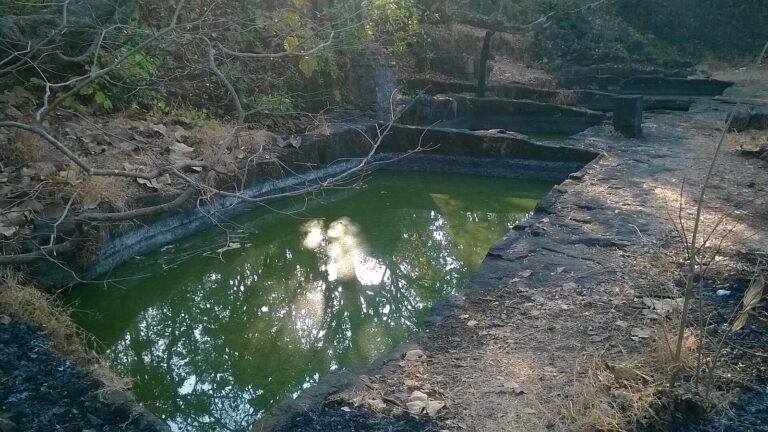
The fort has two gates, and the arch above the main entrance is missing. A rock-cut cistern lies on the route to the second gate. Its water is available throughout the year and is used for drinking.
Balekilla
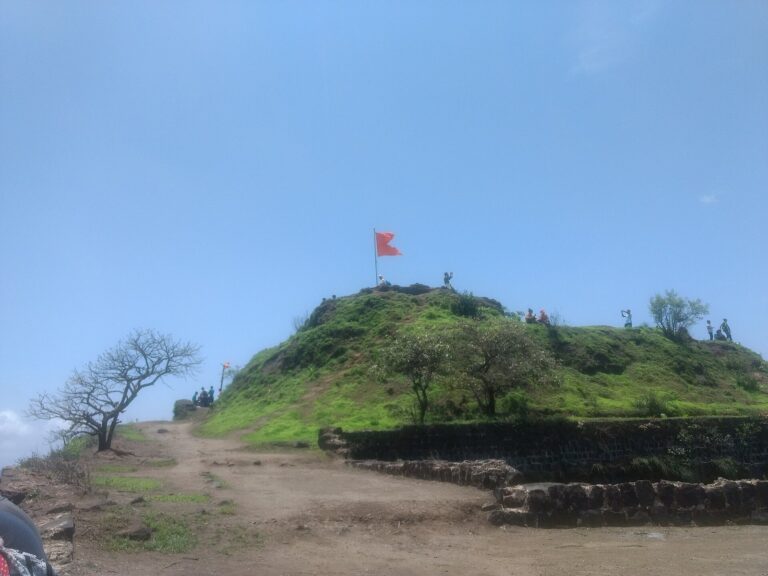
Villagers have placed an iron ladder for climbing to the Balekilla, the elevated inner citadel of a hill fort. Several dilapidated buildings remain there. From the summit, views extend to TailBaila, Korigad, Mulshi Dam, and Sudhagad Fort.
Garjai Devi Temple
A temple named Garjai Devi stands on the way to the fort. Garjai Devi is a Hindu goddess.