Greyfriars Monastery (Stockholm): A Franciscan Friary
Site at a Glance
- Popularity
- Medium
- Country
- Sweden
- Primary era
- Medieval
- Eras represented
- Medieval
- Civilizations
- Swedish
- Site type
- Religious
- Remains
- Monastery
On this page9 sections
History
Foundation and medieval friary
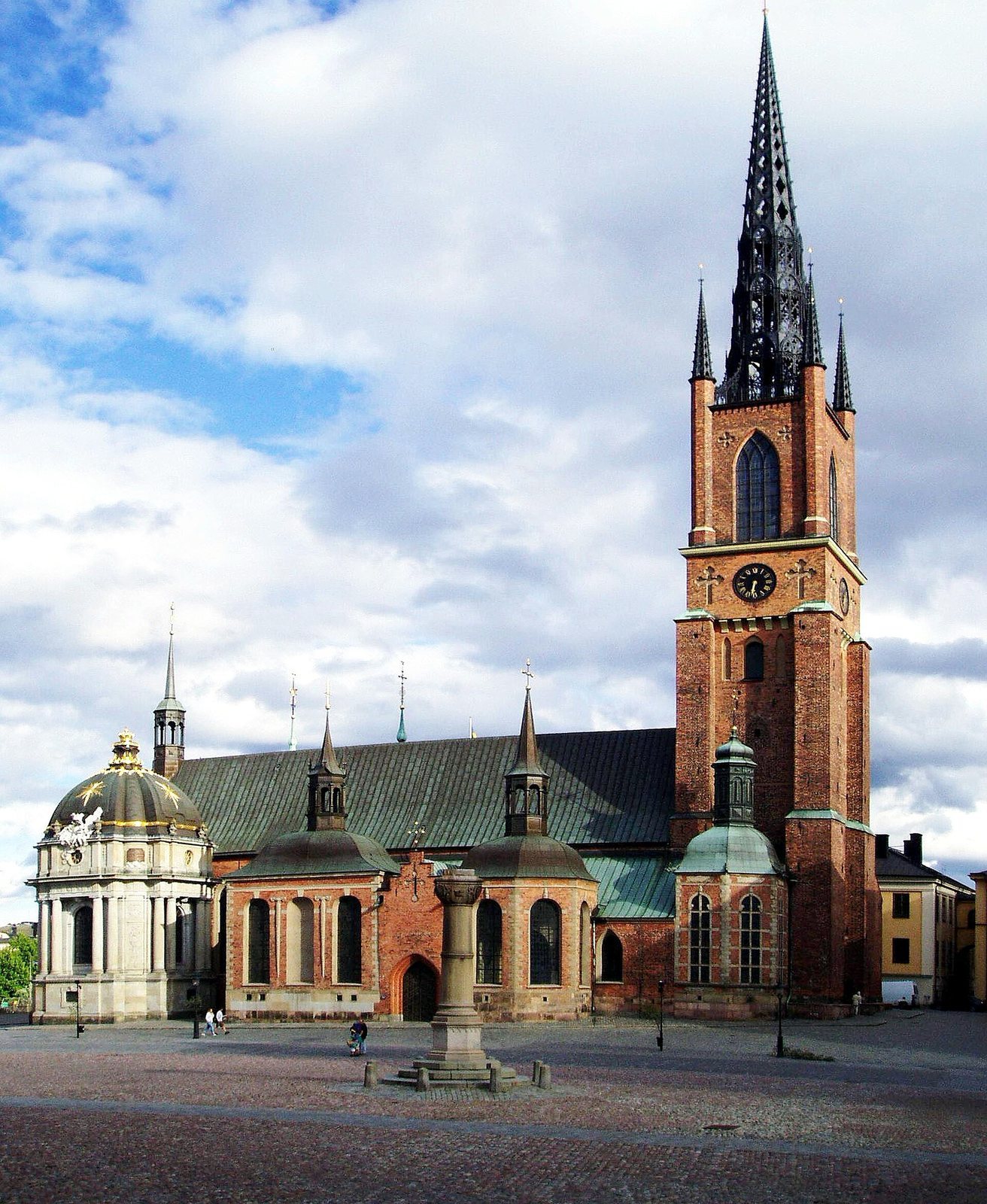
Greyfriars Monastery was a Franciscan friary on Riddarholmen in Stockholm, Sweden, founded around 1270 through a donation from King Magnus III of Sweden, also known as Magnus Ladulås. The Franciscans, or Grey Friars, were a Catholic religious order whose members relied on alms. The friary’s diary gives 1270 as its foundation year.
In 1288, Magnus gave the friars Skepparholmen, where they obtained timber for their church. The Erik Chronicle, a Swedish verse chronicle written around 1325, calls the island Kidaskär and recounts the monastery’s foundation, the king’s gifts, and his wish to be buried there. The name Kidaskär, also rendered Kidhaskär, probably included an Old Swedish word for “kid,” perhaps reflecting the island’s use for grazing goats. The friars’ presence later gave the island names including Gråbrödraholm and Gråmunkeholmen; it is now called Riddarholmen. From the fifteenth century, the friars also operated on Kungsholmen, which became known as Munklägret.
At the end of the fifteenth century, Kanutus Johannis headed the friary and added several volumes to its library. After the siege of Tre Kronor, Stockholm’s royal castle, on 9 May 1502, the defeated Queen Christina of Saxony was held at the friary by Sten Sture the Elder, a Swedish regent.
From friary to public institutions
The Swedish Reformation, a sixteenth-century religious and institutional transformation, brought the friary’s closure in 1527. The friars had to leave, and the buildings were assigned to a public hospital. Nuns displaced from St Clare’s Priory moved into the former friary. The hospital transferred to Danviken in 1551, probably because its premises had too little room.
The Trivial School, an early school teaching basic Latin and liberal arts, occupied the former friary from 1551 to 1666. A theological college, Collegium Regium Stockholmense, also used the site from 1576 to 1593. In 1625, a combined home for children and prison for adults opened there. Poor management led to its closure in 1631 and the creation of two separate institutions. One became a predecessor of Stora Barnhuset, an institution for orphaned and poor children.
Remains
The surviving remains represent several parts of the medieval complex: the monastery church, a wing beside the western side of the courtyard, basement rooms, and the former burial courtyard. They are preserved in and around later buildings on Riddarholmen.
Surviving buildings
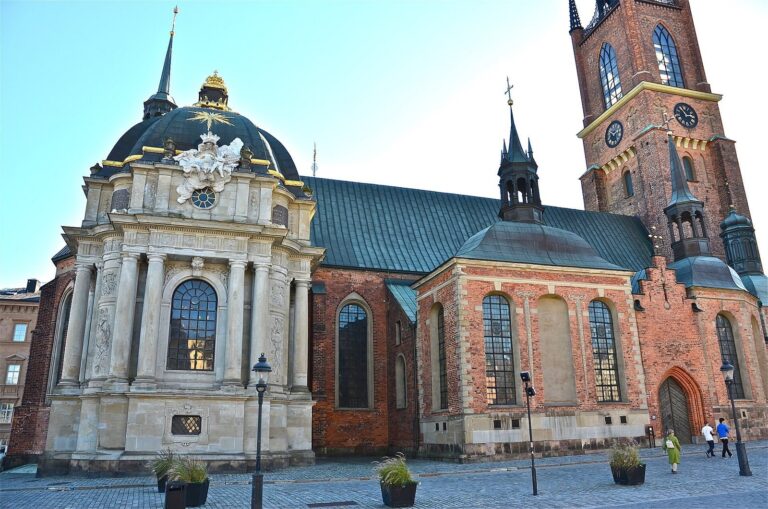
Riddarholmskyrkan
Riddarholmskyrkan is the monastery church that survives. It is regarded as the oldest building in central Stockholm and is also described as the city’s oldest church. The Erik Chronicle portrays the medieval church as large, with a bright choir and vault arches adorned with gold.
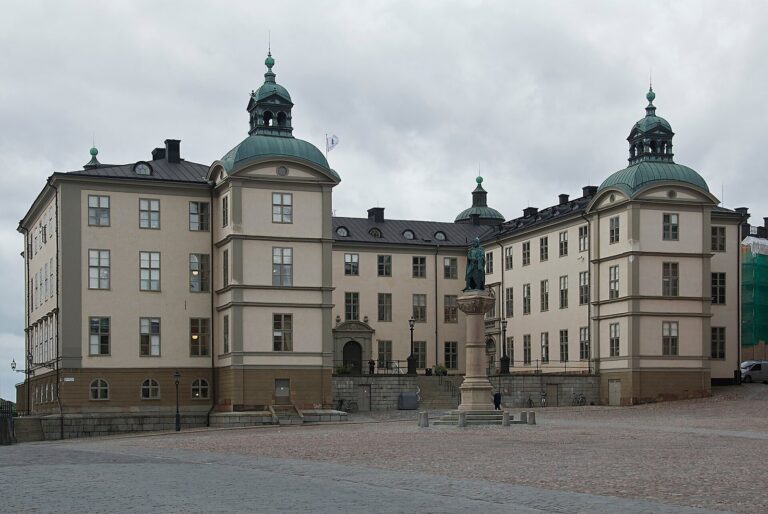
Östra Gymnasiehuset
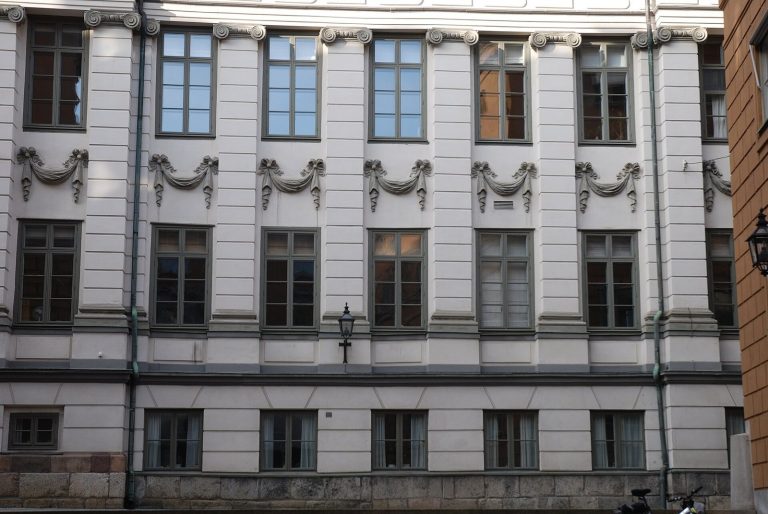
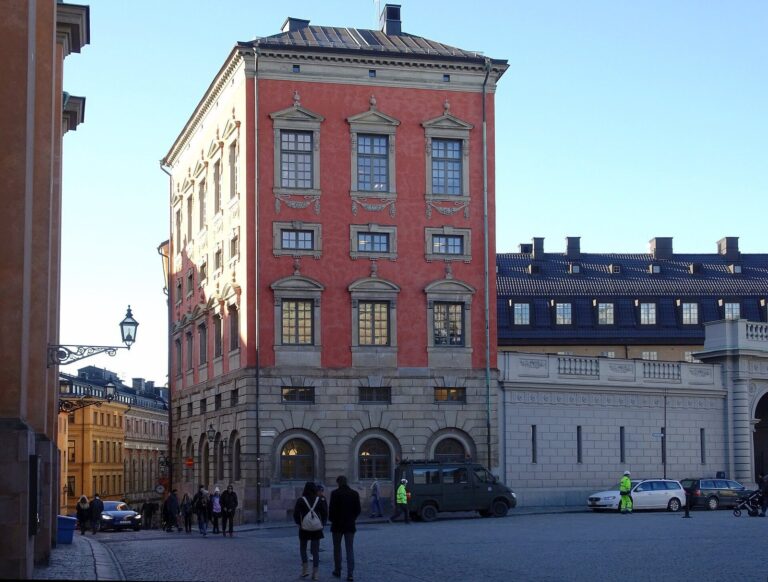
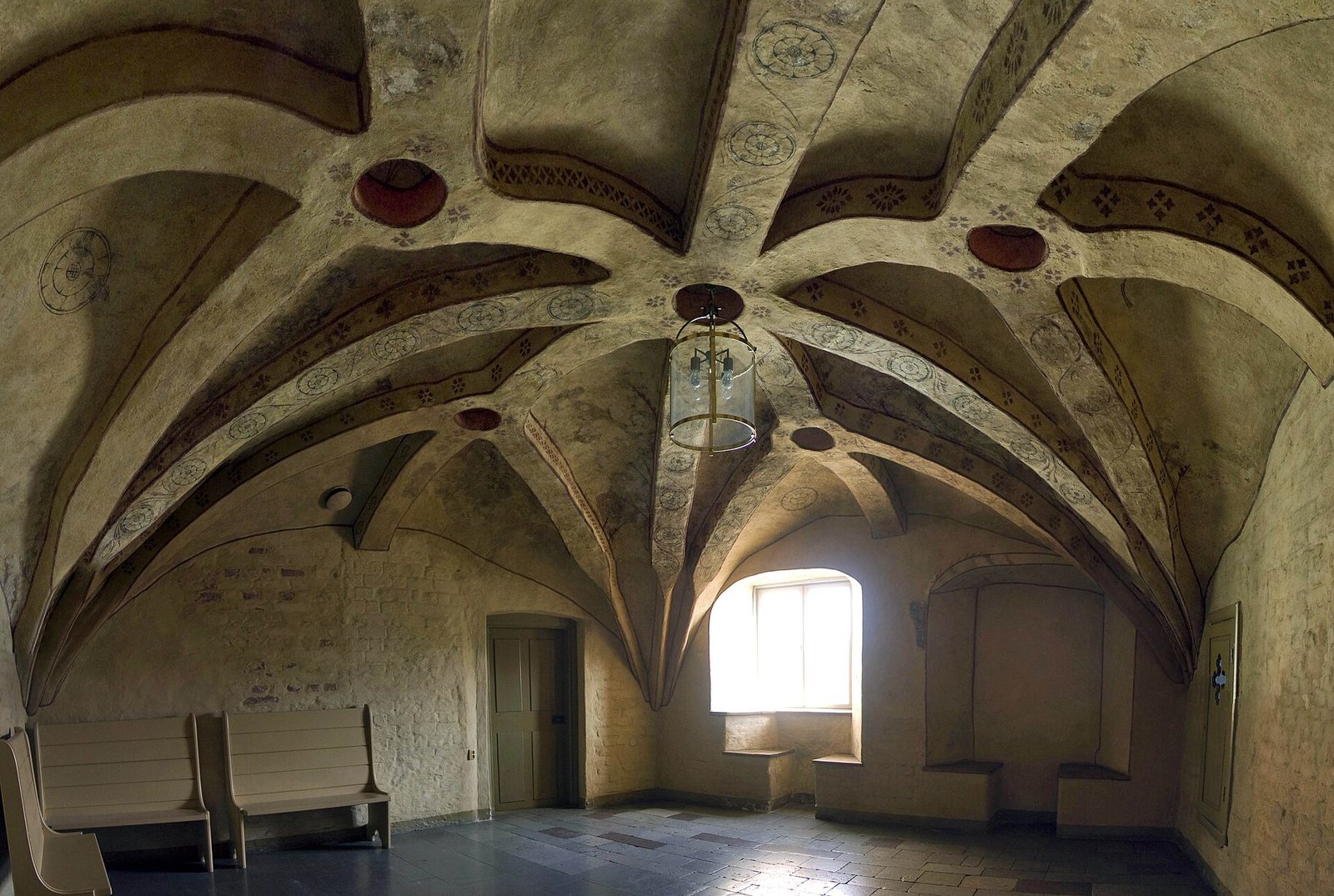
Part of the former friary wing that bordered the courtyard on its western side survives within Östra Gymnasiehuset, together with sections of the monastery wall and basement. The building also contains a monastery room with a star vault, a ribbed ceiling whose ribs form a star pattern. The room is believed to have been decorated by Albertus Pictor, a German-Swedish painter who died in 1509.
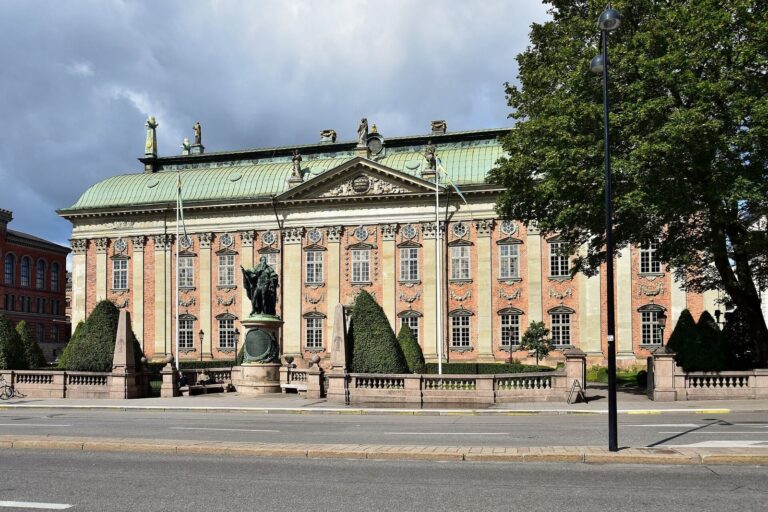
Old Parliament House
Several rooms from the friary complex remain in the basement of the Old Parliament House.
Burial courtyard and excavation
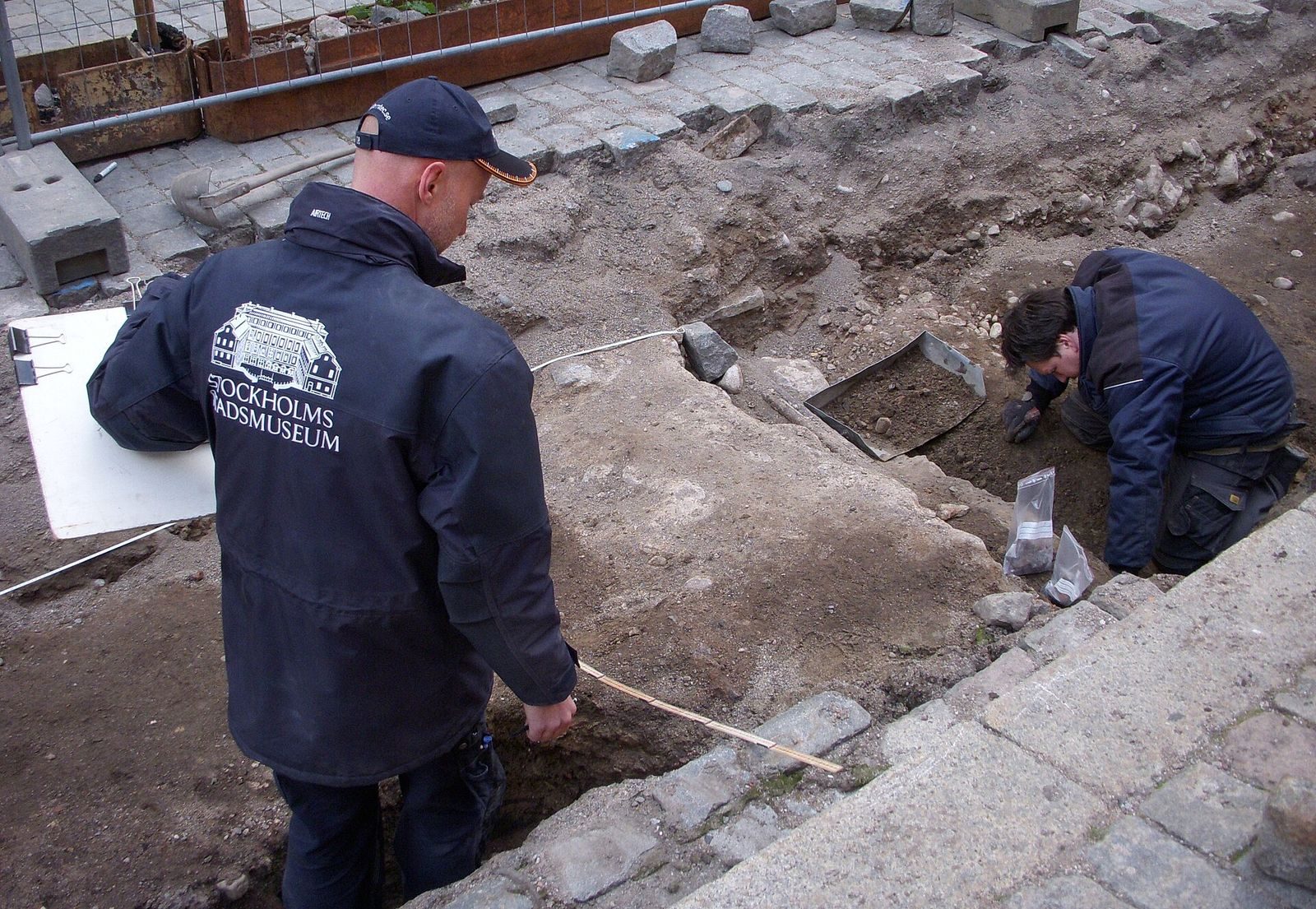
In September 2010, an excavation outside the south side of Riddarholmskyrkan exposed a medieval monk’s skeleton in the former courtyard where the friars were buried. A street culvert built beneath the road in 1945 had cut through the skeleton’s left leg. The wooden coffin had decayed, leaving a slightly darker streak in the grey soil.