Prinzenpalais: A Baroque Manor House and State Archive in Schleswig
Site at a Glance
- Popularity
- Medium
- Country
- Germany
- Primary era
- Early Modern
- Eras represented
- Early Modern
- Civilizations
- Unclassified
- Site type
- Domestic
- Remains
- Elite Residence
On this page8 sections
History
Construction and ownership
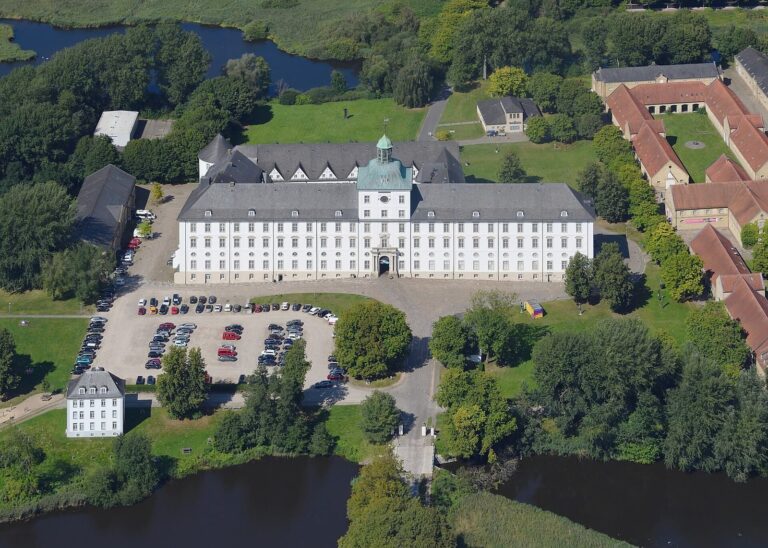
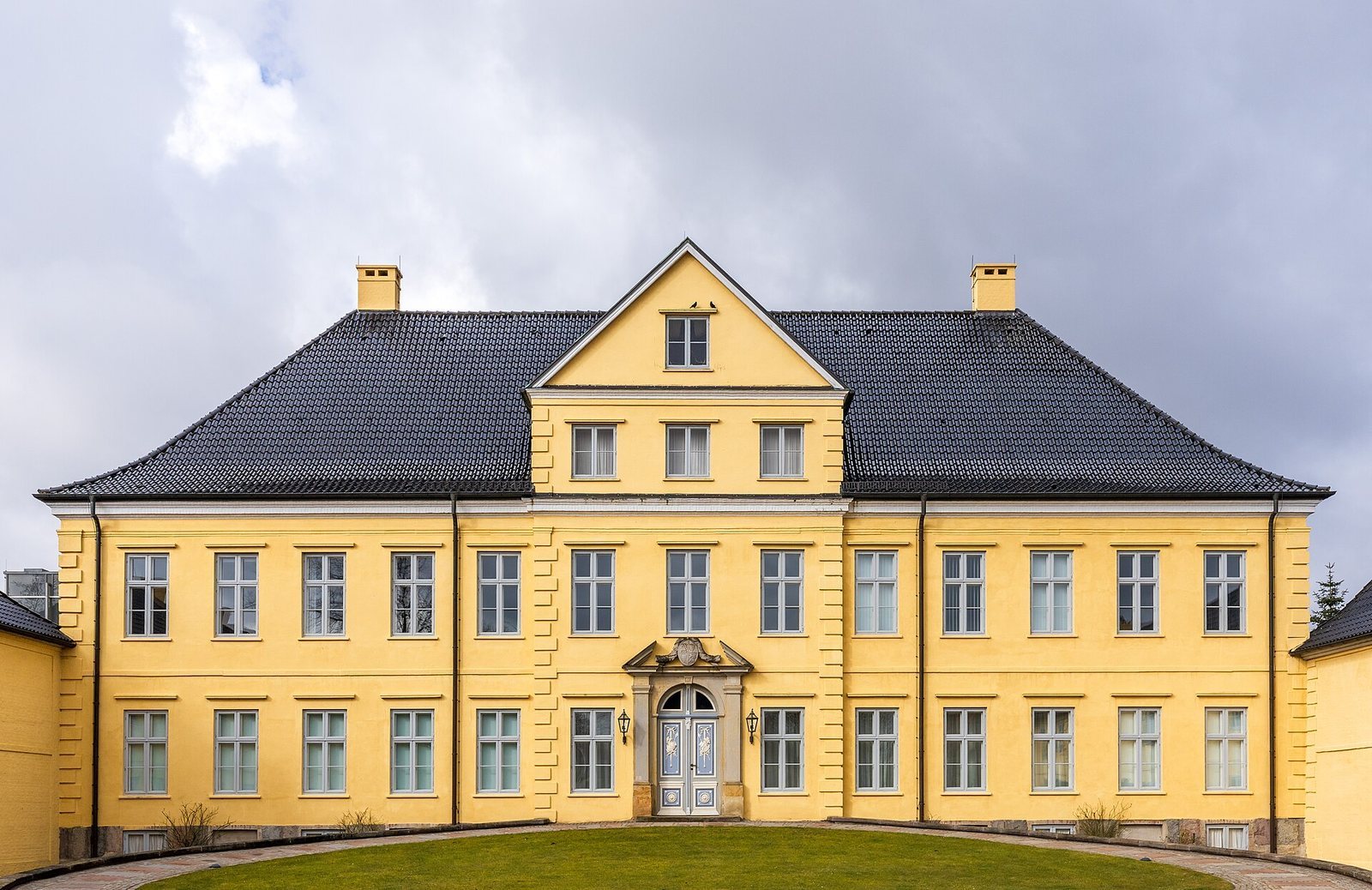
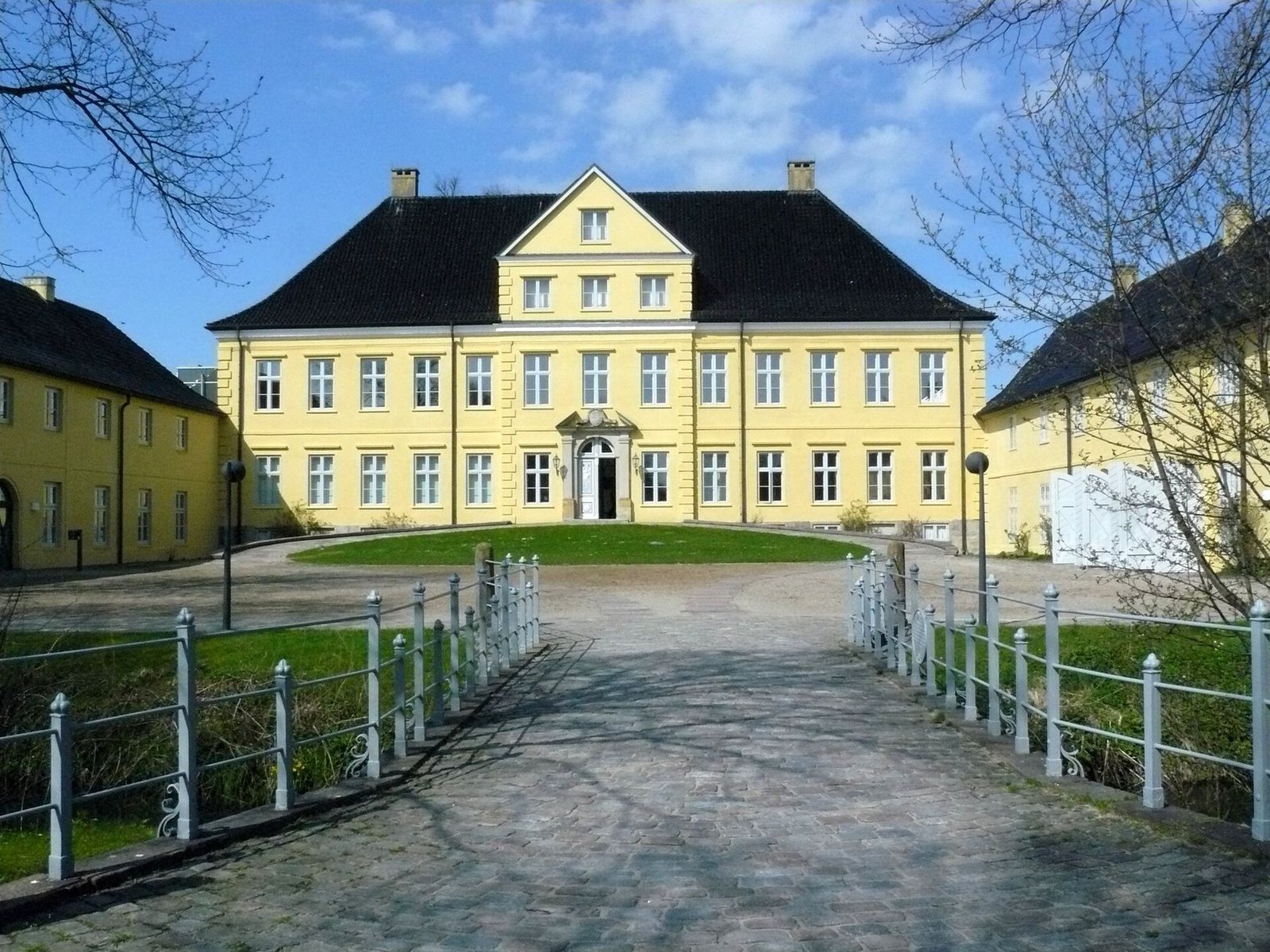
The Prinzenpalais is a Baroque manor house in Friedrichsberg, Schleswig, Germany, built around 1700 for Privy Councillor von Buchwaldt, a senior government adviser. Baroque architecture is associated with elaborate forms and ornament. A princely administrative office had earlier occupied the site. Von Buchwaldt later sold the property to Georg Heinrich von Görtz, a senior official at Gottorf, the seat of a ducal court in Schleswig.
The palace takes its name from former owner Prince Friedrich Emil August, also known as the Prince of Noer. He belonged to the Augustenburg line, a ducal branch of the Schleswig-Holstein-Sonderburg house. In March 1848, he became war minister in the provisional Schleswig-Holstein government and commanded its army until 7 April 1850 during the Schleswig-Holstein War, the uprising against Denmark. After the uprising was defeated, he went into exile in 1851.
Military headquarters and the 1864 withdrawal
During the Second Schleswig War, the 1864 conflict between Denmark and Prussia and Austria over Schleswig and the political settlement of the duchies, the Danish army confiscated the palace and used it as the headquarters of Lieutenant General Christian Julius de Meza, its commander in Schleswig. Prussia and Austria had demanded that Denmark repeal the common constitution for Denmark and Schleswig, adopted on 18 November 1863. When Denmark refused, the two powers announced their intention to occupy Schleswig and began doing so on 1 February 1864.
At about 7:30 a.m. on 31 January, two Prussian staff officers brought Field Marshal Friedrich von Wrangel’s letter to de Meza at the palace. Wrangel asked whether the Danish general had orders to withdraw his troops from the duchy. De Meza’s chief of staff and other officers were inspecting defenses along the Schlei, so the envoys were presented directly to him. De Meza rejected the powers’ right to occupy Danish territory and said he would resist by force. He sent a written reply at 3:30 p.m. It had first been written in Latin cursive, but was recopied in German Kurrent, a historical form of German handwriting, because Wrangel could not read the original hand.
At a final Danish war council held at the palace on 5 February, de Meza and the senior commanders decided, almost unanimously, to abandon the Danevirke, a system of defensive earthworks in Schleswig. Lieutenant General Lüttichau objected because he did not want to leave the artillery. The council concluded that the Schlei, a long inlet of the Baltic Sea, offered an inadequate defensive barrier and that winter bivouacking in the area was impracticable. It judged that defending the position required 40,000 to 50,000 troops, while Denmark had about 35,000, whose composition and training were inadequate for the task. The opposing force was assessed at no fewer than 50,000, and it had taken ground needed for Danish outposts and artillery. The commanders also feared that a breakthrough would prevent an orderly retreat. Ministry instructions issued on 22 January had directed them to avoid a battle that might destroy the army as an effective force.
The Danish army withdrew in the early hours of 6 February, leaving equipment behind, including 135 guns and 136,000 rounds of ammunition.
Archive, household, and state uses
From 1867, the building held archival records from the Lübeck region of Schleswig-Holstein. Adolf and Hermann Flenker bought it in 1912, after which it served as their family home and as the Hotel Prinzenpalais, with the Weinstube Flenker. During the First World War, it was also used as a hospital. Anna-Marie Ehlert, née Flenker, inherited the palace in the 1950s. In the 1960s, the hotel and restaurant added Club 60, the first jazz club in Schleswig-Holstein.
Karin Hinrichsen, née Ehlert, sold the building to the state of Schleswig-Holstein on 23 November 1979. It was gutted in 1980 and became the Schleswig-Holstein State Archives on 17 September 1991. The Kiel University Archive, which the state archive had held on deposit since 1934, moved there from Gottorf Castle in 1991. Since 1992, the Research Centre for Regional Contemporary History and Public History has occupied a wing.
Remains
The palace and its collections
Building
The Prinzenpalais has a three-wing plan, with a central block flanked by two side wings. Görtz added the wings after acquiring the property. The manor house is Baroque in form, while its later Classicist facade draws on ancient Greek and Roman architecture.
Archival collections
The palace’s state archive holdings include more than 12,000 parchment documents and 25,000 maps, as well as nearly 30,000 metres of shelving filled with records. Its historical reference library contains more than 100,000 volumes.