Dronagiri Fort: A Hilltop Fortification in India
Site at a Glance
- Popularity
- Medium
- Country
- India
- Primary era
- Early Modern
- Eras represented
- Early Modern
- Civilizations
- Portuguese
- Site type
- Military
- Remains
- Fort
On this page9 sections
History
Dronagiri Fort is a hilltop fortification in India, near Uran and Karanja, whose position gave it strategic importance from an early period. It was under the Yadavas of Devagiri, a medieval Indian dynasty centered at Devagiri.
Portuguese and later rule
The Portuguese repaired the fort in 1530. In 1535, a priest built three churches dedicated to Our Lady, a Christian title for Mary, Our Lady of Penha, and Saint Francis.
In the sixteenth century, Adil Shah captured the fort. Adil Shah was a title used by rulers of the Adil Shahi dynasty, which ruled from Bijapur. The fort remained under his control for a time and also passed into British hands.
On 10 March 1739, Manaji Angre, an eighteenth-century Maratha naval commander, captured Dronagiri Fort together with Uran, also known as Daurnagar, Fort. The fort was demolished in 1818.
Remains
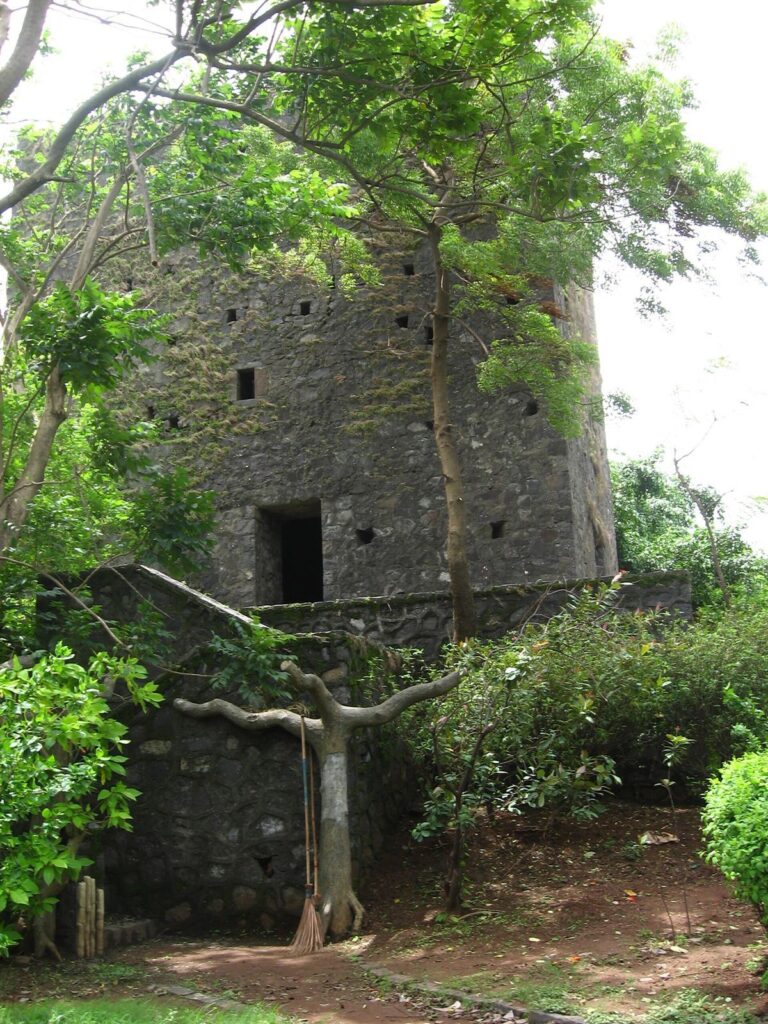
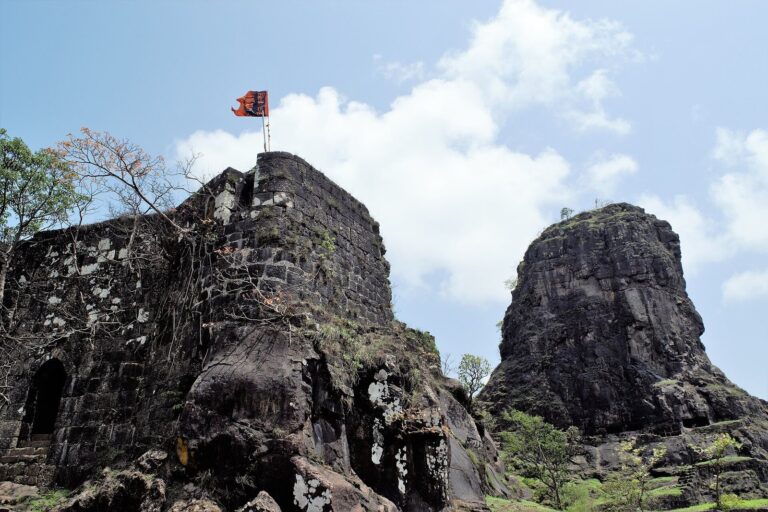
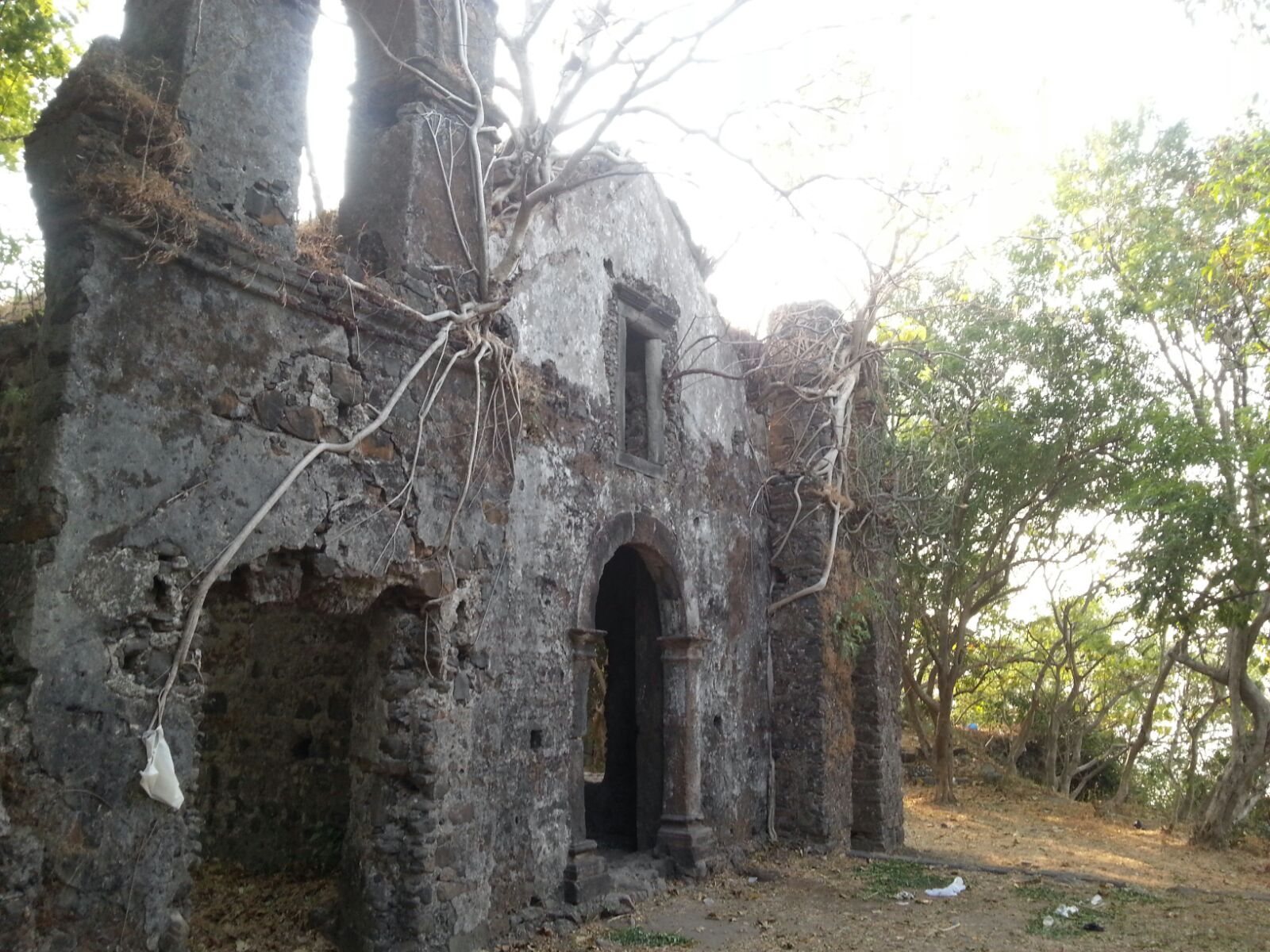
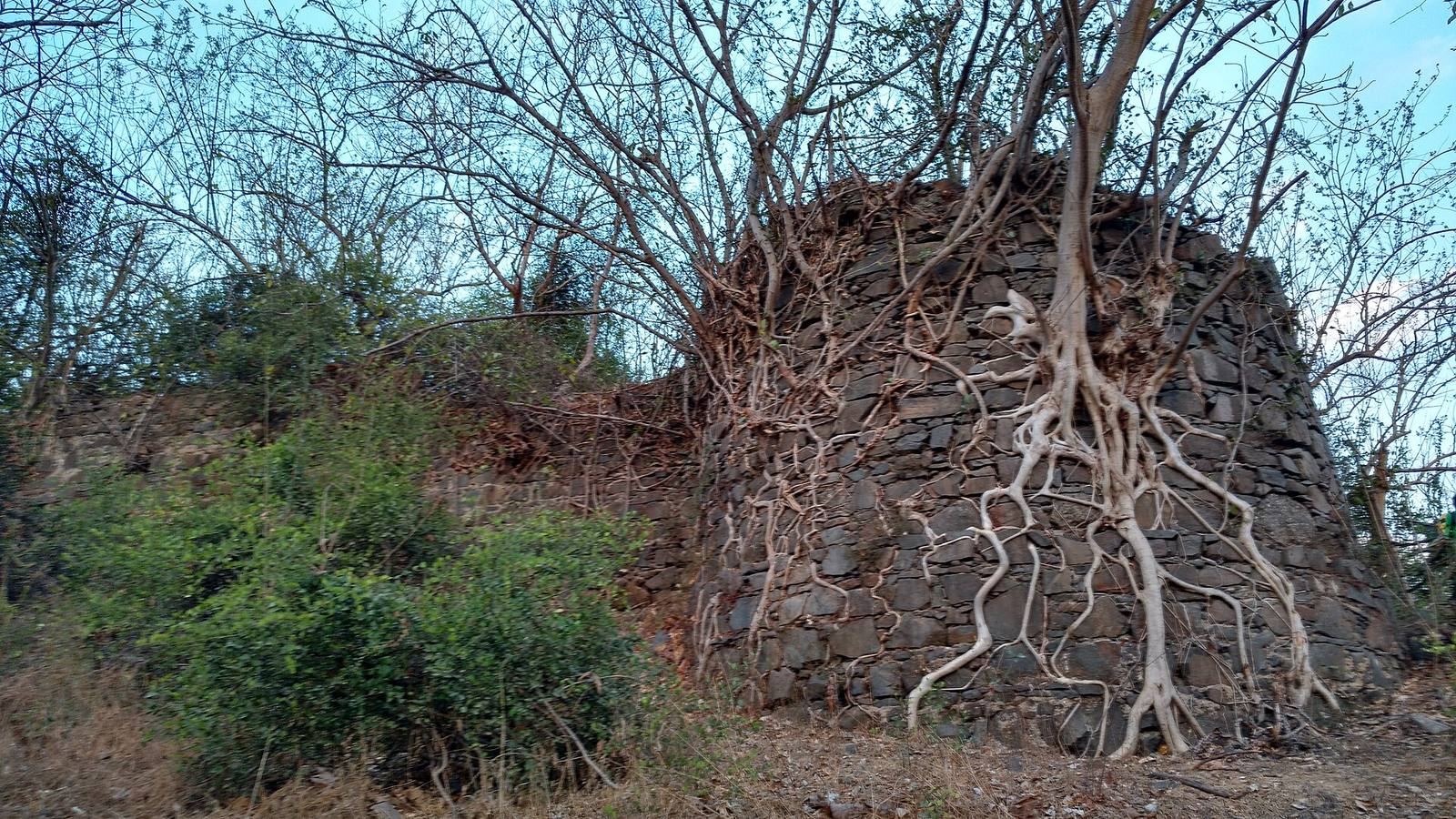
The stone fort occupies a densely forested hilltop near Uran. Its remains are in ruins, with structures and water features positioned within the inner fortification and along paths on the southern side.
Inner fortification
Church of Our Lady of Penha
The Church of Our Lady of Penha stands within the inner fortification and is in good condition.
Water tanks
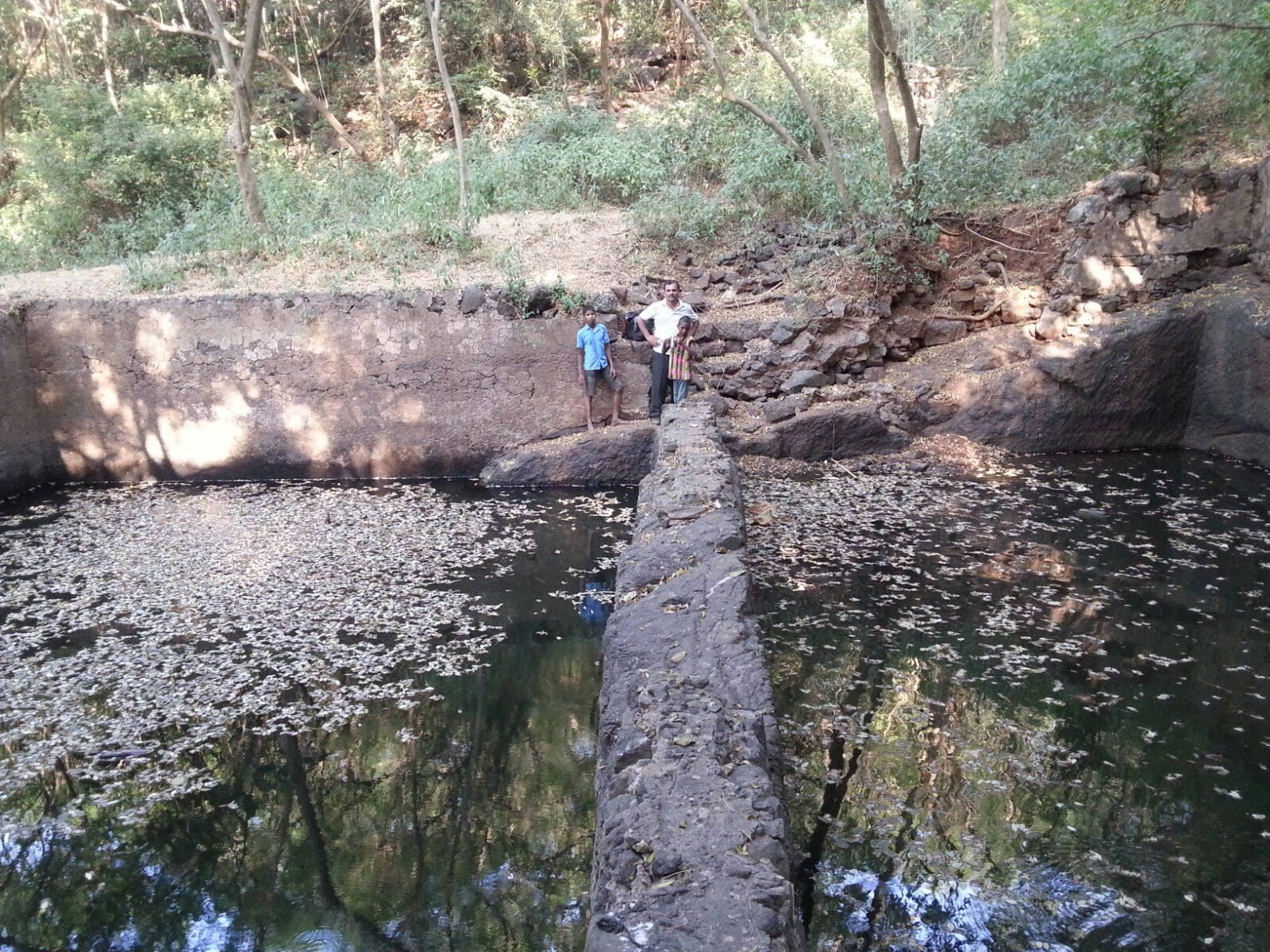
The Gagoni and Gijoni tanks lie near the church. A separate, large tank in the forest is also in good condition, beside a path that leads from behind the Vetal temple.
Gate and southern approach
Main gate
The main gate is 50 metres south of the church. Its arch is broken, while the guard rooms remain in good condition. A carved image of Ganpati, a name for the Hindu deity Ganesha, is kept in one of the rooms. The image is on a keystone, the central stone at the top of an arch.
Vetal temple and path
A path from the main gate runs south toward Karanja village. The ruined Vetal temple, dedicated to a deity associated with regional Hindu traditions, lies along this path.