Holy Mother of God Church, Yeghegnadzor: An Armenian Apostolic Church
Site at a Glance
- Popularity
- Medium
- Country
- Armenia
- Primary era
- Medieval
- Eras represented
- Classical, Medieval
- Civilizations
- Armenian, Sassanid
- Site type
- Religious
- Remains
- Church
On this page7 sections
History
Early church and 12th-century building
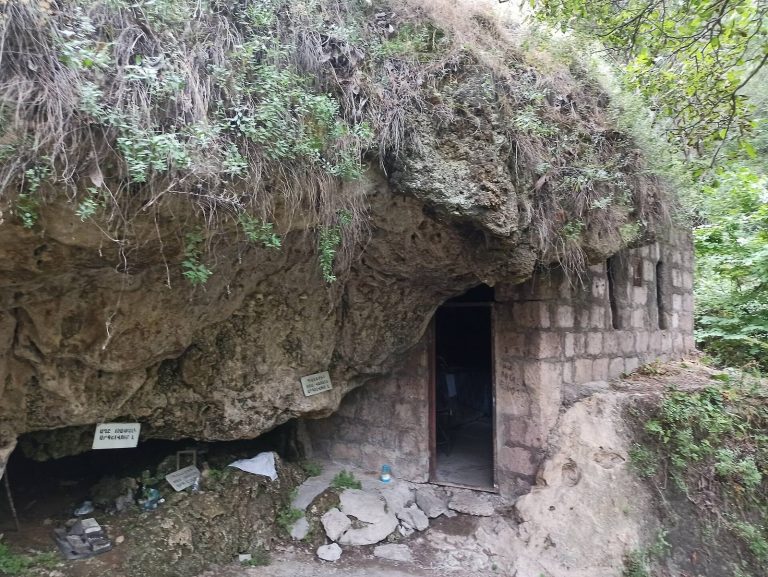
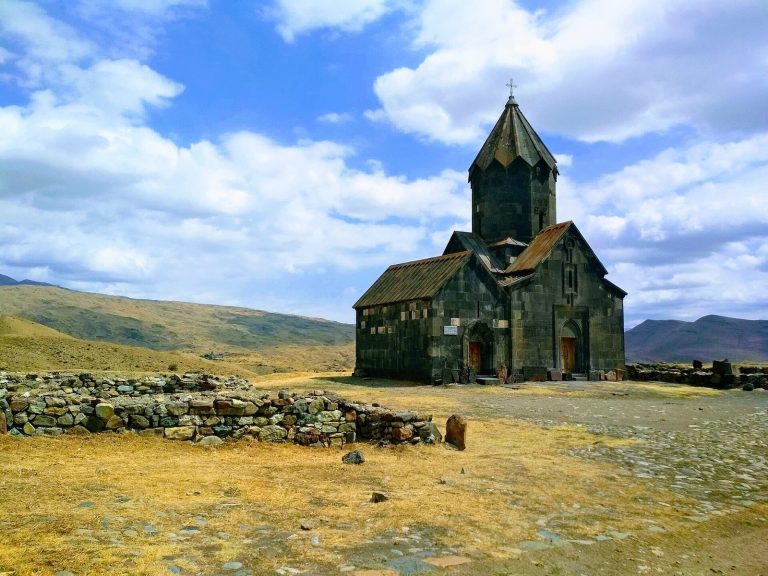
The Holy Mother of God Church is an active Armenian Apostolic church, part of an ancient Christian tradition, in Yeghegnadzor, Armenia. It belongs to the Diocese of Vayots Dzor, a regional church jurisdiction. The present Armenian-style building dates to the 12th century and stands on the site of a fifth-century church that had fallen into ruin.
Rebuilding and later dedication
The church was rebuilt in 1878. An inscription on its west door records the rebuilding and names the church as St. Sarkis, a Christian saint venerated in Armenian tradition. It was later renamed Holy Mother of God.
Remains
Main building
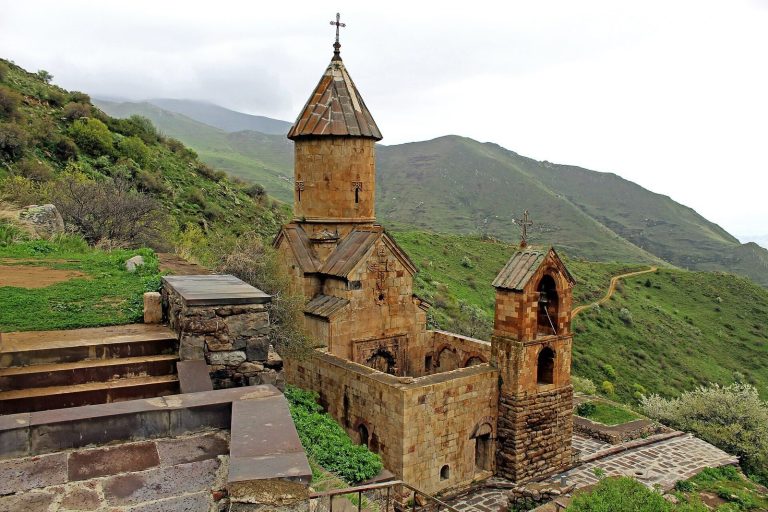
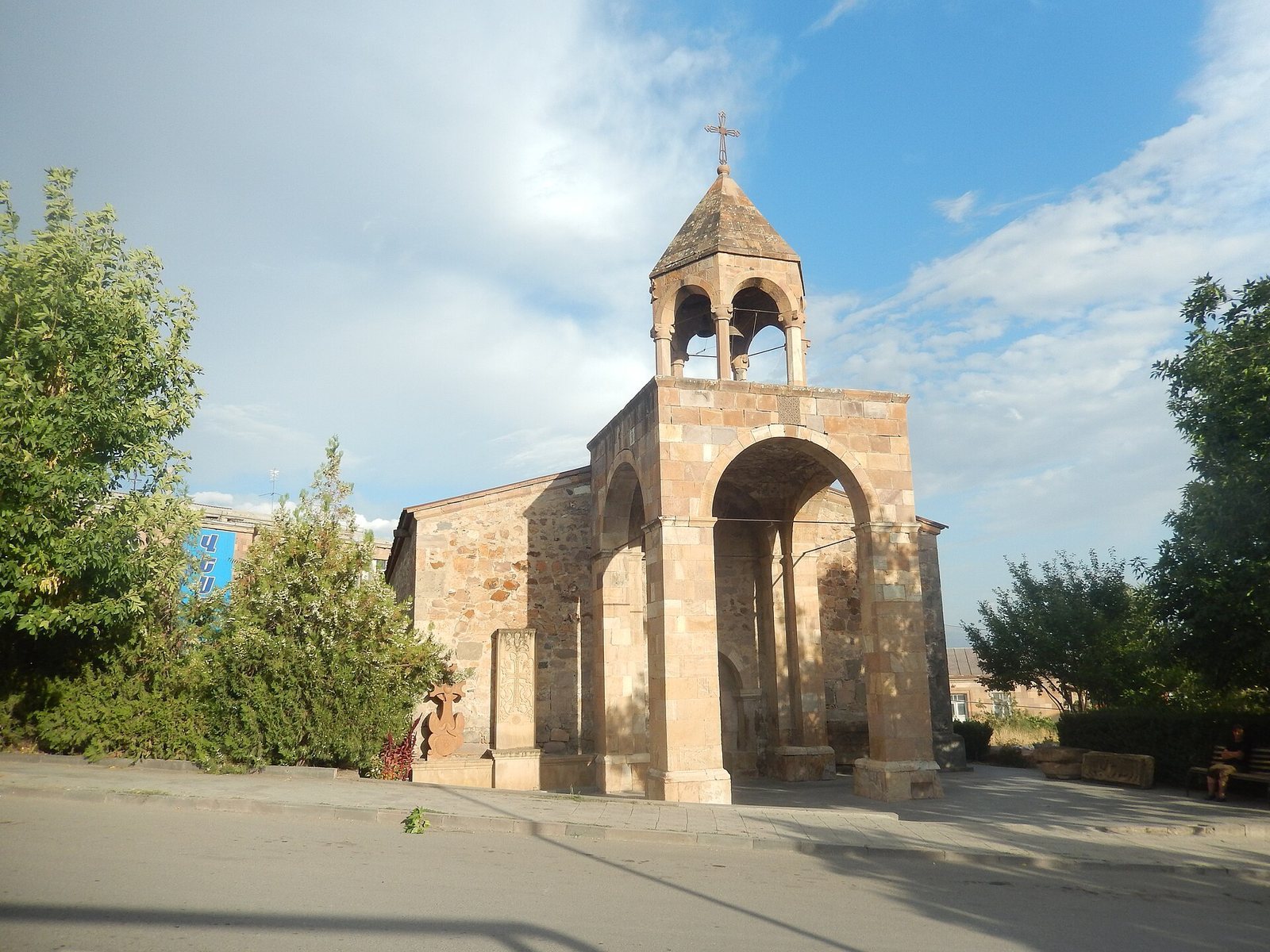
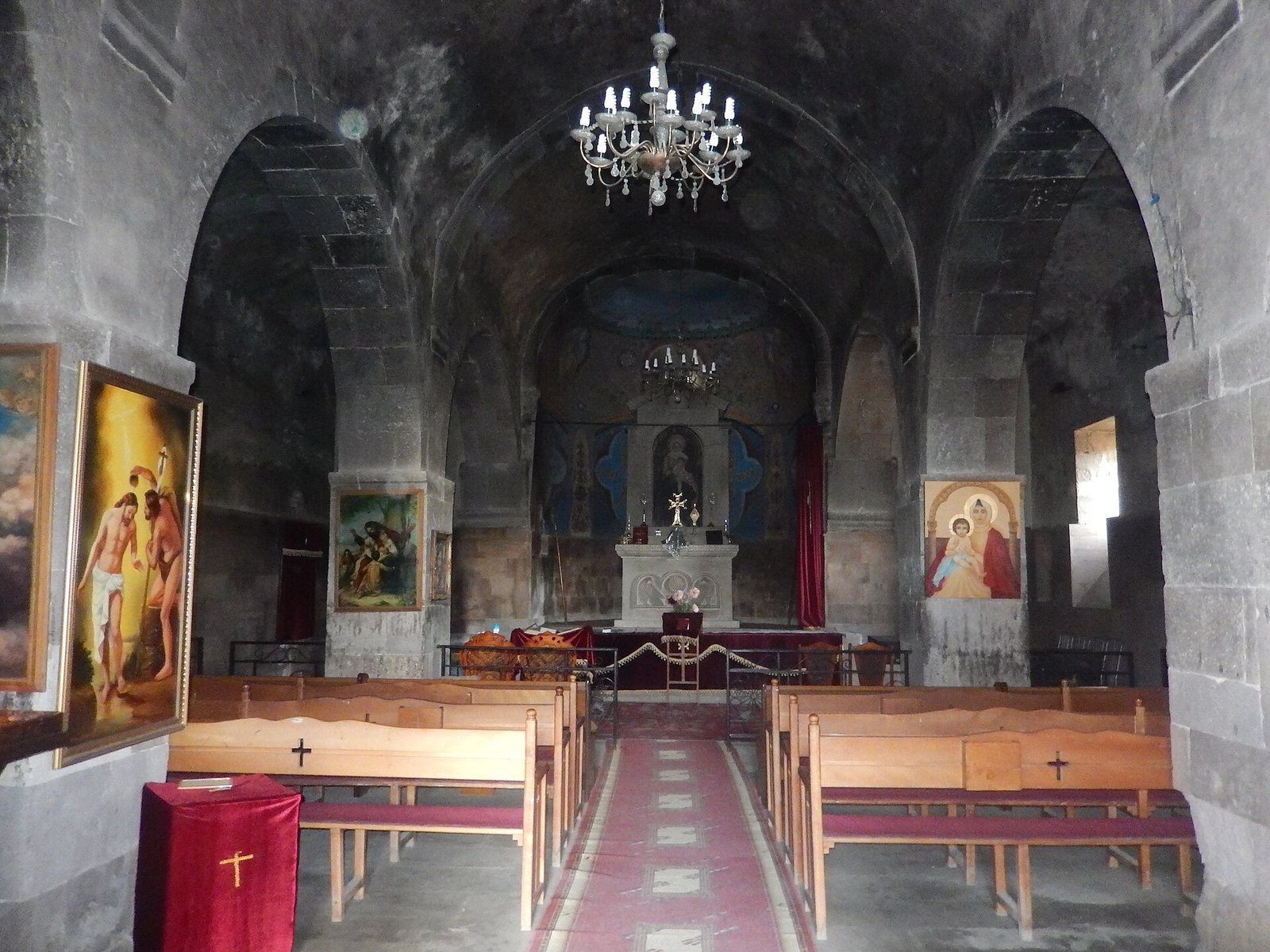
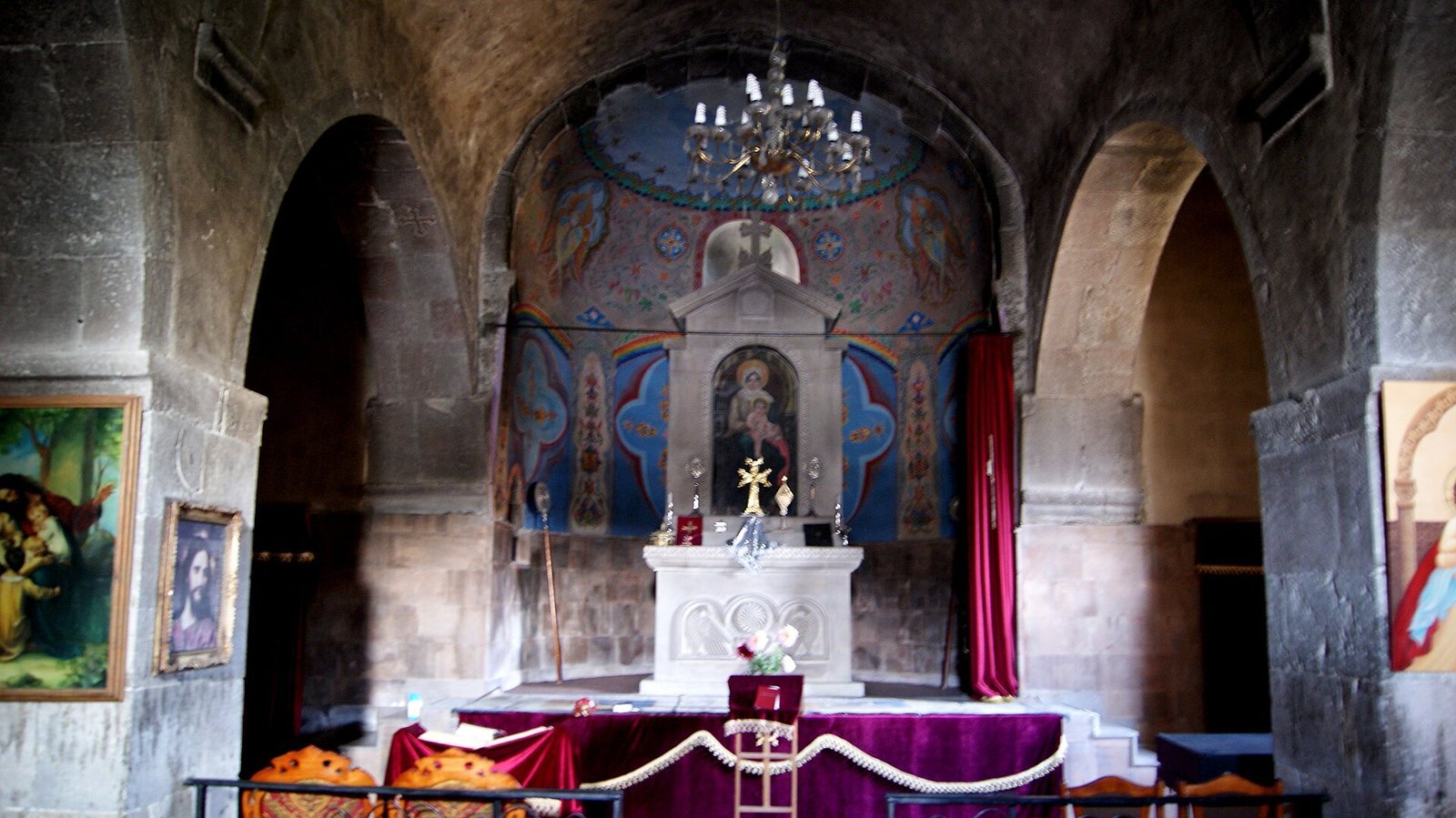
The church has a single main lengthwise space and no dome. Its interior includes a main altar apse (sanctuary end), two small sacristies (rooms for church preparations), a baptismal font, and a small bell tower. Six small windows and two chandeliers provide light. Wooden doors open on the west and south sides.
Interior decoration
Five icons of different sizes depict the baptism and crucifixion of Jesus, Jesus blessing children, and the Holy Mother of God. The wall behind the altar is covered with frescoes, paintings on plaster, showing angelic figures, crosses, and ornamental designs.
Churchyard and stone monuments
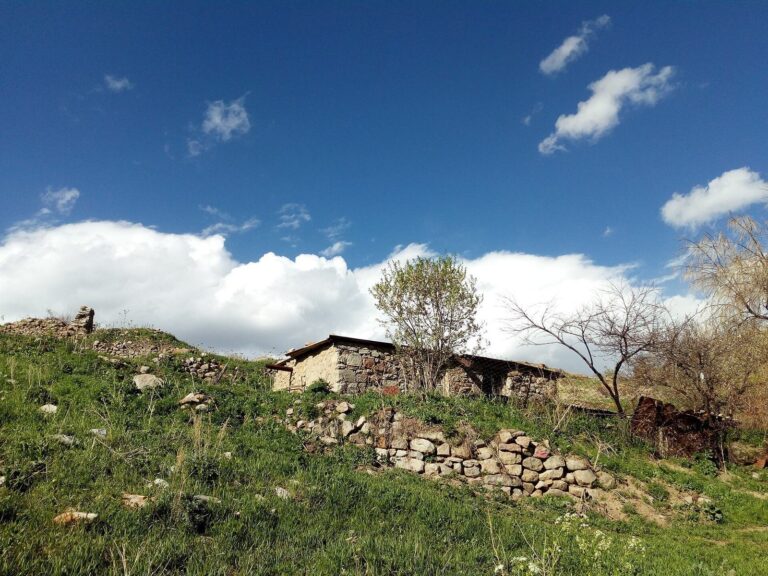
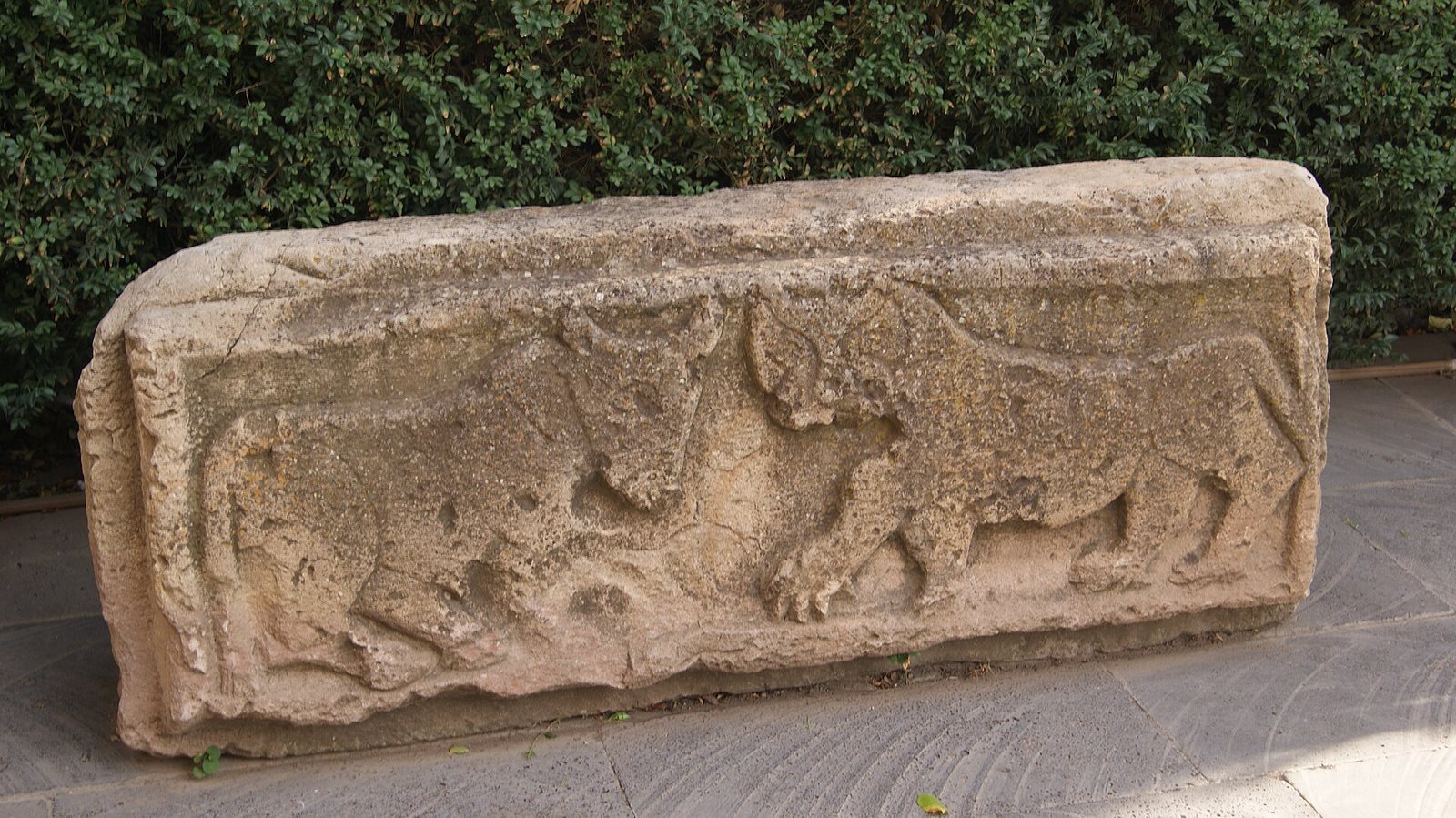
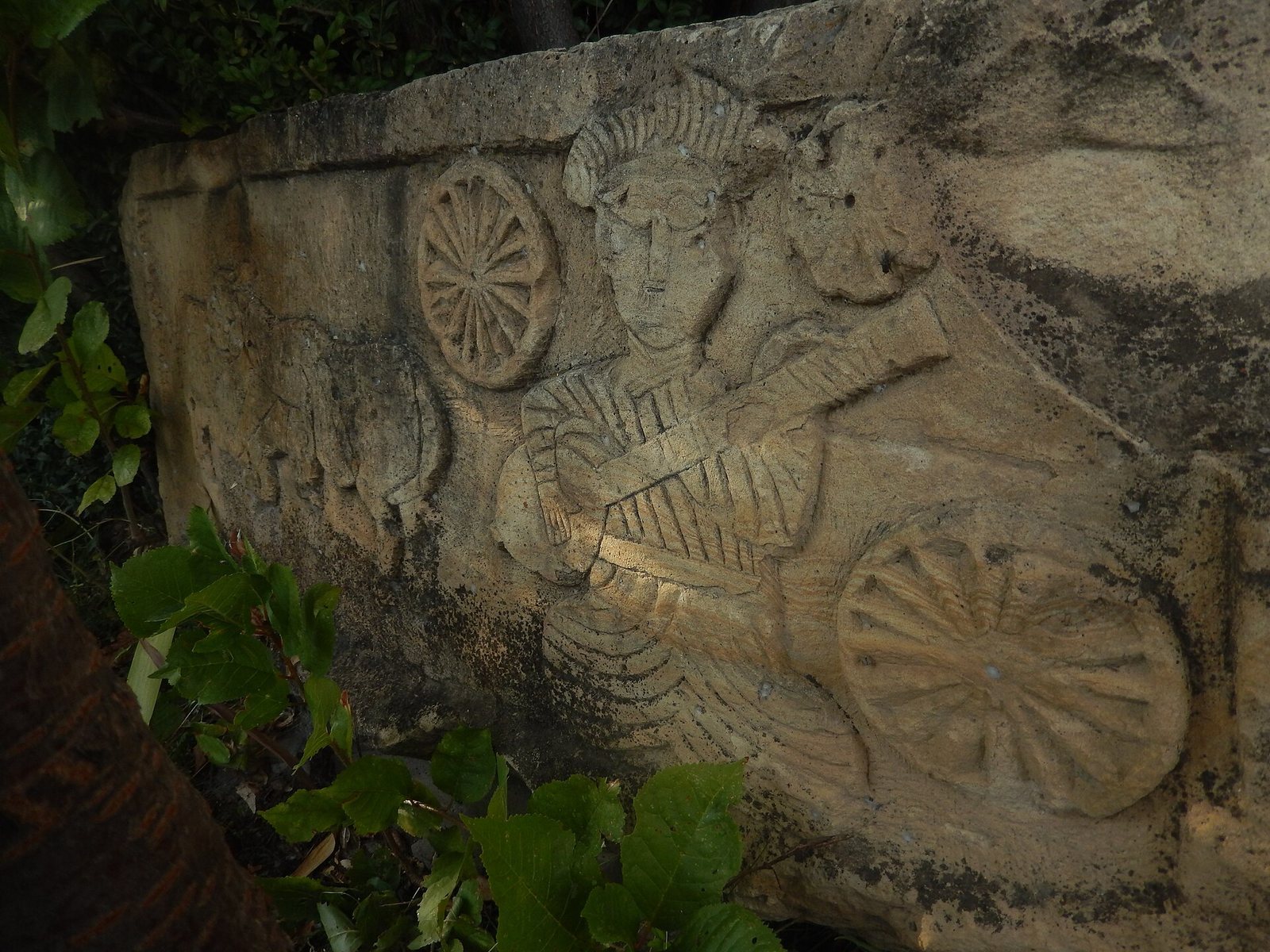
Three khachkars, Armenian carved stone monuments bearing crosses, stand in the churchyard on either side of the west door. Two commemorate victims of the Armenian Genocide, the mass killing and deportation of Armenians by Ottoman authorities during the First World War. The third memorializes martyrs associated with Saint Vardan and his companions. Vardan Mamikonian, a fifth-century Armenian military leader, led resistance to Sasanian efforts to impose Zoroastrianism. Other khachkars are set into the church walls, and some date to the 12th century. A tombstone is also associated with the church, which forms part of a fortress complex.