Mausoleum of Danyal: A Tomb and Roman Bridge Complex in Tarsus
Site at a Glance
- Popularity
- Medium
- Country
- Turkey
- Primary era
- Classical
- Eras represented
- Classical, Modern
- Civilizations
- Ottoman, Roman
- Site type
- Religious
- Remains
- Tomb
On this page9 sections
History
The Mausoleum of Danyal is a mosque-and-tomb complex in Tarsus, Turkey, traditionally associated with the biblical Daniel and incorporating underground remains of a first-century AD Roman bridge.
The bridge and the changing river
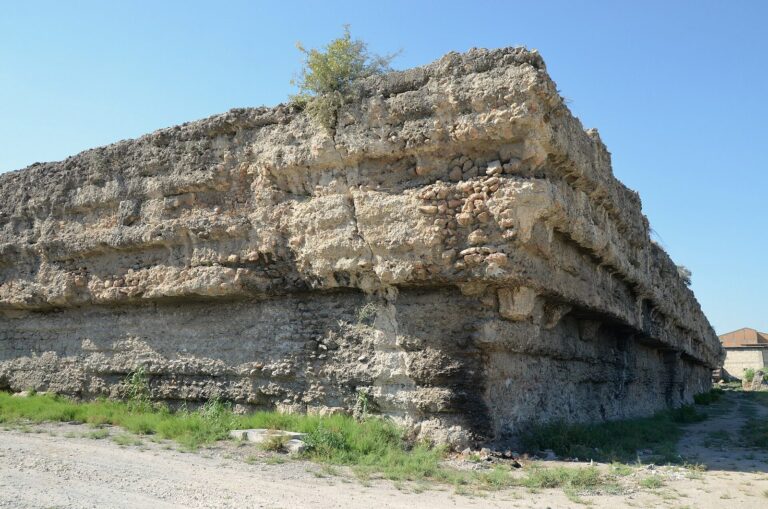
During the reign of Byzantine emperor Justinian I, from 527 to 565, a new river course was made east of Tarsus to reduce flood risk. The Berdan River was diverted into this channel, leaving the bridge over its former course out of use. Later floods deposited sediment around the structure as the city’s ground level rose, gradually burying it.
Daniel tradition and the mosque
Local tradition says Daniel was invited to Tarsus during a famine and that his arrival brought prosperity. It holds that he was buried in the city after his death. The tomb’s identification with Daniel rests on this belief rather than scientific evidence.
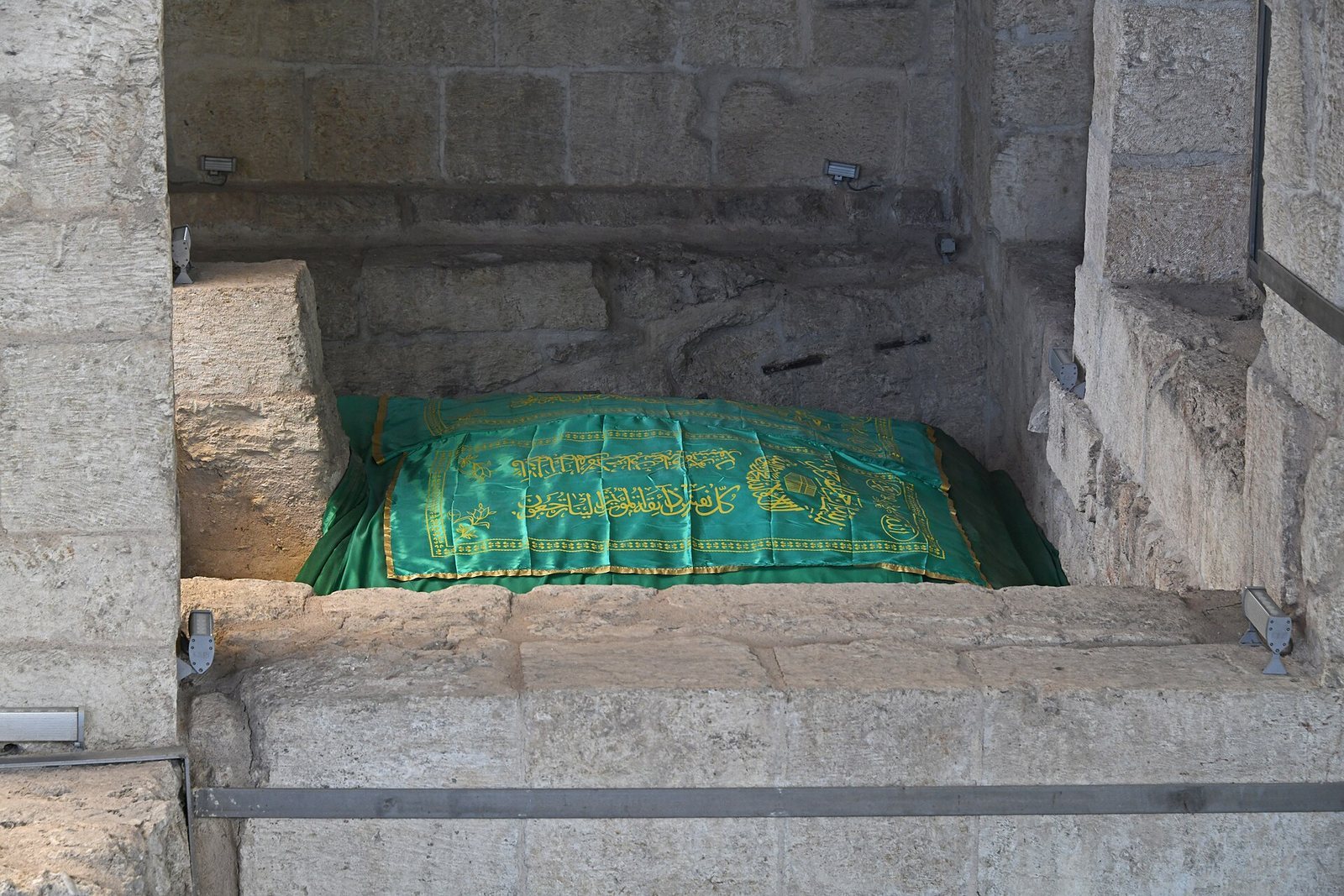
A tradition about the seventh-century Arab capture of Tarsus links the tomb to Umar ibn al-Khattab, an early caliph, or Muslim ruler, of the Rashidun Caliphate, the first period of rule by caliphs in early Islam. His commander Abu Musa al-Ash’ari is said to have found a large coffin containing a body wrapped in a golden shroud and wearing a gold ring carved with two lions and a boy. Umar identified the body as Daniel’s and ordered the coffin buried beneath the river for protection. Part of the disused bridge may also have been reused as a tomb during this period.
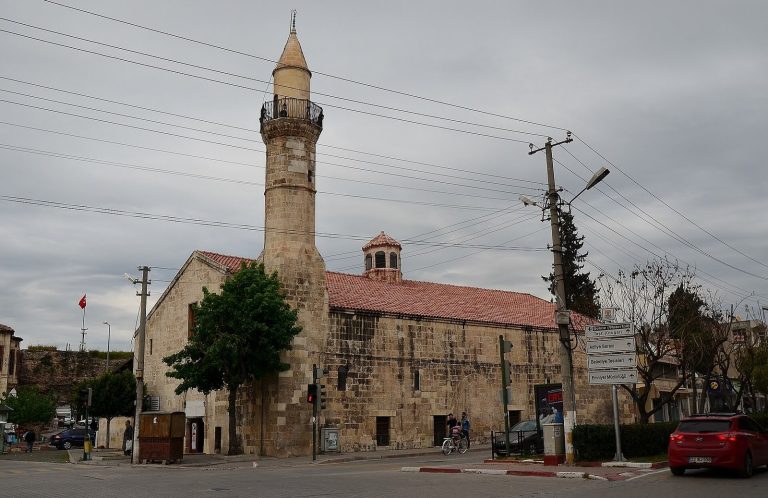
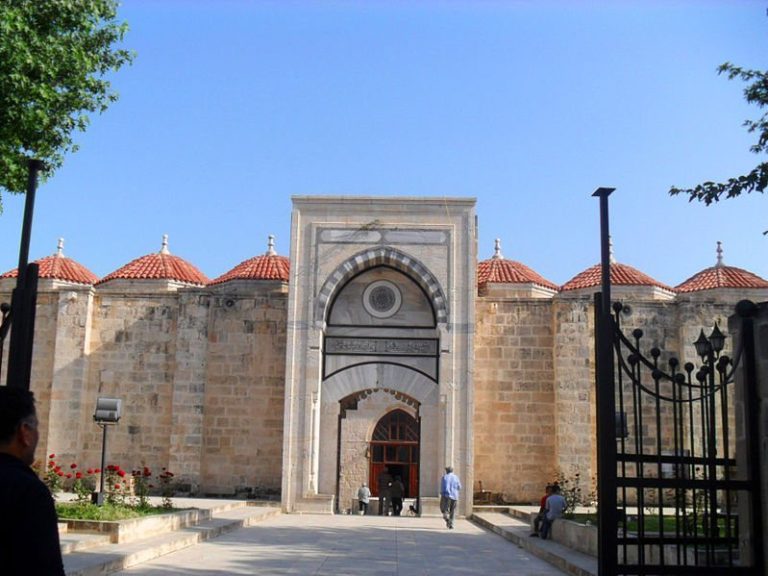
A small mosque was built beside the place believed to hold Daniel’s body in 1857, before the tomb was uncovered. The mosque was later named after him.
Rediscovery and excavation
A bridge arch came to light during sewage work in 1946, but part of it was damaged as pipes were laid before its archaeological importance was recognized. Another arch was found during mosque renovation in 2002, when space was being added for ritual washing. In 2006, a rescue excavation by Turkey’s Ministry of Culture and Tourism exposed bridge remains and a small building containing an Islamic tomb.
Remains
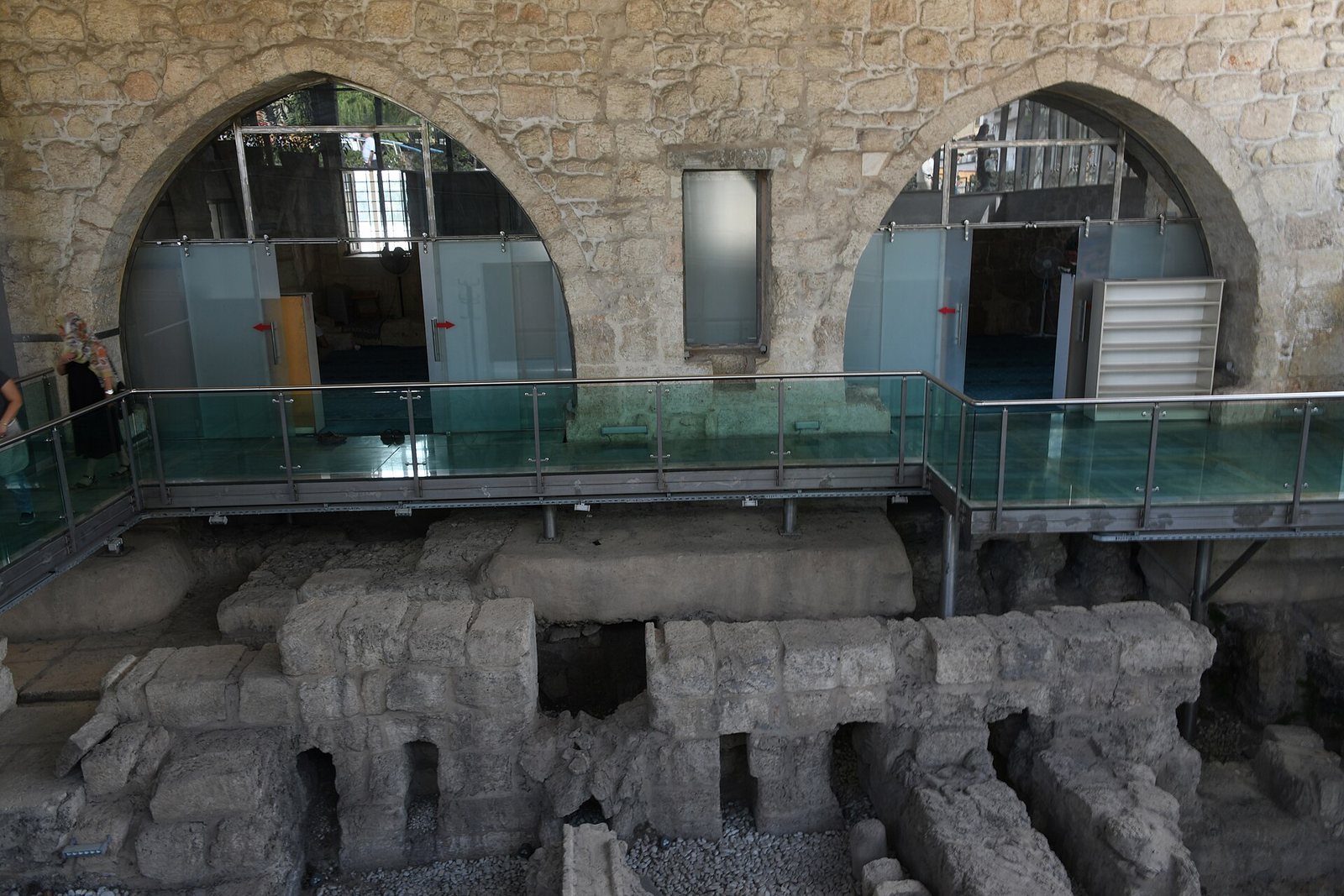
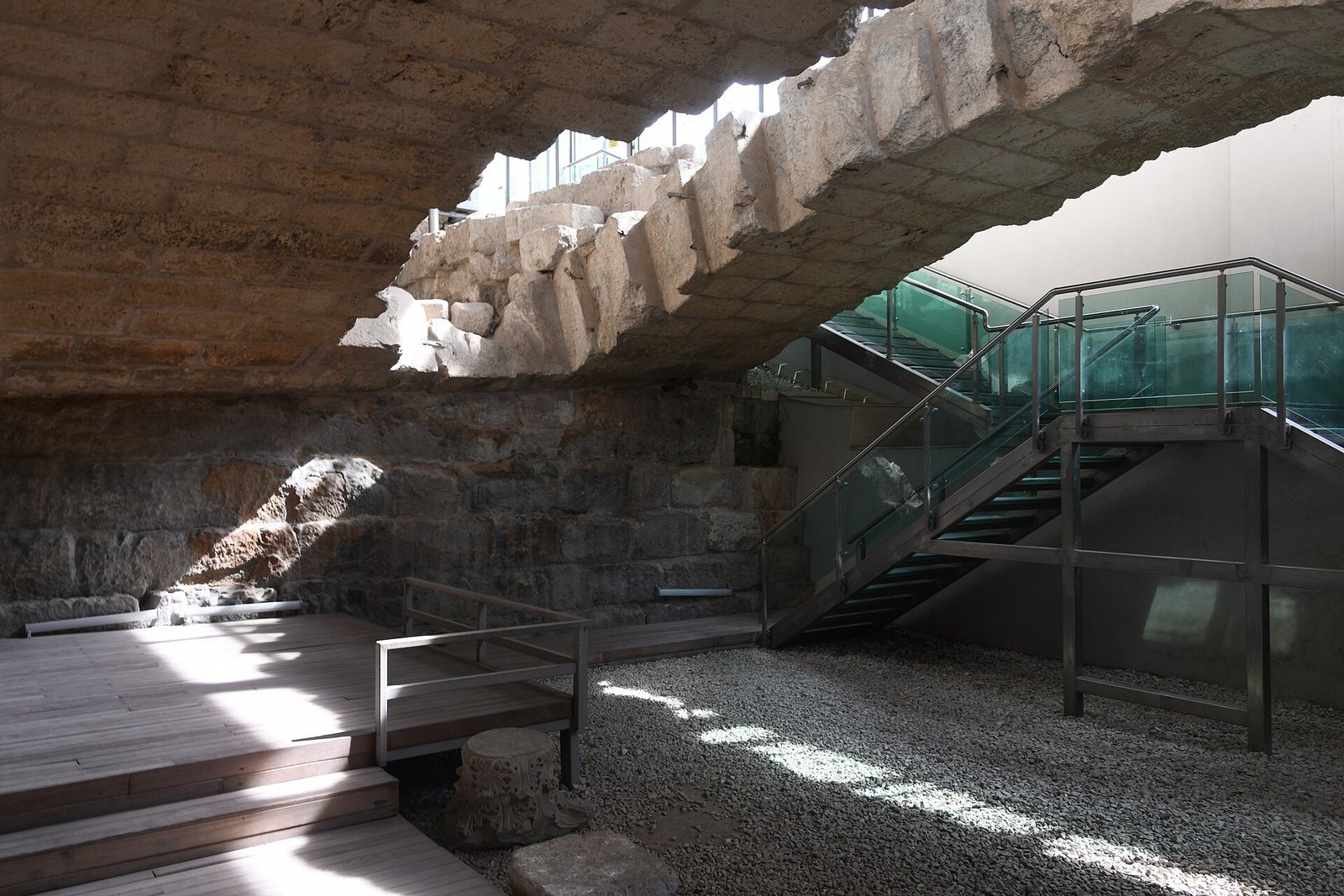
The complex lies in southeastern Tarsus among historic buildings. Its mosque occupies the northern side, while the tomb and bridge arches are to the south. The excavated structures lie below ground and are covered by a glass pavilion, with walkways providing access.
Roman bridge remains
Two arches survive within the main underground chamber, which measures 13.80 by 6.50 m. The bridge foundations extend 5.40 m below ground, while the arches reach to within 1.50 m of the surface. Wedge-shaped stones form the arches, joined with iron fittings coated in lead. Their size suggests that the original bridge probably had additional arches.
Two piers stand on either side of the small tomb building, one to the west and one to the east. Each rests on six layers of stone masonry, and traces of plaster remain at the eastern foot of the bridge.
Tomb area and nearby features
Tomb building
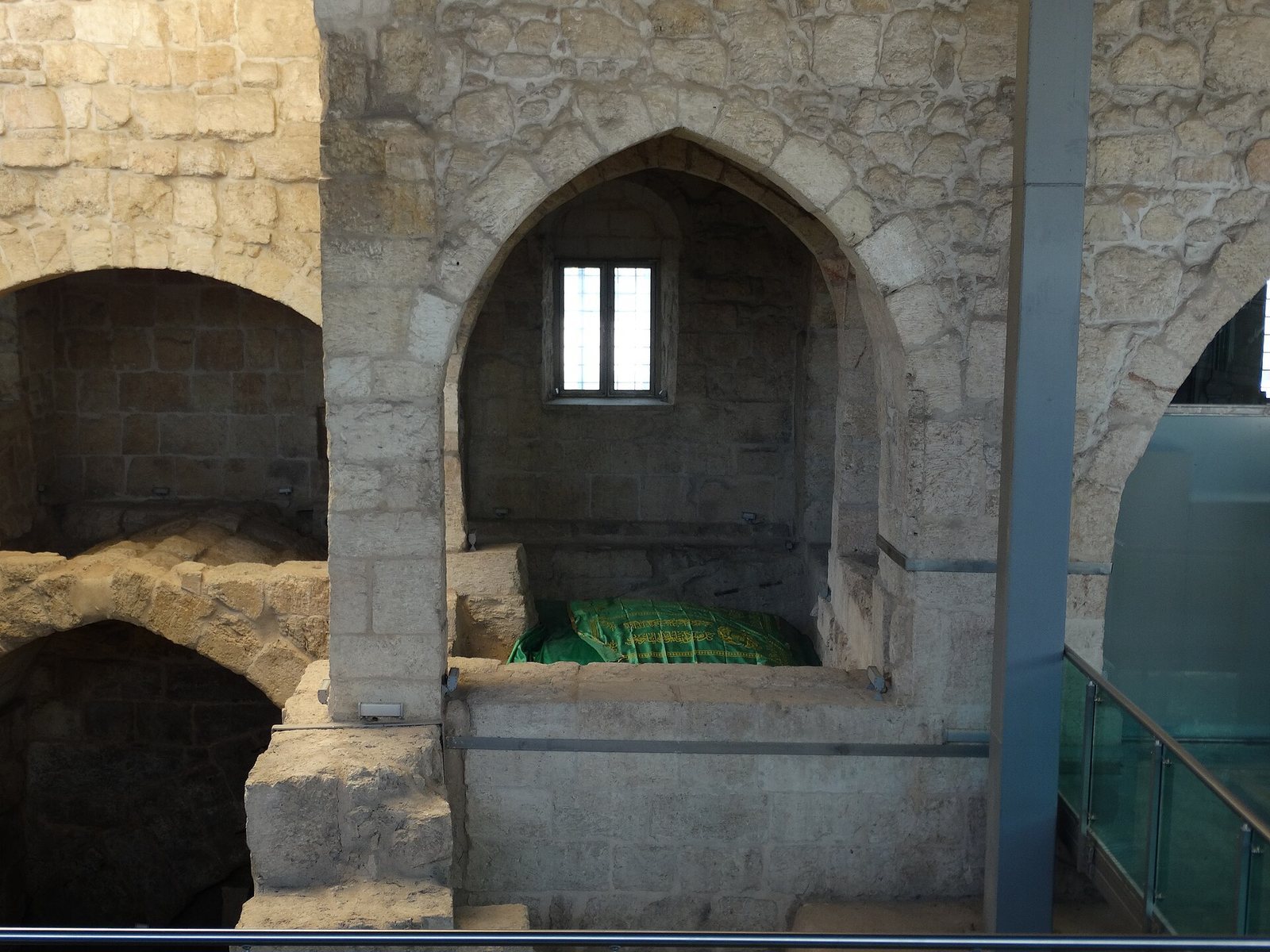
The small tomb building occupies a chamber northeast of the bridge and measures 3.60 by 2.80 m. Large limestone blocks, bonded with Khorasan mortar, form its walls. This traditional masonry mortar combines lime with crushed brick or ceramic. A multi-pointed star is carved into the wall beside the tomb.
Nearby openings and finds
Excavations northeast of the bridge revealed two arched window openings, with another pair farther east. Finds include small objects thought to relate to a bath and four coins from the Rashidun Caliphate.