Chapel of Our Lady of Genooi: A Marian Chapel in Venlo
Site at a Glance
- Popularity
- Medium
- Country
- Netherlands
- Primary era
- Medieval
- Eras represented
- Medieval, Modern
- Civilizations
- Dutch, Holy Roman Empire
- Site type
- Religious
- Remains
- Chapel
On this page6 sections
History
Foundation and religious custody
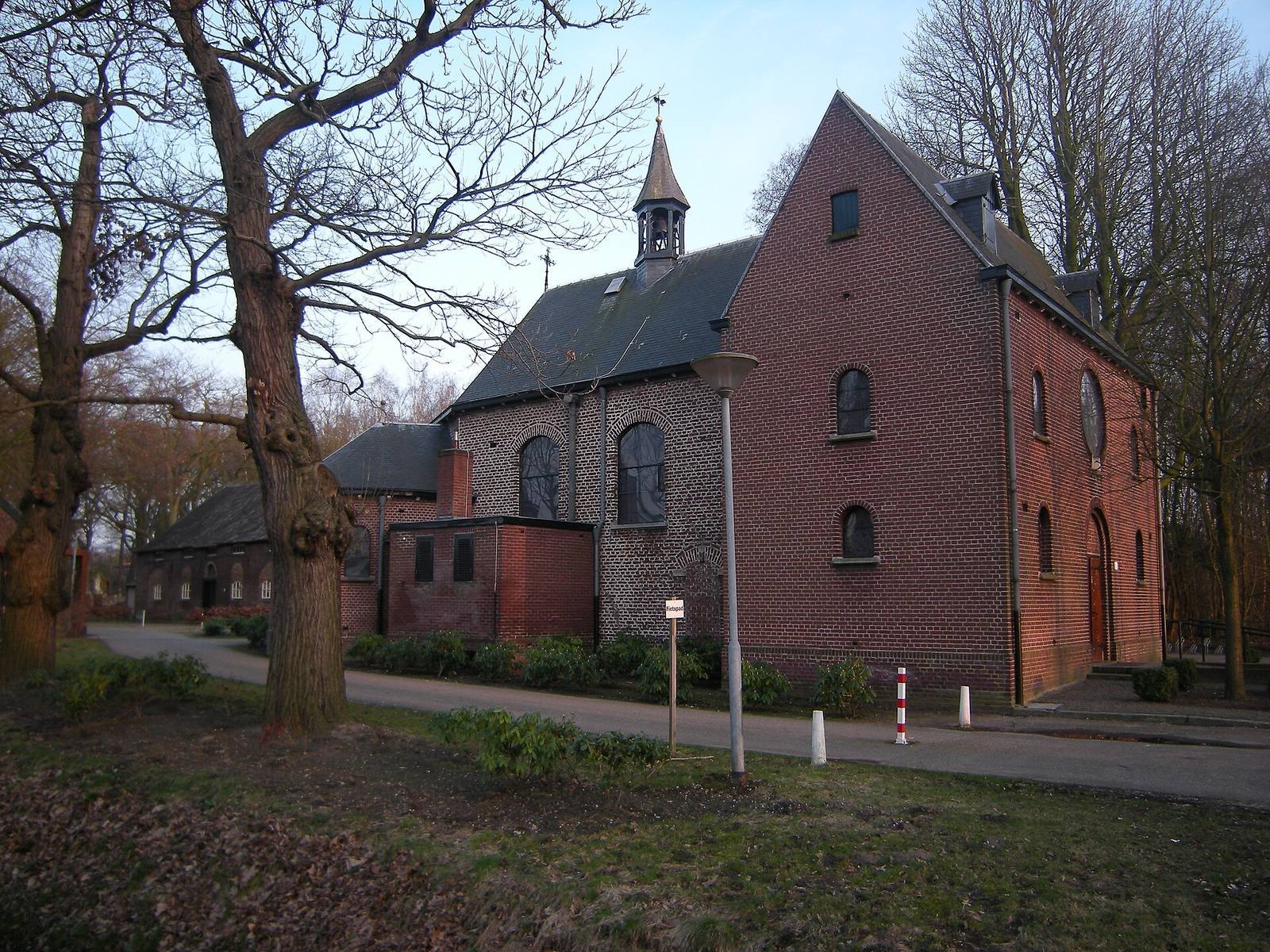
The Chapel of Our Lady of Genooi is a small Roman Catholic chapel in northern Venlo, Netherlands. It dates to 1423 but did not enter use until 1631. The chapel initially belonged to Mariadal, a convent of the Annunciates, a Catholic women’s religious order. During the Eighty Years’ War (1568–1648), the revolt of the Low Countries against Spanish Habsburg rule, the convent was destroyed while the chapel survived.
In 1797, the remains of Agnes Huyn (1613–1641), a beatified Annunciate, were reburied before the chapel’s altar. Beatification is the Catholic Church’s formal recognition of a deceased person as blessed. Huyn had first been buried at the Trans-Cedron convent, later known as Mariaweide, which was destroyed by bombing in 1944. In 1829, the Annunciates left Venlo and transferred the chapel to St Martin Parish. The name Genooi comes from an older expression meaning “in the outlying countryside,” reflecting the site’s position beyond Venlo’s built-up area.
Restoration, grounds, and modern devotion
A Way of the Cross, a devotional sequence recalling Jesus’s Passion, and a Calvary group, figures representing the Crucifixion, were associated with the chapel by 1882; they may have been renewed later. In 1917 the chapel was restored and enlarged to a design by the prominent Dutch architect Pierre Cuypers, adapted to additions made over time. Bishop Laurentius Schrijnen, the senior Catholic cleric responsible for the Roermond diocese, blessed the enlarged chapel on 20 May that year.
The procession park, including its Calvary group, was inaugurated on Easter Monday in 1927. In April 1933, Bishop Guillaume Lemmens authorized a Way of the Cross in the park. An anti-abortion pilgrimage drew about 100 people from Venlo in November 1970. The chapel’s 350th anniversary of use was marked in 1981 with a book and a gramophone record. In 2008 the Stations of the Cross were moved to the chapel side of St Urbanusweg, and Bishop Wiertz consecrated the new park on 12 May.
In recent decades, devotion to Our Lady Help of Christians at the chapel has become more individual. Outdoor Masses are held regularly, while personal, family, and church occasions also bring groups, usually relatives. People light candles seeking comfort, healing, forgiveness, or encouragement; an average of about 15,000 are lit each month. Pilgrims also come from North Limburg and the German border region. The chapel is a Dutch national monument.
Remains
The chapel
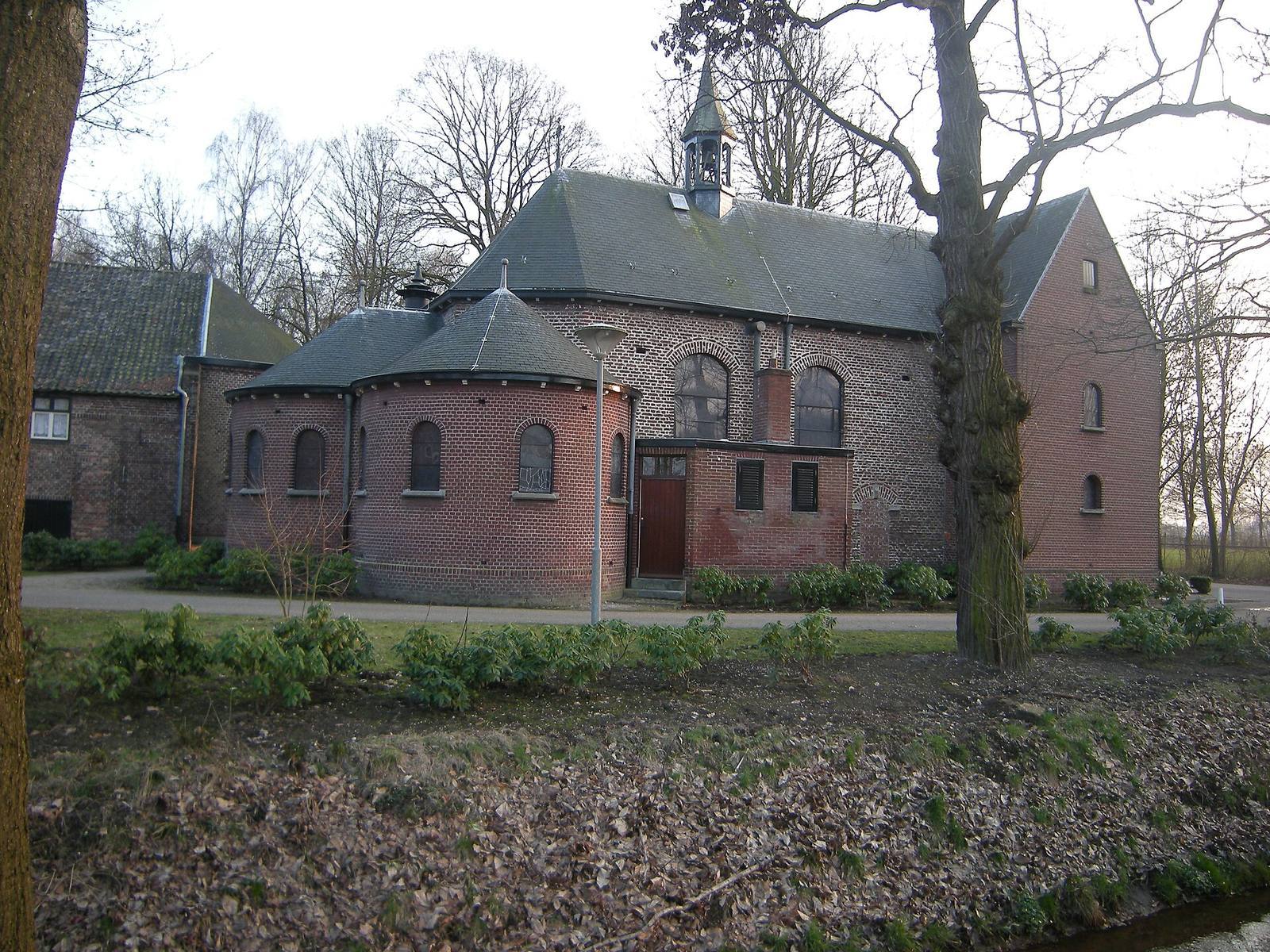
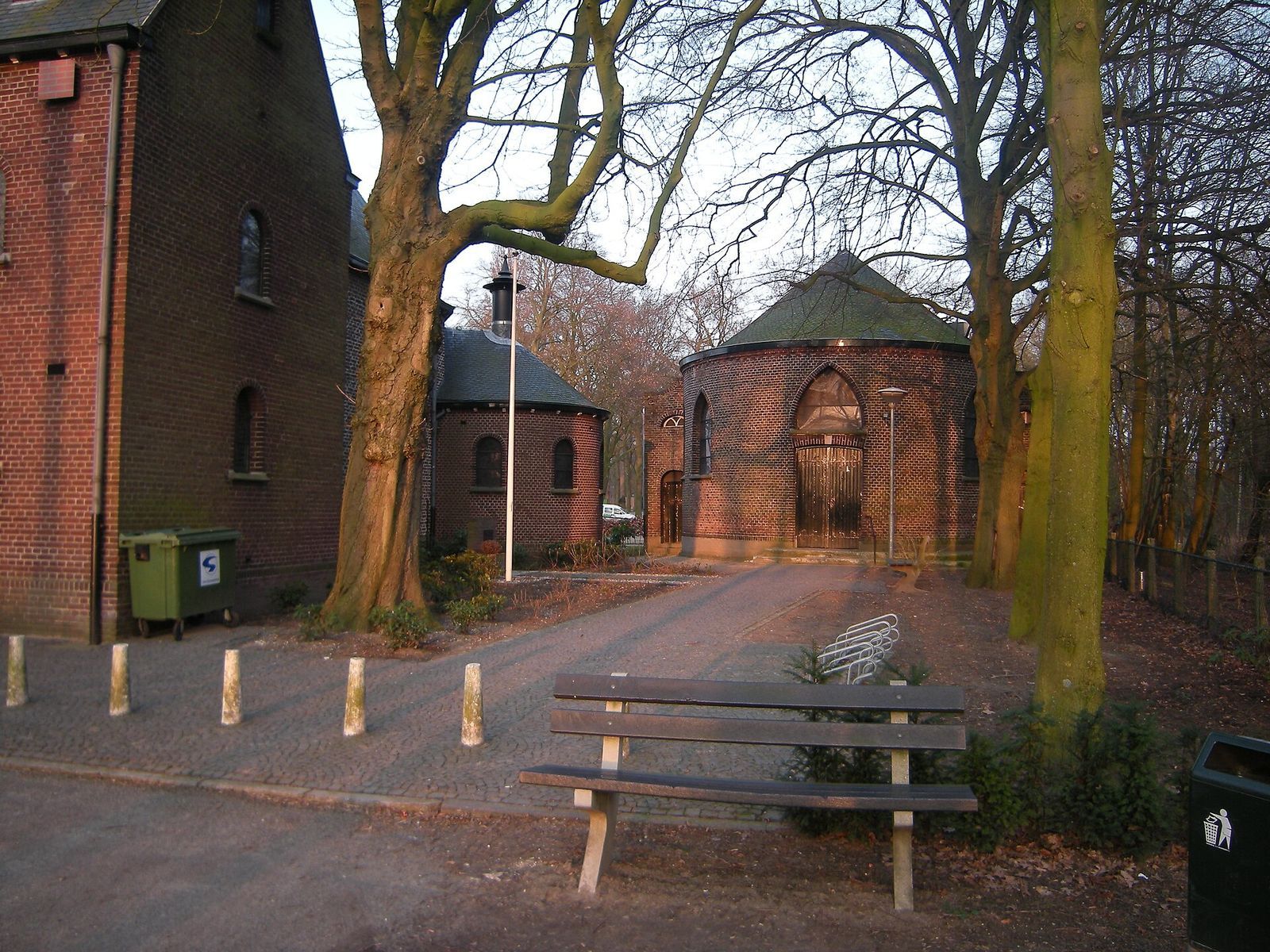
The chapel stands on the west side of the Genooierhof farmstead, at the edge of the Genooi district in an area once part of Venlo’s rural outskirts. Its elongated plan follows the chapel at Loreto, an Italian shrine associated with devotion to Mary. Inside are a single nave, the main worship space, and a choir. The exterior has whitewashed walls, square window openings, and a small turret on its pointed roof. The enlargement retained the elongated plan and choir, while adding three curved extensions beyond the choir in a cloverleaf arrangement. Their 15 stained-glass windows depict the mysteries of the Rosary, episodes contemplated in this Catholic devotional prayer. An eighteenth-century oil portrait of Agnes Huyn hangs in the entrance hall beside a portrait of Johanna of Valois, the French princess who founded the Annunciates.
Genooierhof and procession grounds
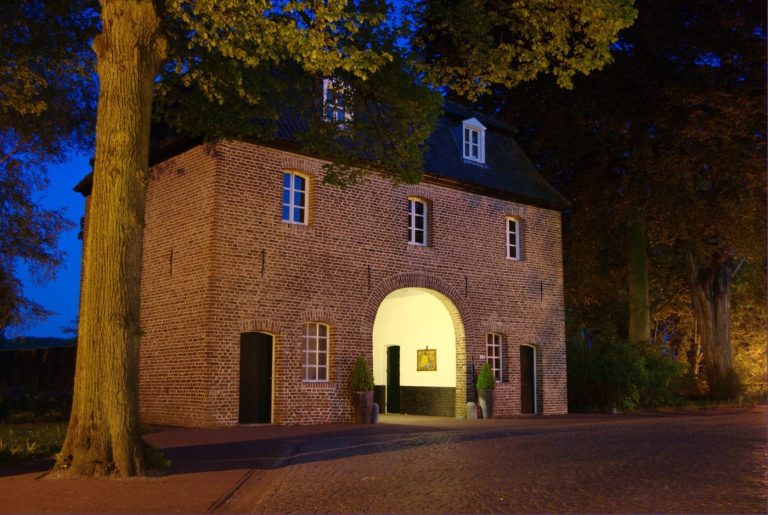
Genooierhof includes stables, a barn, a garden, and an orchard. A stream or moat once ran in front of the chapel and also enclosed the farmstead; water came from the Stepkensbeek. The procession grounds include the Stations of the Cross and the Calvary group, and now form one area with the Genooierhof grounds.