Gushikawa Castle: A Ryukyuan Fortified Site on Okinawa Island
Site at a Glance
- Popularity
- Medium
- Country
- Japan
- Primary era
- Medieval
- Eras represented
- Medieval
- Civilizations
- Unclassified
- Site type
- Military
- Remains
- Castle
On this page4 sections
History
Gushikawa Castle is a fortified site of the Ryukyu Islands at Kyan, in Itoman, on the southern tip of Okinawa Island, Japan. It was built in the late 12th century, and archaeological evidence places its existence from that period through the mid-15th century.
A chronicle compiled in 1743 recounts a tradition about the castle’s founding. Makanekui Anj, described as lord of a castle of the same name on Kumejima, an island west of Okinawa, fled to this area after an attack by Manikutaru Anj, the second son of Ishikinawa Anj. The tradition says Makanekui then built a castle here bearing the same name. Anj was a title for a local lord or aristocrat in the Ryukyu Islands.
The castle ruins were designated a National Historic Site of Japan on May 15, 1972.
Remains
Fortification and enclosures
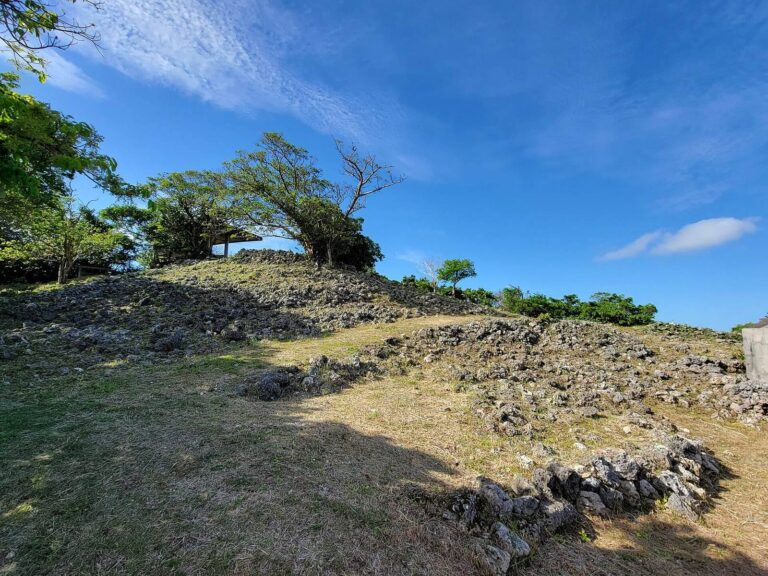
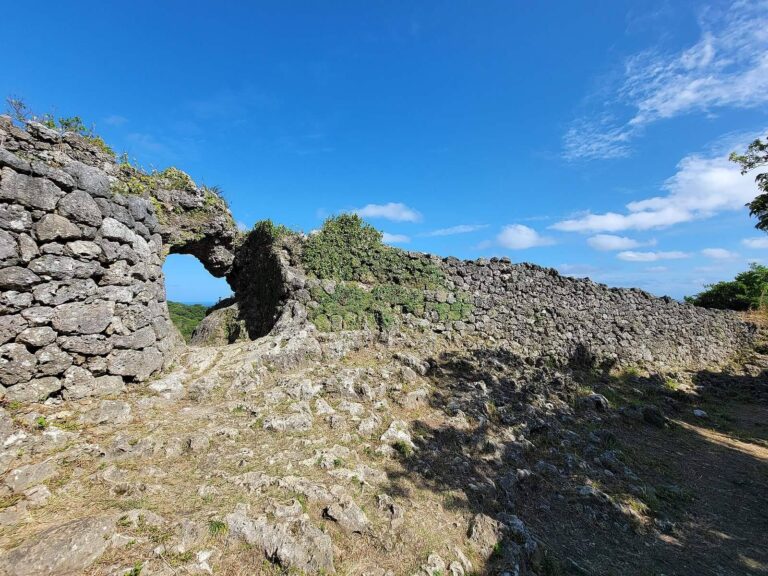
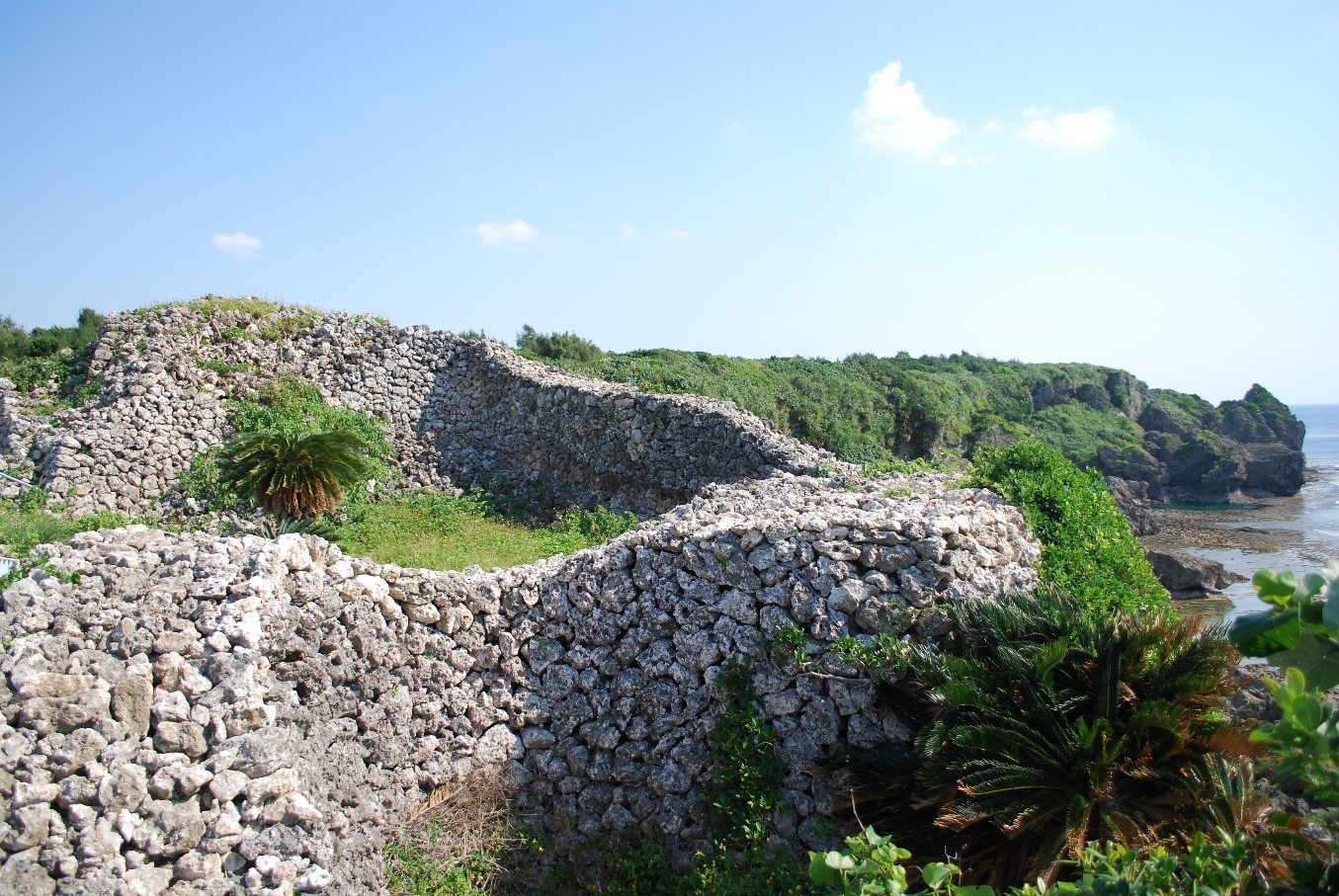
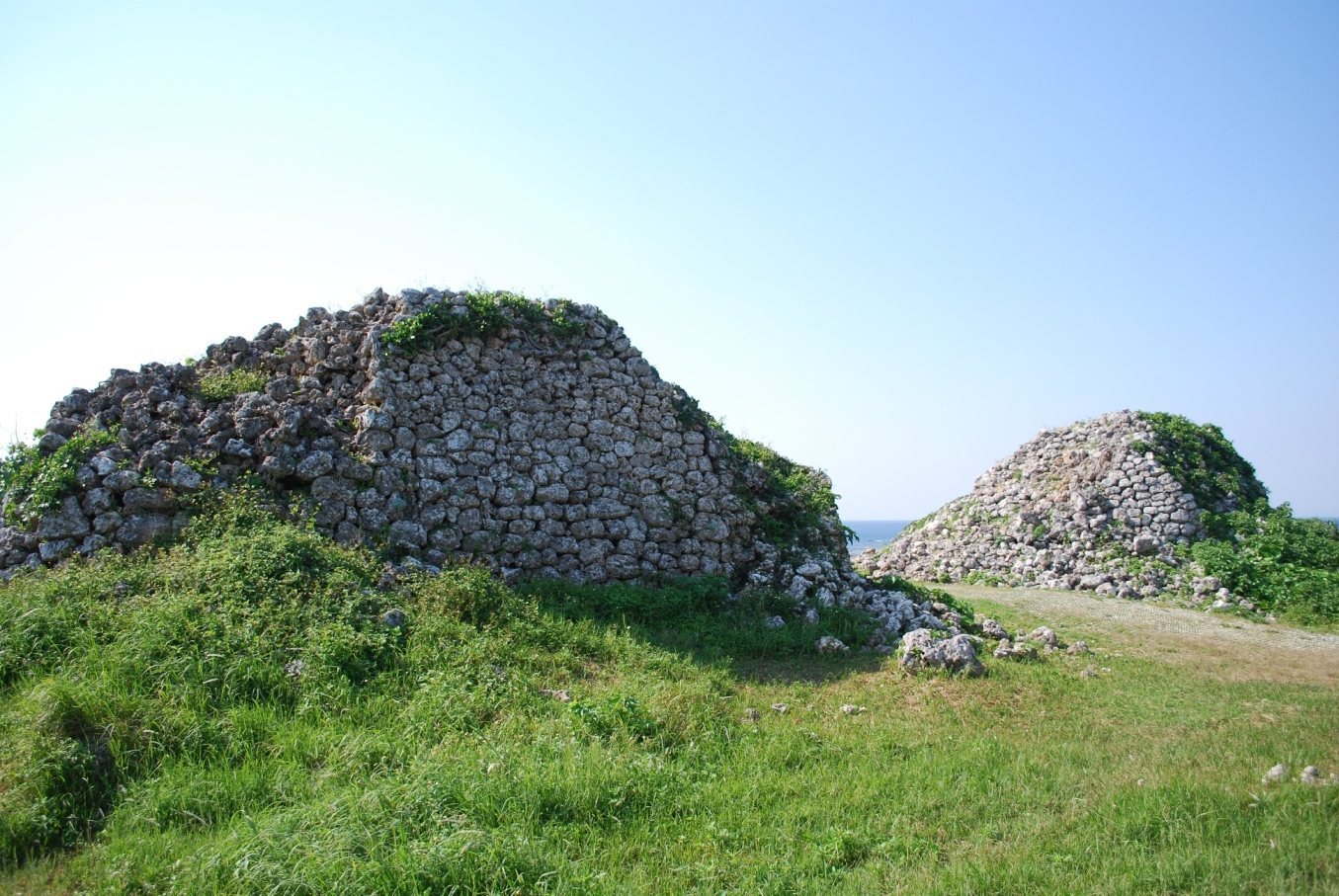
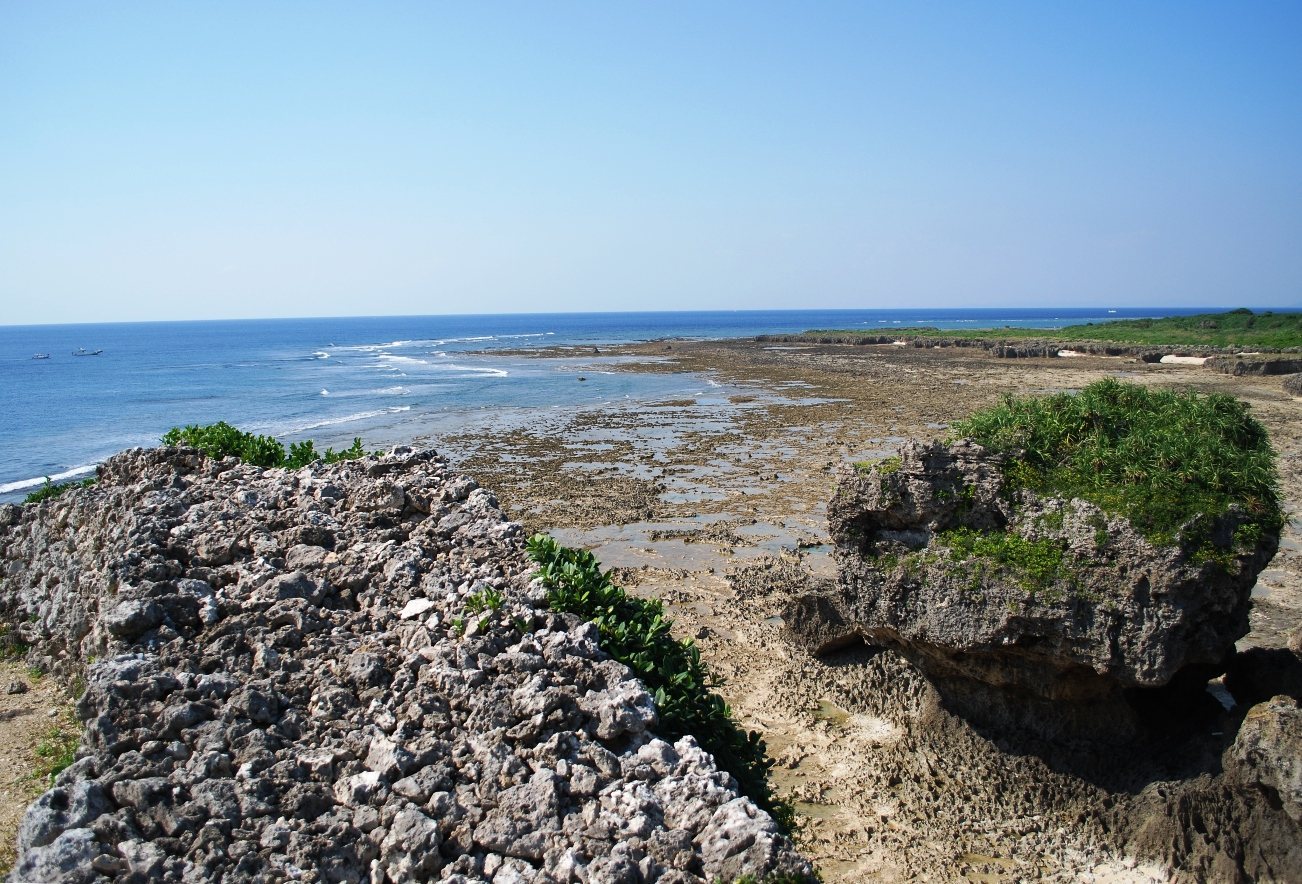
The ruined fortification stands on coastal cliffs, with the sea on three sides. It measures 83 meters from east to west and 33 meters from north to south, and its stated materials are Ryukyuan limestone and wood. The first enclosure, the main one, projects into the sea like a peninsula, and building remains are present there. A plaza separates it from the second enclosure. A hole in the second enclosure, described as either a “fire blowhole” or a “water blowhole,” leads to the coast. Traces of cut stone remain at the main gate.
Excavated ceramics
Excavations recovered Chinese ceramics, including celadon and white porcelain.