Jettenbach Castle: A Historic Castle Complex in Bavaria
Site at a Glance
- Rating
- 4
- Popularity
- Low
- Country
- Germany
- Primary era
- Modern
- Eras represented
- Medieval, Early Modern, Modern
- Civilizations
- Duchy of Bavaria, Electorate of Bavaria, German, Holy Roman Empire, Kingdom of Bavaria
- Site type
- Domestic
- Remains
- Castle
On this page8 sections
History
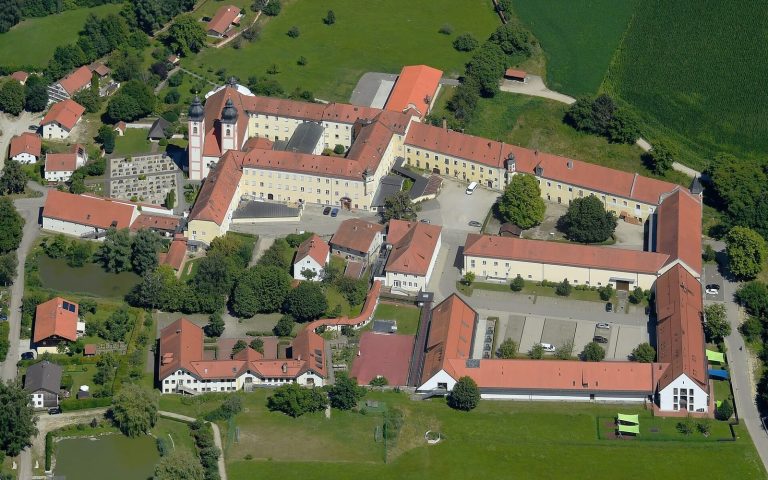
Jettenbach Castle is a historic castle complex in Jettenbach, in Upper Bavaria, Germany. Hettich von Itenbach had a probably wooden fortress built there in the mid-12th century. The marriage of Ida von Itenbach and Wiepot von Toerring established the Toerring-Jettenbach branch. The castle chapel originated in 1356.
Stone castle and expansion
A stone building replaced the wooden fortress in 1511. The Toerring family acquired Schloss Frauenbühl in Winhöring in 1567 and used it as its principal residence. At Jettenbach, the complex grew in 1622 with service buildings and a brewery; further wings and a castle park were added by the end of the 17th century.
Baroque changes and later use
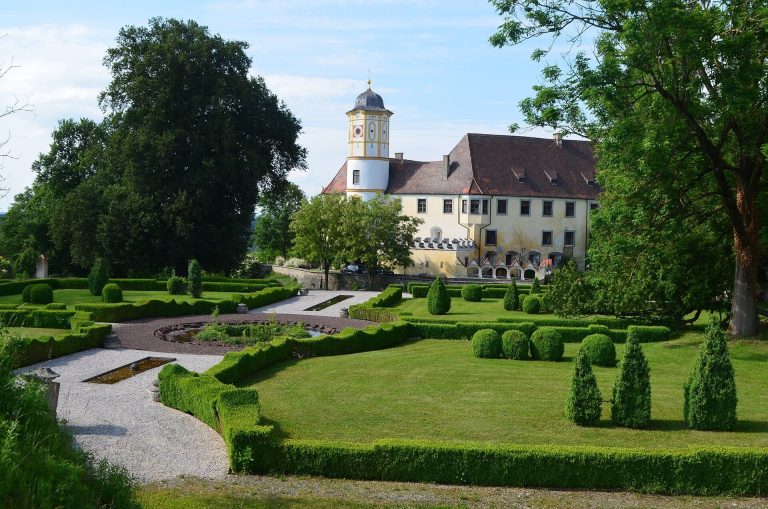
In 1726, Count Ignaz von Törring commissioned a new brewery and a dedicated water line to supply it and the castle. During the 18th century, the castle received a Baroque treatment, part of a European architectural style especially prominent in the 17th and 18th centuries. The chapel was also given a Baroque treatment in 1734, then expanded in 1920 and renovated between 1989 and 1996.
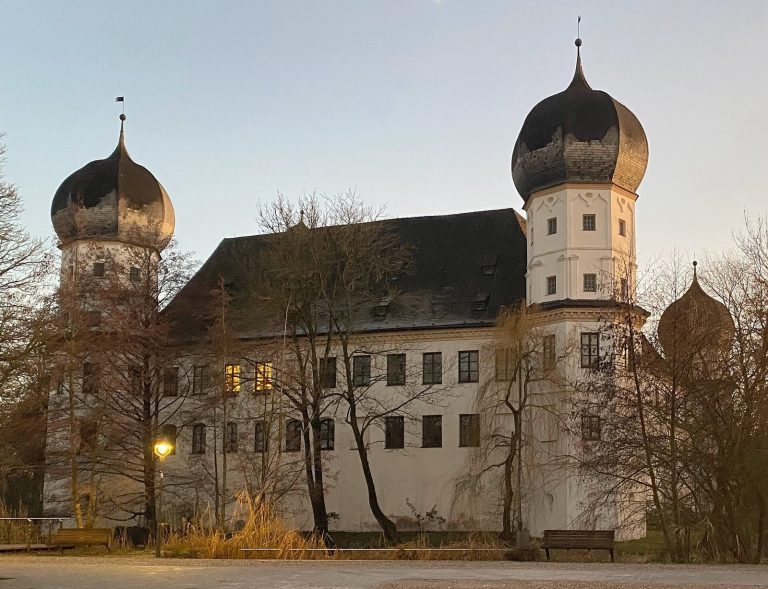
A fire in 1855 left the castle standing only as exterior walls. It was rebuilt in a simpler style over the next two years. After the Second World War, use first as accommodation for refugees and later as a brewery administration office substantially altered its interior.
Remains
Layout and surviving features
The original fortress stood above the Inn. The complex developed around the castle building and included service buildings, a brewery, later wings, a park, and a dedicated water line.
Castle and grounds
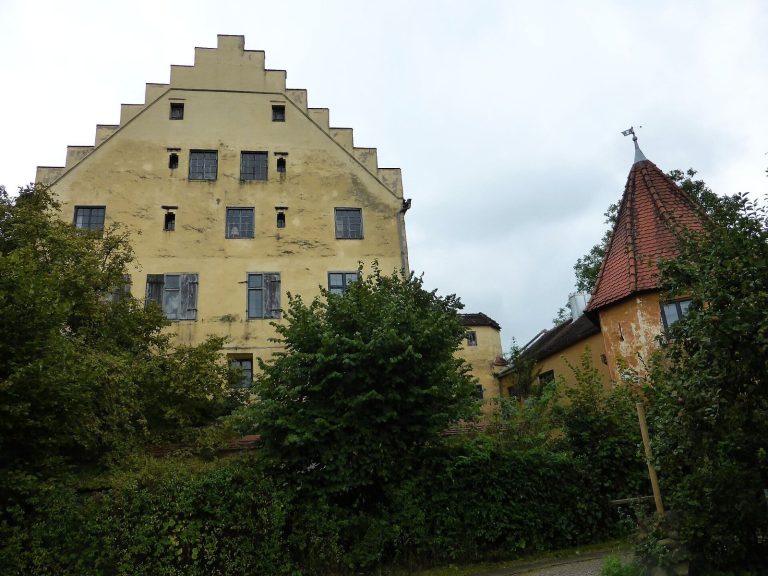
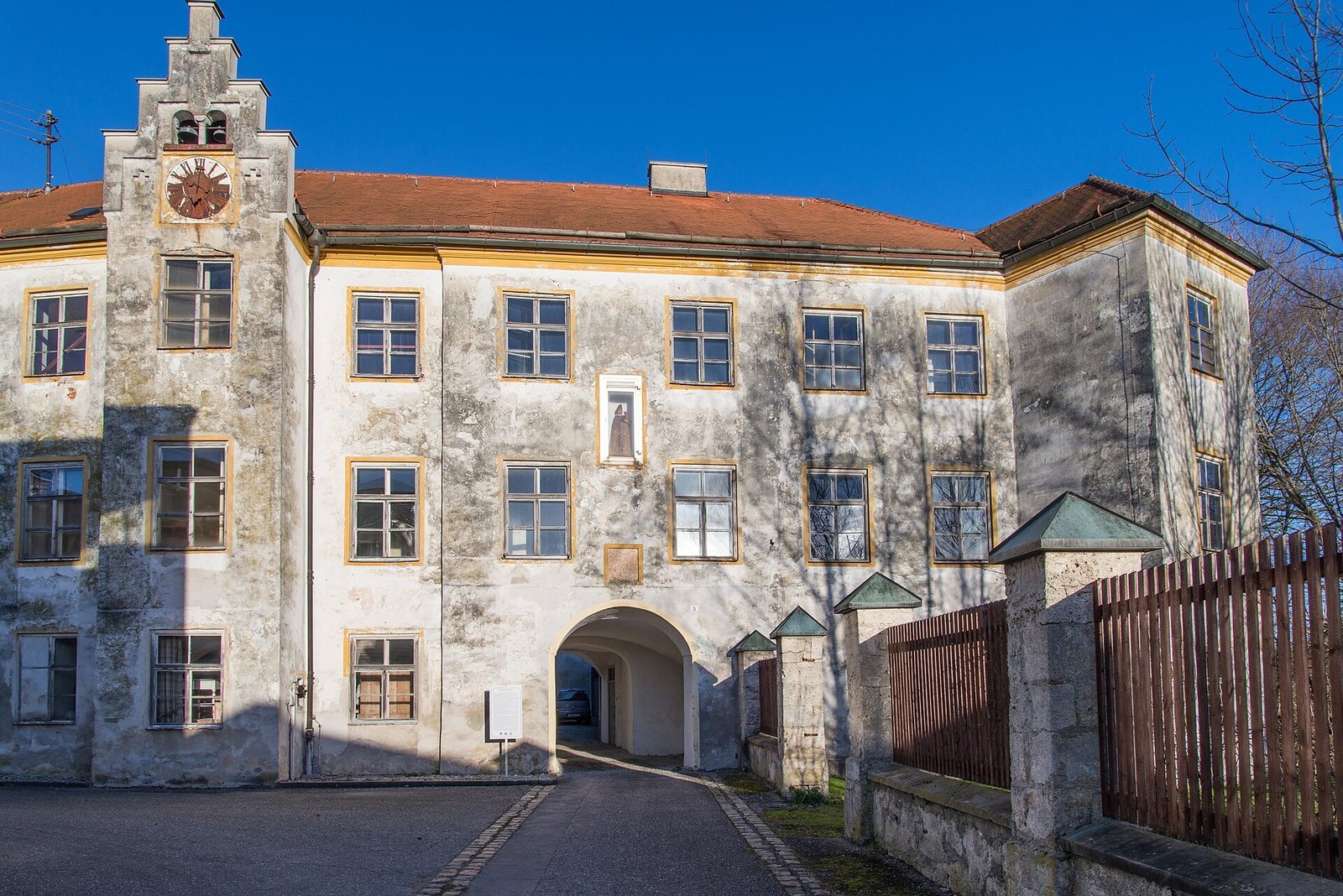
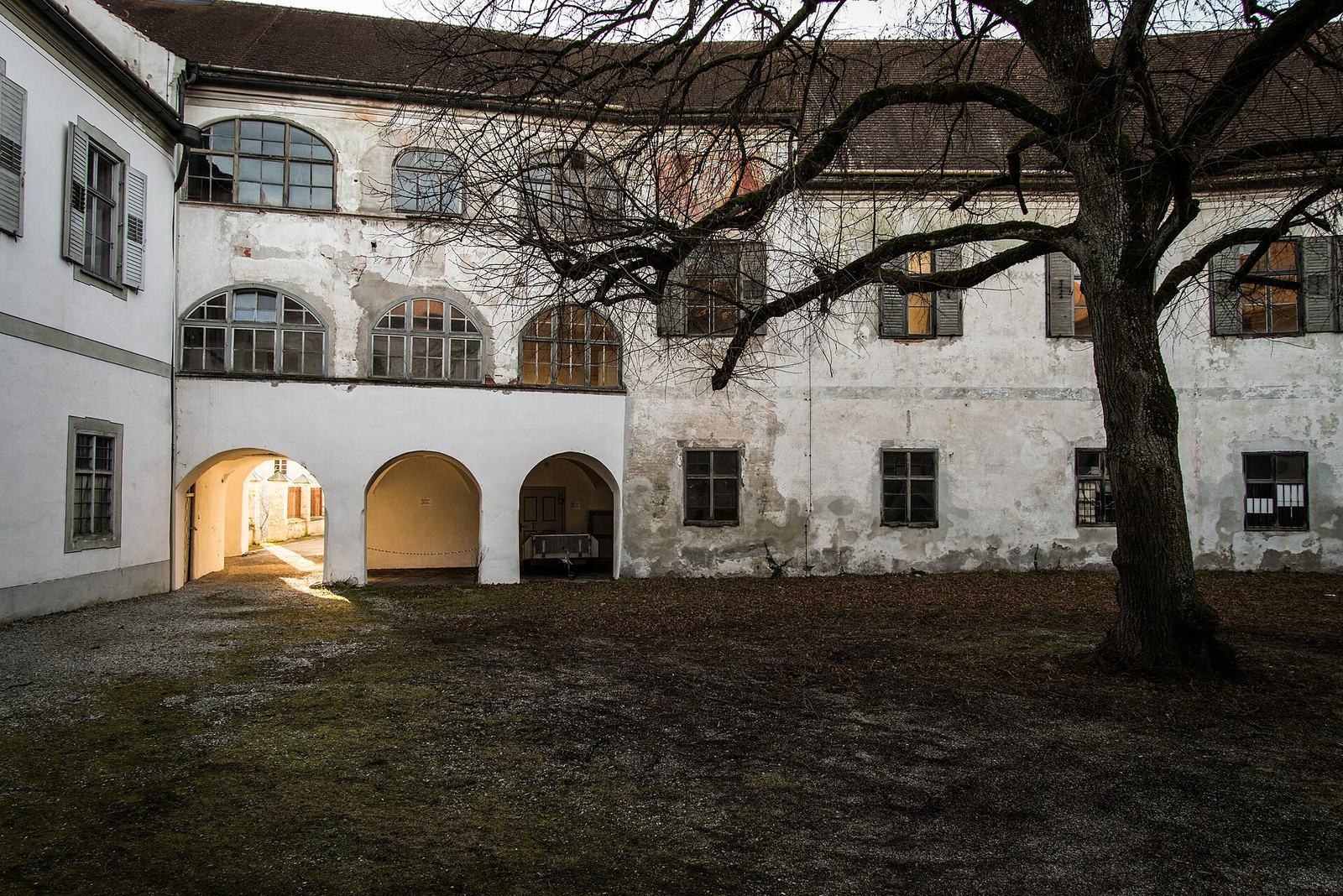
The reconstruction after the 1855 fire gave the castle its simpler present-day appearance. Its interior was substantially altered through later use. The complex is now vacant and in need of renovation.
Chapel
The castle chapel is dedicated to Saint Vitus, a Christian martyr venerated as a saint.
Archaeological remains
Subsurface remains of medieval and early-modern date occur in the castle area and around the buildings that preceded the present complex. Baroque garden features also survive below ground.