Palazzo Loup: An Eighteenth-Century Country Residence in Italy
Site at a Glance
- Popularity
- Medium
- Country
- Italy
- Primary era
- Early Modern
- Eras represented
- Medieval, Early Modern
- Civilizations
- Unclassified
- Site type
- Domestic
- Remains
- Manor House
On this page4 sections
History
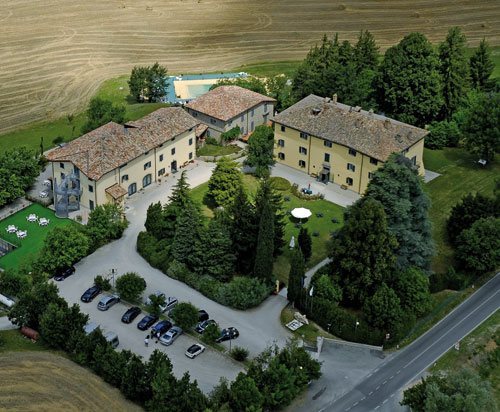
Palazzo Loup is an eighteenth-century country residence in Scanello, in the municipality of Loiano, Emilia-Romagna, Italy. Its history connects an earlier medieval estate with political discussions that preceded the unification of Italy.
The medieval estate and the villa
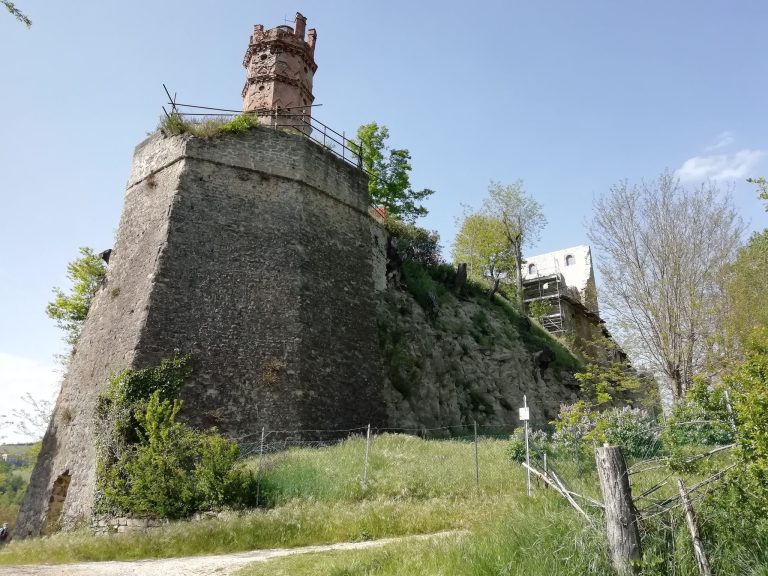
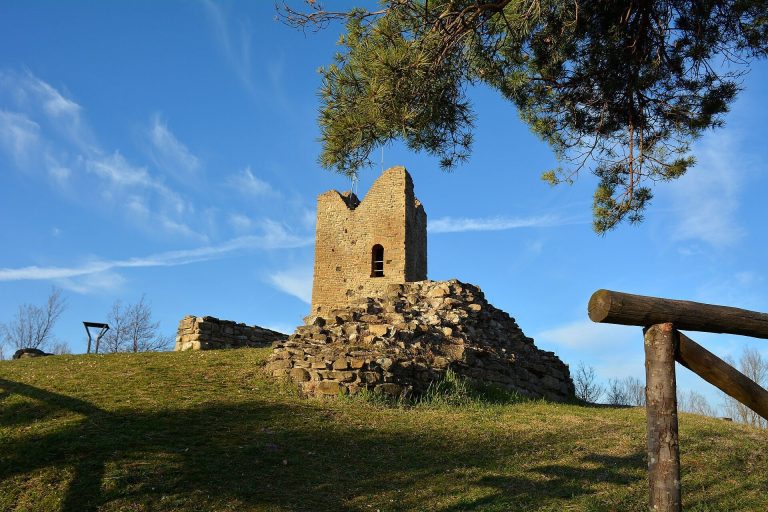
The medieval Castello di Scanello stood on land associated with Matilda of Canossa, a powerful Italian noblewoman and ruler. The estate was later given to the archbishop of Pisa. The residence, first known as Villa della Fratte, dates to the eighteenth century. The Calderini, Taruffi, and Massa families are associated with its history.
In 1805, the Massa family hosted Pope Pius VII, who stopped at the villa to rest while travelling toward Rome. He was returning from Paris, where he had attended Napoleon Bonaparte’s coronation as emperor. Pius VII was pope from 1800 to 1823.
The name Loup commemorates Luigi Loup, a Swiss nobleman and agronomist who owned the estate. He transformed the Scanello property into a modern, rational agricultural enterprise.
The 1859 Scanello meeting
On 28 September 1859, the villa hosted a confidential meeting attended by Marco Minghetti, Bettino Ricasoli, Luigi Carlo Farini, Leonetto Cipriani, and Rodolfo Audinot. These Italian political figures discussed the future of the United Provinces of Central Italy. They established a customs and monetary union involving the former duchies of Parma and Modena, the Papal Legation of Romagna, a territory administered by the Papal States, and Tuscany.
The meeting took place shortly before the unification of the Kingdom of Italy under Victor Emmanuel II, then king of Sardinia and later the first king of unified Italy. It was regarded as laying groundwork for the first administrative step toward the kingdom’s establishment.
Remains
The country residence was built over the ruins of the medieval Castello di Scanello. A monumental yew grows in the palazzo’s park.