Wiechert Palace in Starogard Gdański: A Merchant’s Residence and Administrative Complex
Site at a Glance
- Rating
- 4.3
- Popularity
- Low
- Country
- Poland
- Primary era
- Modern
- Eras represented
- Modern
- Civilizations
- German, Kingdom of Prussia
- Site type
- Domestic
- Remains
- Elite Residence
On this page10 sections
History
Wiechert Palace in Starogard Gdański, Poland, is an eclectic residence completed in 1893 for merchant Franciszek Wiechert. Eclectic architecture combines features from different historical styles.
Foundation and family ownership
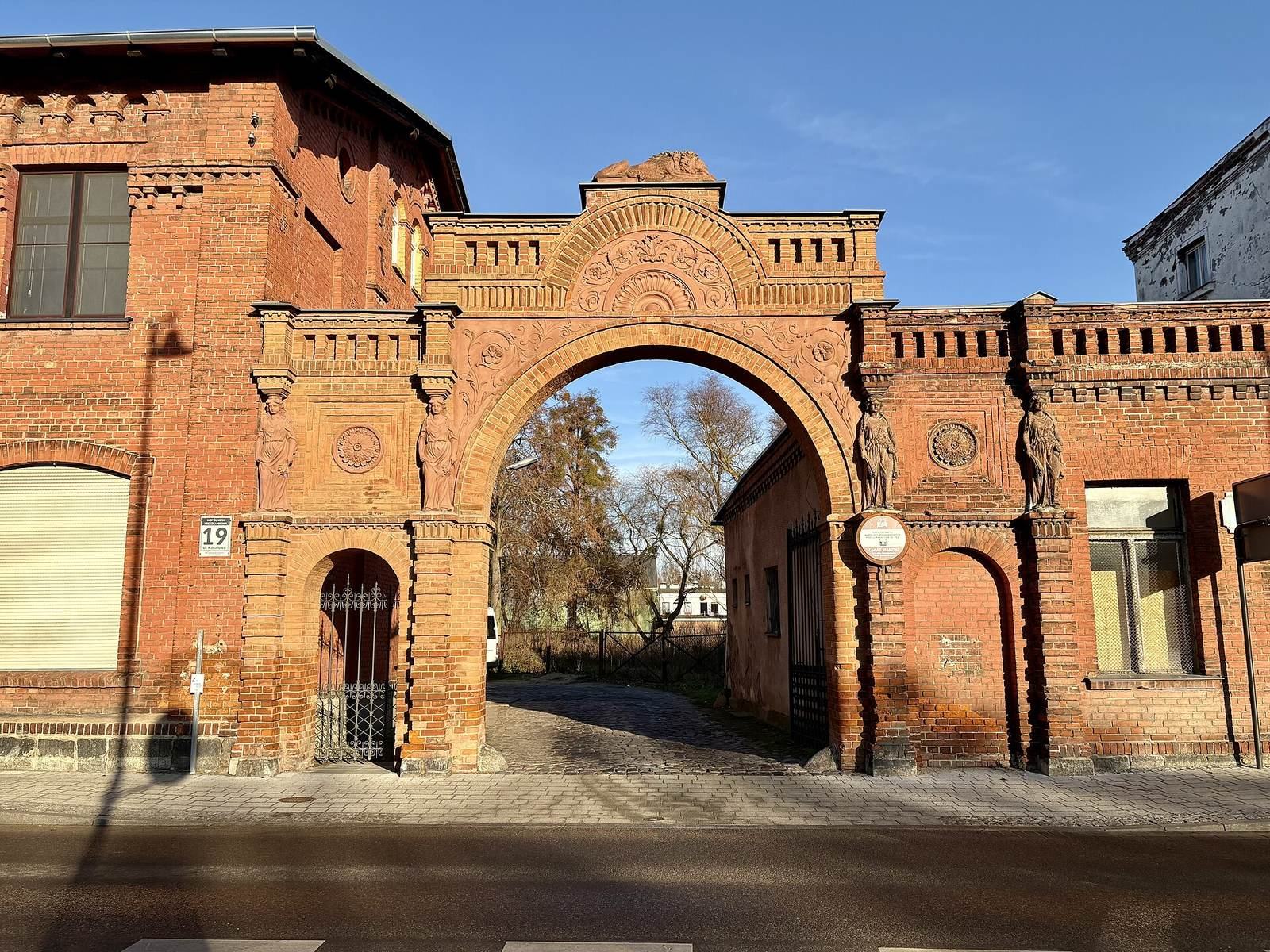
Wiechert acquired a water mill in Starogard Gdański in 1871. In 1880, he established a residential and administrative complex near the mill, which included the family’s representative home. The palace remained in the Wiechert family until early 1945.
Post-war uses and protection
After the war, the family estate became state property. The palace was subsequently used as a preschool, a nursery, and apartments for mill employees. It is now privately owned and was entered in the register of historic monuments on 17 December 1996.
Remains
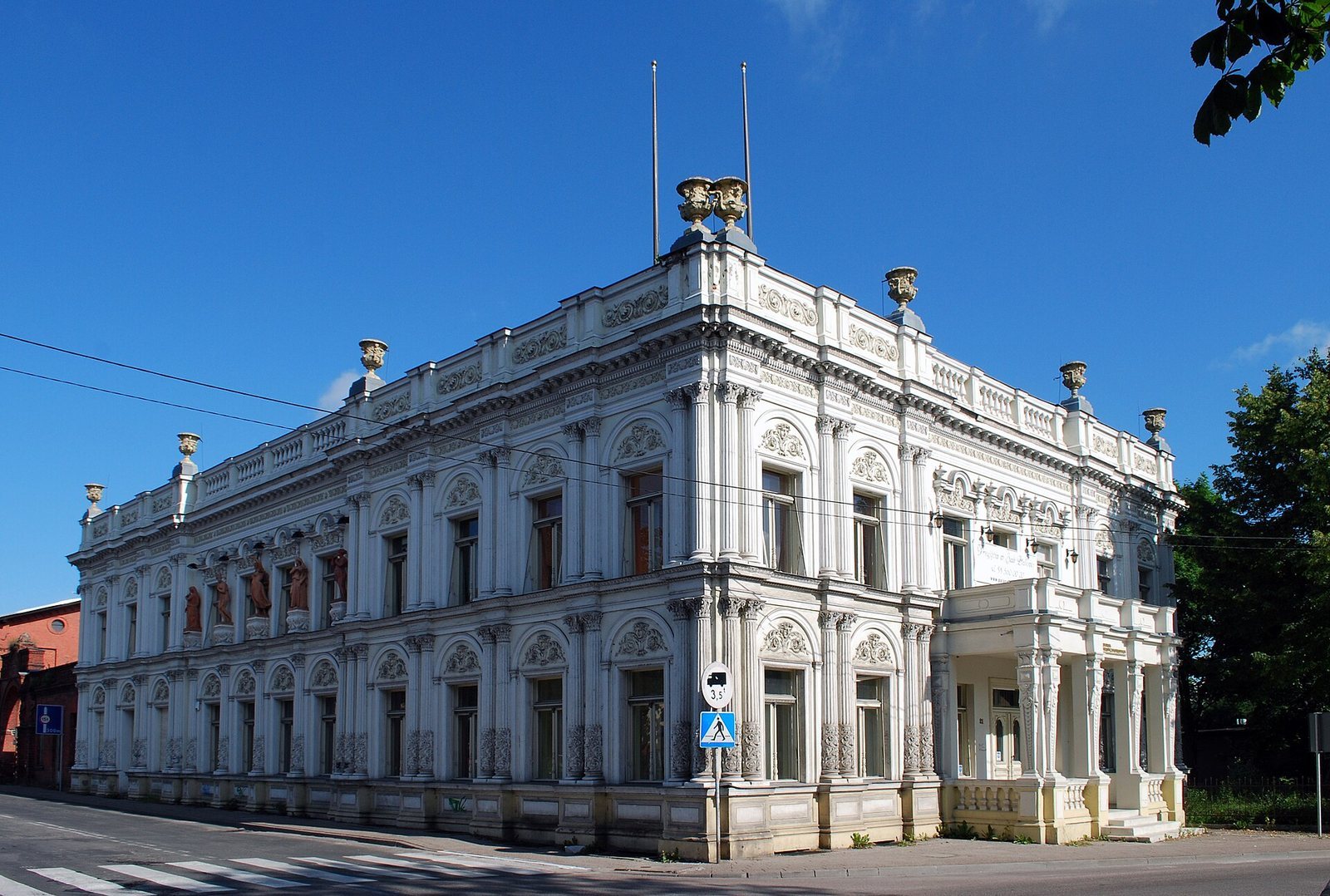
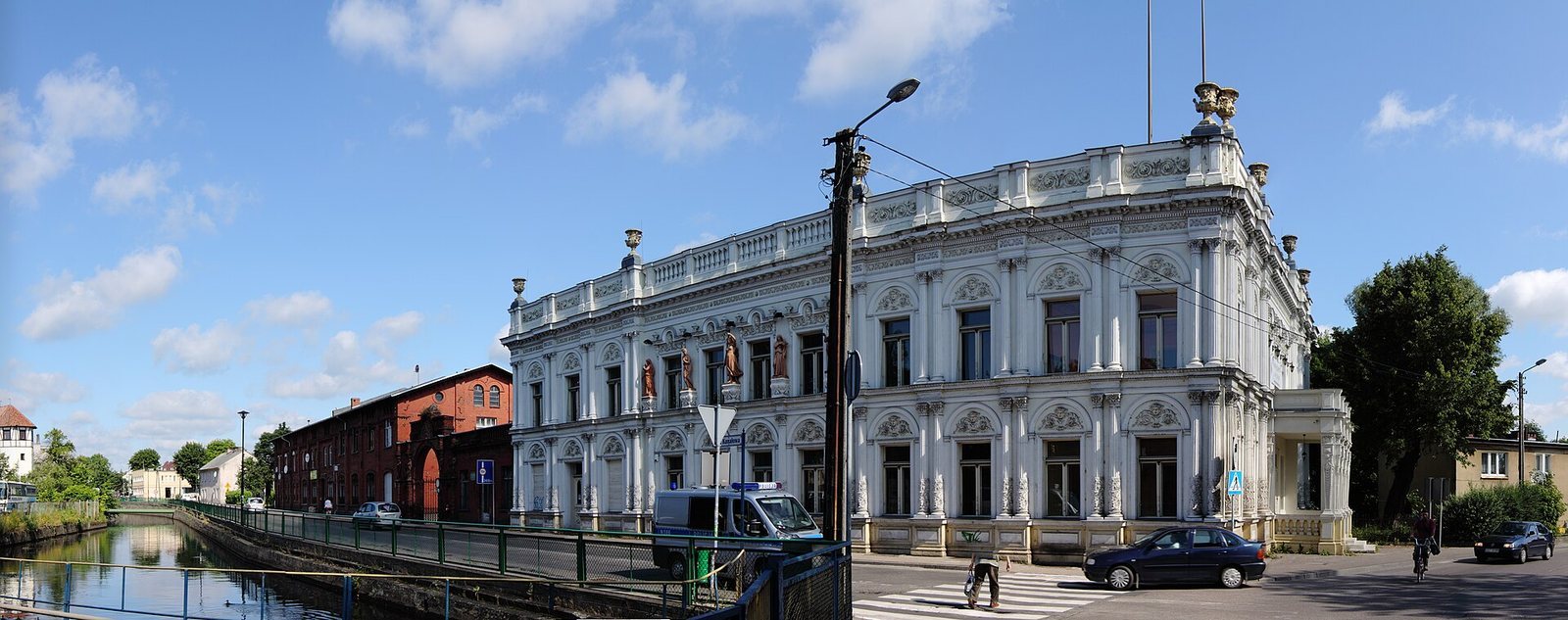
The palace is formed by two wings of different dates and architectural styles. Its surviving features include varied interior decoration and sculpture on the front of the building.
Wings and architectural development
Western wing
The single-storey western wing was built of red brick in 1882. Its neoclassical design draws on classical forms.
South-eastern wing
The grand, two-storey south-eastern wing dates to 1893. Its Neo-Renaissance design revives forms associated with Renaissance buildings.
Interior and exterior decoration
Representative hall
Although parts of the interior have been remodeled, varied decorative treatments remain. The especially richly decorated upper-floor representative hall has a ceiling panel centered on a rosette, a circular flower-like ornament. Its painted decoration uses Neo-Renaissance motifs, while a deep curved molding frames the ceiling and two carved wooden covers conceal radiators.
Front sculptures
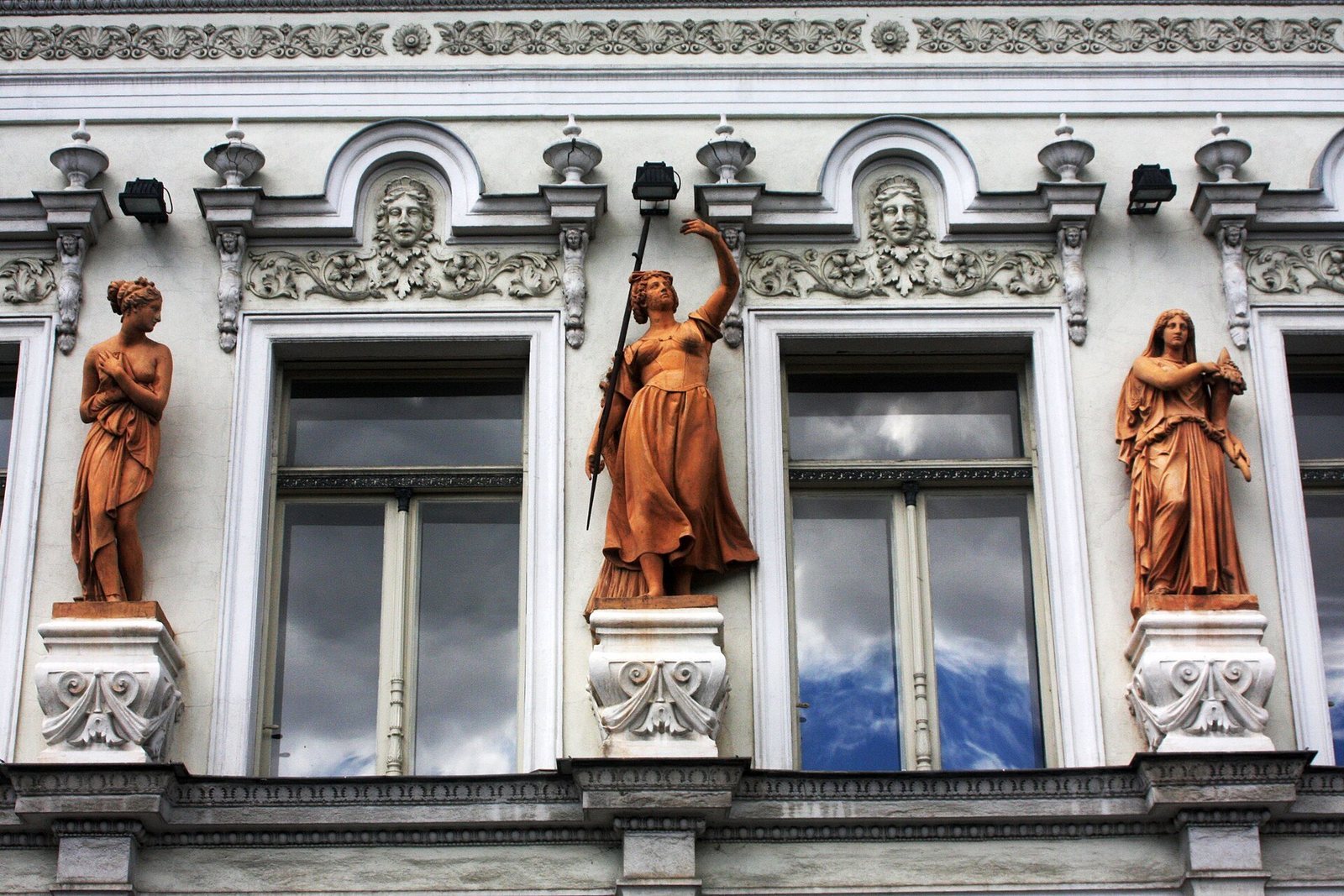
Five sculptures of women adorn the front of the palace. One, carved from red sandstone, depicts a woman covering herself with fabric. It is a copy of the neoclassical sculpture Venus Italica, a depiction of Venus associated with the Italian sculptor Antonio Canova.