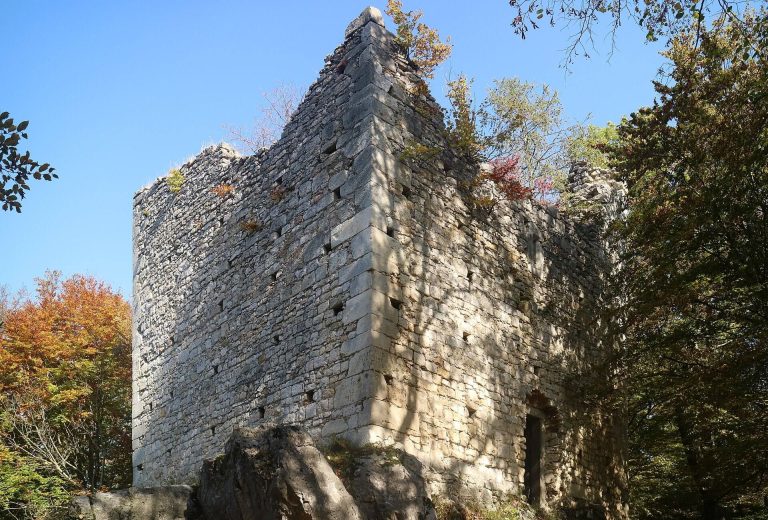
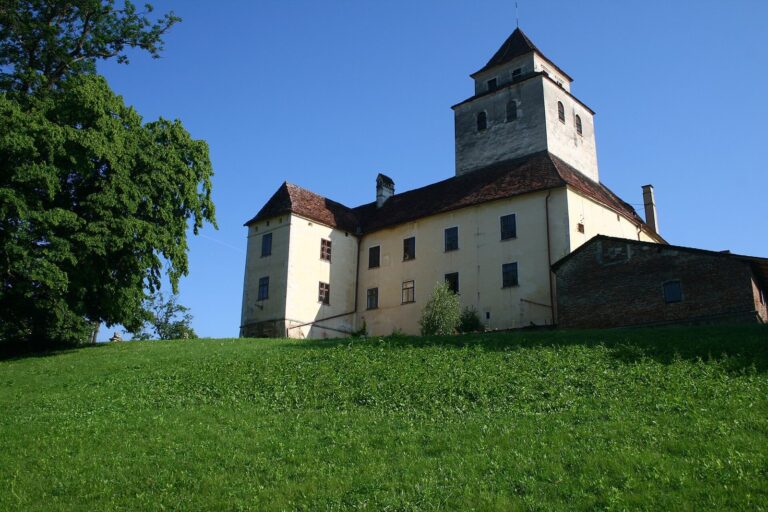
Schloss Laubegg: A Castle in Styria, Austria
Site at a Glance
- Rating
- 4.6
- Popularity
- Medium
- Country
- Austria
- Primary era
- Medieval
- Eras represented
- Medieval
- Civilizations
- Duchy of Styria, Habsburg, Holy Roman Empire
- Site type
- Military
- Remains
- Castle
On this page5 sections
History
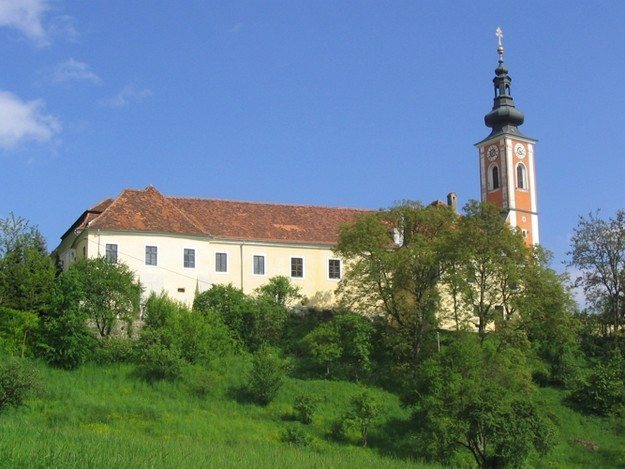
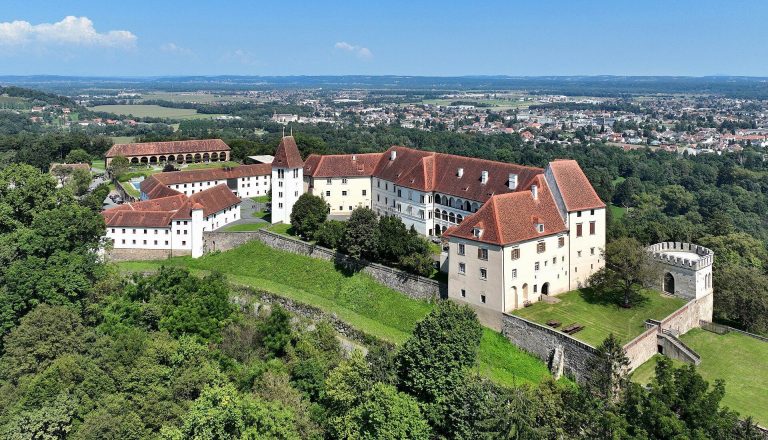
Schloss Laubegg is a castle in the municipality of Ragnitz, Styria, Austria. Its ownership passed among regional noble families before the castle became a possession of the territorial ruler, and it later served both defensive and institutional purposes.
Medieval lordship
Laubegg first belonged to the Eppensteiners, then passed to the Mureckers and later to the Wildon family. A ferry crossing over the Mur once operated near the present-day cadastral community of Laubegg. In 1254, Ullinus de Lovbeke, a retainer of the Wildon family, was first recorded there.
In 1302, Hartnid III of Wildon transferred his Laubegg property to the Diocese of Seckau as compensation, then received it back as a fief. The Wildon family lost the castle and lordship to the Walsee family of Graz in 1308. After the Walsee line ended in 1363, the Lords of Pettau took over the diocese’s fief.
Following the death of the last Pettau lord, Frederick IX, in 1438, his daughter Agnes transferred the lordship to King Frederick III, a Habsburg ruler who later became Holy Roman Emperor. Laubegg thereby became a possession of the territorial ruler.
Destruction and rebuilding
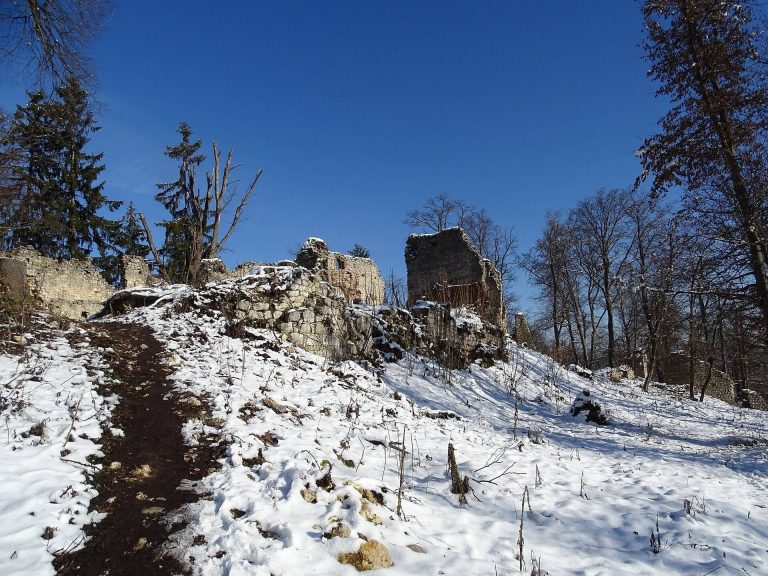
The castle was destroyed in 1532 during the First Austrian–Ottoman War, a conflict between Habsburg Austria and the Ottoman Empire. Rebuilding began in 1561.
Later uses
Ownership changed repeatedly in the centuries that followed. Among its uses, the castle served as a novitiate house, where novices prepared to enter a religious order. In 1940, it became a Gau training center, a facility for a regional Nazi Party and administrative district.
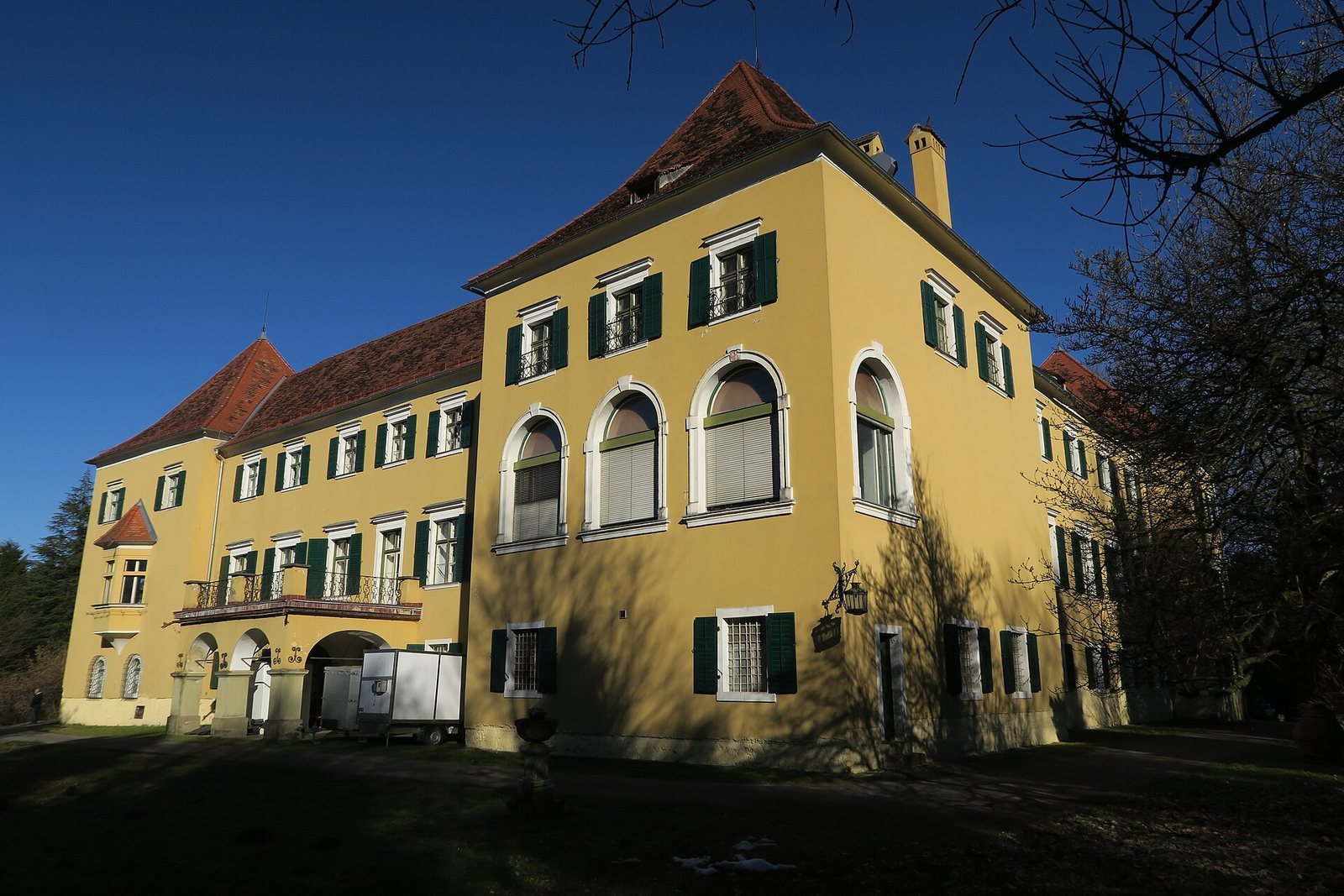
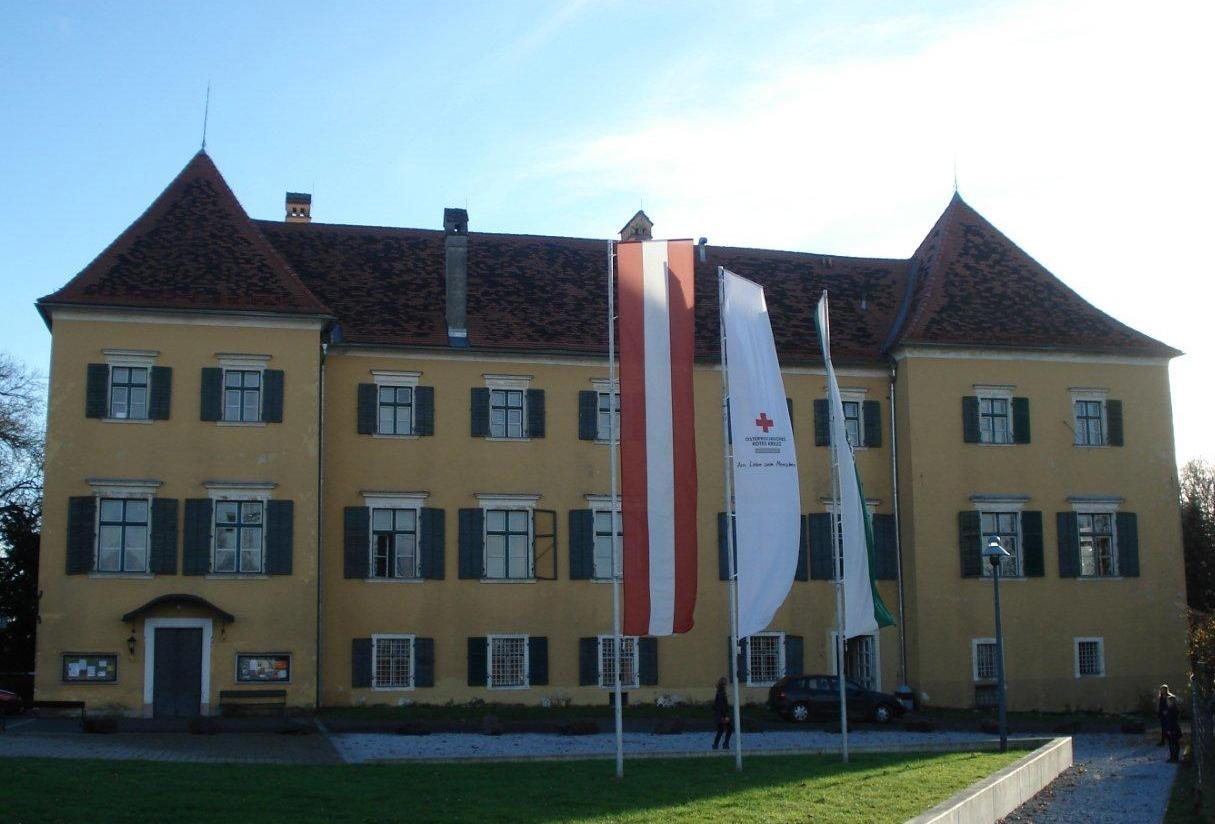
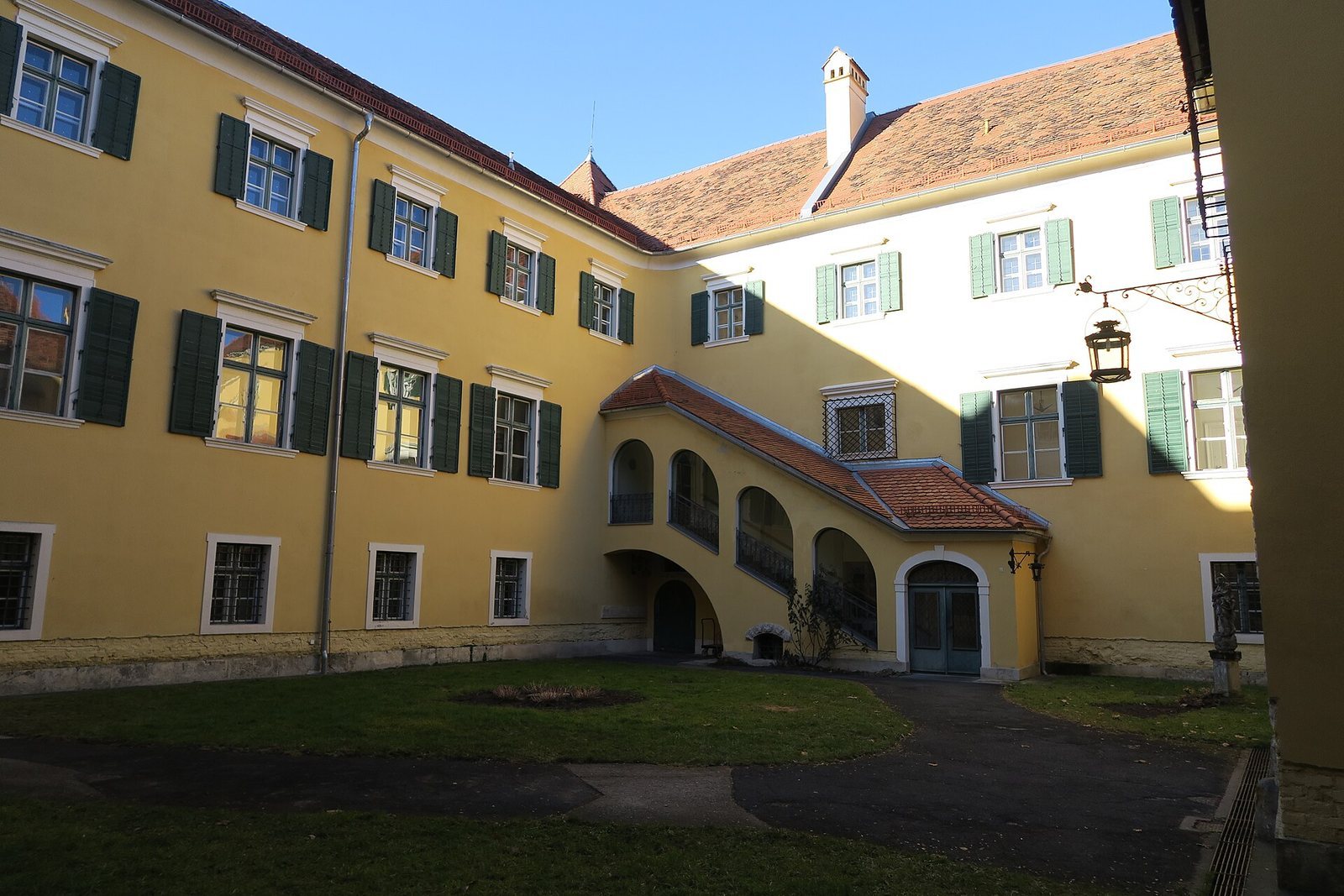
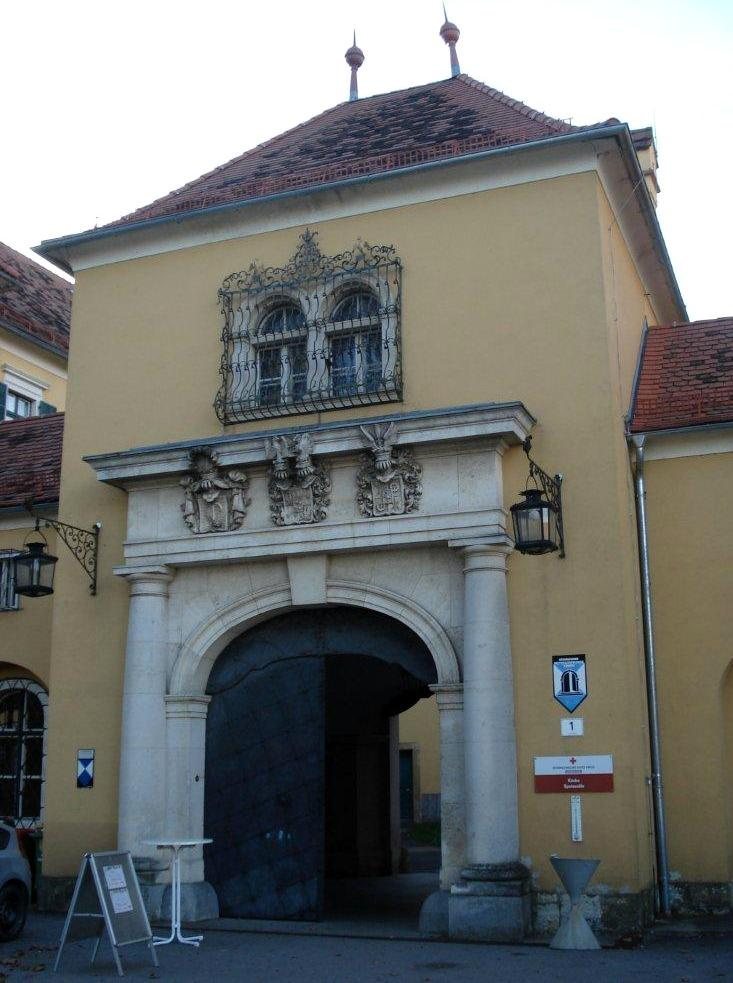
After the Second World War, when Soviet and British troops occupied the area, extensive work began on the castle’s exterior and interior. It later housed an elderly-care home and a rest and recreation home run by Caritas, a Catholic charitable organization. Since 2004, it has housed the Styrian Red Cross training and operations center; the Styrian Red Cross is its current owner.
Remains
The castle had a clear line of sight to neighboring defensive works. This position enabled its use as a signal-fire station, with beacon fires used to relay warnings.