Palace of the Dukes of Villahermosa: A Renaissance Palace in Spain
Site at a Glance
- Rating
- 4.6
- Popularity
- High
- Country
- Spain
- Primary era
- Early Modern
- Eras represented
- Medieval, Early Modern, Modern
- Civilizations
- Crown of Aragon, Habsburg, Habsburg Spain, Spanish
- Site type
- Domestic
- Remains
- Elite Residence
On this page7 sections
History
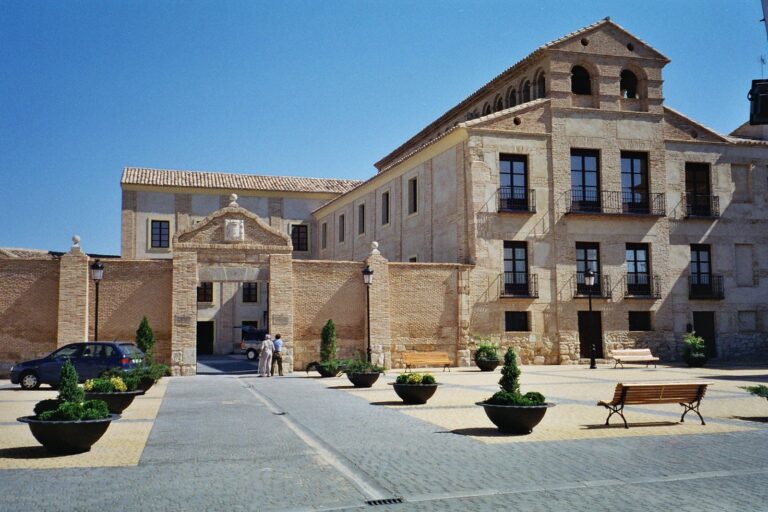
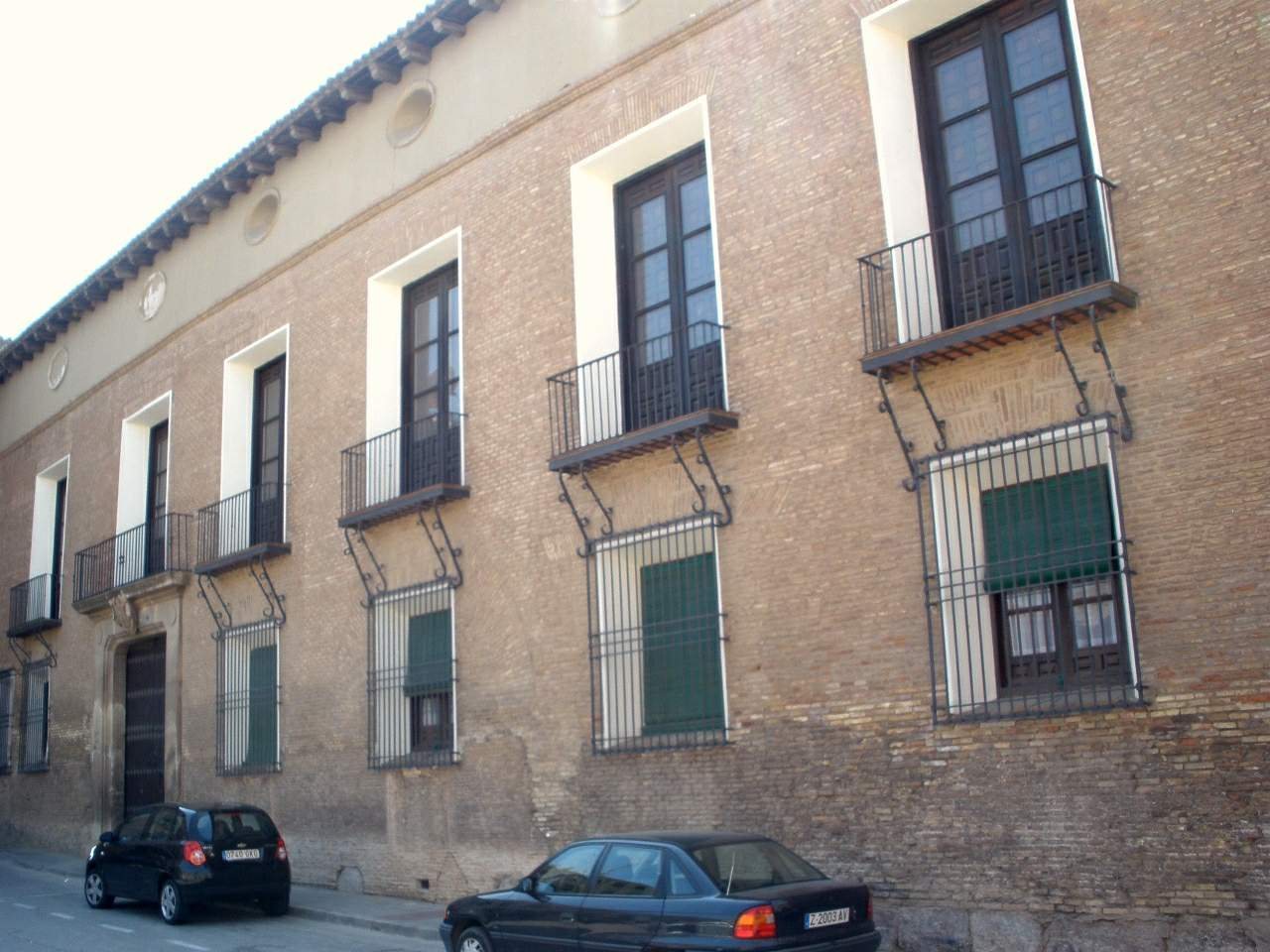
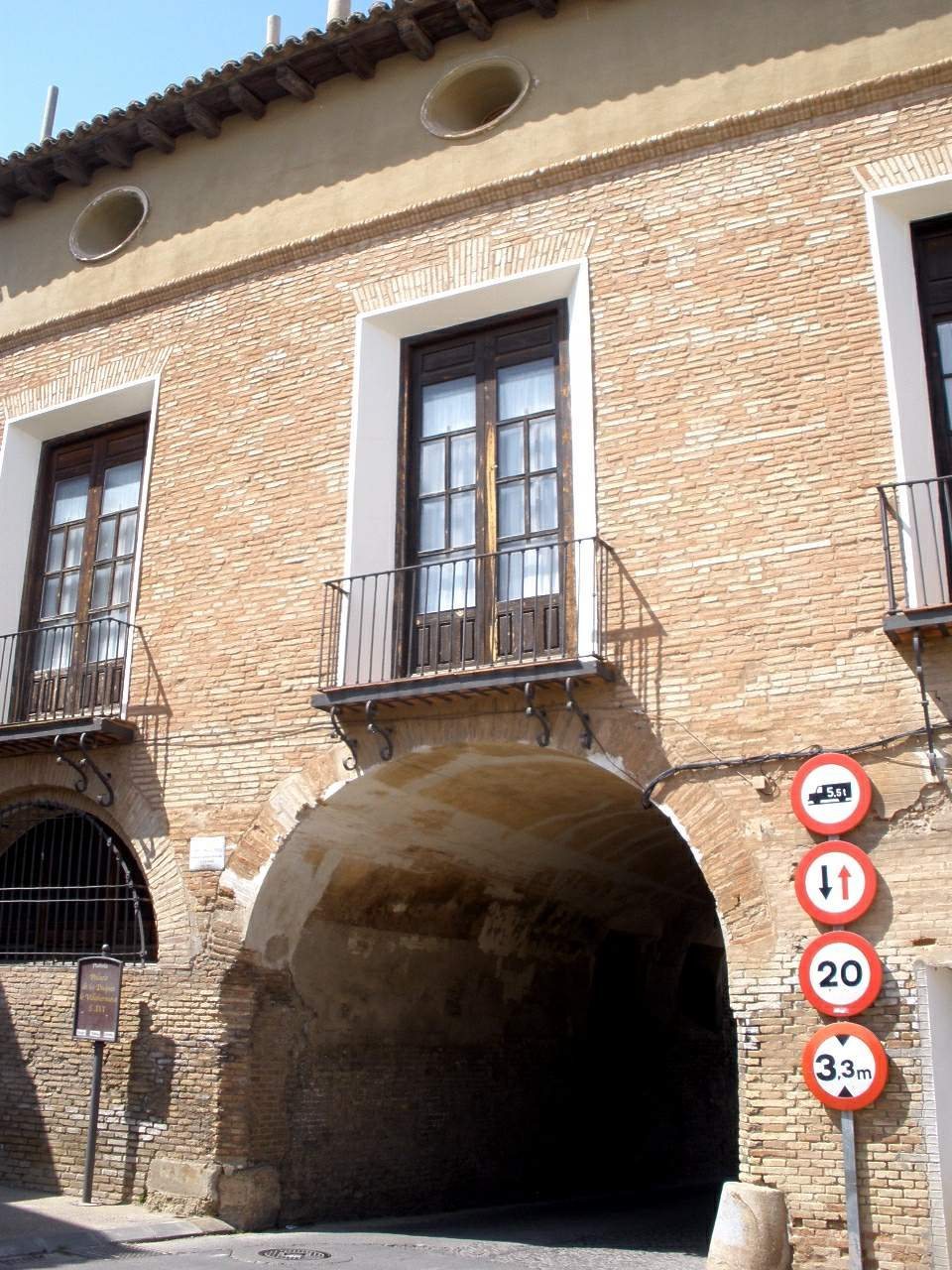
The Palace of the Dukes of Villahermosa is a Renaissance residence in Spain, commissioned in the sixteenth century by the dukes of Villahermosa. It grew from a fortified predecessor associated with the Luna family and became part of a complex connected with the church of Our Lady of the Angels.
The Luna family’s fortification
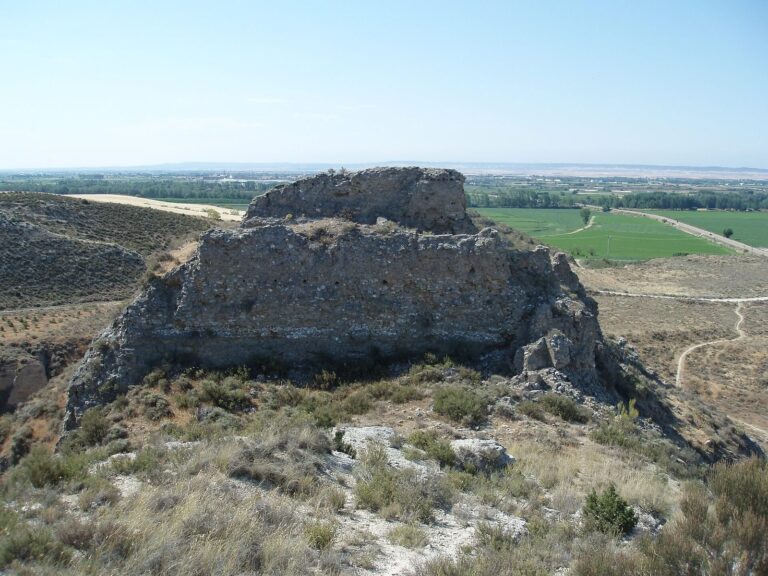
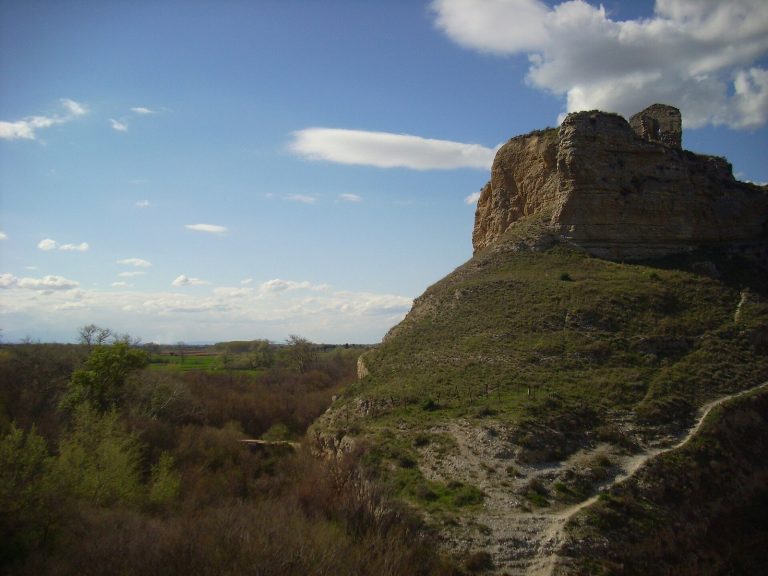
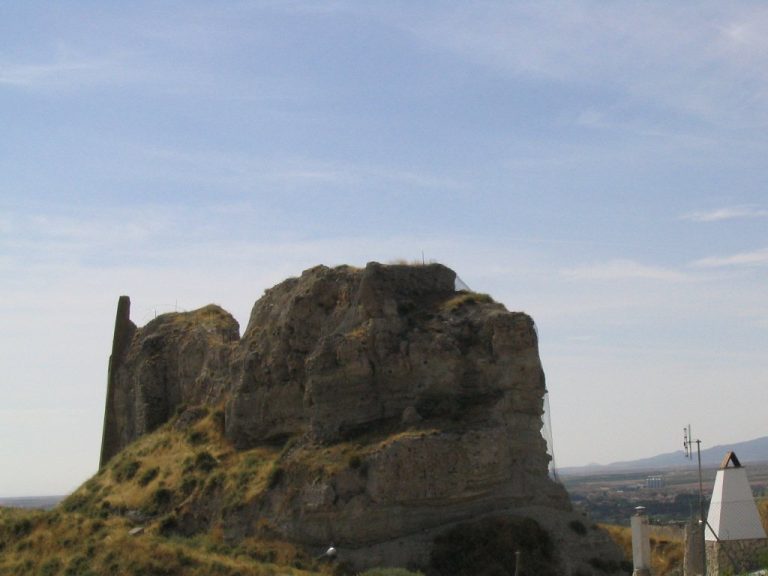
Before the palace was built, a fortified stronghold belonging to the Luna family occupied the site. The family, an Aragonese noble lineage, held the lordship of Pedrola from the twelfth through the sixteenth centuries. Their fortification contributed to the town’s defenses, forming part of its wall system and connecting with one of its gates.
The Renaissance palace
After inheriting the Luna family’s lordship, the dukes of Villahermosa commissioned a palace on the fortified site. Martín de Gurrea y Aragón ordered its construction, and Alonso Felipe designed it. The Renaissance building was associated with the church of Our Lady of the Angels, while the Villahermosa family held patronage over the church until 1973.
Later changes and preservation
A major renovation in the late eighteenth and early nineteenth centuries updated the palace and introduced alterations reflecting Neoclassical taste. Over generations, the family’s collection grew to include paintings, furniture, and tapestries from its former palace in Madrid, now occupied by the Thyssen-Bornemisza Museum. Pilar Azlor de Aragón and her children later undertook a careful restoration.
In 1976, the palace and church together received Spain’s Asset of Cultural Interest designation, a legal status protecting cultural heritage. An unverified attribution connects the palace with some events associated with the Barataria episode of Miguel de Cervantes’s Don Quixote, which concerns a fictional island and its governorship.
Remains
The complex combines a Renaissance palace, later Neoclassical alterations, and a long connection to the church of Our Lady of the Angels. The palace stands on the site of a fortified castle dating to the twelfth century.
The palace
The palace’s salons brought together a large art collection, including paintings, furniture, and tapestries transferred from the former Villahermosa palace in Madrid. The building’s Renaissance character was modified during the later renovation to reflect Neoclassical taste.
The corridor to the church
A long, winding corridor links the palace with the church. Luisa de Borja built it, and houses were constructed beneath it. Along the passage, she arranged the Stations of the Cross, a Christian devotional sequence recalling episodes from Jesus’s Passion. Its layout followed the distance traditionally believed to have been walked by Christ in Jerusalem.