Falkenstein Castle: A High Medieval Spur Castle in Germany
Site at a Glance
- Rating
- 4.4
- Popularity
- Low
- Country
- Germany
- Primary era
- Medieval
- Eras represented
- Medieval, Modern
- Civilizations
- Duchy of Luxembourg, German, Holy Roman Empire, Kingdom of Prussia
- Site type
- Military
- Remains
- Castle
On this page7 sections
History
Falkenstein Castle is a high-medieval spur castle, built on a projecting ridge, at Waldhof-Falkenstein in Rhineland-Palatinate, Germany. The Lords of Falkenstein probably built it in the first half of the 12th century.
Medieval development
The Counts of Manderscheid, a noble house associated with the Eifel region, later enlarged the castle.
Destruction and changing ownership
Falkenstein Castle was destroyed in 1679 and rebuilt afterward. It belonged to the Duchy of Luxembourg, a historic territory governed by a duke, until the end of the 18th century. The French-Luxembourgish de la Gardelle von Falkenstein family held the property until the death of Anna-Maria de la Gardelle von Falkenstein, daughter of Adam Heinrich and the family’s last resident.
Prussian and private ownership
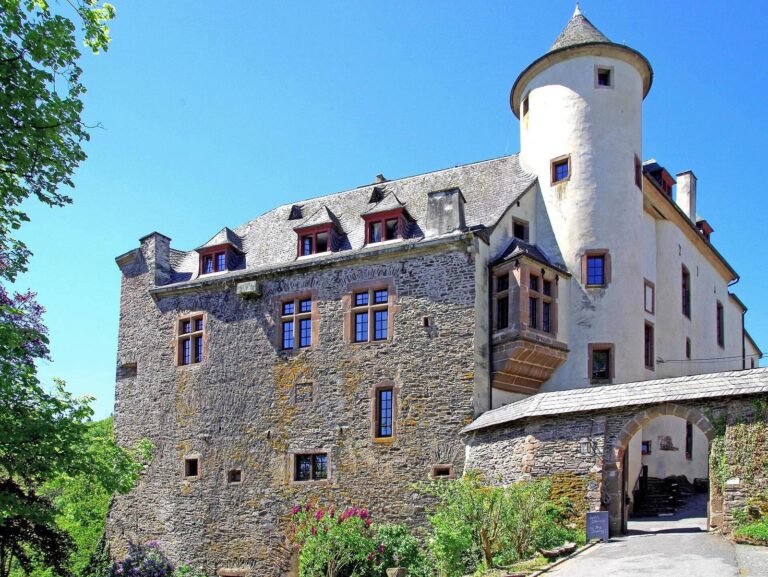
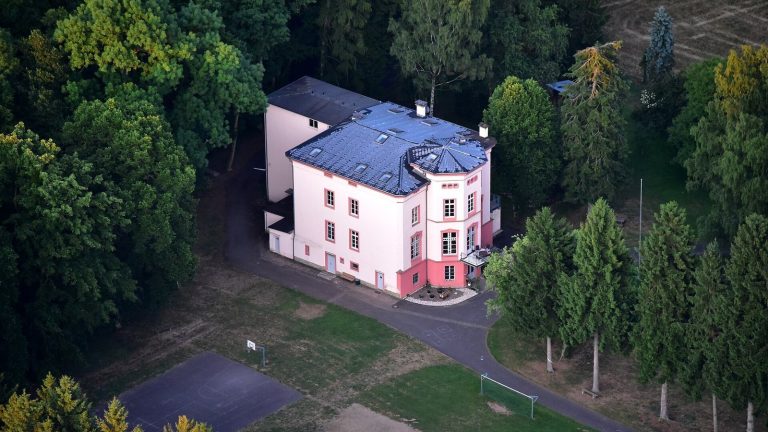
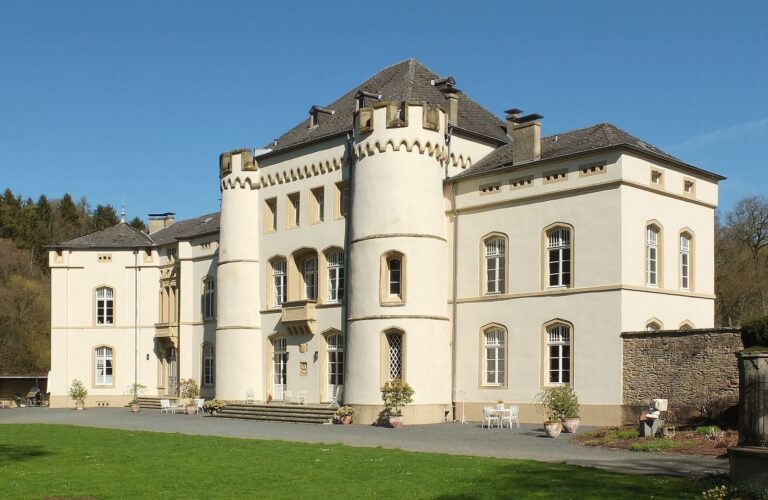
The castle passed to Prussia, then a German kingdom and major European power, in 1815. It was sold to a private owner in 1886, who enlarged the residential building. The ruin, residence, and chapel remain privately owned, and the property is inhabited.
Remains
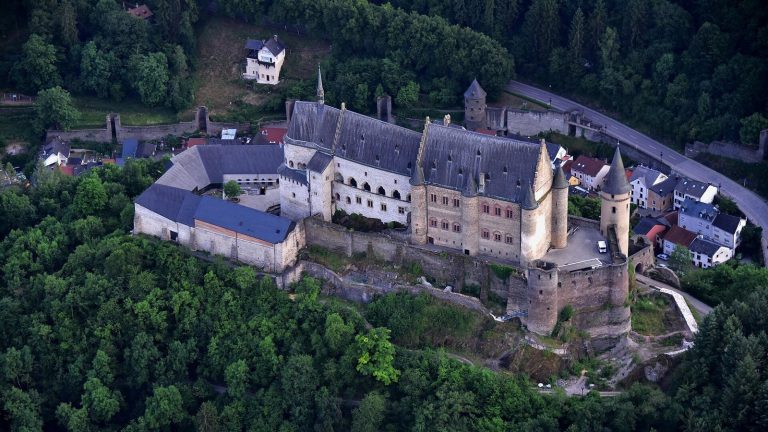
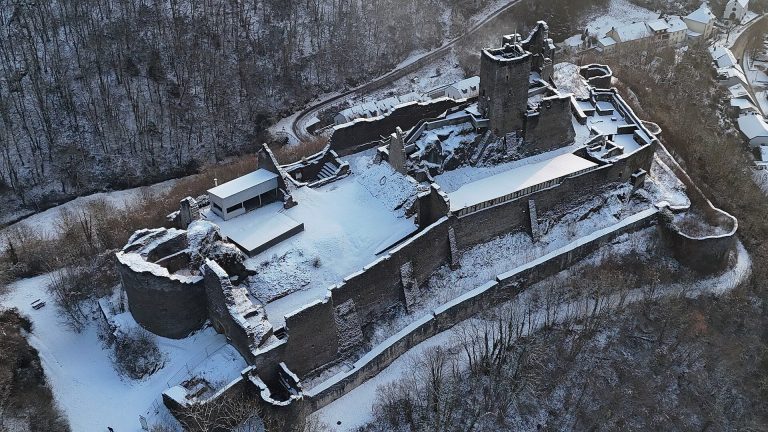
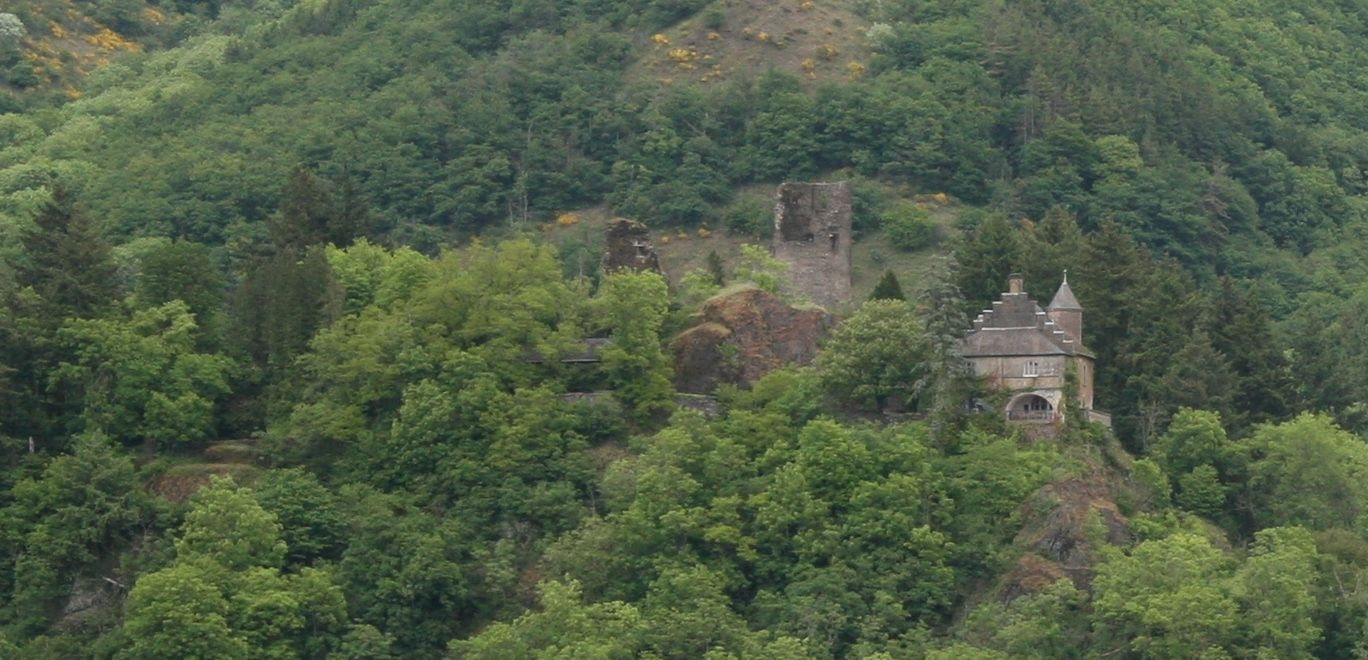
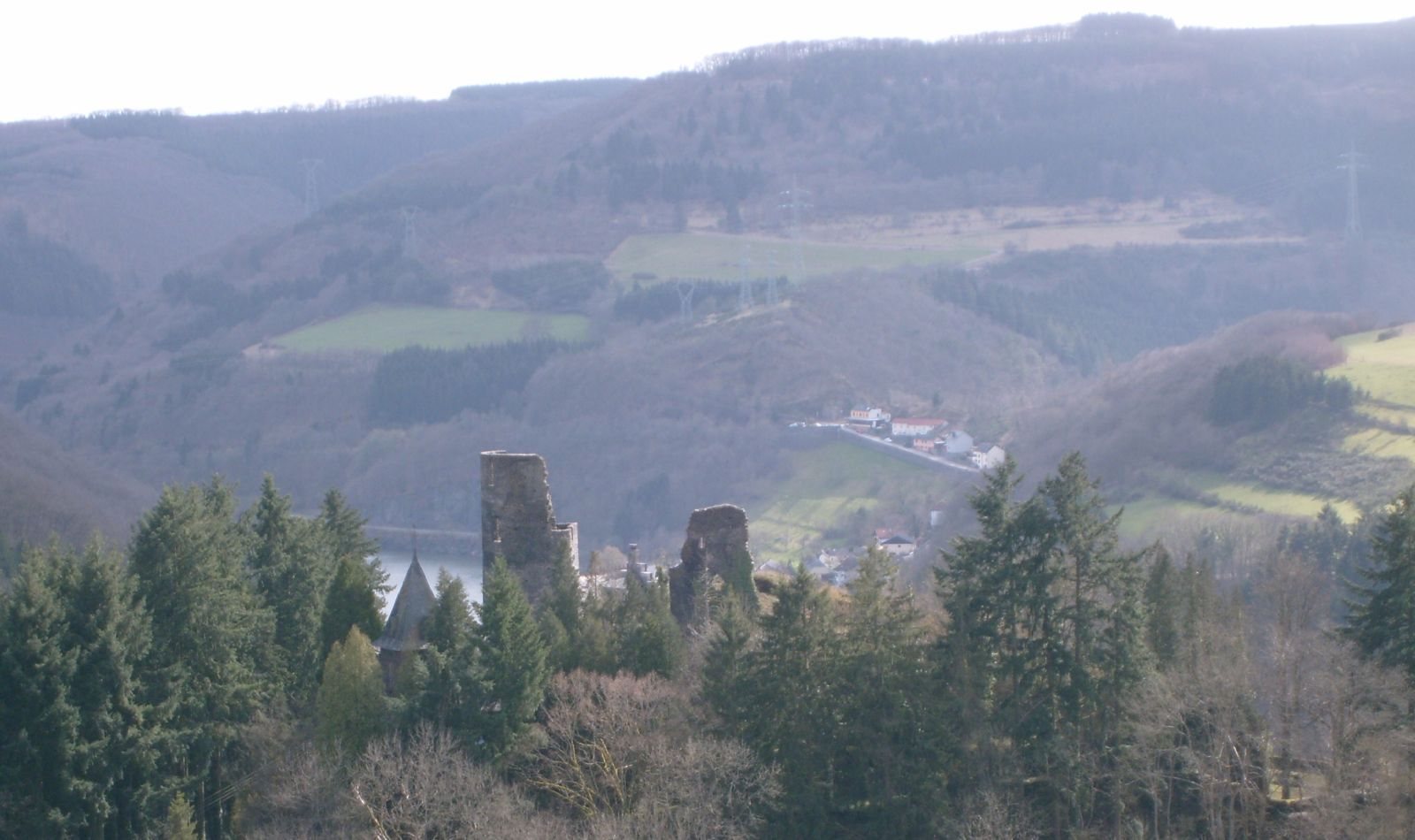
The castle occupies a steep ridge 350 meters above sea level overlooking the Our Valley. It lies within the German-Luxembourg Nature Park and the Our Loop-Falkenstein nature reserve. The main castle and chapel date from the 12th to 14th centuries.
Fortifications and residence
Surviving defensive features include the castle gate, parts of the shield wall, which protected the castle, and an outer defensive enclosure that formed a protected space around the inner fortifications. A defensive tower and vaulted passages, corridors with arched ceilings, also remain. One wall survives from the principal residential building.
Chapel and service buildings
The chapel remains among the surviving buildings. Wall remnants also mark the former stables and servants’ house.