Schloss Pöttmes (Schloss Gumppenberg): A Bavarian Manor Seat
Site at a Glance
- Rating
- 4.4
- Popularity
- Medium
- Country
- Germany
- Primary era
- Early Modern
- Eras represented
- Early Modern
- Civilizations
- Electorate of Bavaria, Holy Roman Empire
- Site type
- Domestic
- Remains
- Manor House
On this page5 sections
History
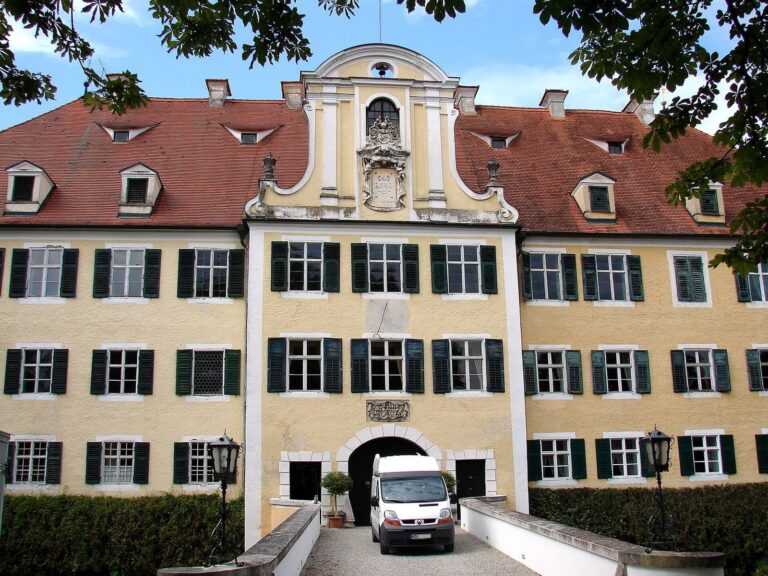
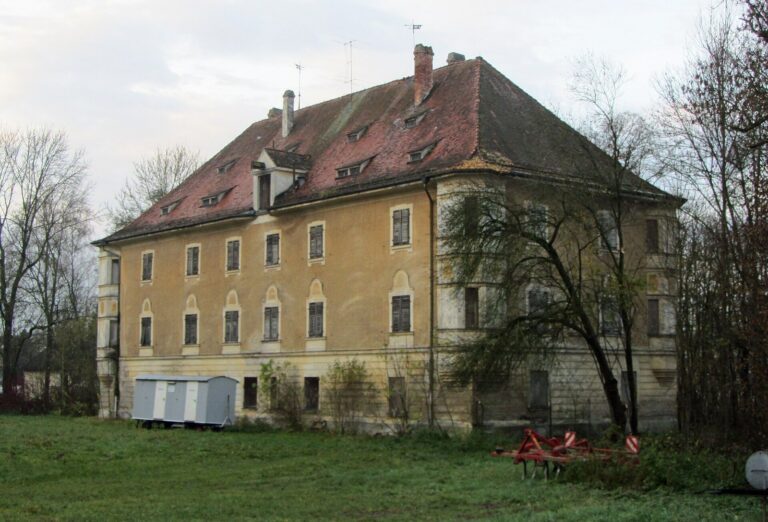
Schloss Pöttmes, also known as Schloss Gumppenberg, is a manor house in Pöttmes, Germany, whose core dates to 1683. It served as the seat of the closed Hofmark of Pöttmes, a defined Bavarian manorial jurisdiction with authority over serious crimes, including offences punishable by death.
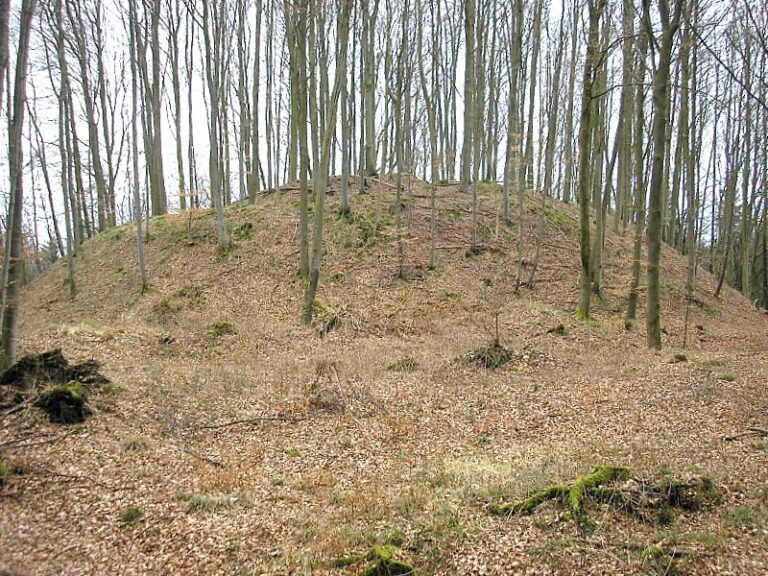
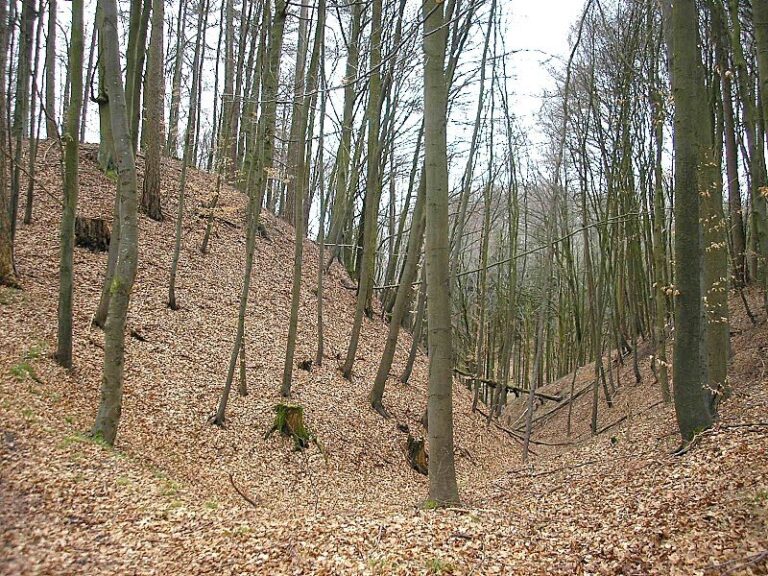
The lordship of Pöttmes belonged to the Barons of Gumppenberg from 1279 until the administrative reform of 1818. Before their seat was established at Pöttmes, the family lived in a substantial castle on Gumppenberg, northwest of the town. That earlier stronghold burned in July 1704 during the War of the Spanish Succession, a European conflict fought from 1701 to 1714 over the Spanish throne, and was never rebuilt.
Remains
Main building
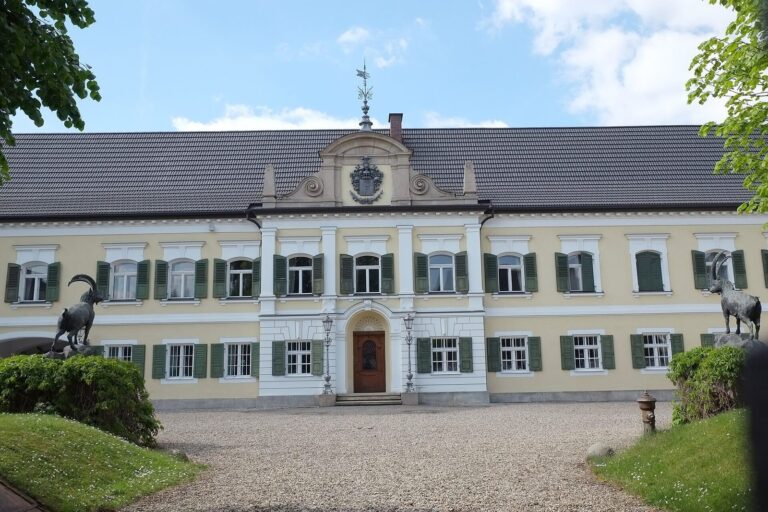
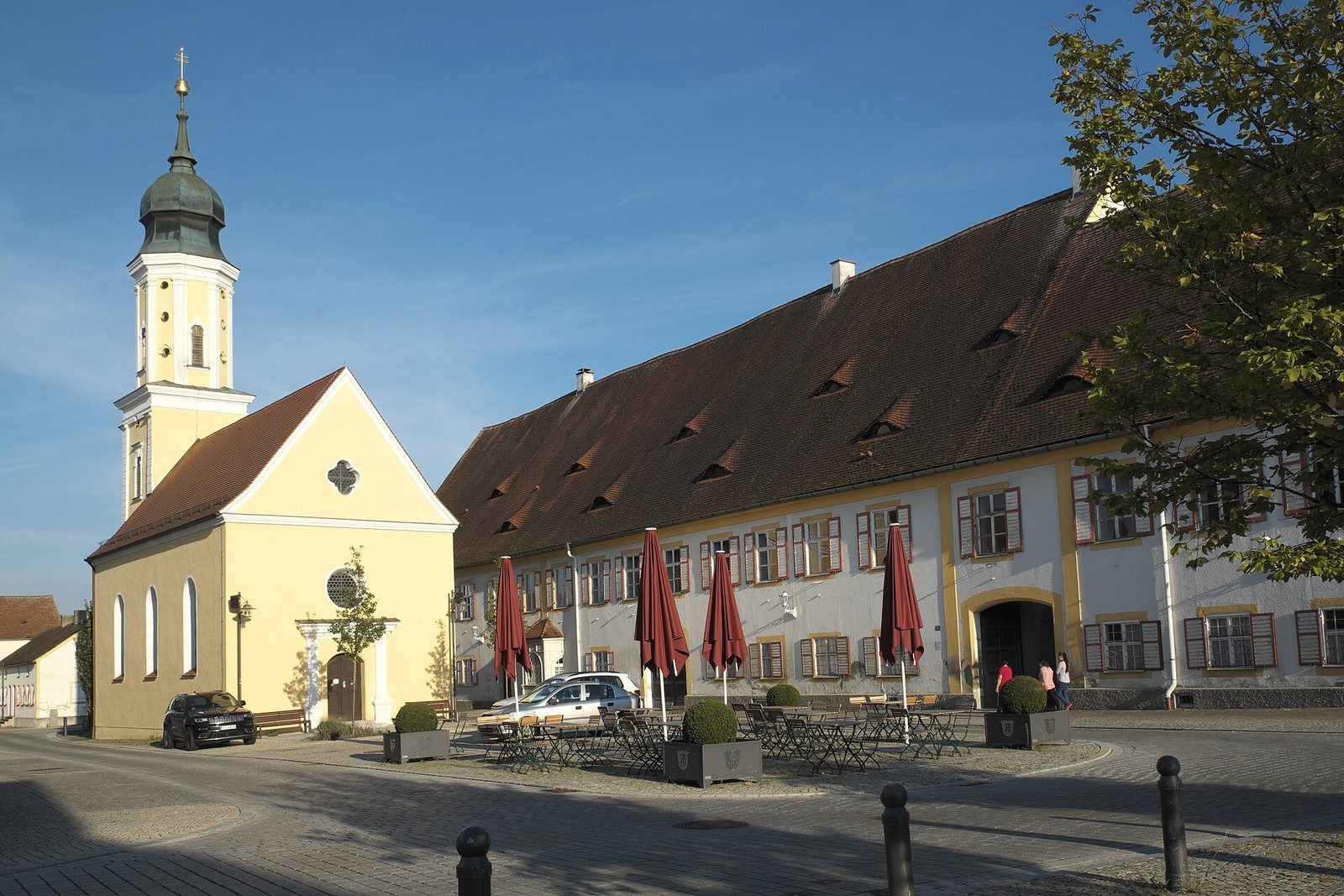
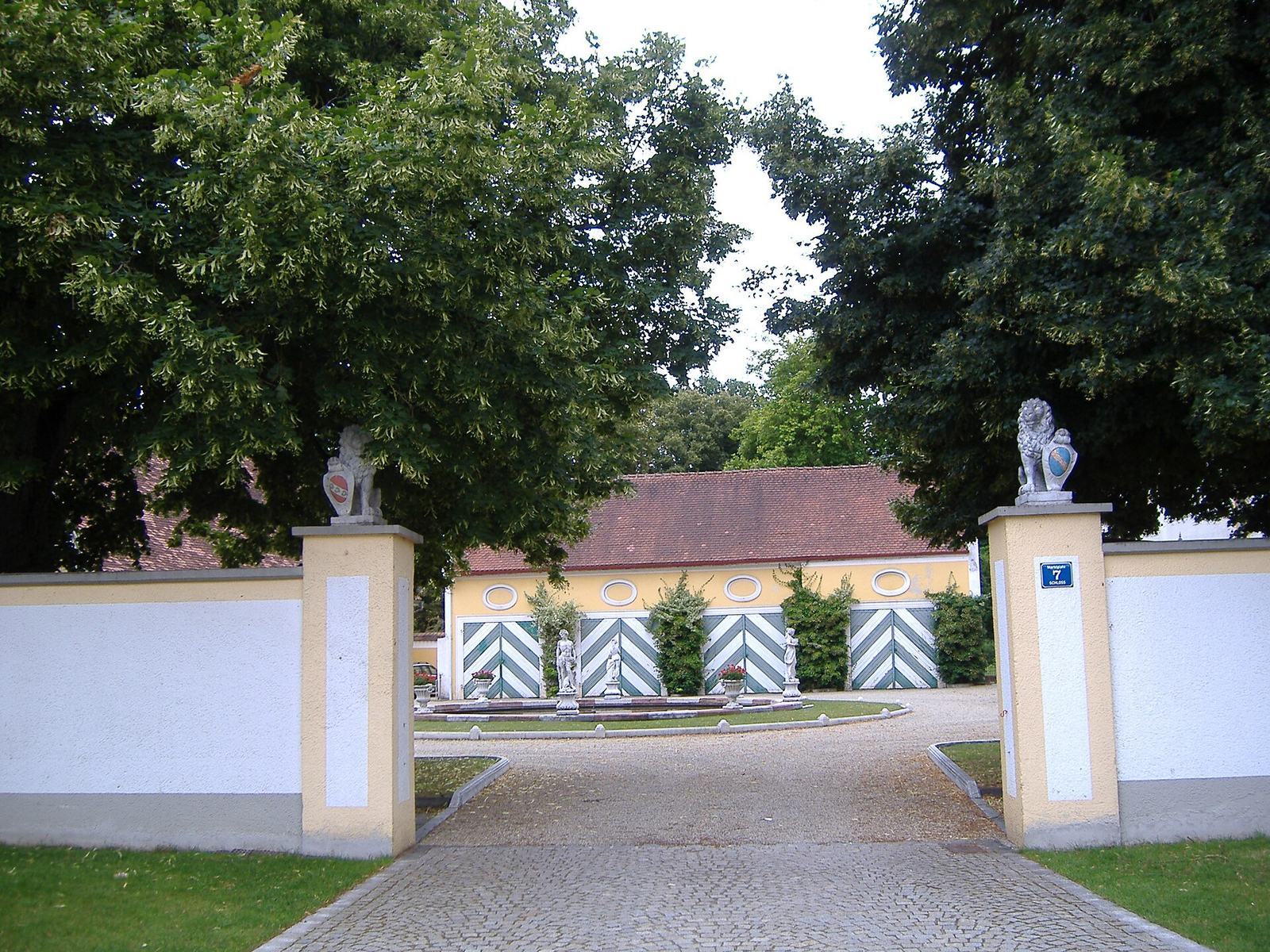
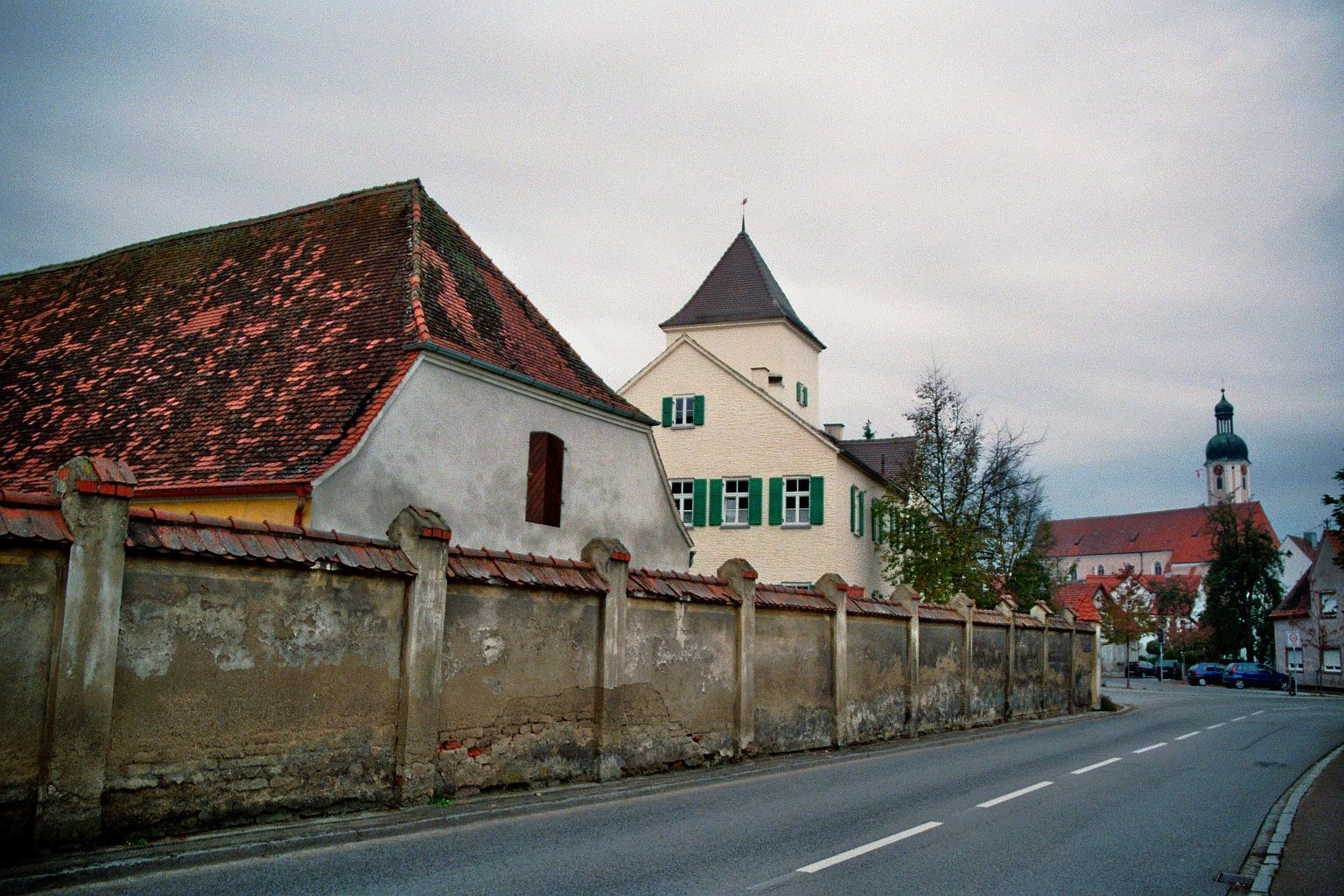
The castle is an elongated, two-storey complex of three wings arranged around a small courtyard known as the Brunnenhof, or Fountain Courtyard. The north wing is the most prominent building on Pöttmes’s market square. A wall partly surrounds the complex and requires repair.
Courtyard and chapel
The castle chapel, built in 1691, is entered through one of the carriage passages. An eighteenth-century fountain honoring the Virgin Mary stands in the courtyard, decorated with the arms of the Gumppenberg and von der Wahl families. A lion bearing the Gumppenberg arms stands in front of the courtyard.
Interior and furnishings
A corridor runs through the centre of the building, with living rooms on either side. The corridor on the first upper floor displays family portraits dating from the sixteenth to the eighteenth centuries, alongside Renaissance cabinets, chests and chairs. Some rooms retain furnishings from the eighteenth and early nineteenth centuries, while several have stucco decoration from the late seventeenth century.