Fürstenstein Castle: A Medieval Hilltop Castle in Germany
Site at a Glance
- Rating
- 3
- Popularity
- Low
- Country
- Germany
- Primary era
- Medieval
- Eras represented
- Medieval, Early Modern
- Civilizations
- Holy Roman Empire, Landgraviate of Hesse
- Site type
- Military
- Remains
- Castle
On this page5 sections
History
Fürstenstein Castle is a hilltop castle beside the Werra River near Albungen and Eschwege in Germany. The Counts of Bilstein, members of a medieval noble dynasty in Hesse, probably built it around 1264.
Bilstein and Hesse
In 1301, Otto II of Bilstein sold the Bilstein fiefs, lands held under obligations to a lord, to Henry I, Landgrave of Hesse, a high-ranking territorial ruler in the Holy Roman Empire. Otto later transferred his outright-held property to Henry as well. The castle passed to Hesse and was pledged several times afterward.
The Diede lords
The Diede family held rights in the castle from 1344 and may originally have served as retainers at Boyneburg Castle. From 1596, they were the sole lords of the castle and its surrounding lordship. They took the name Diede zum Fürstenstein. Their male line ended in 1807 with the death of the last Baron Diede zum Fürstenstein that December.
Westphalian rule and return to Hesse
After the baron’s death, Jérôme, King of Westphalia and younger brother of Napoleon Bonaparte, took possession of the castle and lordship as a fief whose holders’ line had ended. He granted them to Pierre Alexandre le Camus, a figure at his court, and made him Count of Fürstenstein. When the Napoleonic Kingdom of Westphalia ended, Fürstenstein returned to the Electorate of Hesse.
Remains
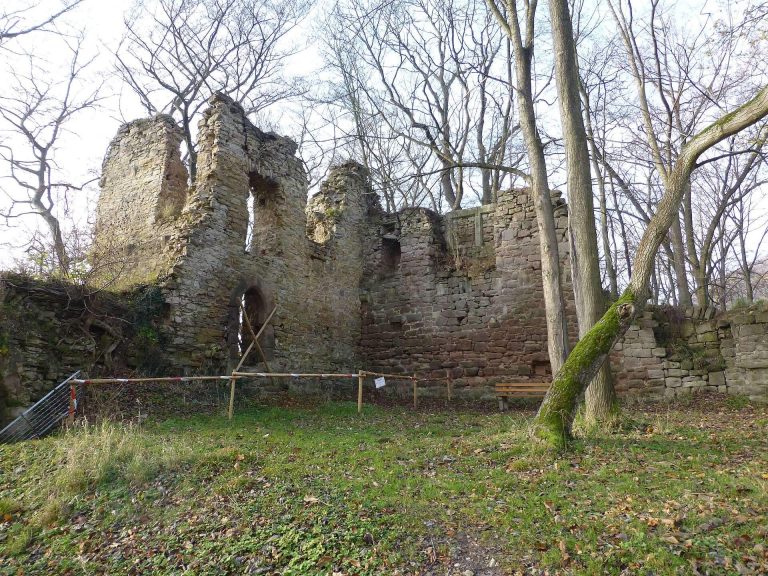
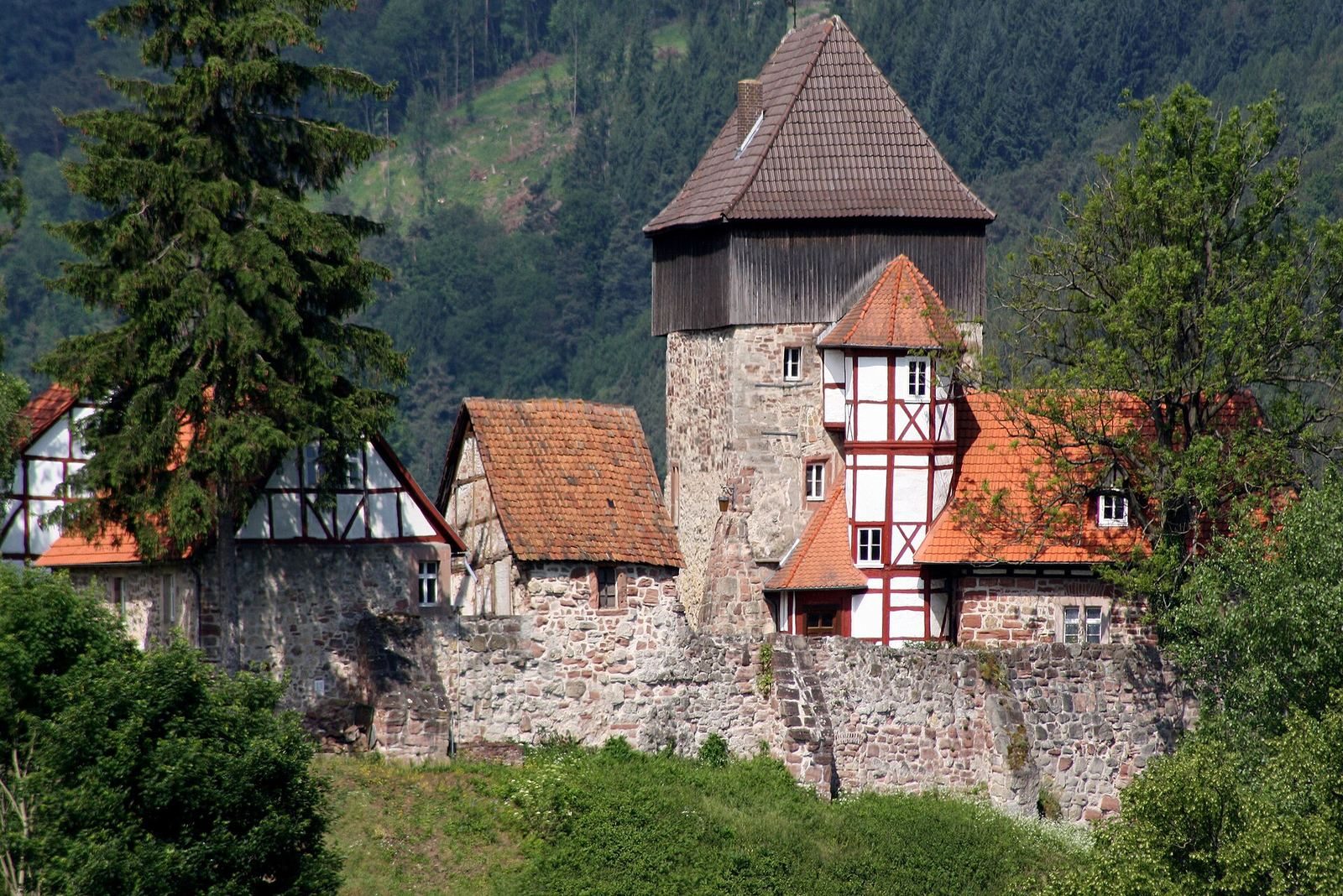
The preserved castle stands on a rise beside the Werra, near Albungen and Eschwege, at about 205 metres above sea level. Sandstone is used in its construction. The main castle comprises a rectangular residential tower in the late Gothic style, with a footprint of 8 by 13 metres. Its three lower storeys are built of sandstone, while the uppermost storey is timber-framed. A small chapel was attached to the tower around 1600. The defensive wall and gates have been partly demolished or altered.