Arbesbach Castle: A Medieval Border Outwork in Austria
Site at a Glance
- Popularity
- Medium
- Country
- Austria
- Primary era
- Medieval
- Eras represented
- Medieval, Modern
- Civilizations
- Austria-Hungary, Duchy of Austria, Habsburg, Holy Roman Empire
- Site type
- Military
- Remains
- Castle
On this page7 sections
History
Kuenring border defense
Arbesbach Castle is a ruined medieval hilltop castle in the municipality of Arbesbach, Lower Austria, Austria. The Austrian nobleman Hadmar II von Kuenring built it in the late 12th century as an outwork of Rappottenstein Castle. It formed part of the Kuenring lands’ northern defenses against territories inhabited by Slavs. The castle was associated with the ministerial nobility, legally dependent retainers who served lords in military and administrative roles and eventually became part of the nobility.
Destruction and later use
A Bohemian raiding party destroyed the castle in 1480, and it was not rebuilt. A manor house constructed in Arbesbach in 1593 took its place as a lordly residence. In 1884, the Austrian Tourist Club built an observation platform on the remains of the keep.
Remains
Site and surviving features
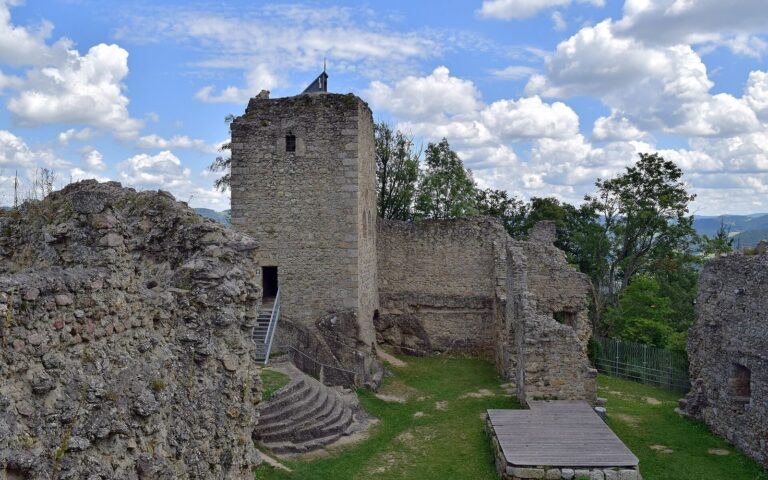
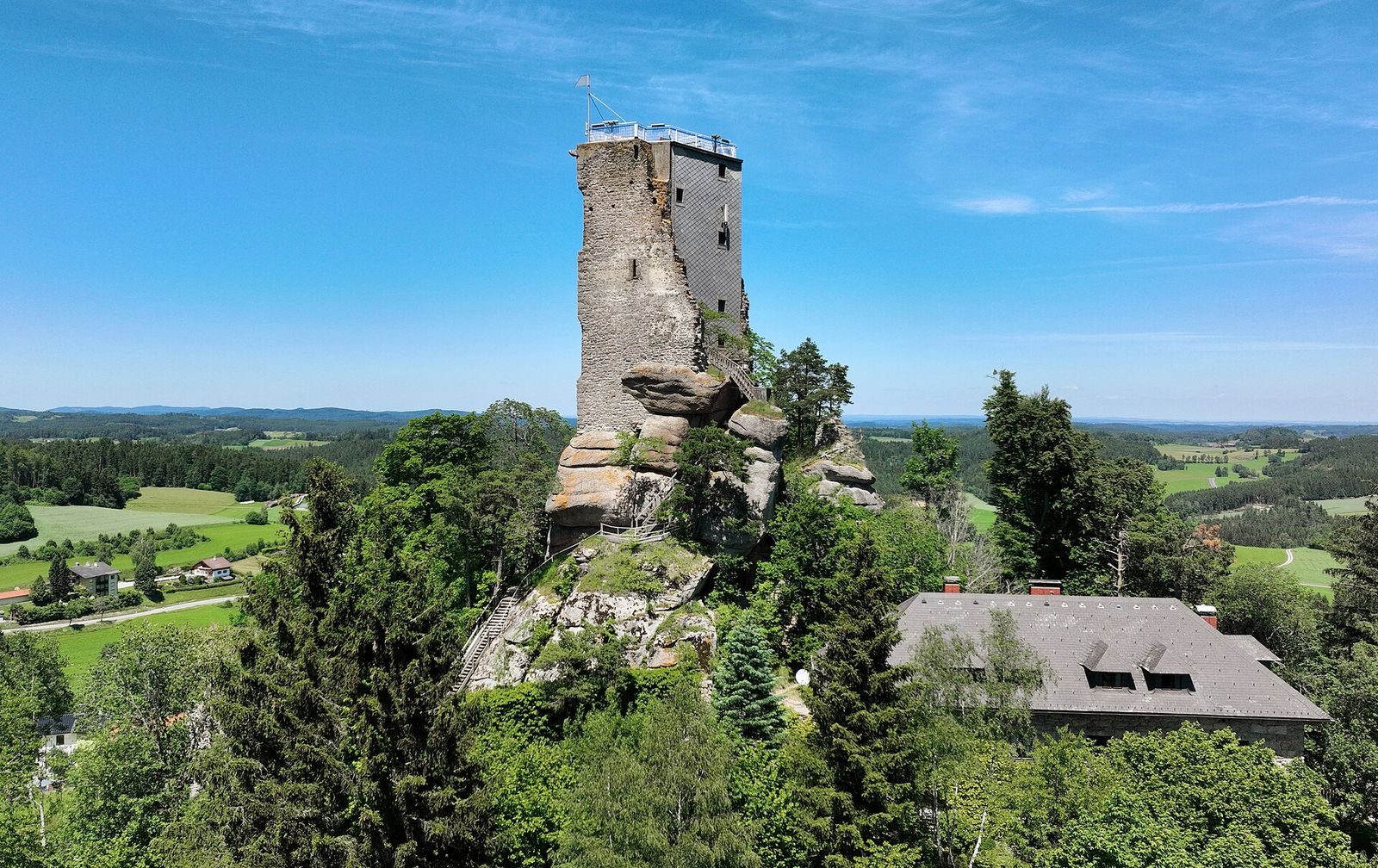
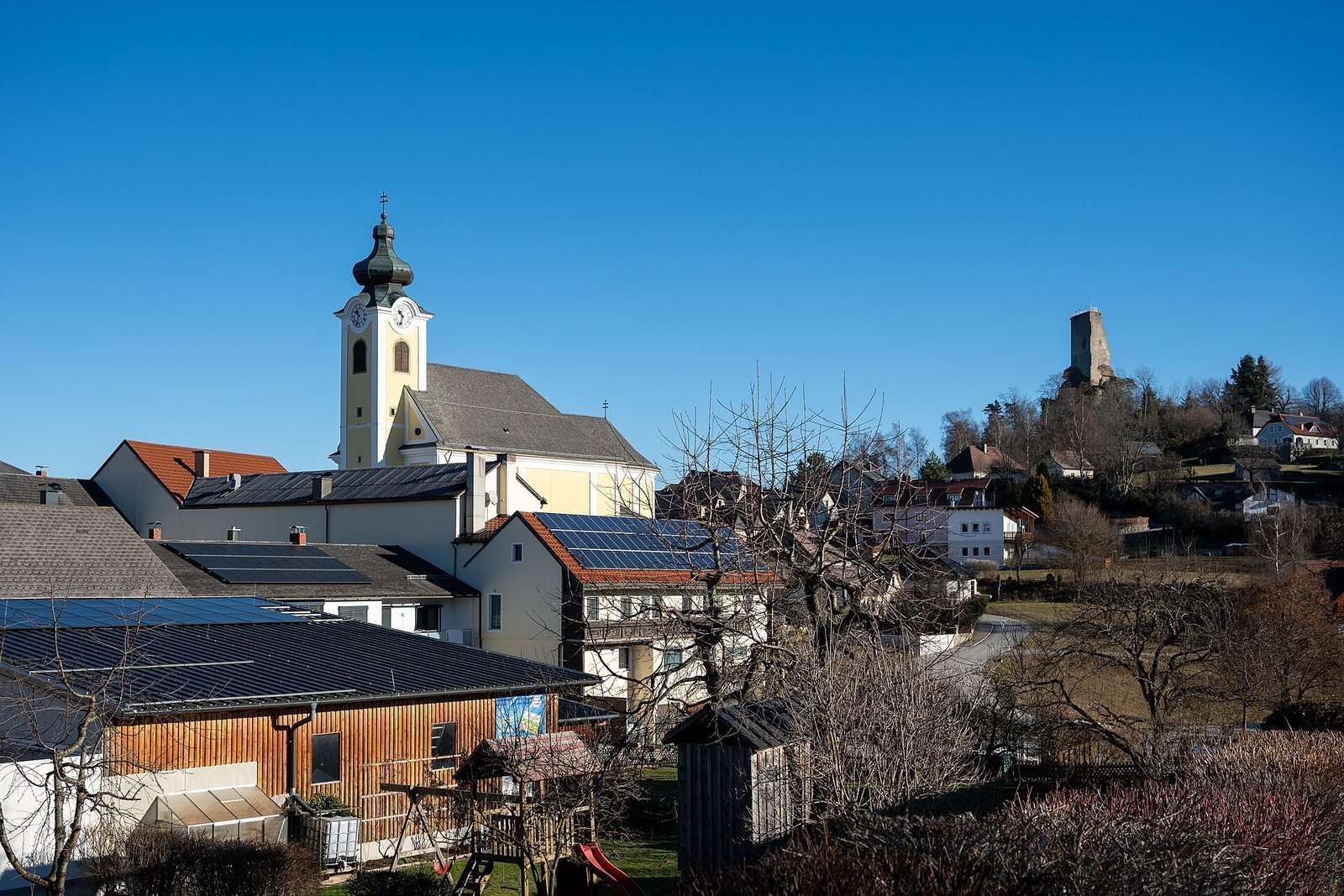
The castle ruins stand on a granite outcrop at about 900 metres above sea level, east of Purrath on the western edge of the Waldviertel Highlands. Dense coniferous forest surrounds the site, with patches of fields and meadows. Built of rubble stone, the castle was a high- to late-medieval hilltop stronghold. It is also known by the nickname “Molar of the Waldviertel.”
Keep
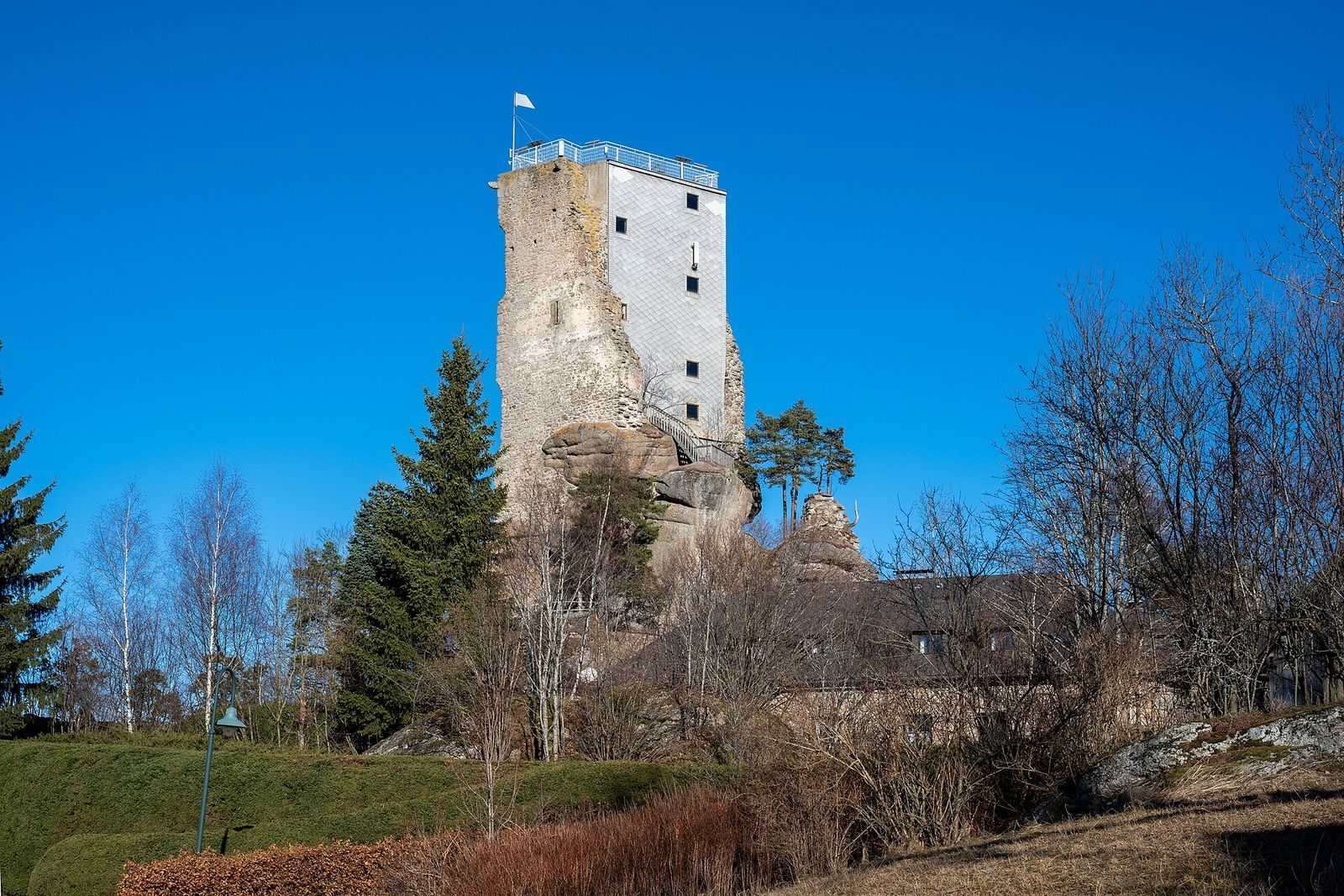
The former keep, the castle’s principal strong tower, had a pentagonal plan. Its exposed position and distinctive outline make it visible from far away in clear weather.
Alexanderwarte
The observation platform on the keep’s remains is called the Alexanderwarte. It rises 18 metres and stands at an elevation of 903 metres, with views extending from Bohemia to the Alps.