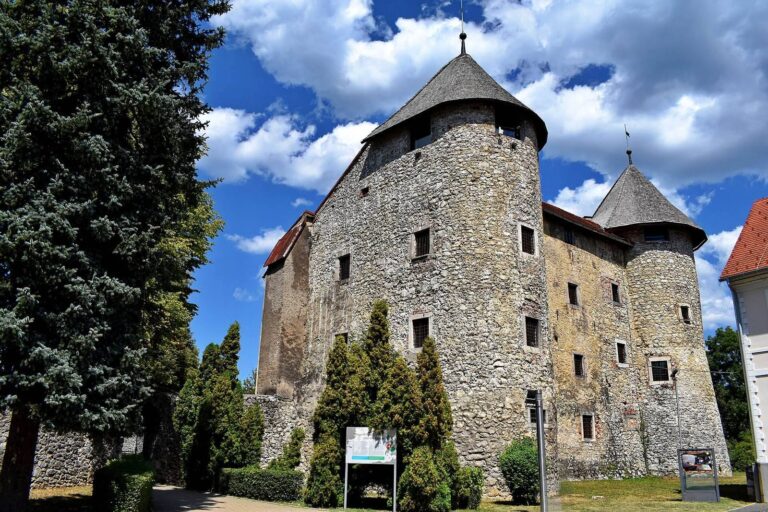
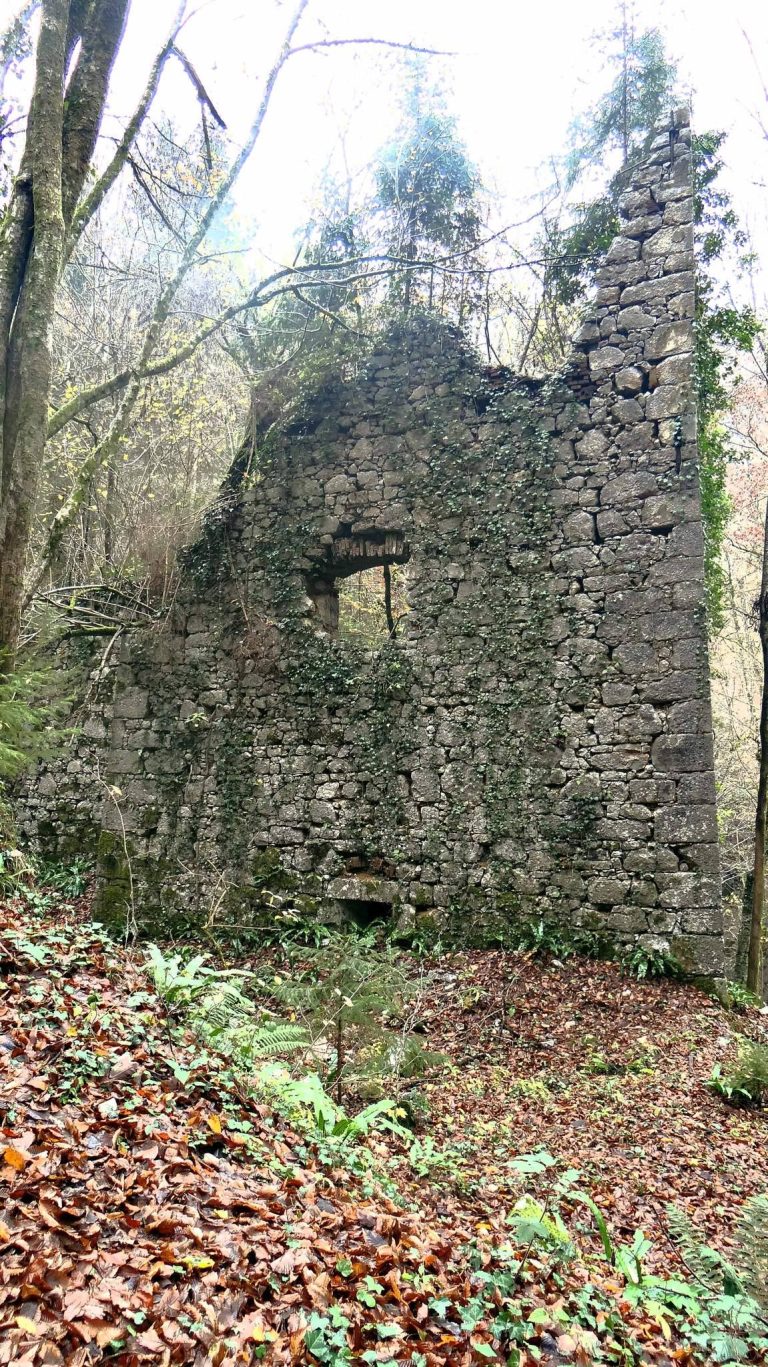
Kostel Castle: A Medieval Fortress in Slovenia
Site at a Glance
- Rating
- 4.5
- Popularity
- Medium
- Country
- Slovenia
- Primary era
- Medieval
- Eras represented
- Medieval
- Civilizations
- Holy Roman Empire
- Site type
- Military
- Remains
- Castle
On this page6 sections
History
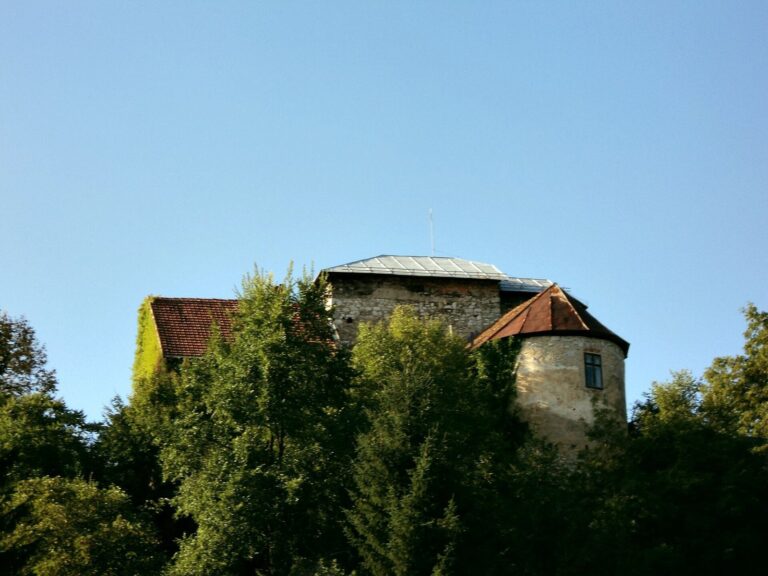
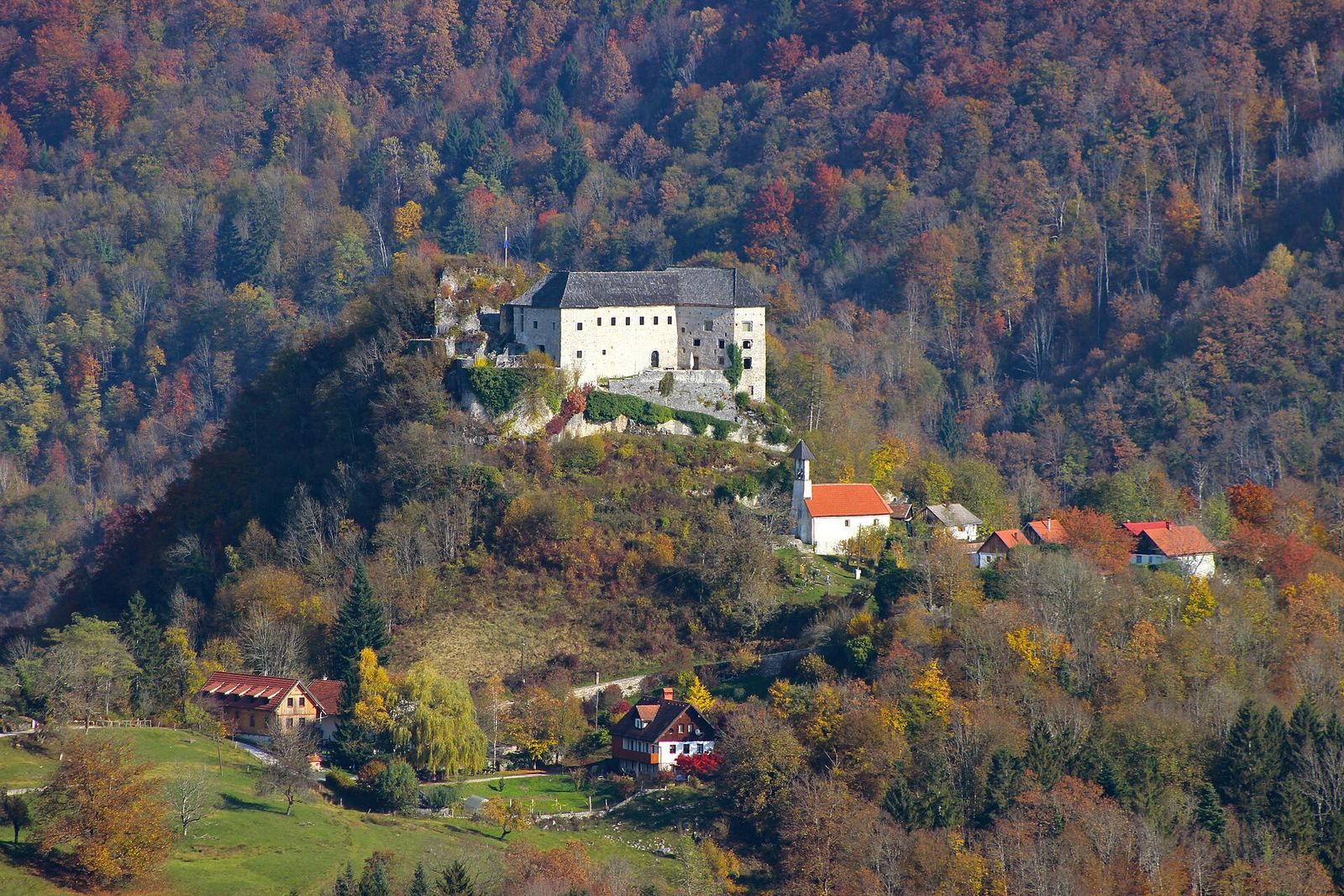
Kostel Castle is a medieval fortress above the Kolpa River in southeastern Slovenia, near the Croatian border. The Counts of Ortenburg expanded an earlier fortification into a castle between 1247 and 1325; they were vassals of the Patriarchate of Aquileia, a medieval ecclesiastical principality centered in Aquileia.
Ortenburg and Celje rule
The castle first appears in a record from 1336 as Castrum Grafenwarth. The name Costel, an earlier form of Kostel, was recorded in 1449 and derives from the Latin word castrum, meaning fortress. After the Counts of Ortenburg became extinct on 28 April 1418, the Counts of Celje, a medieval noble dynasty, inherited their holdings in the area and enlarged the castle into a major fortress. They called it Schloss Grauenwarth, while the settlement kept the name Kostel.
Count Frederick II of Celje ordered a defensive wall around the castle and settlement. The fortress protected the family’s lands in Carniola, a historic region in present-day Slovenia, and housed a local judiciary.
Habsburg rule and Ottoman attacks
After Prince Ulrich II of Celje died in 1456 and the House of Celje ended, the Habsburgs, a European ruling dynasty, took control. They later granted market rights to the settlement, which was also colloquially called Trg, meaning “market town.”
During the 15th and 16th centuries, Kostel was an important strategic stronghold against Ottoman incursions. Ottoman forces often entered Slovenia by a route near the castle. In 1578, the garrison admitted people who presented themselves as refugees fleeing the Ottomans. That night, they opened a gate to Ottoman troops, who killed or captured inhabitants of the castle, settlement, and surrounding region. After the area was depopulated, many Uskoks settled there. These Christian refugees from Ottoman-ruled lands became known as irregular fighters against Ottoman forces. Kostel Castle is recognized as a monument of national importance.
Remains
Fortified enclosure
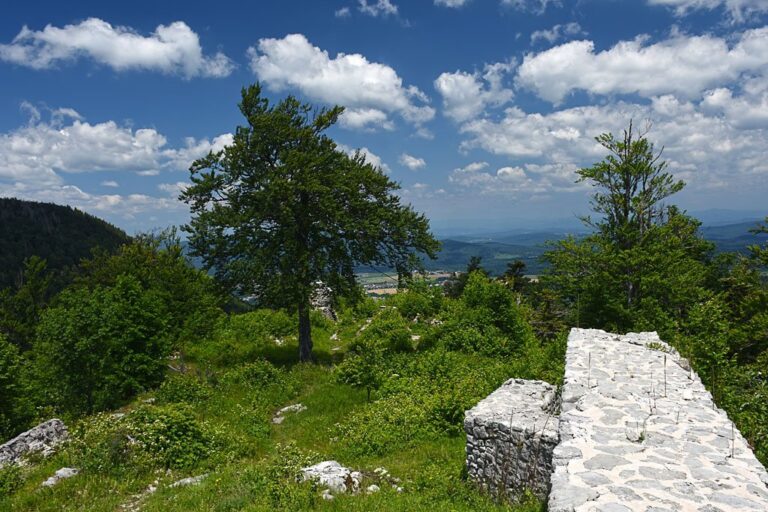
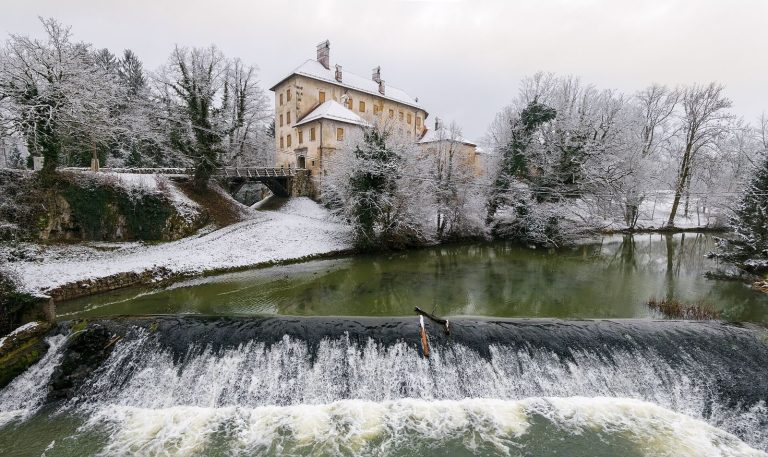
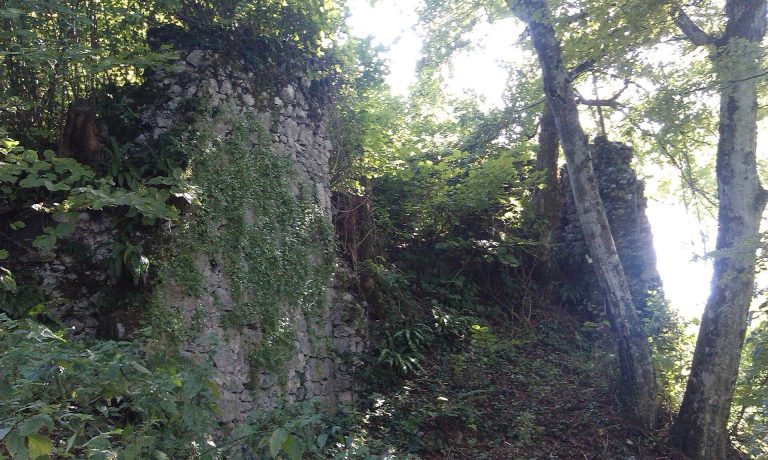
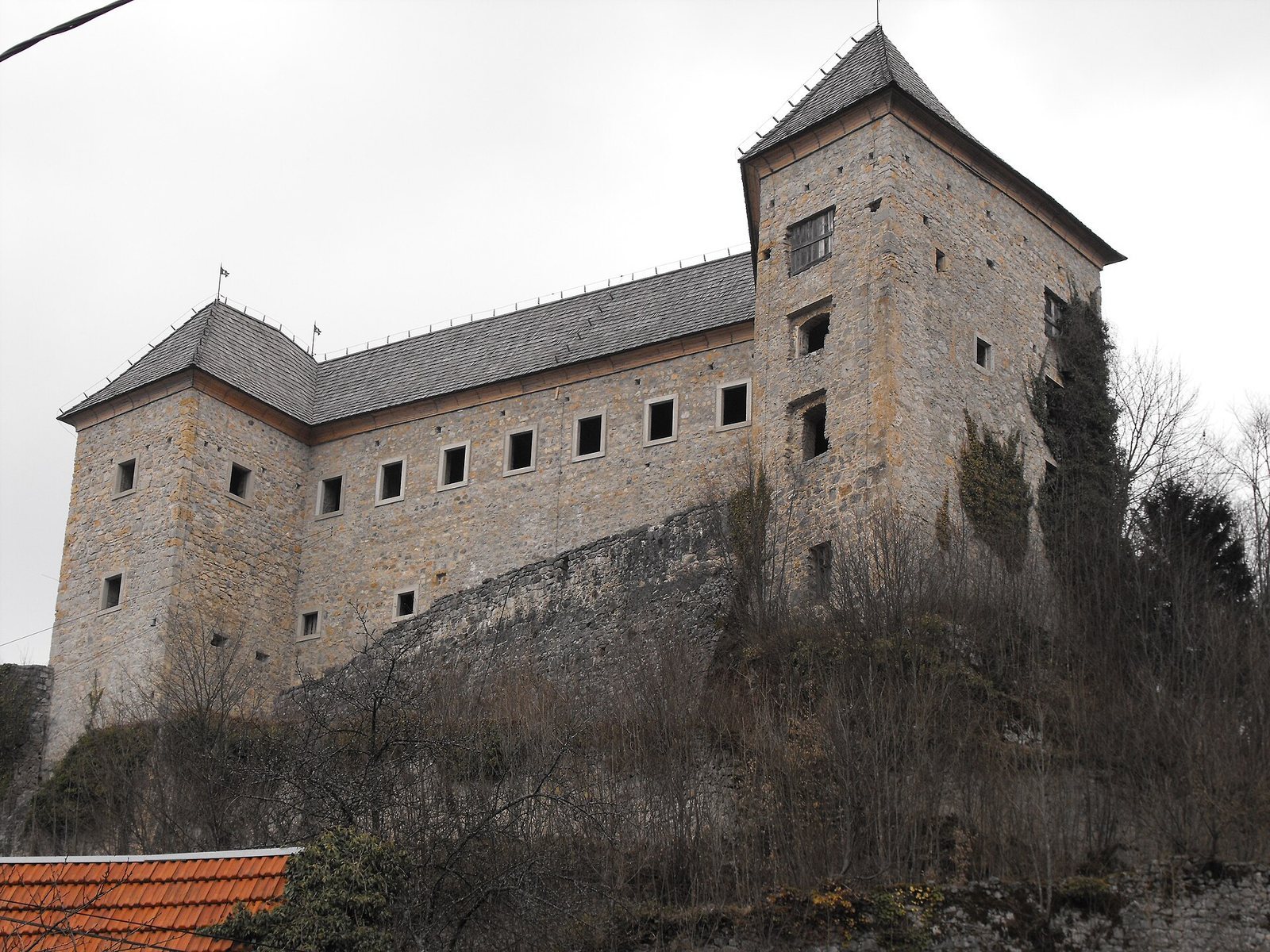
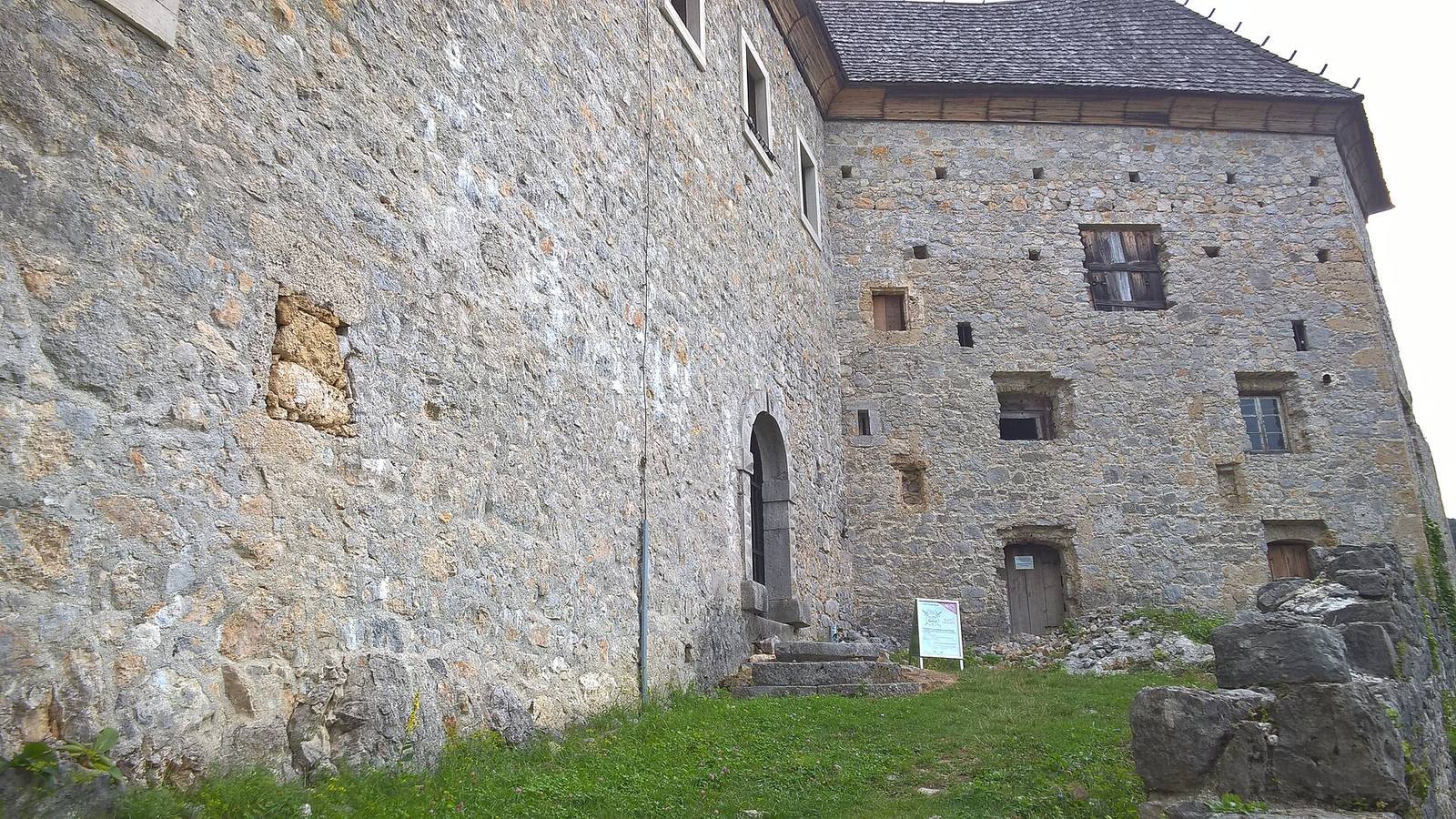
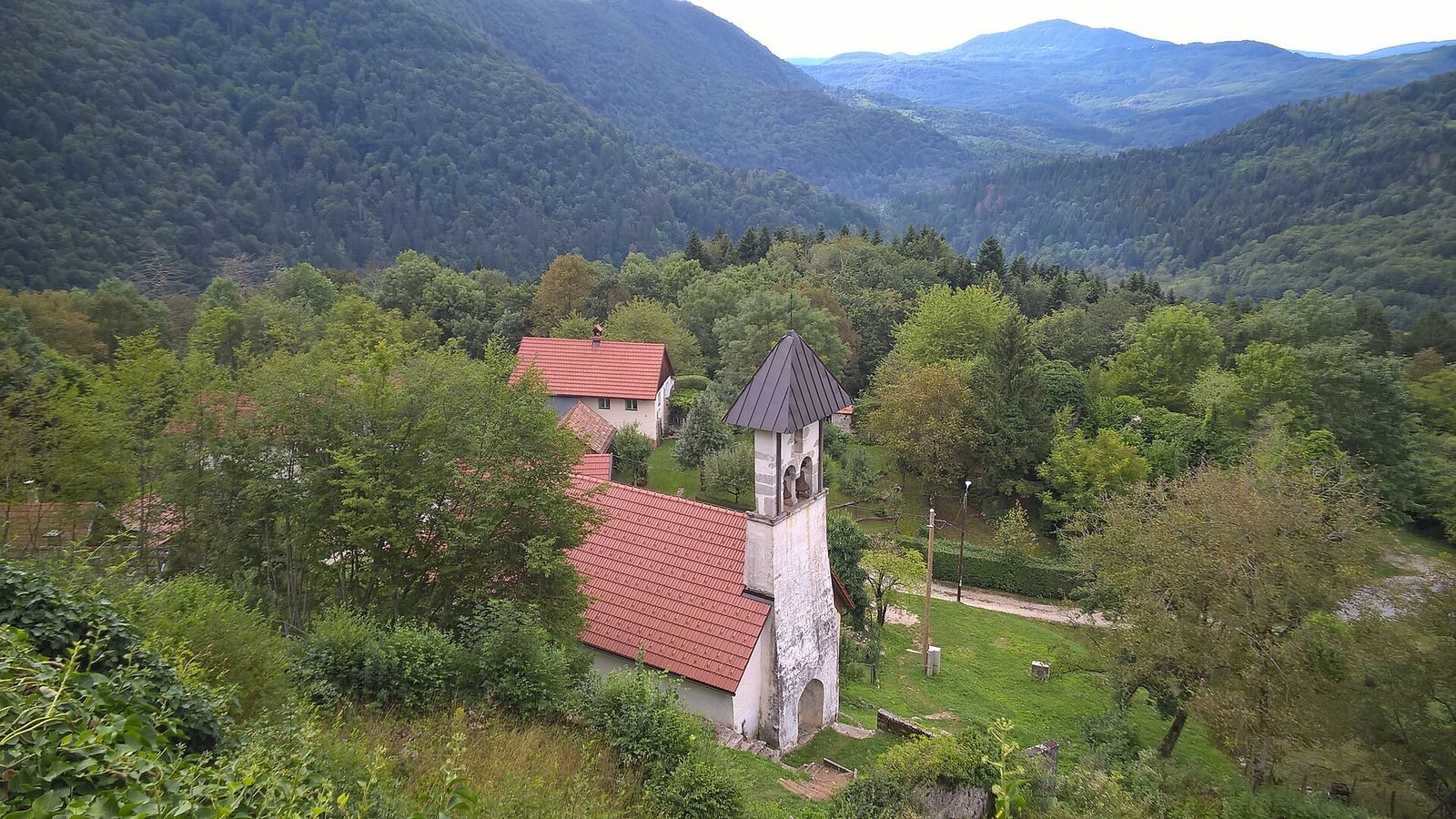
The castle occupies a steep hill above the Kolpa River, overlooking the river valley. A wall two metres thick enclosed both the castle and the settlement, with five defensive towers forming part of the fortification.
Execution site
A dedicated execution site associated with the castle was located about one kilometre away.