Kloster Heiligkreuztal: A Cistercian Women’s Monastery in Germany
Site at a Glance
- Popularity
- Medium
- Country
- Germany
- Primary era
- Early Modern
- Eras represented
- Medieval, Early Modern
- Civilizations
- Habsburg, Habsburg Austria, Holy Roman Empire
- Site type
- Religious
- Remains
- Monastery
On this page10 sections
History
Origins and foundation
Kloster Heiligkreuztal is a former Cistercian women’s monastery in Germany, founded in 1227 when its community moved from Altheim to an estate at Wasserschapfen. Its beginnings date to around 1140, when Beguines, women who lived in religious communities outside formal monastic orders, formed a group known as the Gray Sisters because of their clothing. In 1204, the women joined the community of Salem, a Cistercian abbey. The Cistercians are a monastic order within the Benedictine tradition, and Salem took spiritual oversight of the community. The women adopted Cistercian observance in 1221 and formally joined the order in 1233.
The estate took the name Heiligkreuztal around 1231. Tradition says that Count Egon von Grüningen-Landau obtained a relic at Reichenau, believed to be a fragment of the cross on which Jesus was crucified, and gave it to the monastery. Egon and his sister Hailwilgilde provided substantial support for new buildings; Hailwilgilde became the first abbess.
Privileges, growth, and jurisdiction
In 1234, the German king Henry (VII) placed the monastery under his special protection. A papal confirmation in 1251 granted Cistercian privileges, including exemption from a bishop’s authority and from secular courts. The community mainly admitted daughters of noble families. It had 125 women in 1383 and held property in 23 surrounding places by 1420.
The abbey’s lands included Andelfingen, Beuren, Binzwangen, Ertingen, Friedingen, Heiligkreuztal, Hundersingen, and Waldhausen by the late eighteenth century. It also held the farms of Landau, Thalhof, and Dollhof, as well as property and vineyards at Markdorf and Hechingen. The County of Sigmaringen retained authority over serious criminal cases and claimed a secular guardian’s protective and administrative role, prompting a prolonged dispute. The abbey secured release from Hohenzollern-Sigmaringen in 1719 but had no territorial sovereignty. It remained under Further Austria, the Habsburg territories in southwestern Germany, and was assigned to the Nellenburg administrative district in 1750.
Reform, conflict, and dissolution
Veronika von Rietheim became abbess in 1521. She sought to restore strict religious observance and continued renovations begun by her predecessor. The monastery was plundered in 1552 during the Schmalkaldic War, a conflict between Protestant German princes and the Holy Roman Emperor. Swedish forces plundered it in 1632 during the Thirty Years’ War, the major European conflict fought from 1618 to 1648, and French troops did so again in 1796.
The 1803 Final Recess of the Imperial Deputation, a reorganization of the Holy Roman Empire that secularized many church territories and transferred their lands to secular rulers, transferred the abbey to Württemberg. The monastery was dissolved by 1804. The Peace of Pressburg later transferred the Landgraviate of Nellenburg from Austria to Württemberg, bringing the territory under Württemberg authority; Württemberg became a kingdom in 1806. The nuns were initially allowed to stay, but no new members could join. The last had left by 1843.
After dissolution, the buildings briefly housed an administrative office and then a forestry office. Most of the valuable contents, library, and archive went to Stuttgart. In 1824, historian Anton Hauber examined the archive vault and published documents held there. The buildings deteriorated after the nuns’ departure. In 1972, the complex, apart from its two churches, was sold to the Aulendorf Stefanuswerk, which established a Christian meeting place. Renovation work across the monastery ran from 1973 to 2020.
Remains
Monastic complex
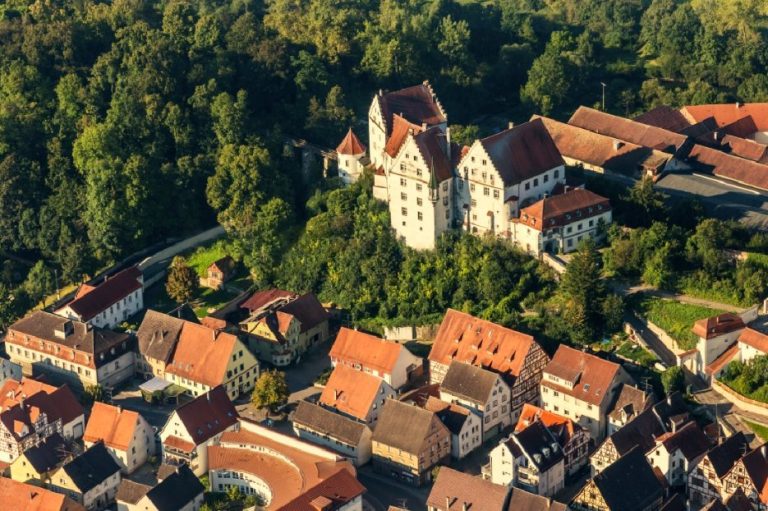
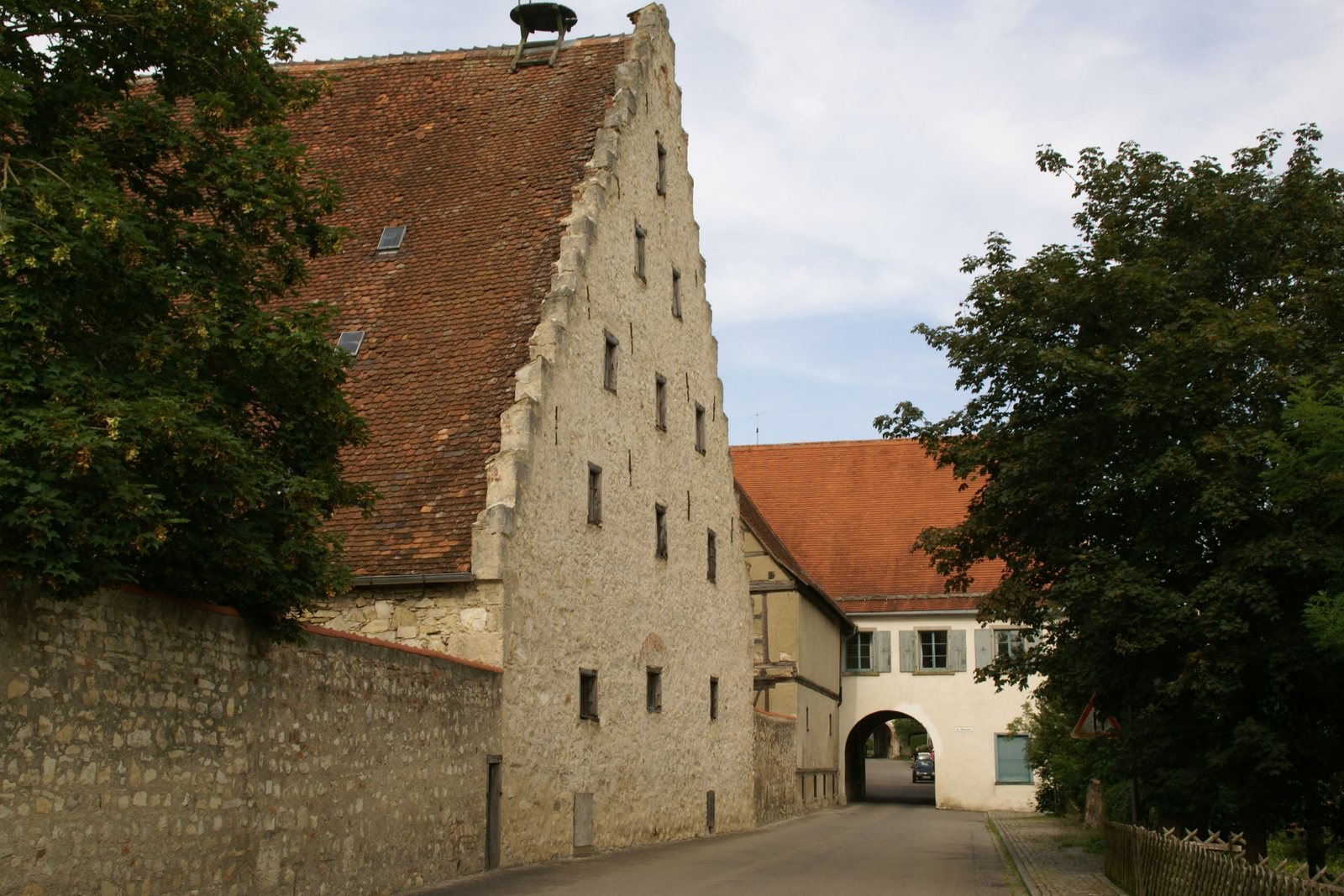
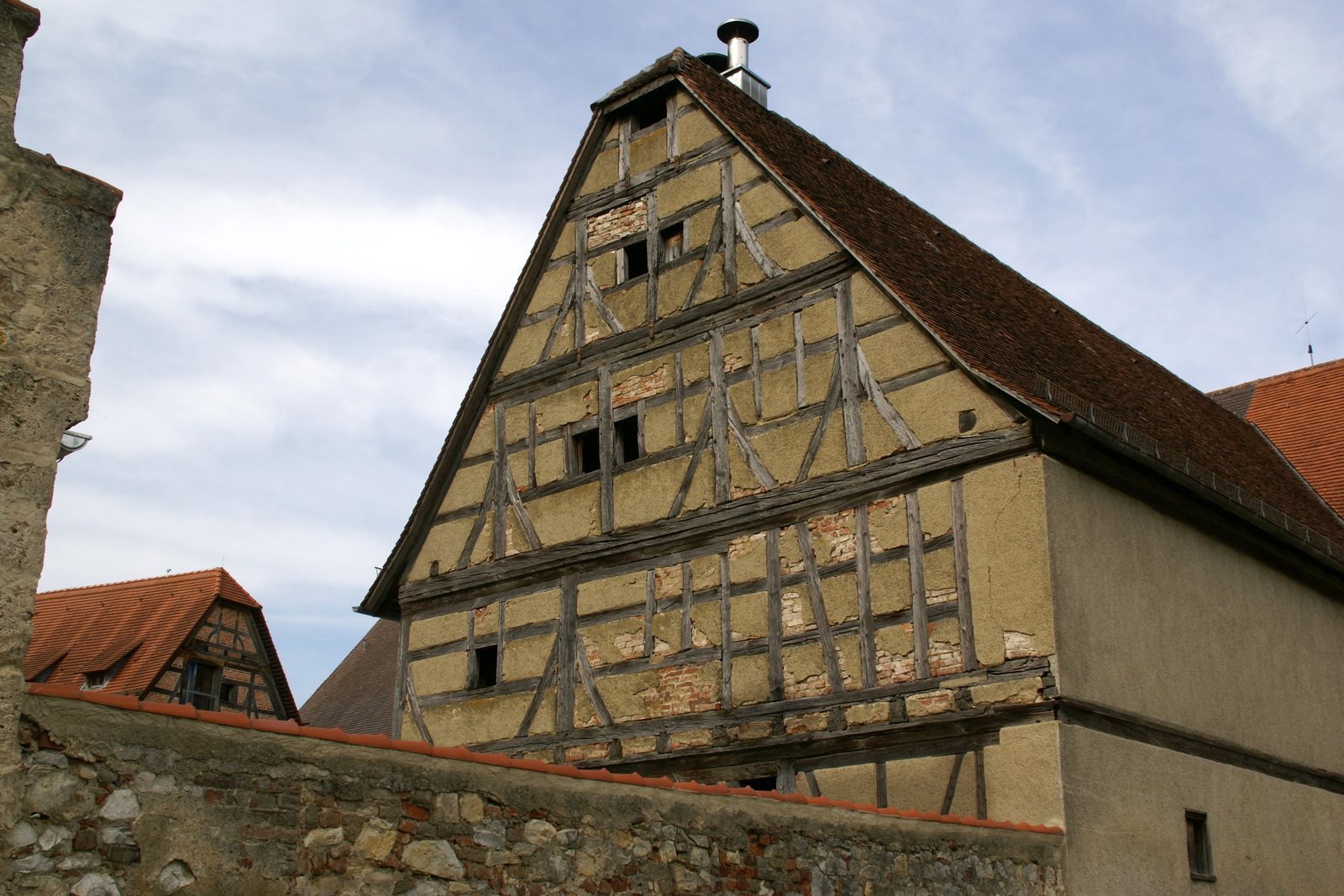
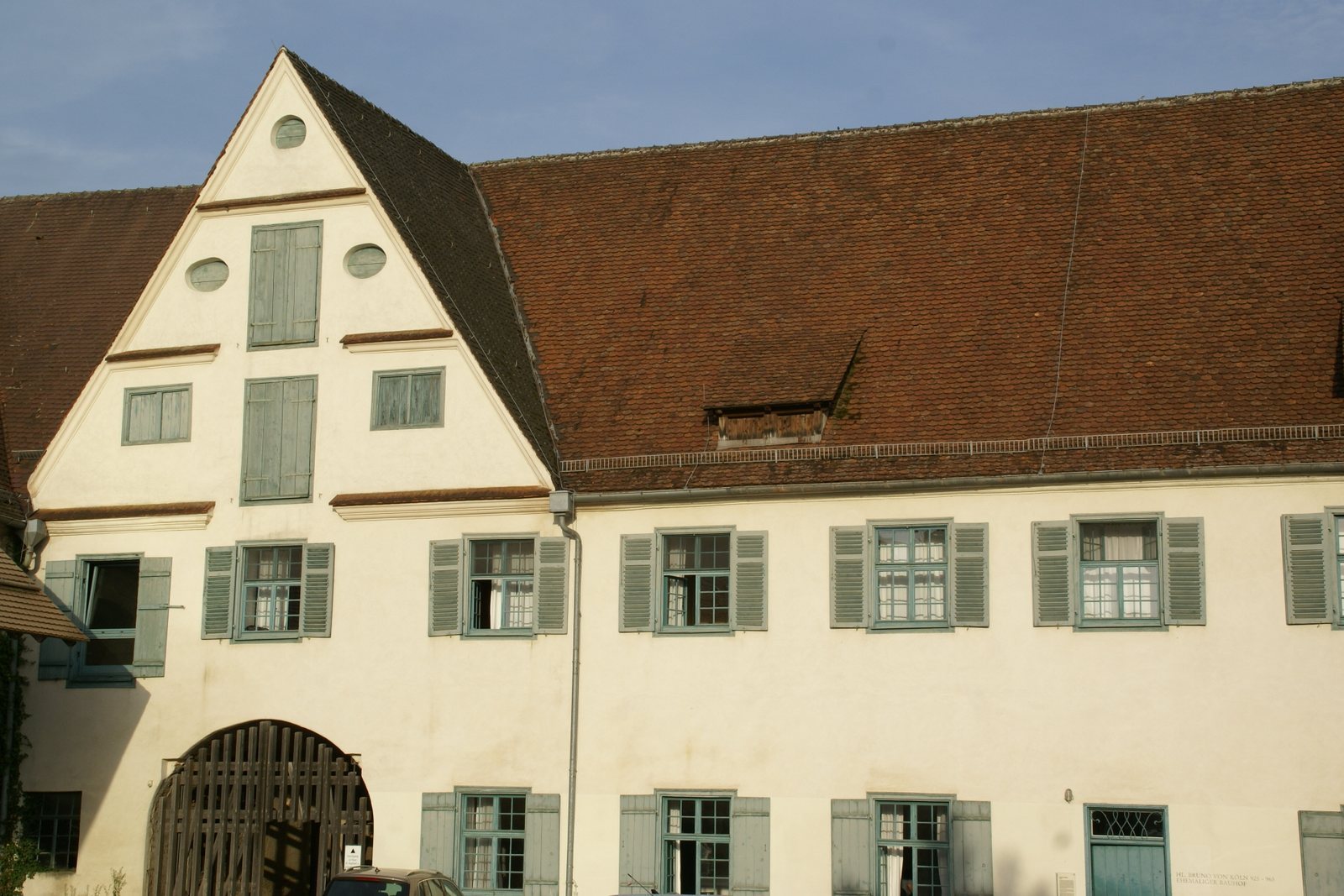
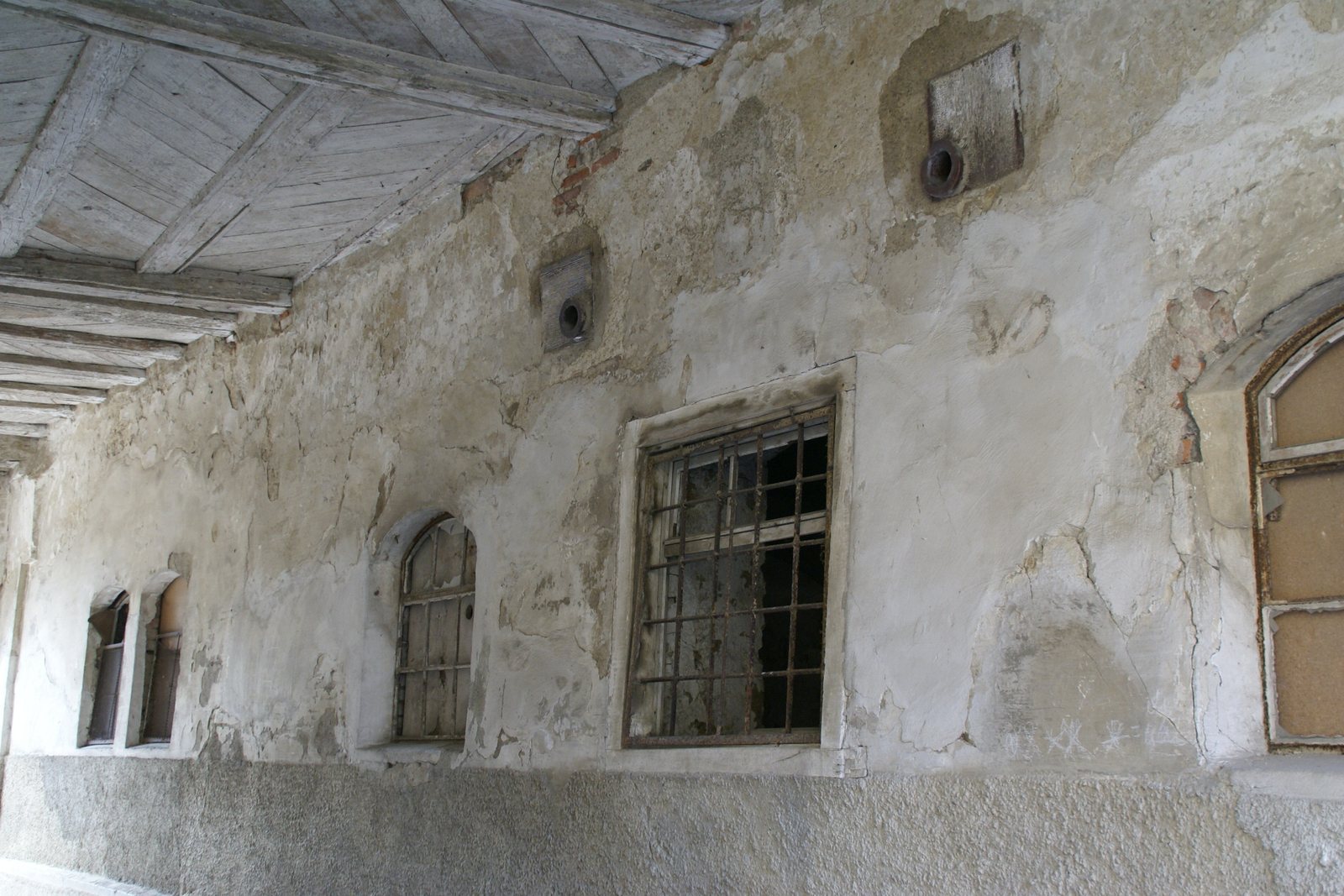
The monastery survives as an ensemble of two churches and associated religious, residential, and service buildings. Much of its present architectural form dates to the early and middle eighteenth century, during the abbacy of Maria Holzapfel (1723–1761). The buildings include the cloister and cells, a chapter house, chapel, pharmacy, abbess’s building, brewery, granary, works-yard and administrative buildings, smaller structures, and an underground access passage. Renovation work addressed these parts of the complex, along with the monastery wall.
Churches
Monastery church
The first monastery church was consecrated in 1256 and enlarged in the early fourteenth century. The Grüningen-Landau family held burial rights in its choir, where the founders’ remains are said to lie. A vaulted ceiling was added in 1532. The church was also commissioned to the Master of Meßkirch, the conventional name for an anonymous sixteenth-century painter associated with Meßkirch.
A wooden group depicting Christ with his beloved disciple John is among the church’s best-known furnishings. Made by an unknown artist in the first half of the fourteenth century, the devotional sculpture stands in the apse, the rounded end of the church, and has survived almost intact. In 1754, Joseph Anton Feuchtmayer, a sculptor and decorative-plaster artist, decorated the ceiling above the nuns’ choir, the area where they gathered for worship.
Brothers’ Church
The second church, known as the Brothers’ Church, was fitted out as a museum by the State Palaces and Gardens of Baden-Württemberg. Its displays include rare sacred art and objects expressing the faith of devout women.
Cloister and painted decoration
The cloister, a covered walkway around a courtyard, and the refectory, the community dining hall, were among the spaces fitted with ribbed vaults in a netlike pattern in 1532. The chapter house, where the nuns met for community business, was also given this ceiling treatment. The cloister’s sixteenth-century painted cycle took its present appearance during Veronika von Rietheim’s period. Plant tendrils cover the ceiling; the north wing has 25 portraits of abbesses ending with Veronika, alongside scenes of Christ’s Passion, while the east wing depicts the lives of saints. Water damaged the wall paintings in 1970, and they were examined in 2017 in preparation for professional restoration.