Dorenburg: A Baroque Water Castle and Museum in Grefrath
Site at a Glance
- Popularity
- Medium
- Country
- Germany
- Primary era
- Early Modern
- Eras represented
- Medieval, Early Modern
- Civilizations
- Habsburg, Habsburg Spain, Holy Roman Empire, Spanish
- Site type
- Domestic
- Remains
- Manor House
On this page5 sections
History
Dorenburg is a preserved water castle in Grefrath, North Rhine-Westphalia, Germany, with a history traceable to 1326. It is regarded as a characteristic Lower Rhine aristocratic residence from before the Thirty Years’ War, the major European conflict fought from 1618 to 1648.
Medieval estate and aristocratic residence
In the 14th century, the Lords of Wachtendonk held authority at Dorenburg. The estate was a fief of the Duchy of Guelders, a historical duchy in the Low Countries and neighboring regions, and passed between owners frequently. Around 1800, it came into the hands of farmers who were not members of the nobility.
Baroque transformation and museum use
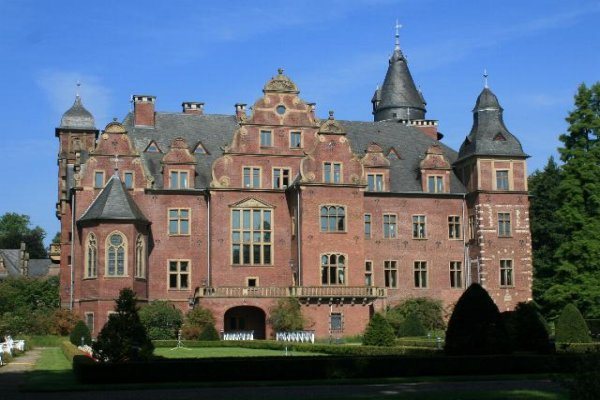
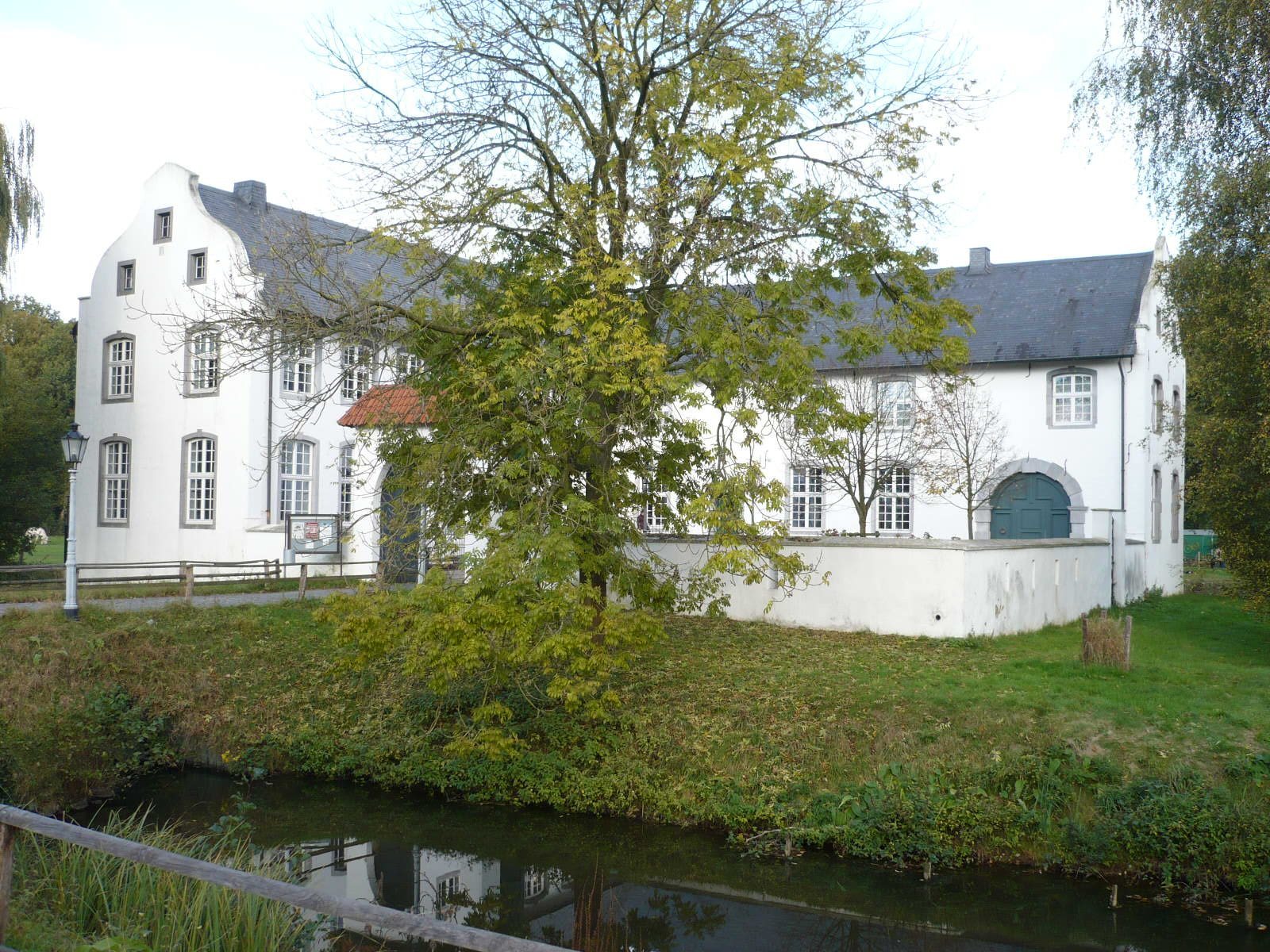
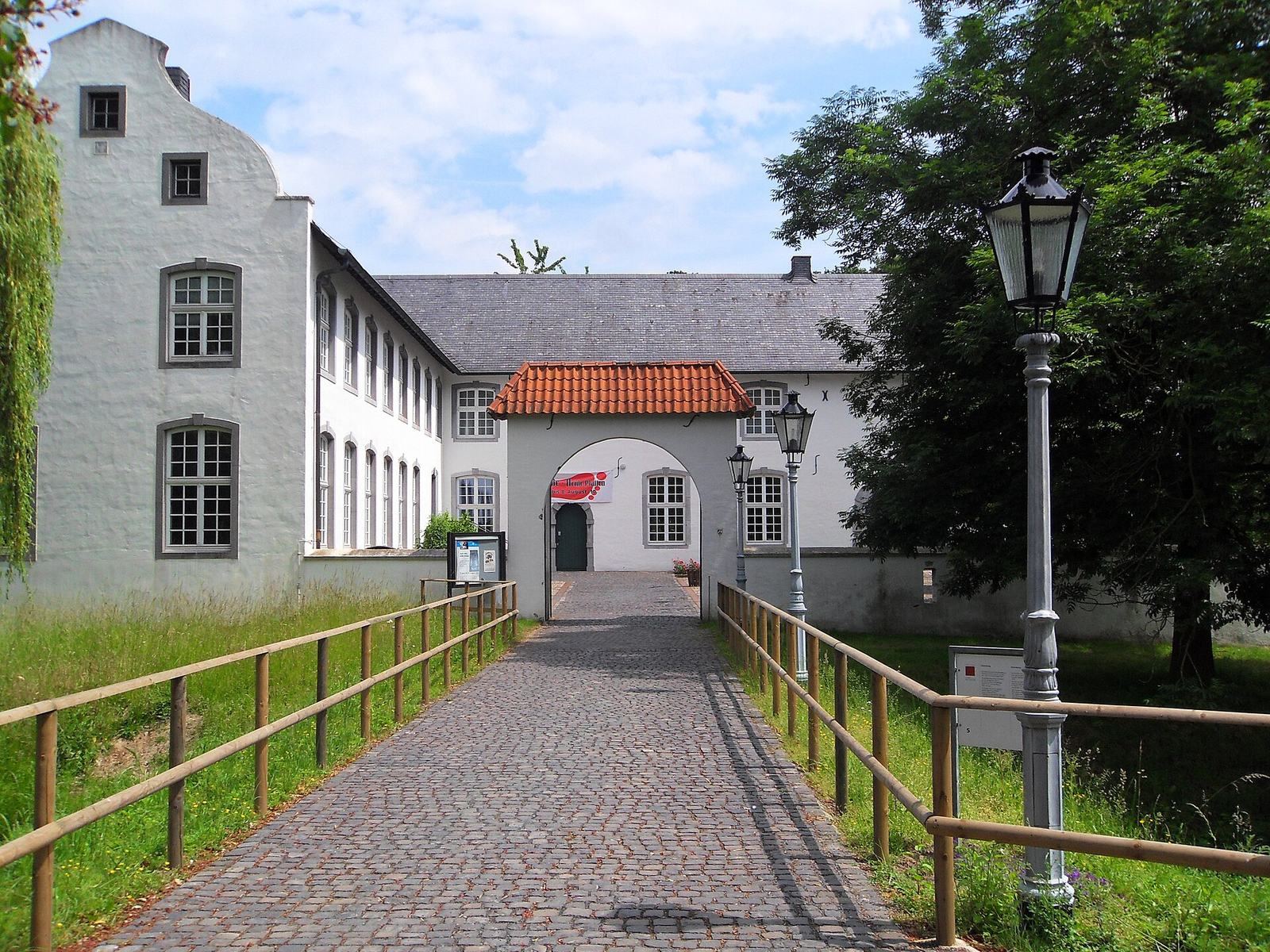
Around 1630, the medieval fortified castle was converted into a Baroque manor. Baroque was a European architectural and artistic style that developed from the late 16th century and often featured elaborate forms and ornament. The conversion gave Dorenburg its present overall form.
The north wing suffered severe damage during the Second World War. Around 1970, the Viersen district acquired the complex, rebuilt the wing, and adapted the estate as a museum. Dorenburg now stands at the center of the Lower Rhine Open-Air Museum, which presents historical buildings and collections in an outdoor setting.
Remains
Moated manor house
The manor house has an L-shaped plan and is surrounded by a moat. The castle building displays objects relating to bourgeois and aristocratic domestic culture in the Lower Rhine. Its upper floor hosts temporary exhibitions on folklore, with a regional focus.