Bolenstein: A Medieval Water Castle in Maarssen
Site at a Glance
- Rating
- 5
- Popularity
- Very Low
- Country
- Netherlands
- Primary era
- Medieval
- Eras represented
- Medieval, Early Modern, Modern
- Civilizations
- Dutch, Holy Roman Empire
- Site type
- Military
- Remains
- Castle
On this page7 sections
History
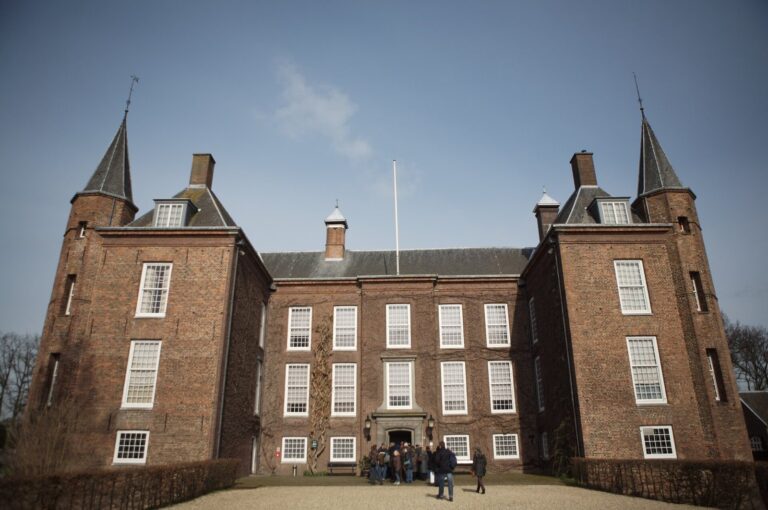
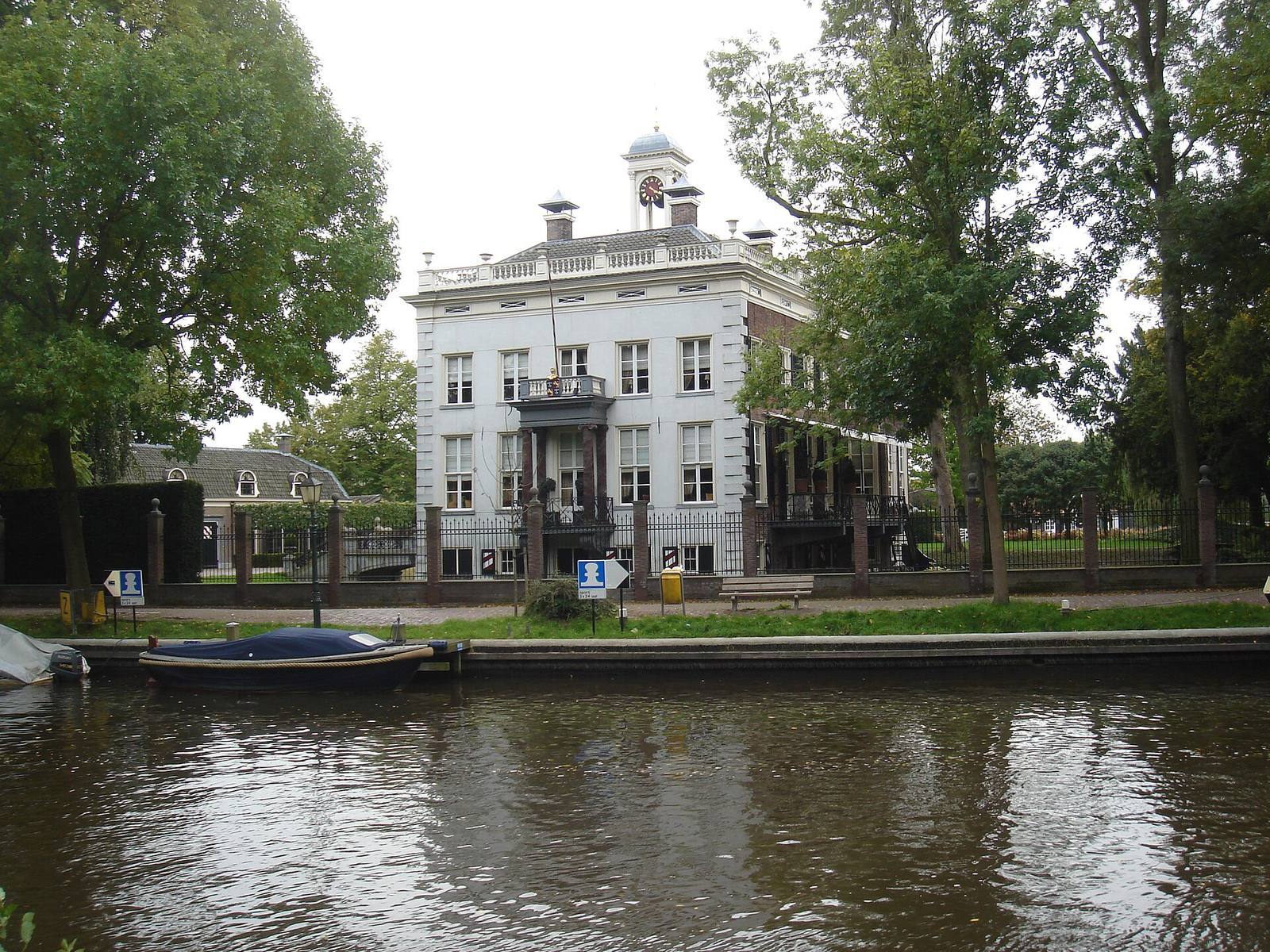
Bolenstein is a brick water castle in Maarssen, Netherlands, probably built in the fourteenth century by Derck van Bole. First mentioned in 1340, it was a ridderhofstad, a fortified manor whose recognized status could qualify its owner for membership in Utrecht’s provincial knighthood. The name may derive from the Van Bole family.
Medieval ownership
In 1404, the owner Dirck van Bole made Bolenstein a fief of the Bishop of Utrecht. The bishop led the diocese and also exercised secular authority over territory, so the arrangement involved a feudal relationship as well as an ecclesiastical one. In 1438, the estate was sold to the knight Otto Snaef. It later passed to the Van Nijenrode family, followed by the Snellenburg, Van Zuylen van Nijvelt, Godin, de Malapert and Van Heeckeren families.
Later owners and municipal use
Nineteenth-century owners included Johannes Fåhraeus, Walland, Abels Visser, Wolff, Strick van Linschoten and Van der Vijsel. In the early twentieth century, the property belonged to J.M. de Muinck Keizer. The municipality of Maarssen bought it in 1942 and used it to house the State Police and a distribution office, where rationed goods were issued.
In 1960, the municipality sold Bolenstein to architect B.O. van den Berg, and restoration began that year. The castle is protected as a Dutch national monument.
Remains
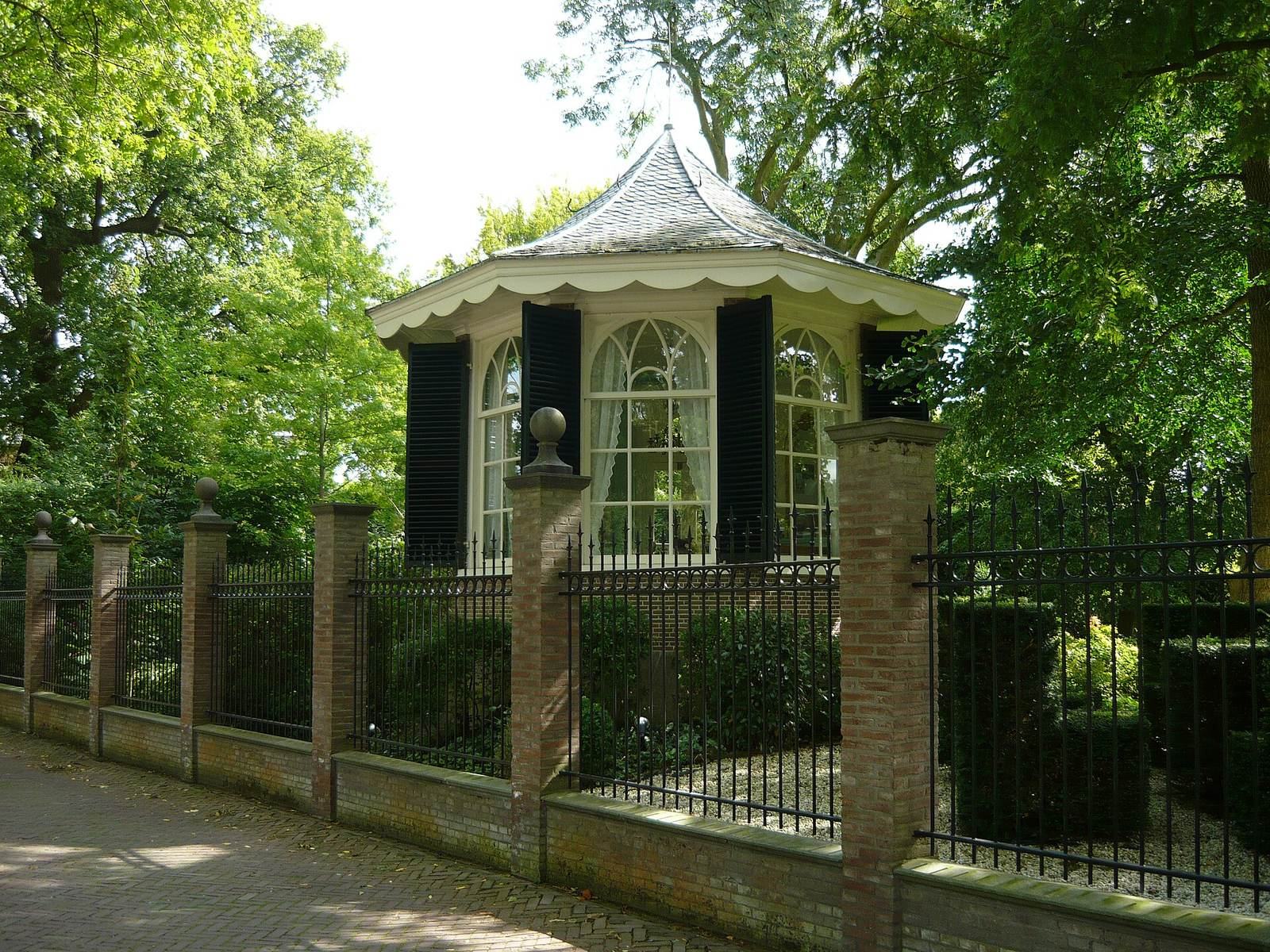
Bolenstein stands on the west bank of the Vecht. Its brick construction and surviving architectural history are associated with the main house and with tea pavilions that were moved to or from the estate.
Buildings
Main house
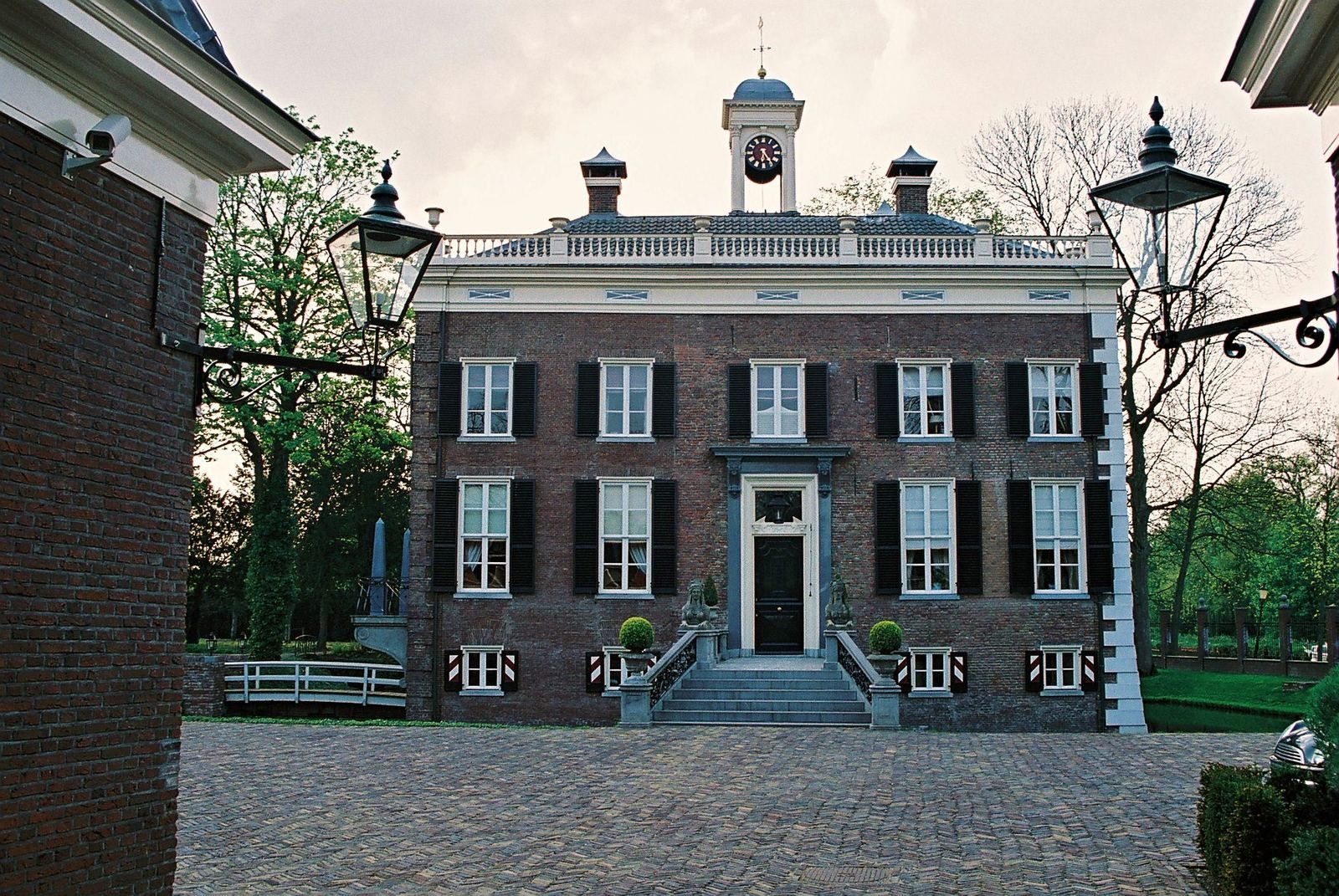
In the seventeenth century, the house had a double-roof arrangement on either side, paired stepped gables, and four chimneys topped with pyramid-shaped caps and weather vanes. In 1825, this roof arrangement was replaced by a square roof with a small tower and bell. A bridge-terrace, a terrace structure incorporating a bridge, was also built. The walls were plastered, with bands in a block pattern at the corners.
A bay window was added in 1917. Restoration from 1960 included removing the plaster, exposing the brickwork.
Tea pavilions
The tea pavilion associated with Bolenstein before 1825 was separate from the pavilion later brought to the estate. In 1903, when Wilhelminaweg was laid out, the earlier pavilion was moved to Molendijk near Beek en Hof in Loenen aan de Vecht. In 1968, B.O. van den Berg brought a different tea pavilion to Bolenstein from Doornburgh, the country estate opposite.