Valcroissant Abbey: A Cistercian Monastery near Die, France
Site at a Glance
- Popularity
- Medium
- Country
- France
- Primary era
- Medieval
- Eras represented
- Medieval
- Civilizations
- Unclassified
- Site type
- Religious
- Remains
- Monastery
On this page9 sections
History
Valcroissant Abbey is a former Cistercian monastery near Die, France, founded in 1188 by monks from Bonnevaux Abbey. Before the abbey was established, the Valcroissant torrent supplied water to an aqueduct serving the Roman city of Dea Augusta, now Die.
Cistercian foundation and monastic life
Valcroissant was the eighth and final daughter house founded by Bonnevaux. It belonged to the Cistercian order, a monastic network whose daughter houses traced their institutional descent to the abbey of Cîteaux. The monastery was associated with the former Diocese of Die, an ecclesiastical district under a bishop.
The abbey remained modest in size, with about a dozen monks, and founded no daughter houses of its own. In 1400 it was united with Bonlieu-sur-Roubion Abbey. By 1551, its community had fallen to five monks. It also held the Pauliane estate in the commune of Luc-en-Diois. From the mid-fifteenth century, the abbey was subject to a commendatory abbot, who could hold its office or revenues without living in the monastery.
Expulsion and agricultural use
During France’s Wars of Religion, a series of conflicts between Catholics and Protestants, Protestants expelled the monks in 1568 and the abbey was ruined. The monks did not return. The buildings were put to agricultural use, including as a sheepfold and barn, and their upkeep for these purposes helped preserve them. The abbey was suppressed in 1791 and sold after the Revolution.
Rediscovery and restoration
In 1892, Jules Dautheville, a Reformed pastor in Die, and his wife Pauline discovered the abbey. They bought it in 1893 and moved there in 1896, intending to establish a Protestant orphanage. The project ended when Dautheville died at the age of 46.
Marcel Légaut and his wife purchased the abbey in the 1950s and began restoring it while continuing agricultural work, including livestock raising. The abbey was classified as a historic monument in 1971. Restoration continued in the twenty-first century under their son Rémy Légaut and his wife Martine, with the Friends of Valcroissant association, founded by André Pitte and Serge Durand. The site remains in agricultural use, including sheep raising.
Remains
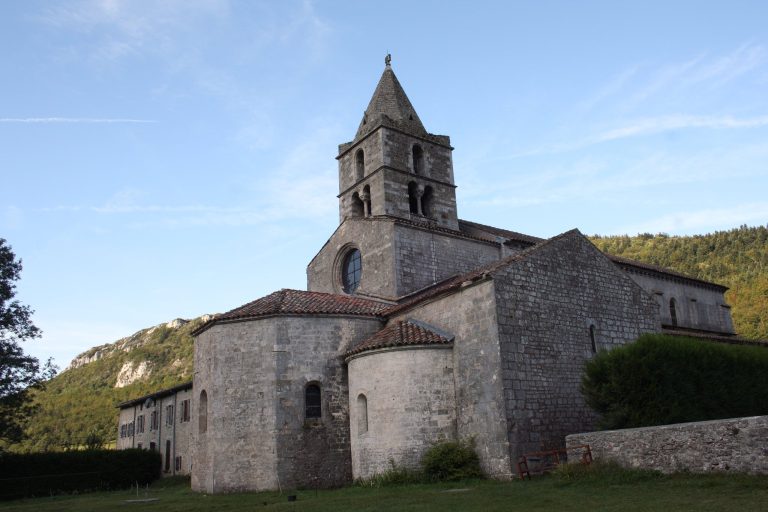
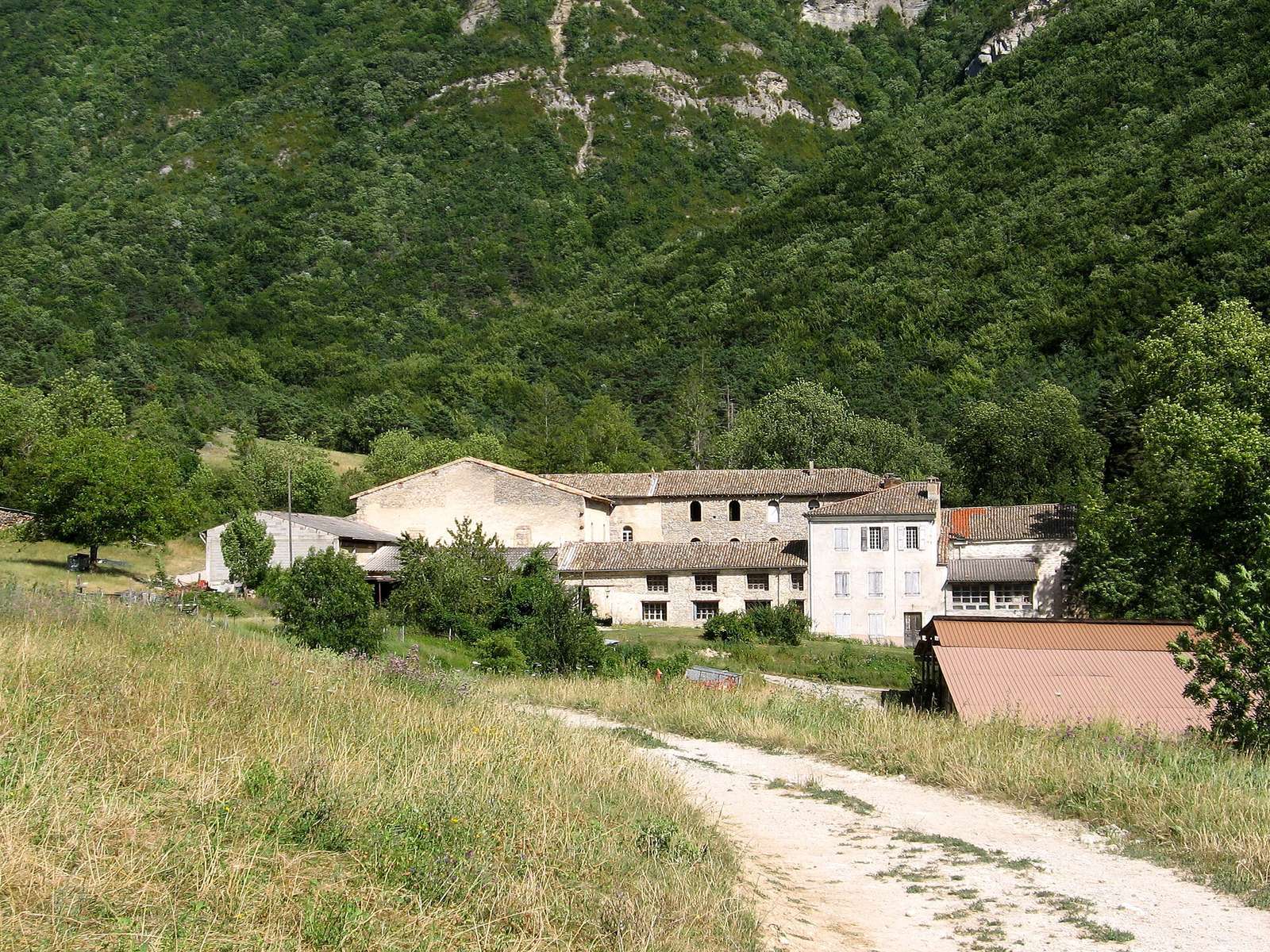
The abbey lies in a valley basin overlooked by the Glandasse mountains, about 5 km east of Die. Its buildings followed a customary Cistercian arrangement, with a cloister, a covered walkway around an open court, at the center and the church and monastic buildings around it. The monastic buildings occupy the southern part of the complex and are larger than the church. The cloister is lost, while the other buildings are largely preserved.
Abbey church
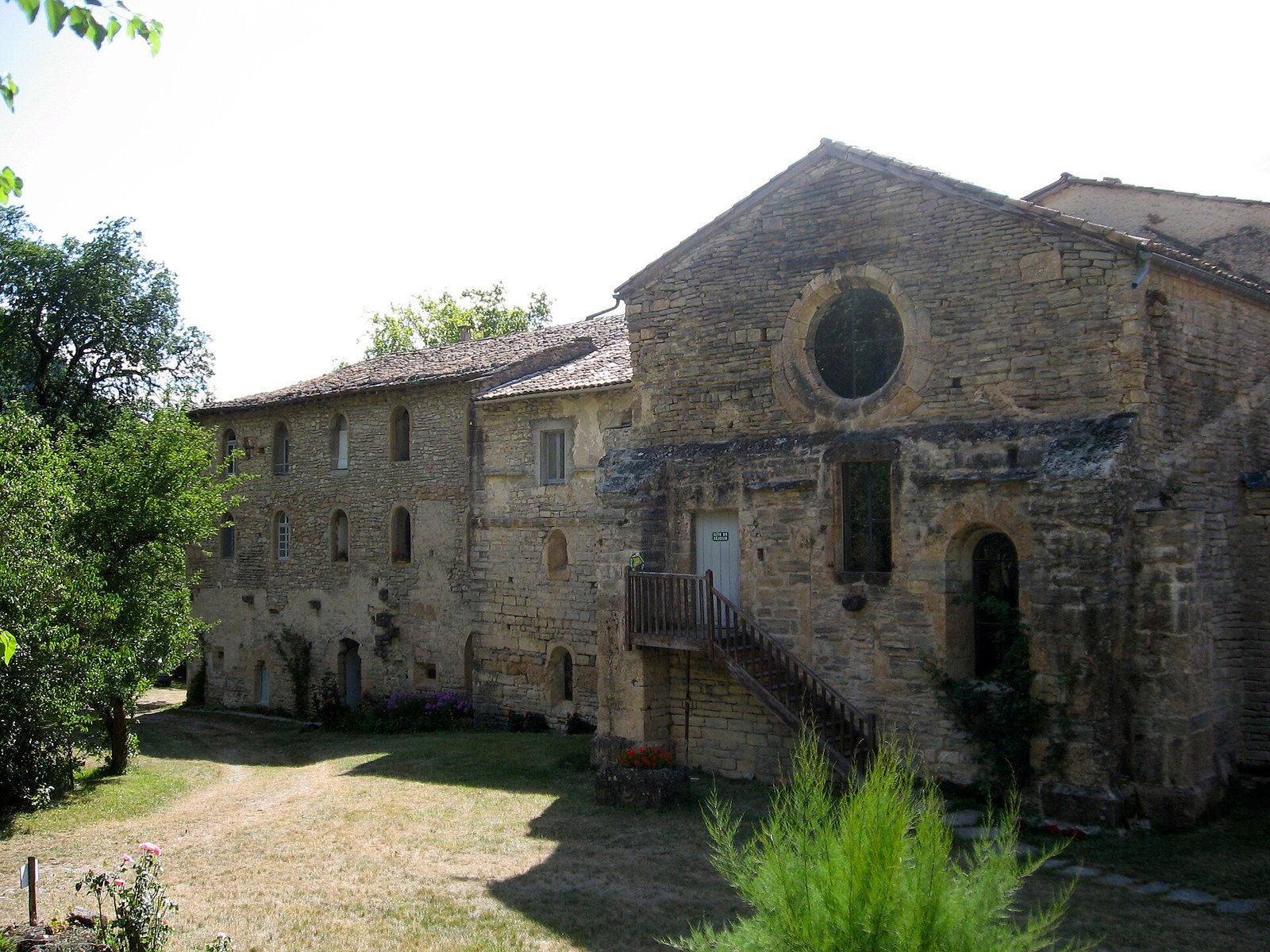
The east-facing church has a cross-shaped plan. Its nave, the main space for worship, has three aisles and three bays, or sections between supports, and leads to a crosswise arm and a rectangular choir at the altar end, which terminates in a flat wall. The choir has a round window and four rectangular side chapels, two on each side. One chapel formerly served as a sacristy, a room for church furnishings. The church is shorter at its entrance end than is usual in comparable Cistercian abbey churches, and its decoration uses non-figural forms. It is now secularized and no longer serves as a church.
East wing
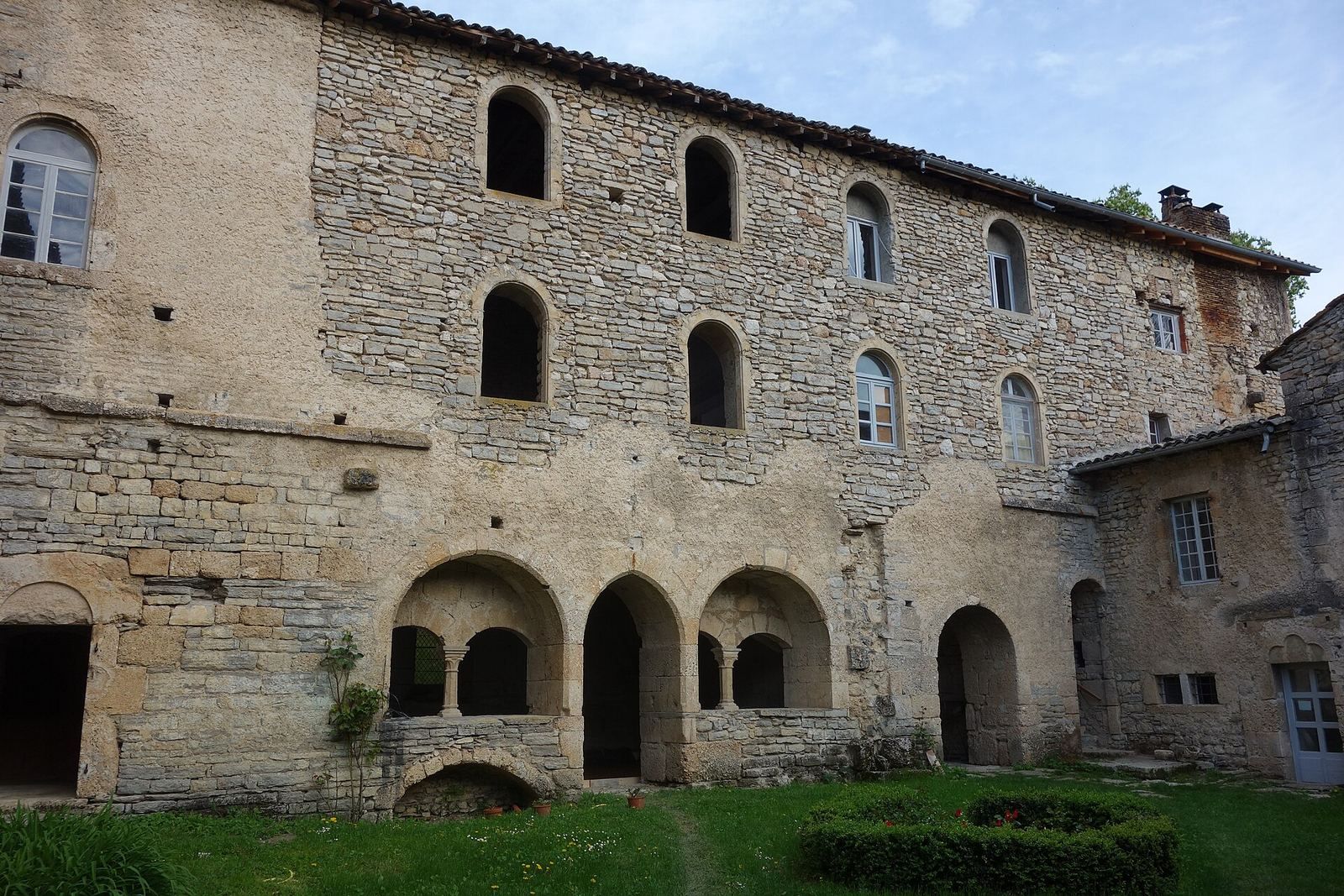
In the east wing, a monastic cupboard or book-storage space, known as an armarium, stands beside the chapter house, the monks’ meeting room. A pointed-arch passage connects the chapter house with the former cloister. Two pairs of windows sit in deep recesses beside the passage, and two further storeys rise above this part of the building.
South and west wings
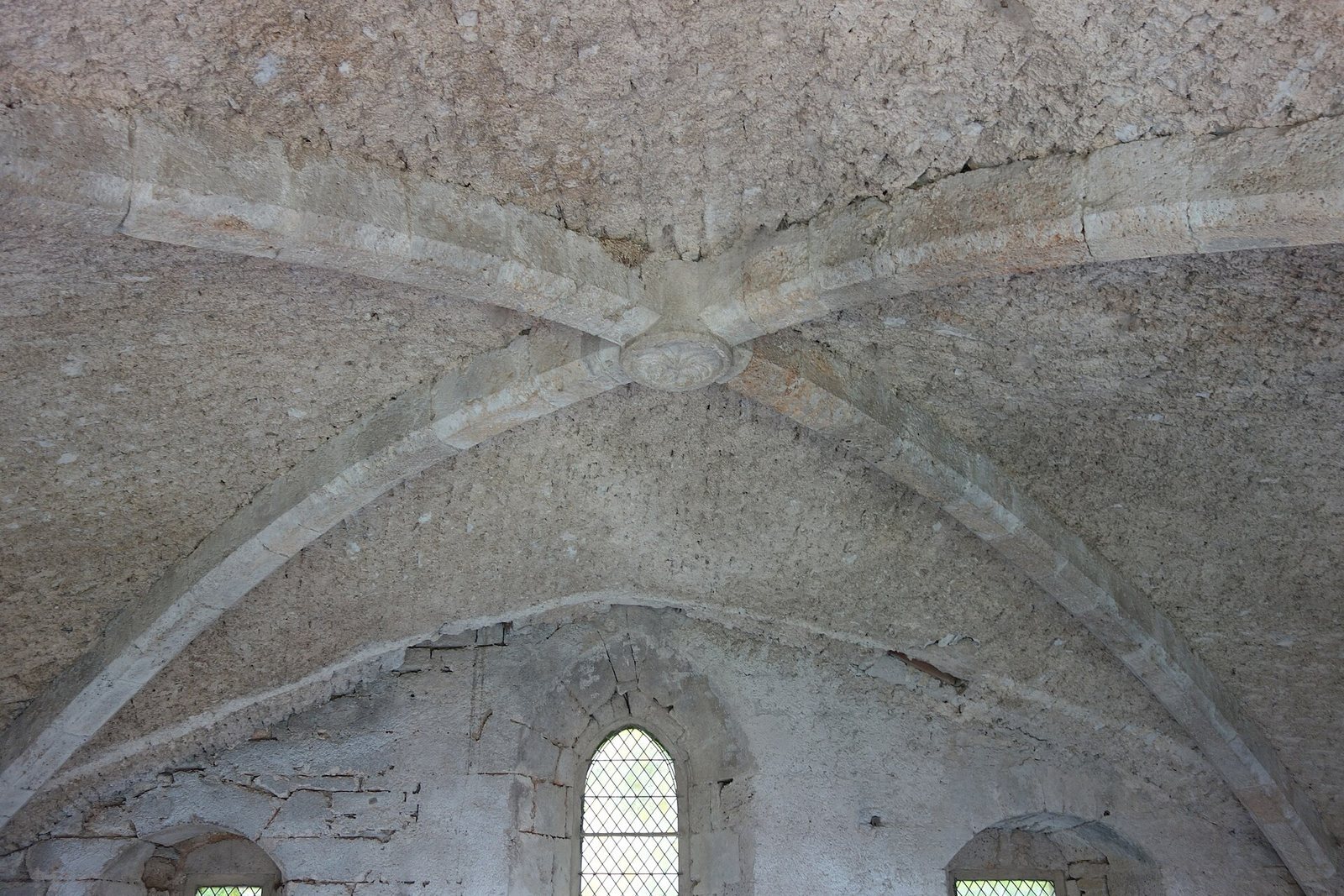
The south-wing refectory, or dining hall, has a long curved ceiling with a pointed profile, supported by three arches. A large circular window with twelve lobes and two narrow pointed windows face south. The west wing also survives.
Roman aqueduct conduit
A conduit associated with the aqueduct fed by the Valcroissant torrent was found in the area in July 1962.