Castle of Aguilar de Campoo: A Medieval Fortress in Spain
Site at a Glance
- Rating
- 4.2
- Popularity
- High
- Country
- Spain
- Primary era
- Medieval
- Eras represented
- Medieval
- Civilizations
- Unclassified
- Site type
- Military
- Remains
- Castle
On this page4 sections
History
Origins and lordship
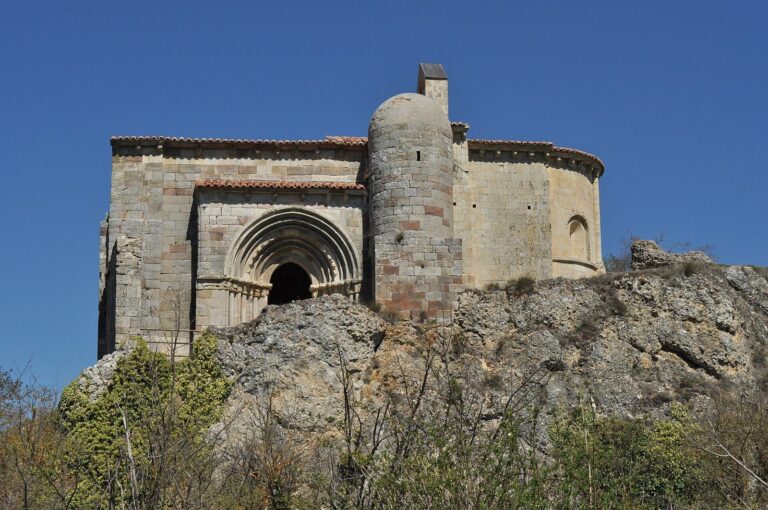
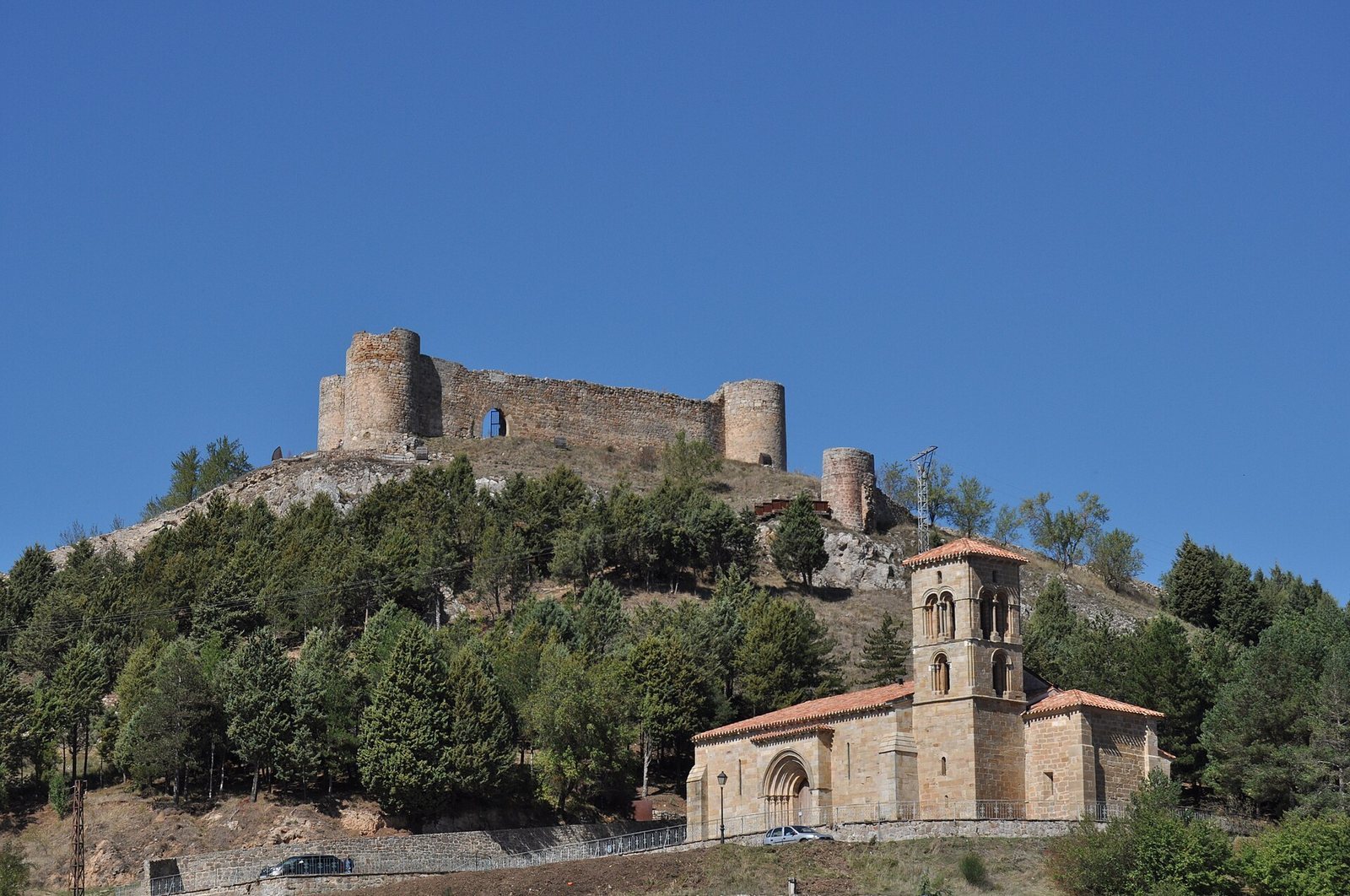
The Castle of Aguilar de Campoo is a Romanesque fortress in Spain that originated in the eleventh century as a defensive tower. It was built during the Reconquista, the long medieval expansion of Christian-ruled territories in the Iberian Peninsula, where Muslim states had also ruled. A document from 1039 provides the castle’s earliest known mention. Its lordship was held by Tello de Castilla and later inherited by Garci V Fernández Manrique de Lara, Marquis of Aguilar de Campoo, a hereditary titleholder and the fifth Lord of Aguilar. The castle underwent several remodels between the twelfth and fourteenth centuries.
Fourteenth-century imprisonment and later status
In the mid-fourteenth century, Peter the Cruel, also known as Peter I of Castile, ordered Cardinal Pedro Gómez Barroso imprisoned at the castle. A cardinal is a senior official of the Catholic Church; Gómez Barroso was also bishop of Sigüenza and a half-brother of Tello de Castilla. He had criticized Peter’s imprisonment of Blanche of Bourbon, a French princess and queen consort of Castile, which the king had ordered. The castle is designated a Spanish Asset of Cultural Interest in the Monument category.
Remains
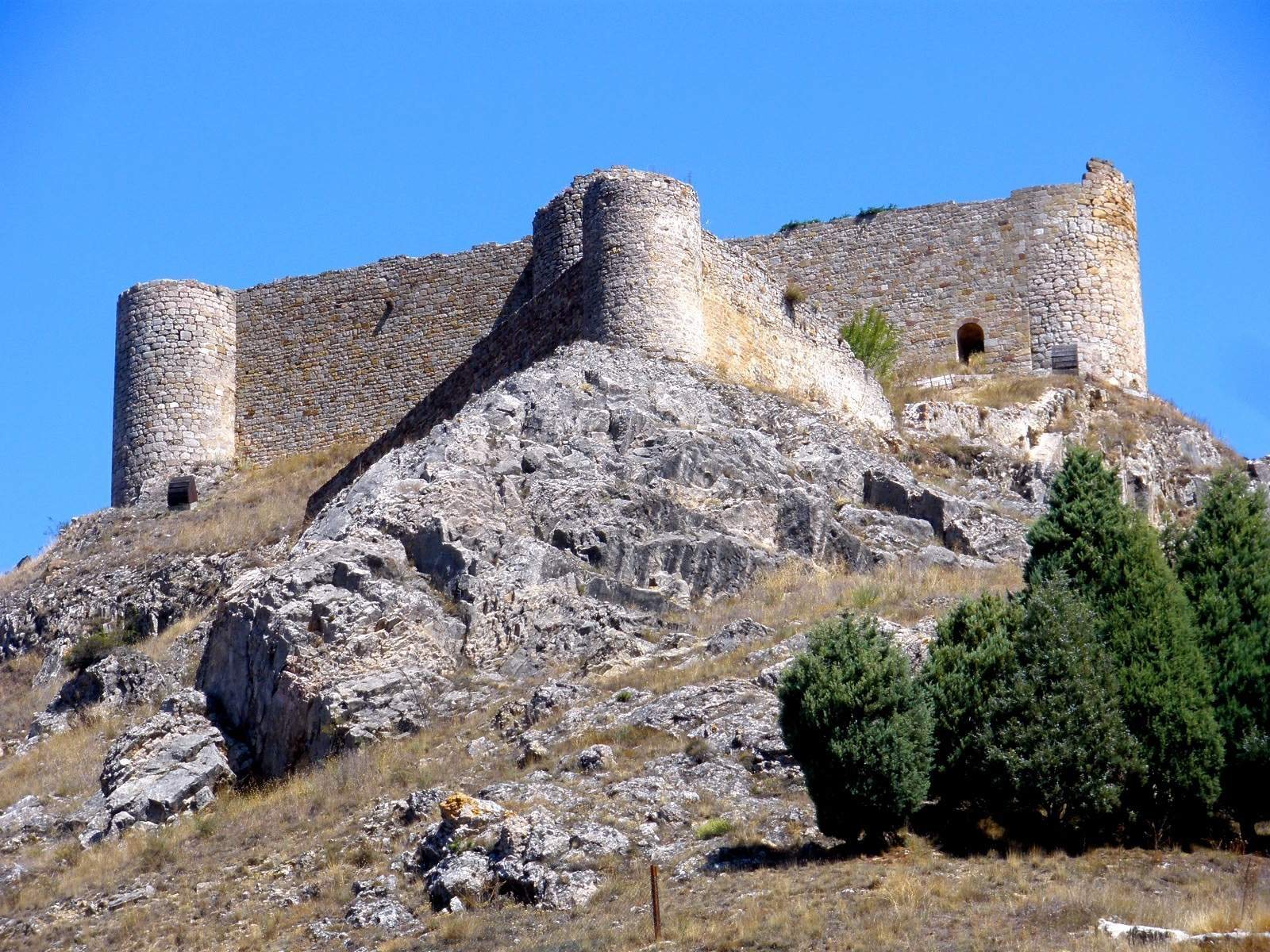
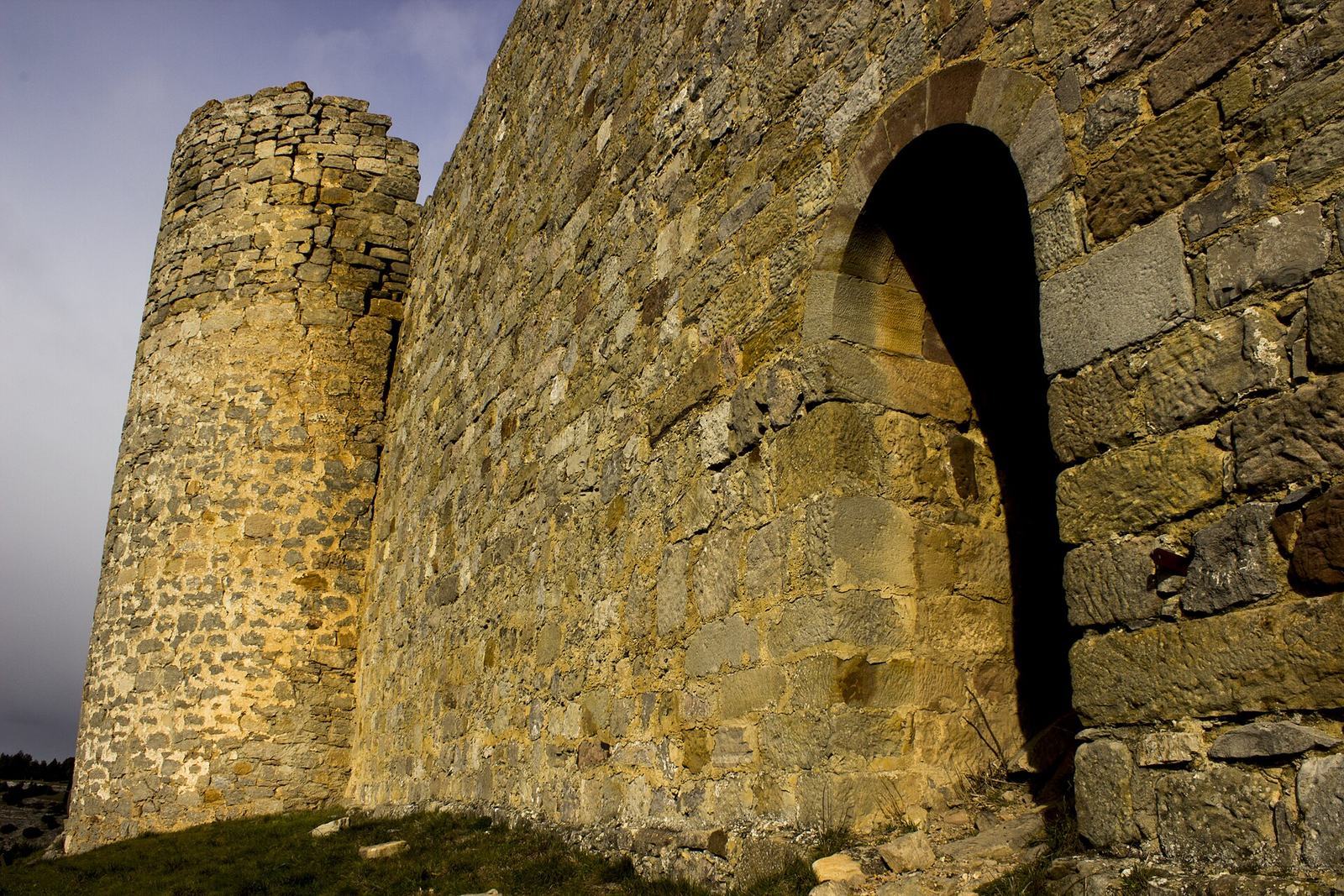
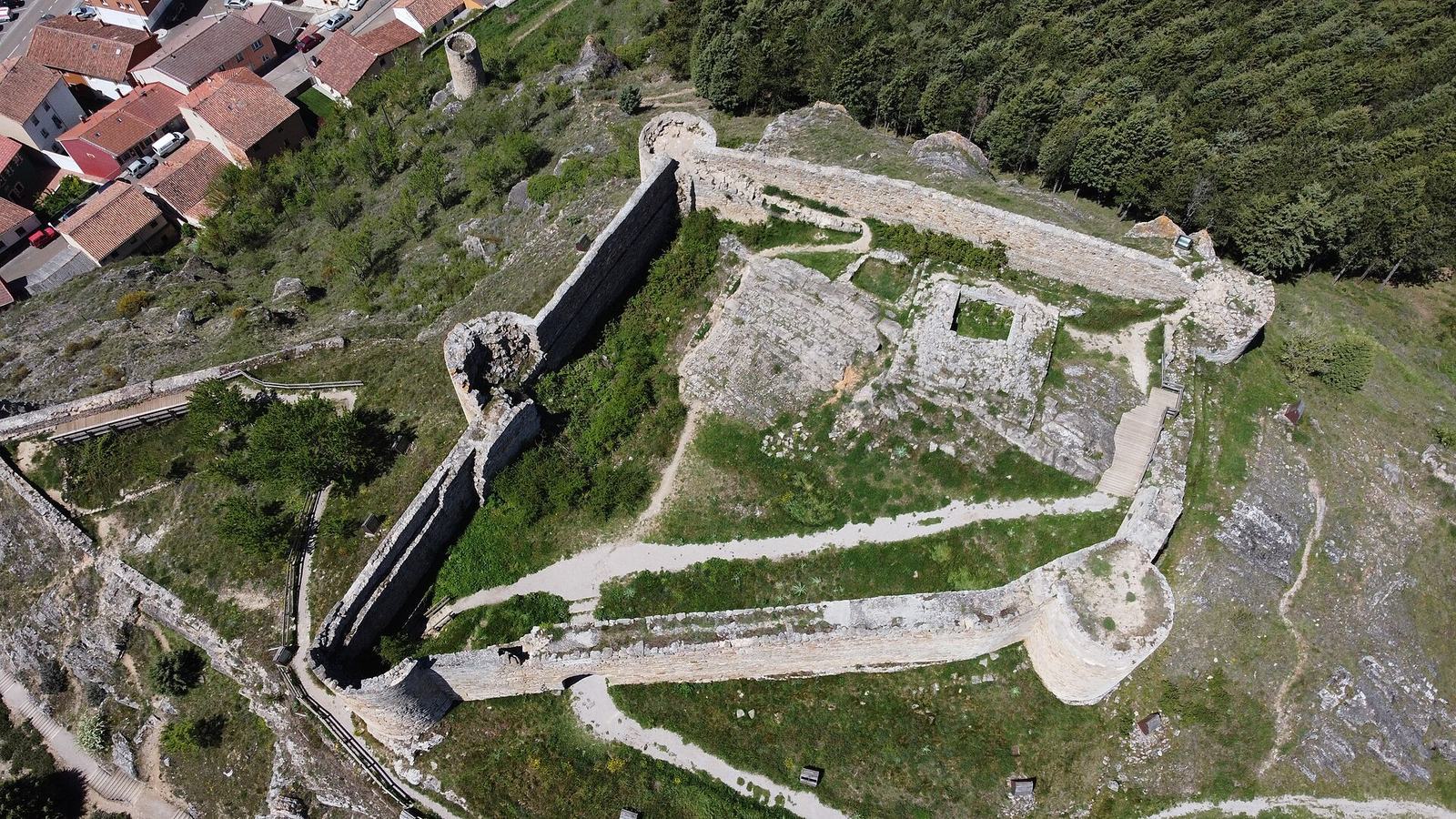
The surviving ensemble has a trapezoidal plan on a rocky outcrop at an elevation of 970 metres. Thick stone walls and towers make up most of its exterior remains, although the walls are largely in poor condition. Remains of towers also survive within the inner enclosure.
The eastern façade has an entrance formed by a pointed half-arch, with traces of coats of arms above it. A second entrance, in the northwest part of the castle, is now blocked and in poor condition.