Notre-Dame de Loos Abbey: A Cistercian Monastery and Prison in France
Site at a Glance
- Popularity
- Medium
- Country
- France
- Primary era
- Early Modern
- Eras represented
- Early Modern
- Civilizations
- French
- Site type
- Religious
- Remains
- Monastery
On this page12 sections
History
Foundation and Cistercian growth
Notre-Dame de Loos Abbey, in Loos, France, was founded in 1149 by Thierry of Alsace, Count of Flanders, and his wife, Sibylle of Anjou, as a monastery of the Cistercians, a Catholic religious order. Monks from Clairvaux settled at Loos, which became a daughter house of that major Cistercian abbey, meaning it belonged to Clairvaux’s monastic family. The abbey’s first abbot, Jean Belle, was sent by Bernard of Clairvaux.
The founders acquired land from the lords of Duremont and Prémesques and Bernard d’Annekin. The property had previously been held as a fief, land granted under obligations to a superior lord, by Pierre Barges under the Count of Flanders. The monks drained the marshy ground, and the abbey soon grew wealthy, holding lordships and farms.
The abbot also oversaw six women’s religious houses: Notre-Dame du Bradie at Annay-sous-Lens; Notre-Dame de Sauchois near Tournai, a Cistercian house; Notre-Dame du Verger at Oisy-le-Verger; Notre-Dame du Mont d’Or at Wevelgem; Repos de Notre-Dame at Marquette near Lille; and Flines Abbey. The last four were affiliated with Clairvaux. The abbot also served as perpetual administrator of the Hospice Comtesse, a historic charitable hospice in Lille.
Plunder, devotion and pilgrimage
Insurgents plundered the abbey in 1566 during the Revolt of the Beggars, an uprising. The nearby Chapel of Notre-Dame-de-Grâce became a focus of devotion: its first recorded miracle, associated with Jacques Dubois, took place on 23 August 1581. Churchman Carpentier de La Bassée secured the right to use a mitre, a ceremonial headdress worn by bishops and some abbots, and other pontifical insignia, symbols of church authority, for himself and his successors.
Albert of Austria, sovereign of the Netherlands, and his wife Isabella Clara Eugenia made a pilgrimage to the chapel after their formal entry into Lille.
Abbots, national property and sale
In 1727, Dom Nicolas-François du Béron was elected abbot. Dom is an honorific used for some monks. He had served at Loos within the religious community and as woodland steward, and had been a chaplain at Saulchoir Abbey. He was also vicar-general of the Cistercian order in the French Netherlands, a historical region of the Low Countries under French rule. The last abbot, Dom Antoine Billau, was the forty-first; in 1789 he was elected to represent the clergy at the Estates General, an assembly representing the clergy, nobility and commoners.
A decree of 2 November 1789 made the abbey and its dependencies national property. The community was dissolved in 1791. On 24 June 1798, Lille merchant Pierre Urbain Virnot was declared the personal owner of the abbey’s 111 hectares. After his family business failed in 1811, creditors sold the property to the Nord department in 1812 for 500,000 francs.
Conversion into a prison
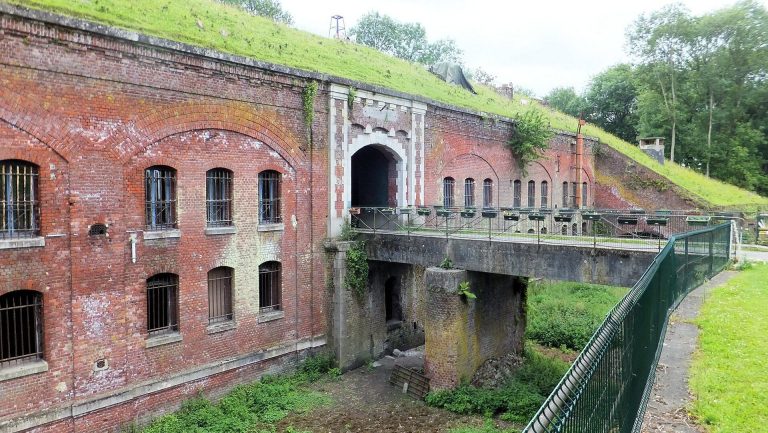
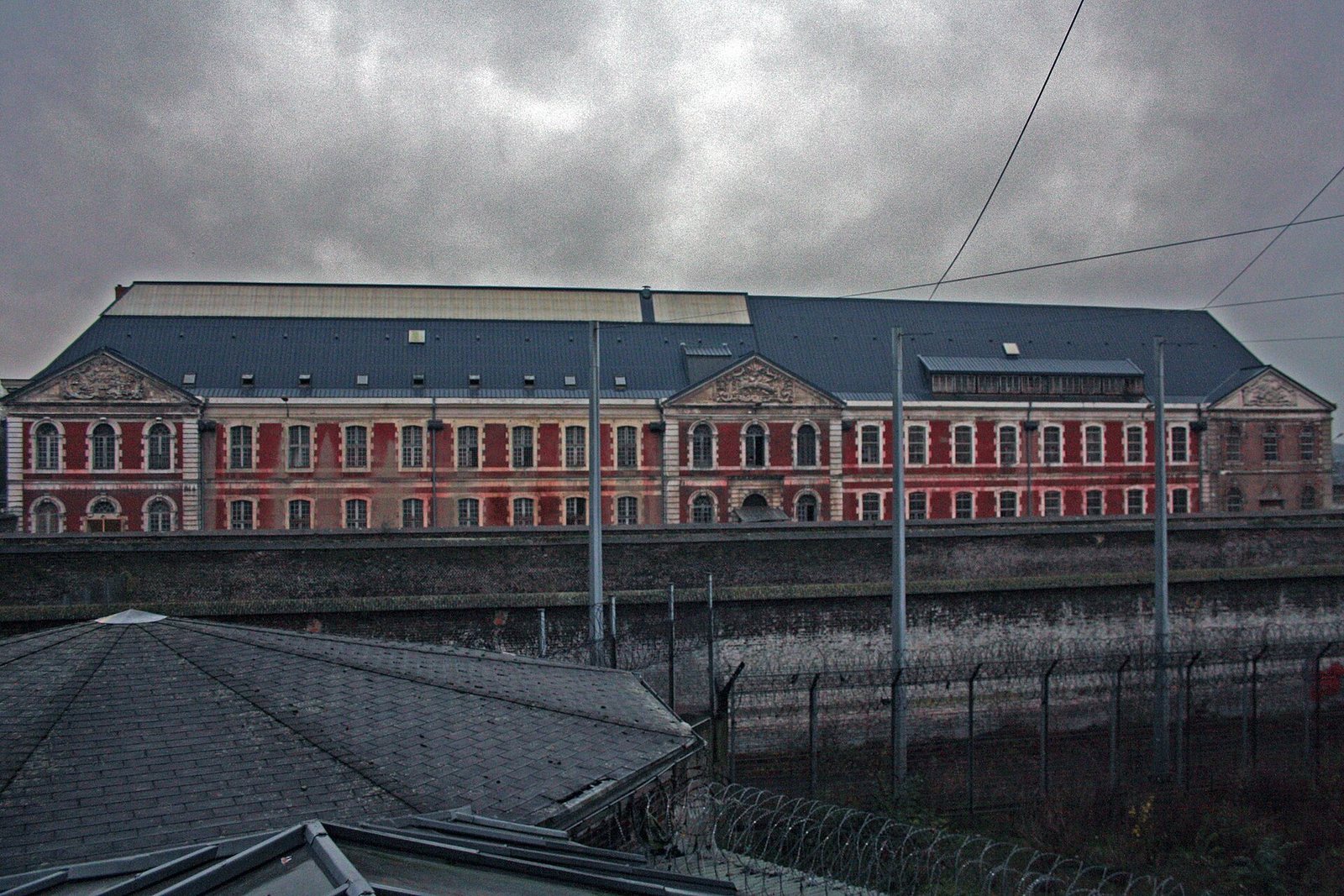
A royal ordinance dated 6 August 1817 established the buildings as a house of confinement and correction, and they became a prison. In 1890, the prison was reputed to be secure and sanitary, with rooms arranged to separate different classes of prisoners. It became a cellular prison in 1906, organized around the separation of prisoners in individual cells. On 3 November 1927, it established France’s first prison anthropology service, intended to support offenders’ social rehabilitation.
Wartime deportations and later unrest
German forces occupied the prison during both world wars and caused serious damage. On 1 September 1944, two days before Lille was liberated, 871 people from the Nord department were deported from the prison to Nazi concentration camps. On 28 December 1950, Otto Abetz, Nazi Germany’s ambassador in Paris during the Second World War, was transferred there. He had been sentenced in July 1949 to twenty years of forced labour; around 150 other Nazi dignitaries were also imprisoned at Loos.
A prison uprising on 26 July 1974 left about ten people injured, including five French riot-police officers, and devastated the establishment. The prison closed in August 2011.
Protection and preservation
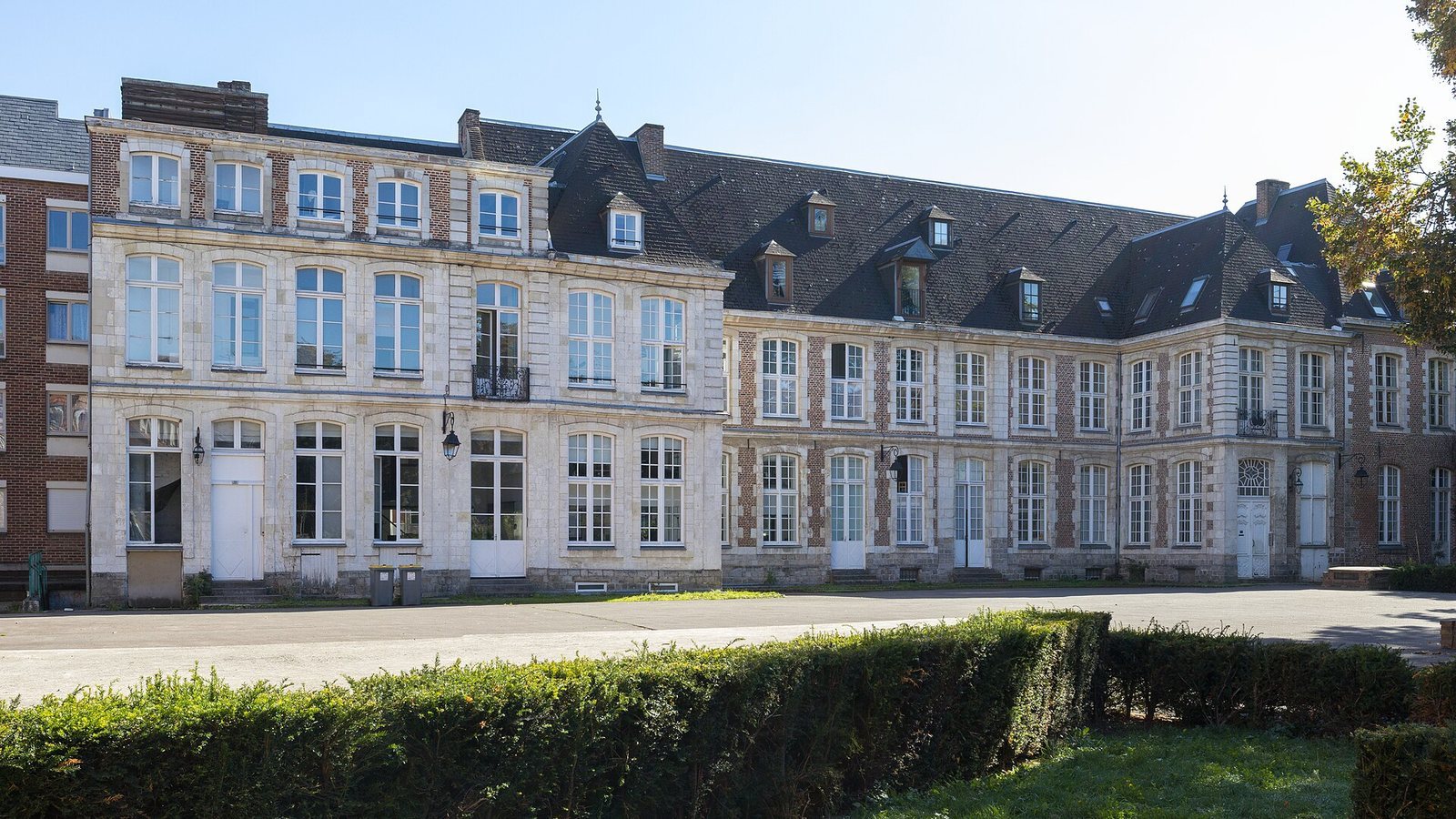
The abbey itself was not listed as a historic monument. Its chapel, along with roofs, sculpted pediments and parts of the eighteenth-century façades, was included in the supplementary inventory. Plans for a new prison complex put the unlisted abbey buildings at risk, but opposition in local media and a petition led the prison administration to change its plans.
The nineteenth-century prison buildings were demolished in 2016. After the prison closed, the complex suffered cable theft and vandalism. The abbey’s historic enclave was preserved in 2018.
Remains
Abbey complex and grounds
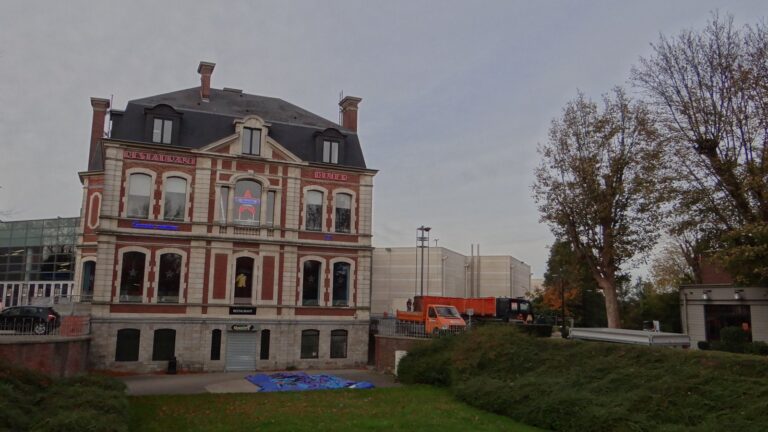
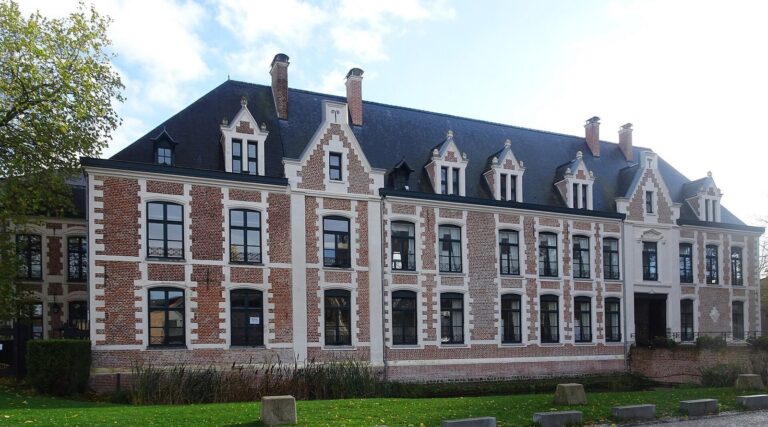
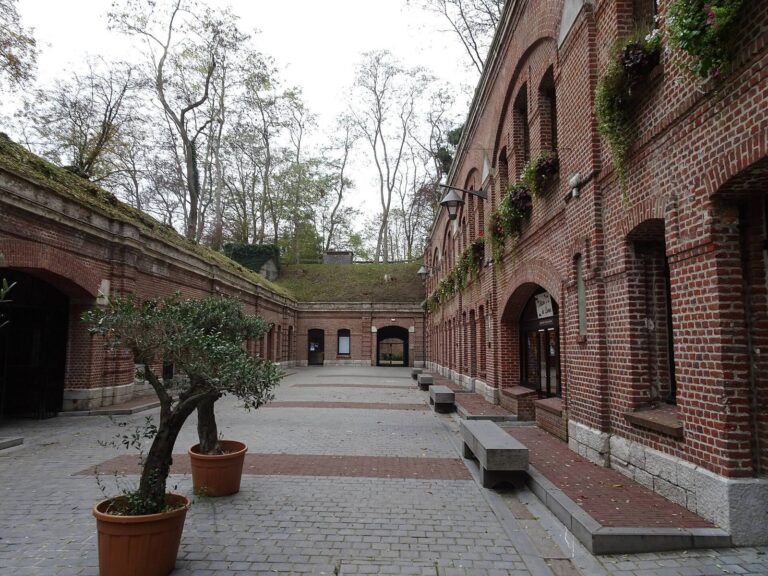
The complex stands on formerly marshy ground in the Deûle valley, close to the Haute-Deûle and about two kilometres west of Lille. Built of brick and stone, the large group of buildings took its present form in 1752. It included a church, a lower courtyard, a cloth-working facility and other dependencies. Eighteenth-century features included roofs, sculpted pediments and portions of the façades.
Chapel of Notre-Dame-de-Grâce
Near the abbey, Carpentier de La Bassée built the Chapel of Notre-Dame-de-Grâce. It was completed and blessed in 1591, then enlarged and consecrated in 1611 by Bishop Michel d’Esne. The chapel was demolished in 1962 to make way for a sports ground.
Prison rooms and workshops
During its use as a prison, rooms were arranged to keep different classes of detainees separate. The cellular system introduced in 1906 organized confinement around individual cells. Workshops included flax-spinning, sewing embroidered work coats, shoemaking and carpentry.
Arms and painted record
The abbey’s arms had a blue shield with eight gold fleurs-de-lis, stylized lilies, arranged around its inner edge. A smaller gold shield within it bore a black lion with red claws and tongue. Gustave Courbet’s 1851 oil painting Abbey Garden is held by the Palais des Beaux-Arts de Lille.