Birse Castle: A Scottish Hunting Lodge and Tower House
Site at a Glance
- Popularity
- Medium
- Country
- United Kingdom
- Primary era
- Early Modern
- Eras represented
- Early Modern, Modern
- Civilizations
- British, Kingdom of Scotland
- Site type
- Domestic
- Remains
- Castle
On this page7 sections
History
Forest and foundation
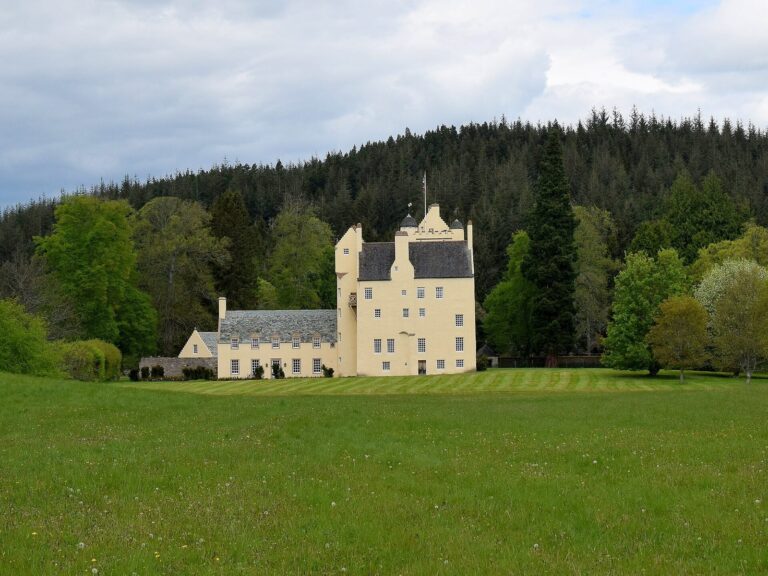
Birse Castle is a tower house, a residence centered on a tower, in the Forest of Birse, Aberdeenshire, Scotland. Sir William Gordon of Cluny built it in 1585 as a hunting lodge or summer retreat. The forest had first served as a royal hunting ground before passing to the Bishop of Aberdeen. Gordon received a feu from the bishop, a Scottish land grant subject to an ongoing payment, and built the castle there.
Ownership and rebuilding
Sir William Douglas of Glenbervie acquired the house in 1636. It passed to Charles Gordon, 1st Earl of Aboyne, in 1666. By 1887, the castle had fallen into ruin. It was restored and enlarged between 1905 and 1911 for J. R. Heaven, then gained another wing in 1930 for Annie Pearson, Viscountess Cowdray. Birse Castle received Category B listing in 1971, a Scottish designation for buildings of regional or more than local importance. The property is owned by Viscount Cowdray.
Remains
The original tower
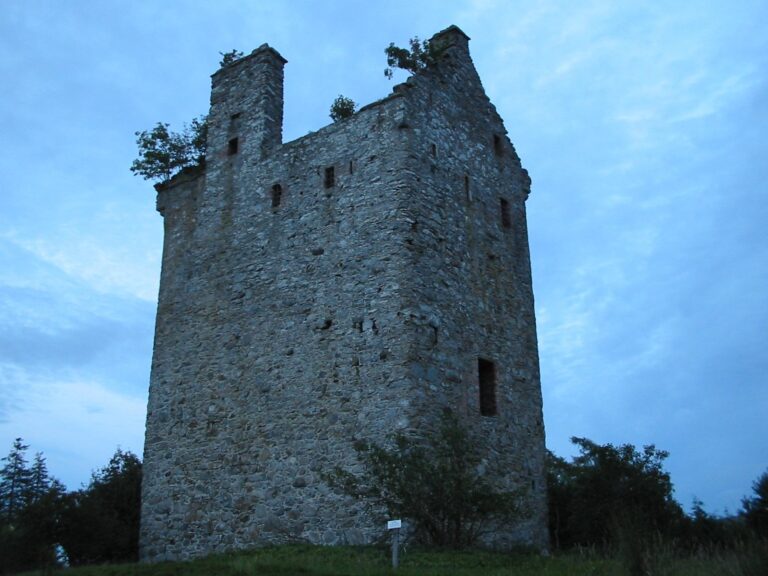
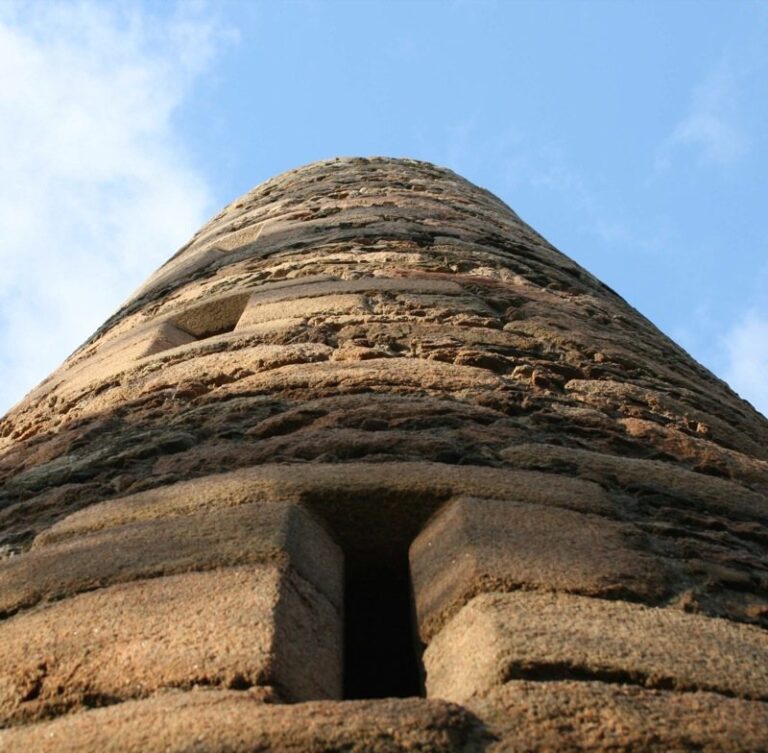
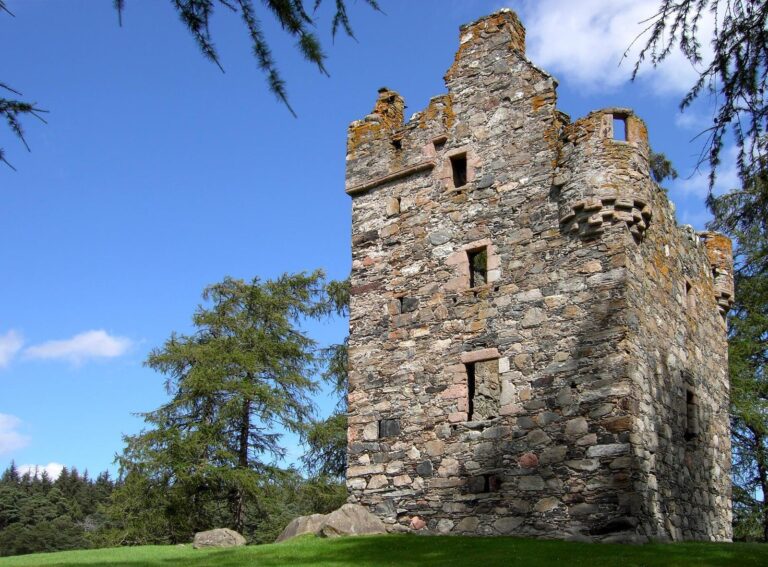
The original square tower had three storeys and an attic and was built from pink granite rubble. Turrets marked its corners, including a circular tower at the southeast corner that stepped out on projecting stonework to form a square profile. By 1887, only the north and east walls remained standing.
Wings and present plan
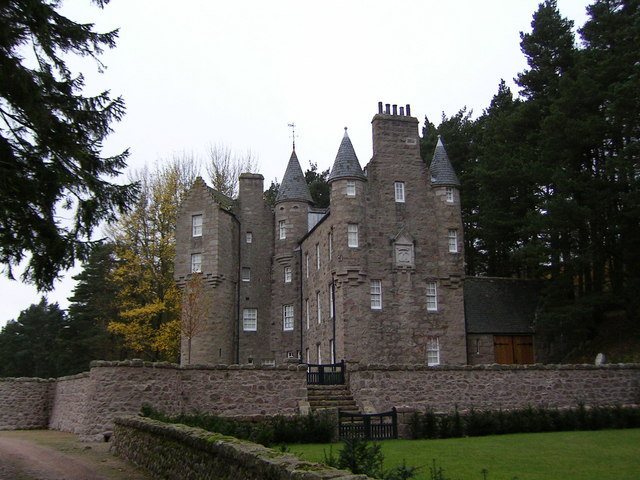
North and west wings gave the building an L-shaped plan, with small, one-storey towers at the corners. An east wing at the northern end of the north wing created the present Z-shaped plan. The east wing and southeast corner each have a corner turret. The later turrets are slightly larger than the earlier ones and have windows at third-storey level. A one-storey extension and an entrance stand at the north end.
Entrance panel
Above the tower’s main ground-floor entrance, a panel bears a thistle, a rose and a crown. Its inscription, “19 AC 30,” gives the date and the owner’s initials.