Fort Dauphin: An Advanced Military Fort in France
Site at a Glance
- Rating
- 4.2
- Popularity
- Low
- Country
- France
- Primary era
- Early Modern
- Eras represented
- Early Modern, Modern
- Civilizations
- French
- Site type
- Military
- Remains
- Fort
On this page4 sections
History
Planning and construction
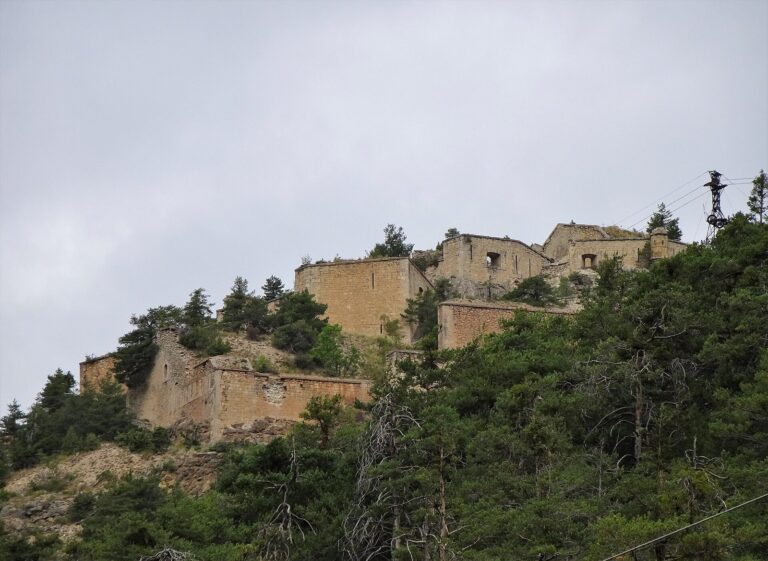
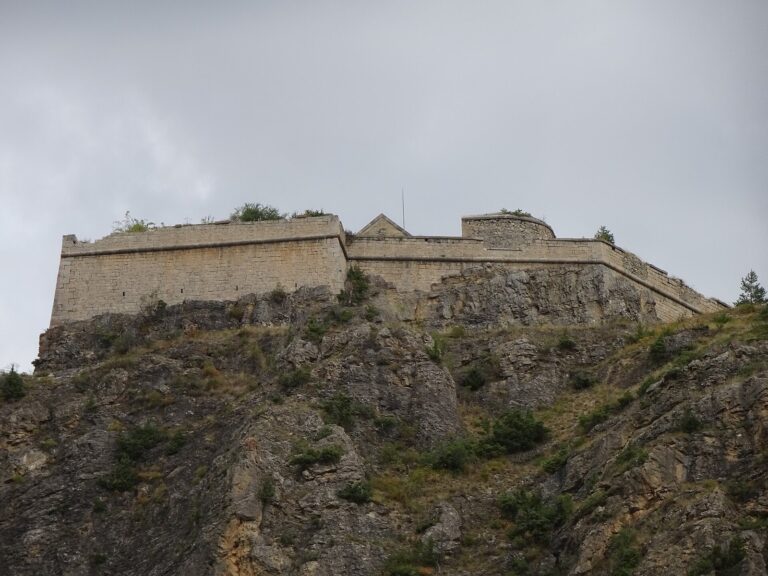
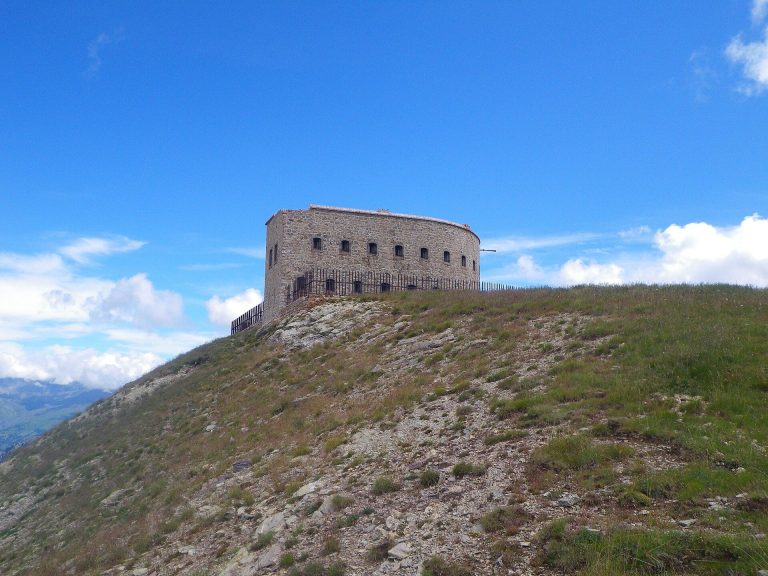
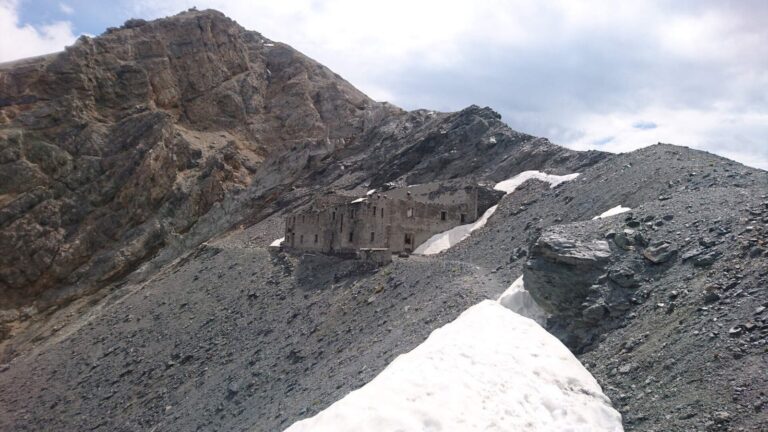
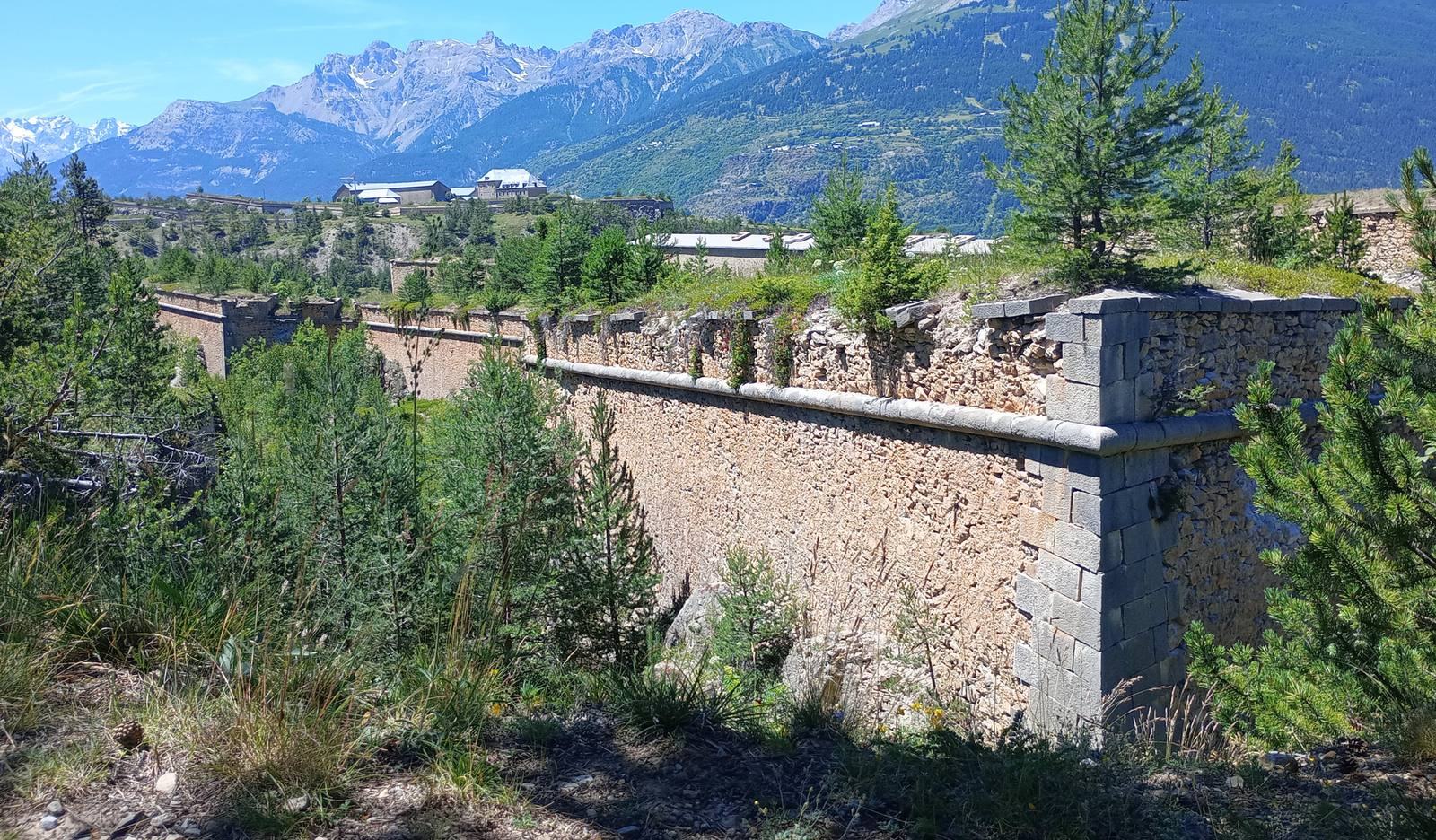
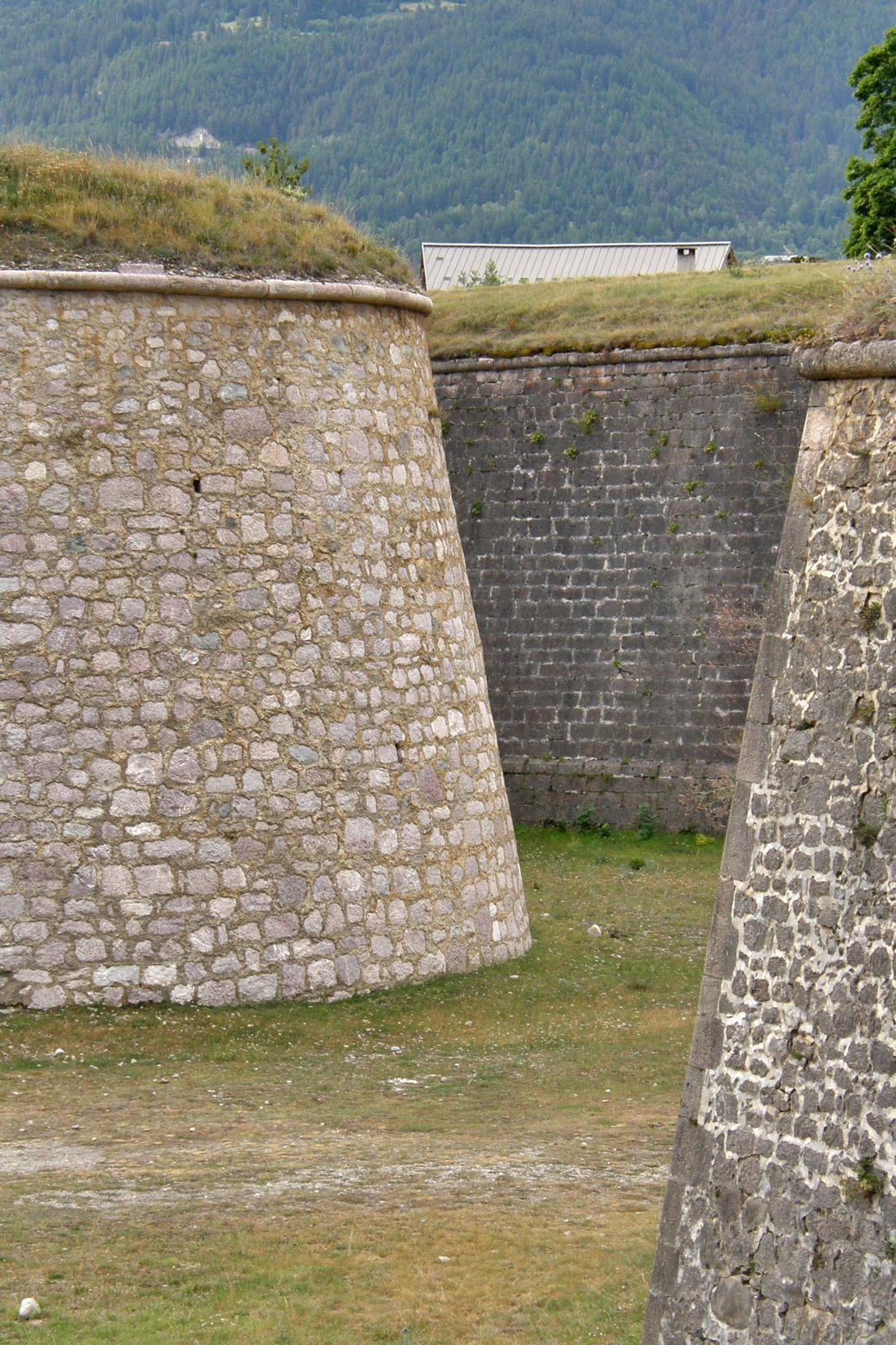
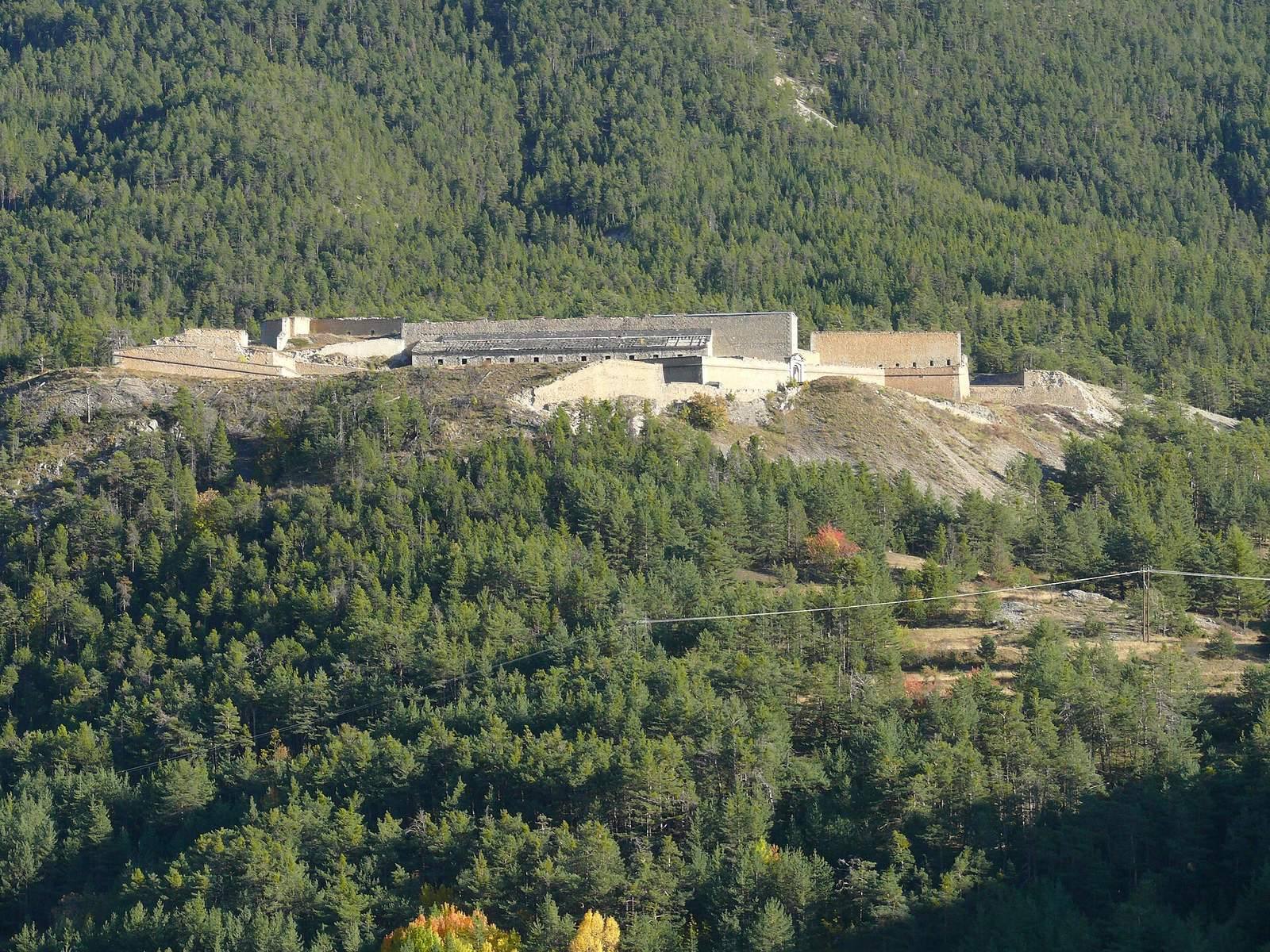
Fort Dauphin is a military fort in France, built as an advanced post in the defenses around Briançon. It monitored the Fontenil valley, protected Fort des Têtes and Fort du Randouillet, and, with Fort des Salettes, helped secure the road to Italy. The position was considered dangerous in the early seventeenth century.
In 1711, engineers plotted a small defensive work known as the “Redoubt planned on the plateau.” Its construction stopped by 1713, when the War of the Spanish Succession, a European conflict, ended and Louis XIV died. A changed frontier later prompted a permanent system of forts around Briançon, built between 1724 and 1734. Instead of the proposed small redoubt, a full fort was constructed. In 1729 it was named Fort Dauphin for Louis, the heir to the French throne and son of Louis XV.
Changes in military role
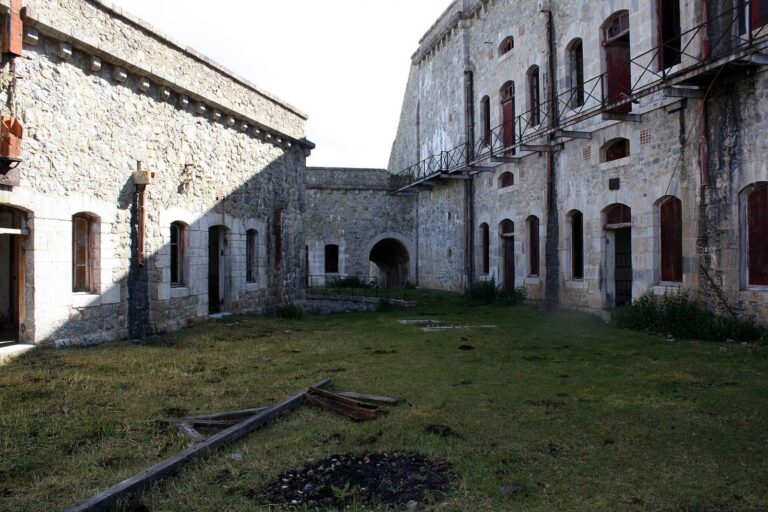
In 1793, the fort was renamed Fort Lutin and modified. From 1858, rifled artillery, whose spiral-grooved barrels improved range and accuracy, made the fort less effective. Its difficult reinforcement and the construction of separate forts led to its use as a second-line defense. The entire fort received French Historic Monument status on July 6, 2007.
Remains
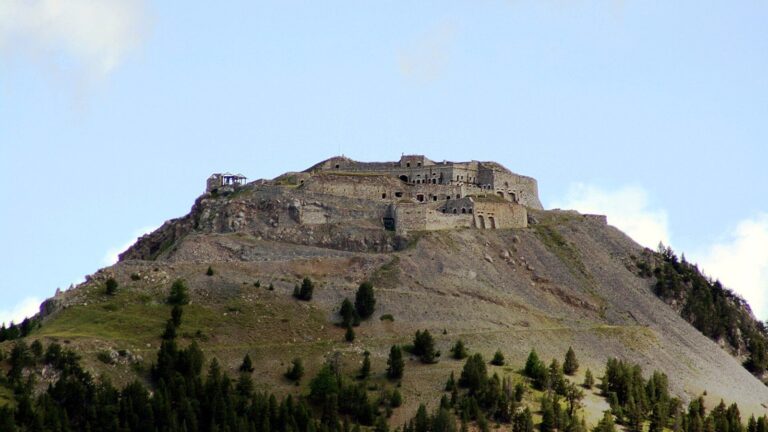
The fort stands on a level shelf at the foot of the Infernet ridge’s northeast slope, overlooking the left bank of the Durance River. At an elevation of 1,440 metres, it is level with Fort des Trois Têtes, 500 metres away, a distance within effective cannon range.
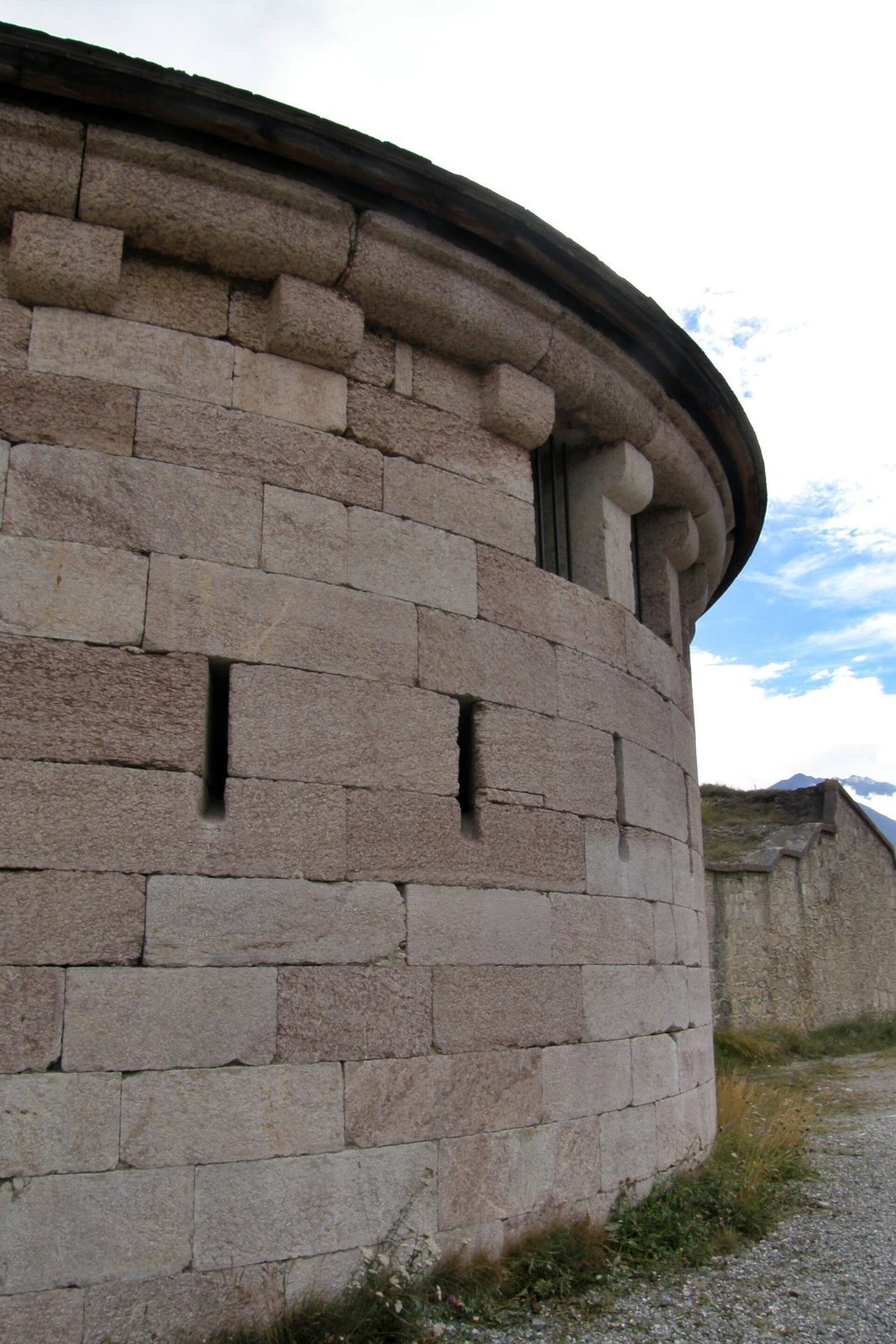
A powder magazine was added to the fort between 1874 and 1877.