Castle of ‘s-Gravenwezel: A Medieval Residence in Belgium
Site at a Glance
- Rating
- 4.2
- Popularity
- Very Low
- Country
- Belgium
- Primary era
- Early Modern
- Eras represented
- Medieval, Early Modern
- Civilizations
- Duchy of Brabant, Habsburg, Habsburg Austria, Holy Roman Empire
- Site type
- Domestic
- Remains
- Castle
On this page8 sections
History
Medieval origins
The Castle of ‘s-Gravenwezel is a partly medieval castle in Belgium that dates to the thirteenth century, when it served as the residence of the Counts de Woutere. The settlement was formerly known as Wesel or Wesele; the addition of “’s-Graven” was connected with the counts’ residence there.
Rebuilding and family ownership
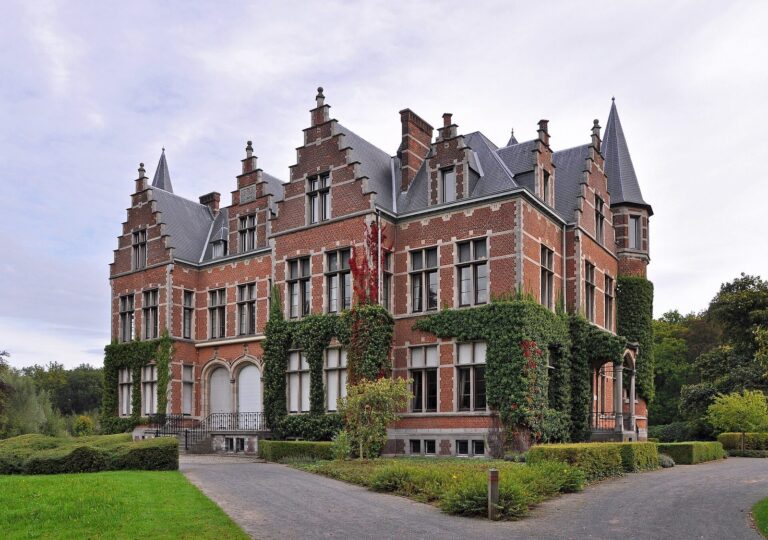
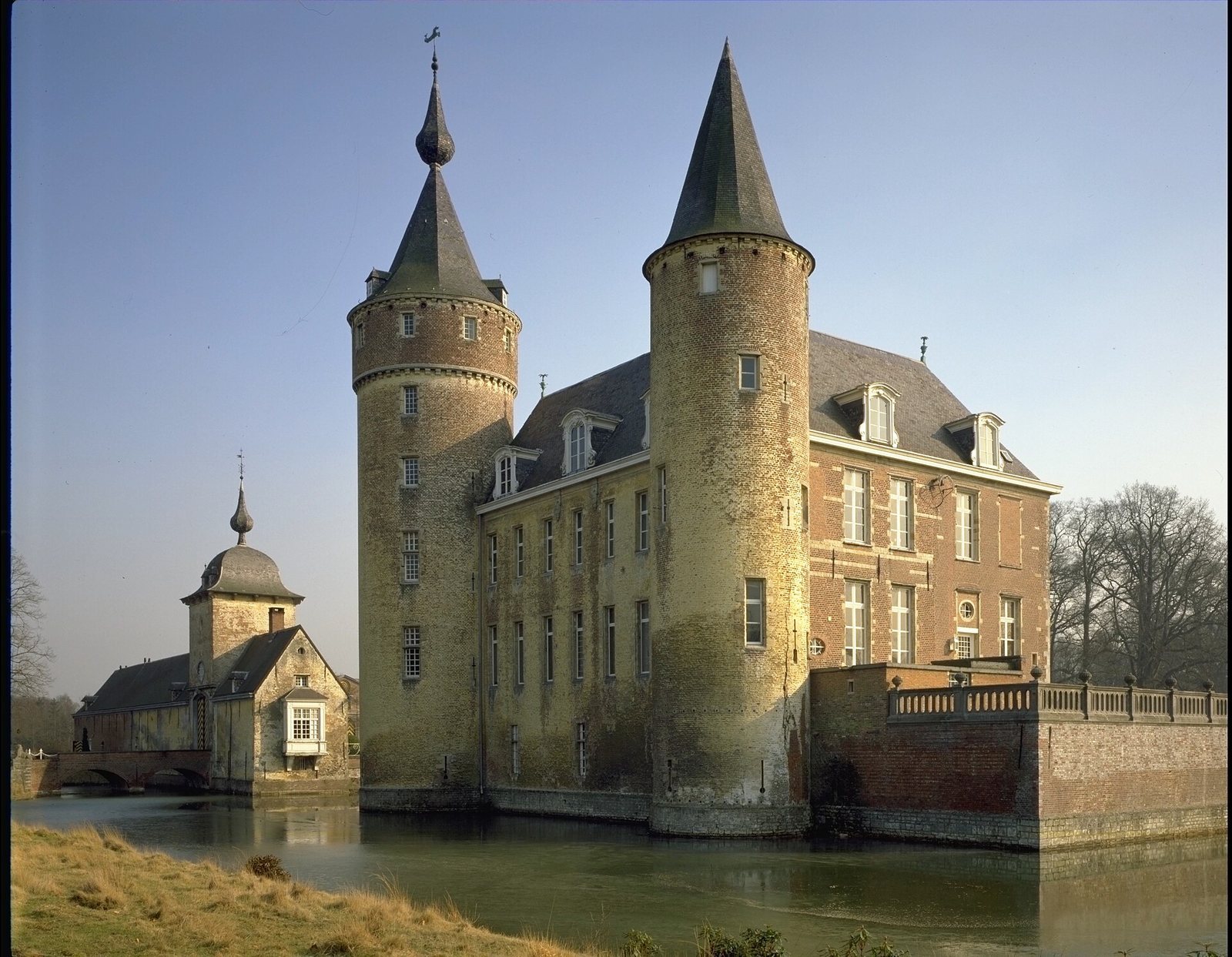
In the eighteenth century, Jean-Alexandre van Susteren completely rebuilt the main residential block under the direction of Flemish architect Jan Pieter van Baurscheidt de Jonge. The reconstruction changed the castle from a water-defended stronghold into a modern residential castle for its time.
After Van Susteren’s death, the castle passed to the de Roose de Baisy family. In 1819, Marie Caroline de Roose de Baisy, daughter of Charles de Roose de Baisy, married Philippe Gillès. The marriage brought the castle into the Gillès de Pélichy and de Gillès family, which retained it until 1984.
Remains
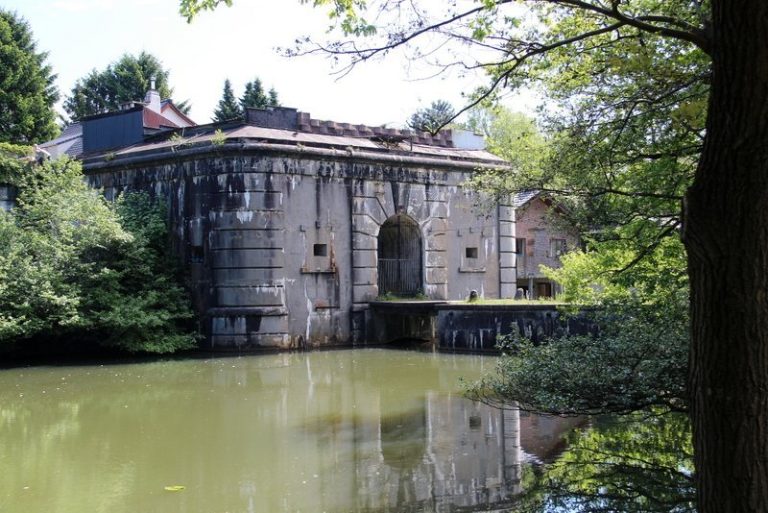
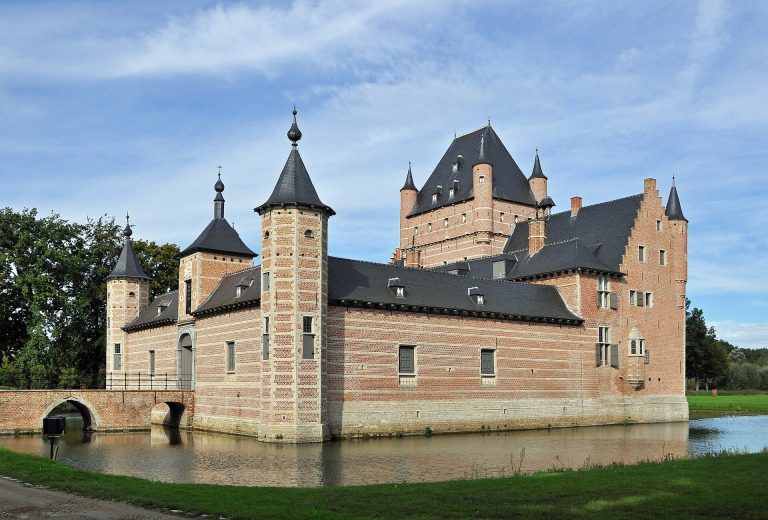
The castle is partly medieval and has a double defensive enclosure, formed by two lines of fortification. It stands within a park covering 21 hectares.
Defenses and architectural features
Enclosure and corner towers
The castle’s two defensive lines enclose its partly medieval fabric. Two imposing round corner towers were added in the fourteenth century, and one survives.
Residential block and façades
The east and north façades are Gothic, a medieval architectural style.
Gatehouse and park
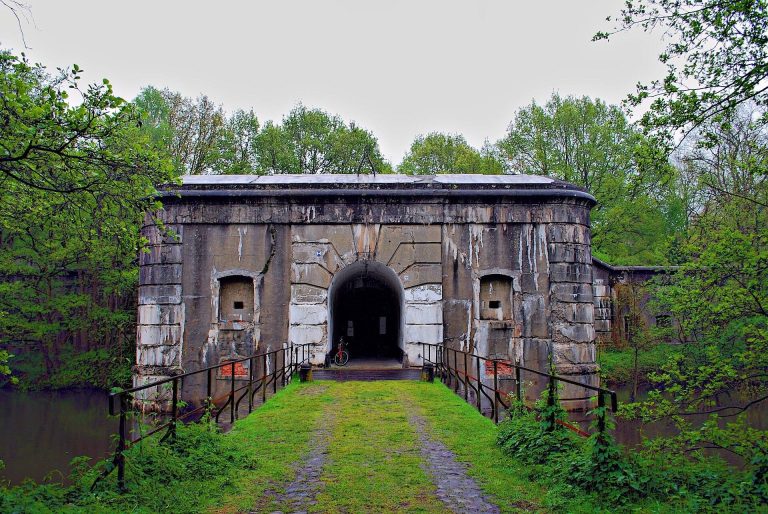
The complex includes a gatehouse added during the Baroque period, a European artistic and architectural era prominent in the seventeenth and eighteenth centuries. The surrounding park covers 21 hectares.