Schloss Hunyadi: A Late-Baroque Castle in Maria Enzersdorf
Site at a Glance
- Rating
- 4.5
- Popularity
- Medium
- Country
- Austria
- Primary era
- Early Modern
- Eras represented
- Early Modern
- Civilizations
- Habsburg, Habsburg Austria, Holy Roman Empire
- Site type
- Domestic
- Remains
- Castle
On this page5 sections
History
From privileged manor to castle
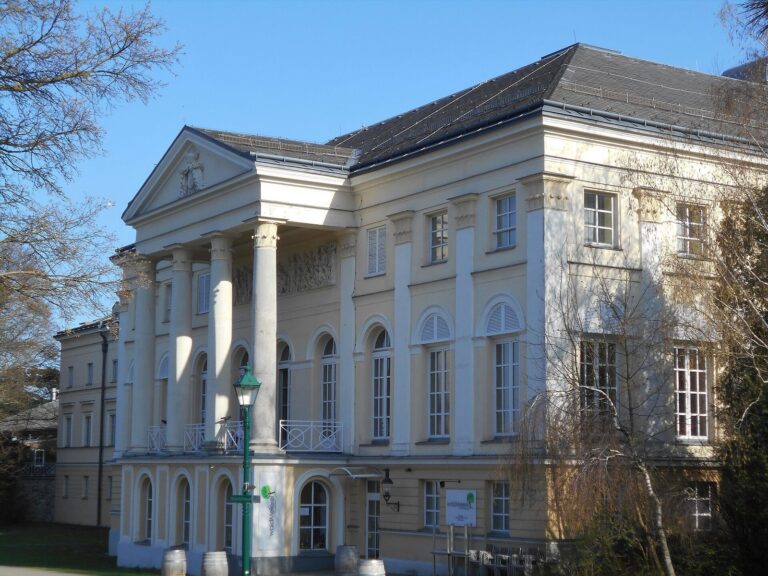
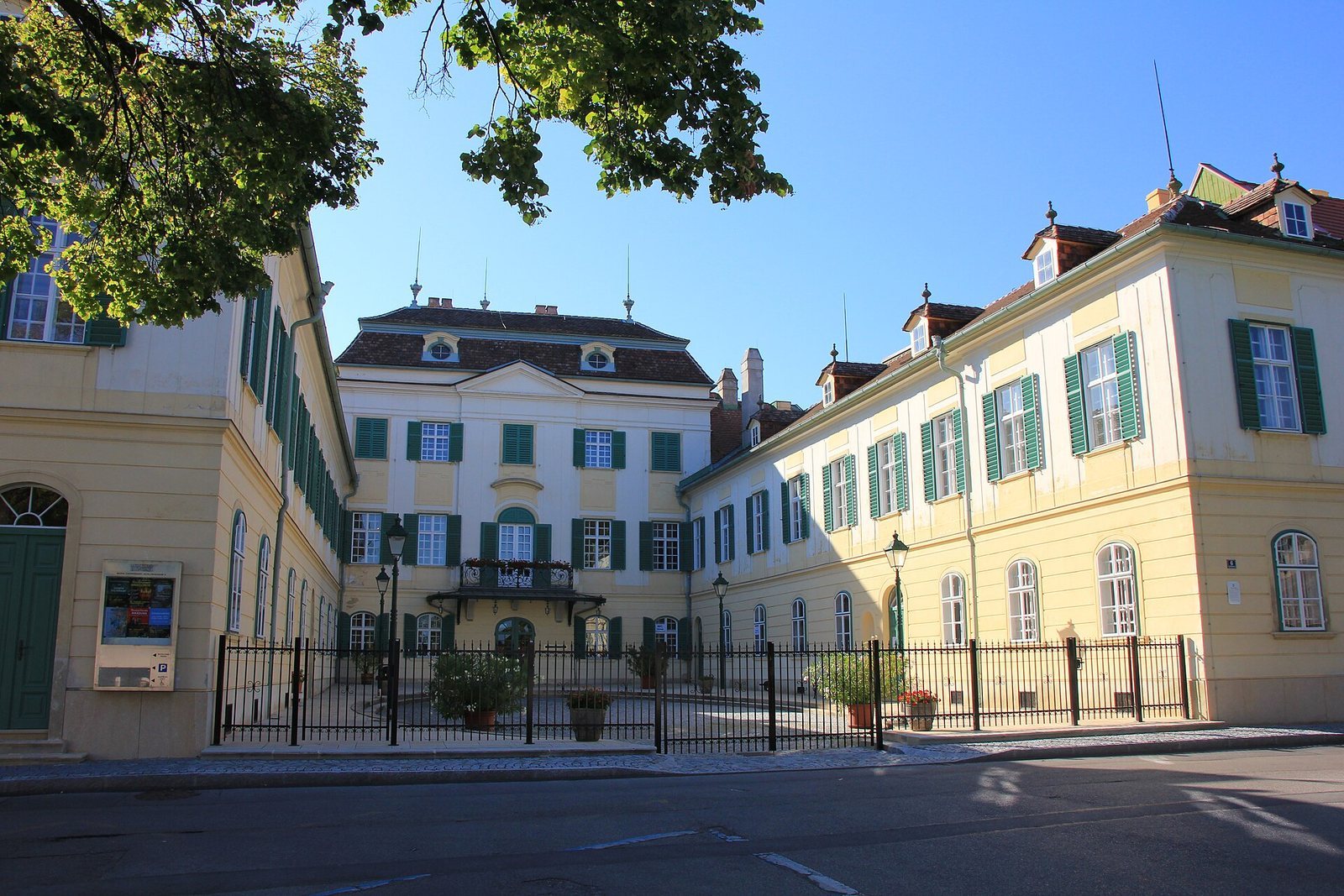
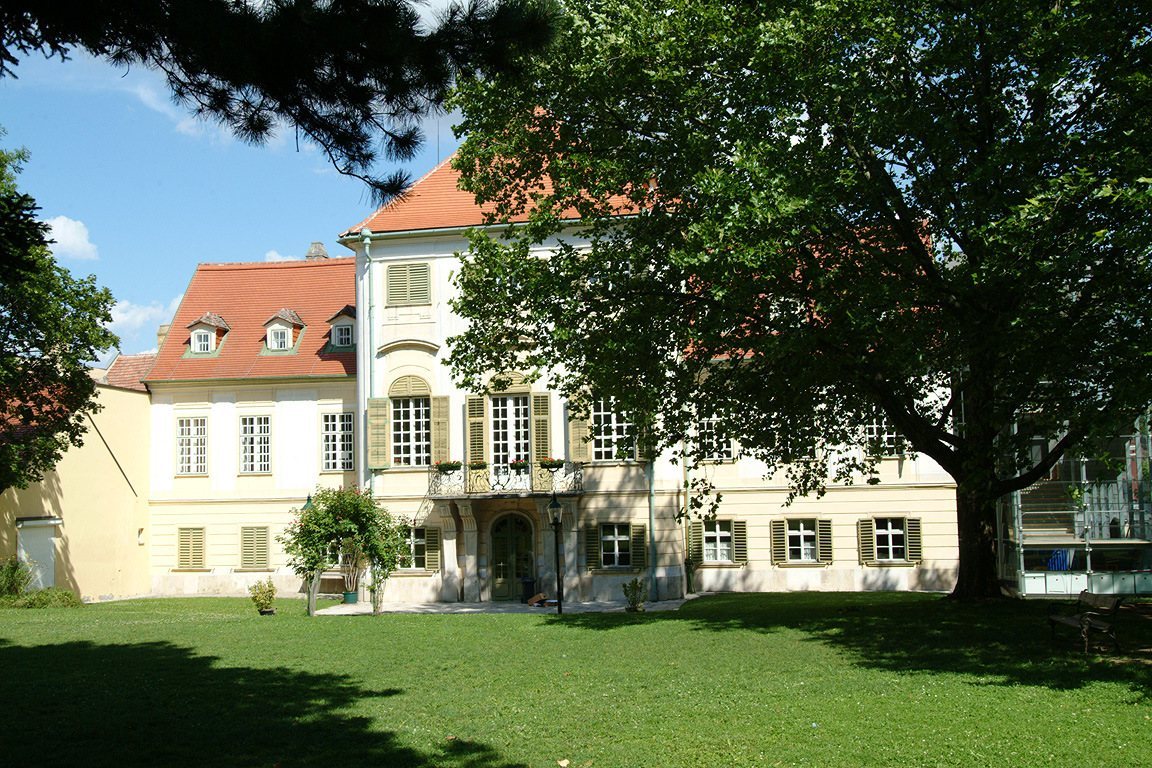
A manor with special legal privileges stood on the site of Schloss Hunyadi, a late-Baroque castle in Maria Enzersdorf, Austria, before Viennese merchant Joseph von Patuzzi commissioned the present castle in 1766. Such privileges could exempt a manor from certain dues or obligations. Earlier known owners included Dr. Sigmund von Oedt and Imperial Councillor Balthasar von Nollarn. In 1766, Empress Maria Theresa, the Habsburg ruler, confirmed the castle’s special manor privileges.
Nineteenth-century owners and the Hunyadi name
The property changed hands several times: Count Johann Josef von Seilern acquired it in 1778, Landgrave Ernst of Hesse-Philippsthal in 1818, Count Carl von Neipperg in 1832, and Count Moritz Almásy in 1837. A landgrave was a high-ranking count with territorial authority in parts of the Holy Roman Empire. From 1876 to 1901, the castle belonged to Alexandrine and Count Koloman Hunyadi, from whom it received its present name. They were popular locally, and Koloman, an imperial chief master of ceremonies responsible for court protocol and formal events, held lavish celebrations there.
Changing uses and municipal ownership
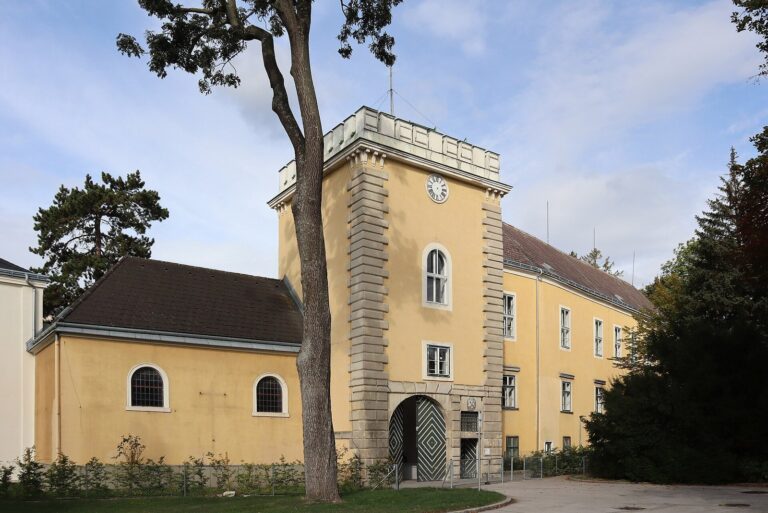
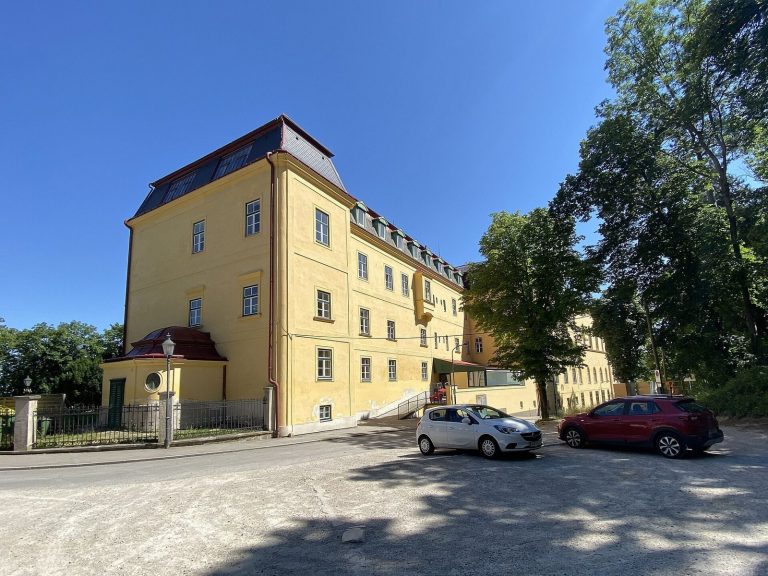
After Koloman’s death in 1901, the property passed to Julie, Countess Boos-Waldeck, who sold it to Adalbert, Baron von Lanna. From 1930 to 1955, a biscuit and pasta factory operated in the former stables, while a guesthouse occupied the side wings. In 1961, the municipality of Maria Enzersdorf, supported by the Lower Austrian water and wastewater utility NÖSIWAG, bought the neglected castle and park to prevent their conversion into a concrete-products works, then opened them to the public. The municipality comprehensively renovated the castle in 2004. The renovated chapel was blessed in 2015. The castle serves as the municipality’s event center, and Hospiz Mödling has offices on its second floor.
Remains
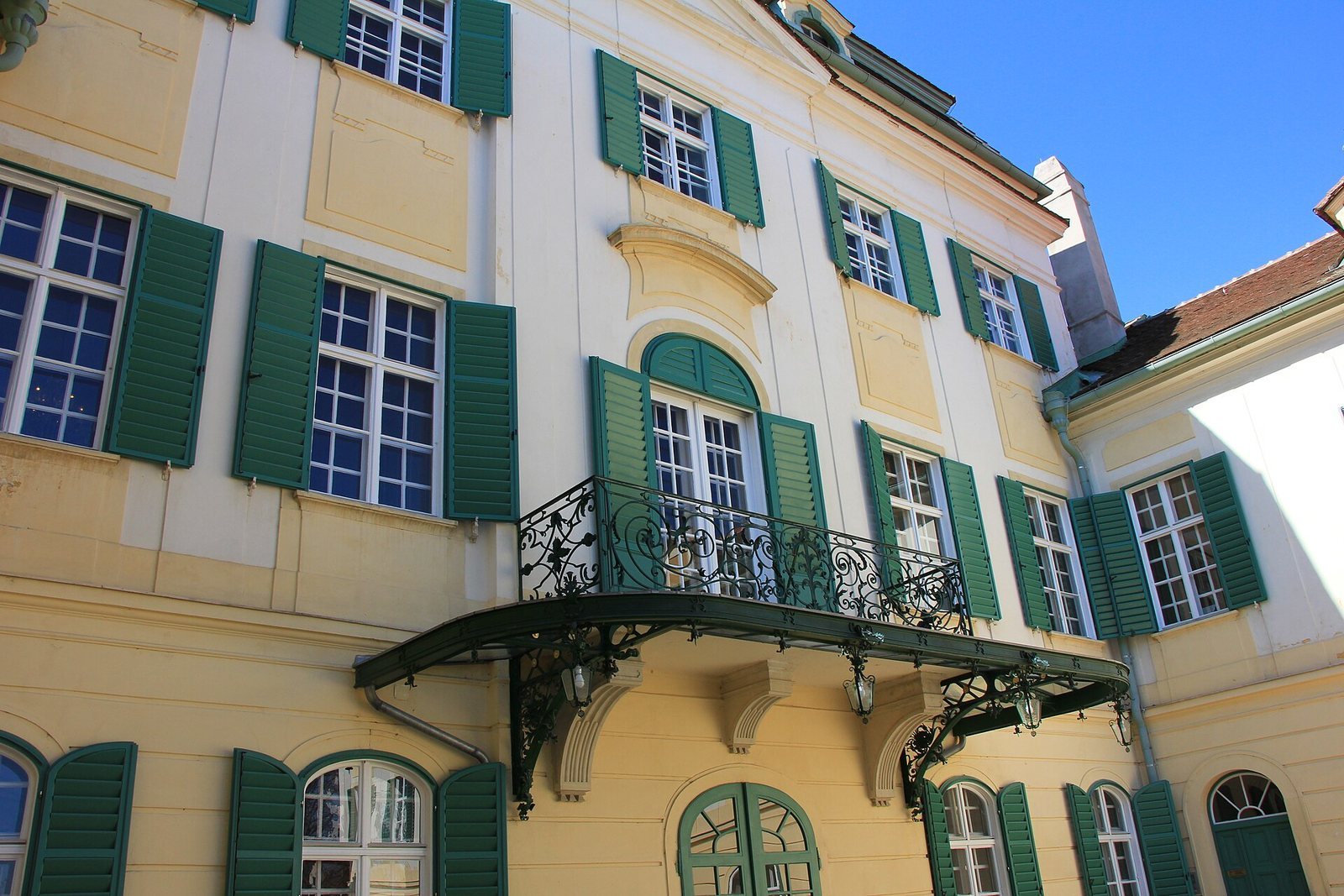
The late-Baroque property includes the castle and park, former stables, side wings, a courtyard, and a southern wing. A chapel is located within the castle and has been renovated. In 2025, work was carried out on the courtyard facade and the facade of the southern wing.