Ancienne Douane in Strasbourg: A Medieval Customs and Market House
Site at a Glance
- Popularity
- Medium
- Country
- France
- Primary era
- Medieval
- Eras represented
- Medieval, Modern
- Civilizations
- French, Holy Roman Empire
- Site type
- Economic
- Remains
- Custom House
On this page7 sections
History
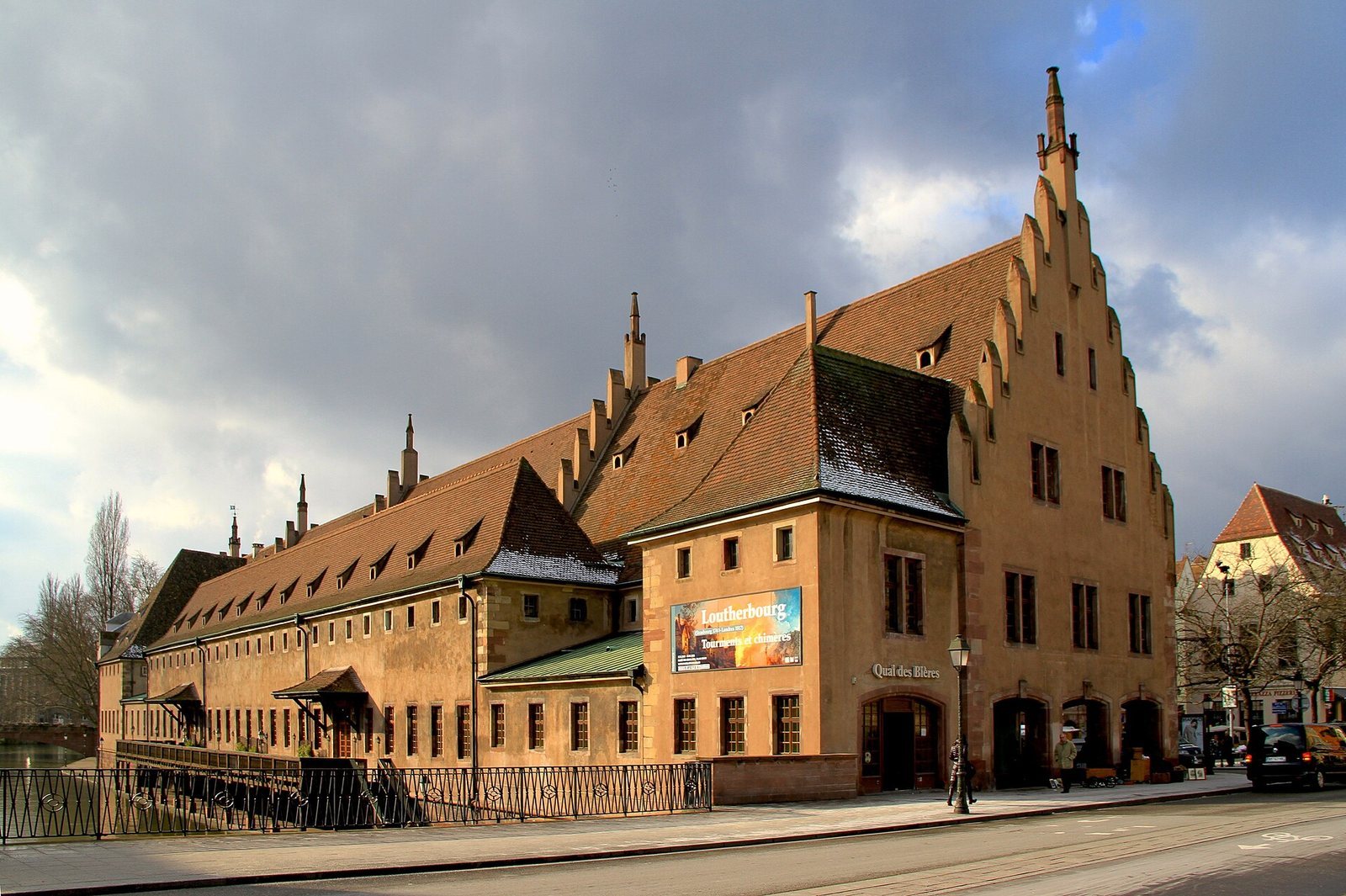
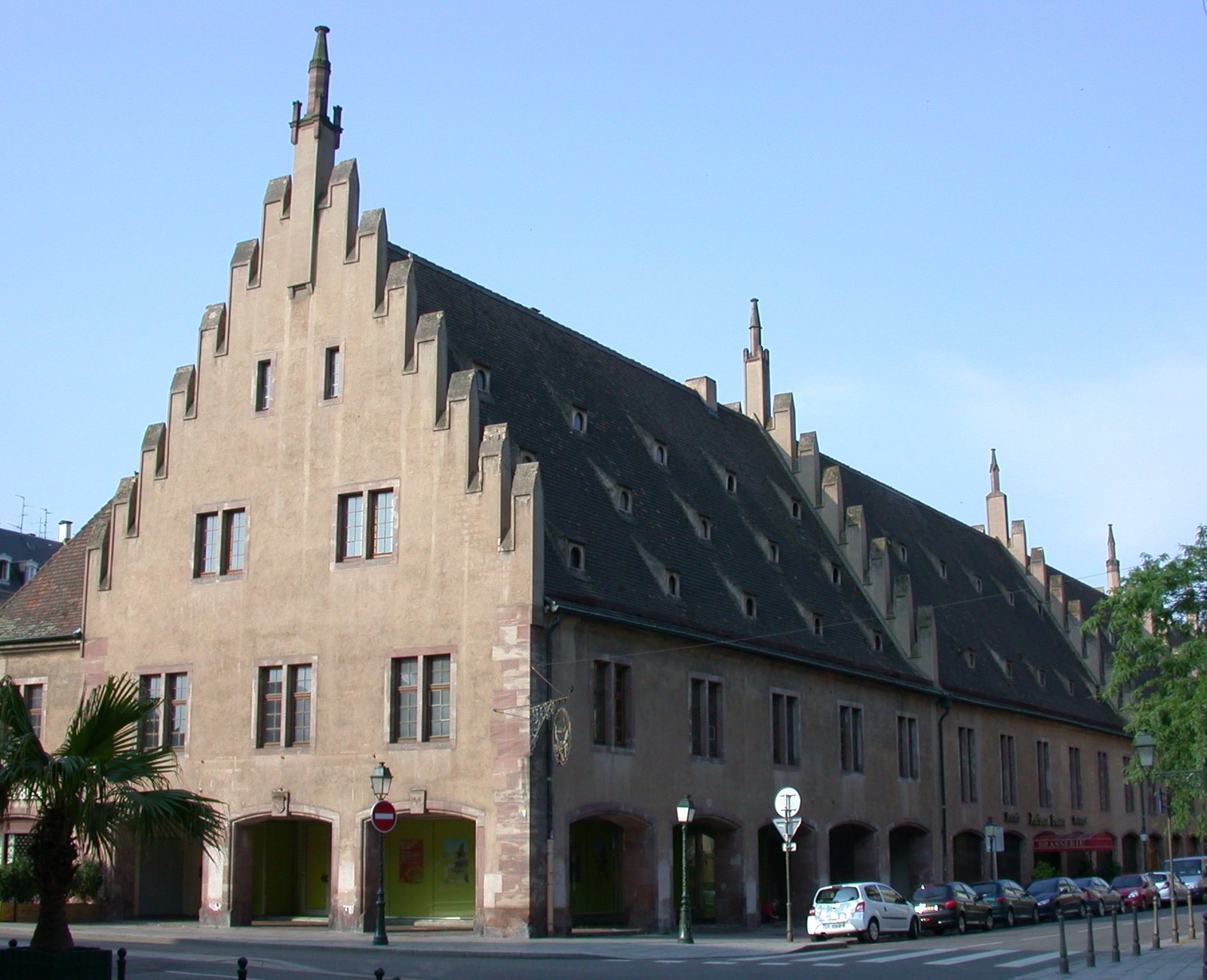
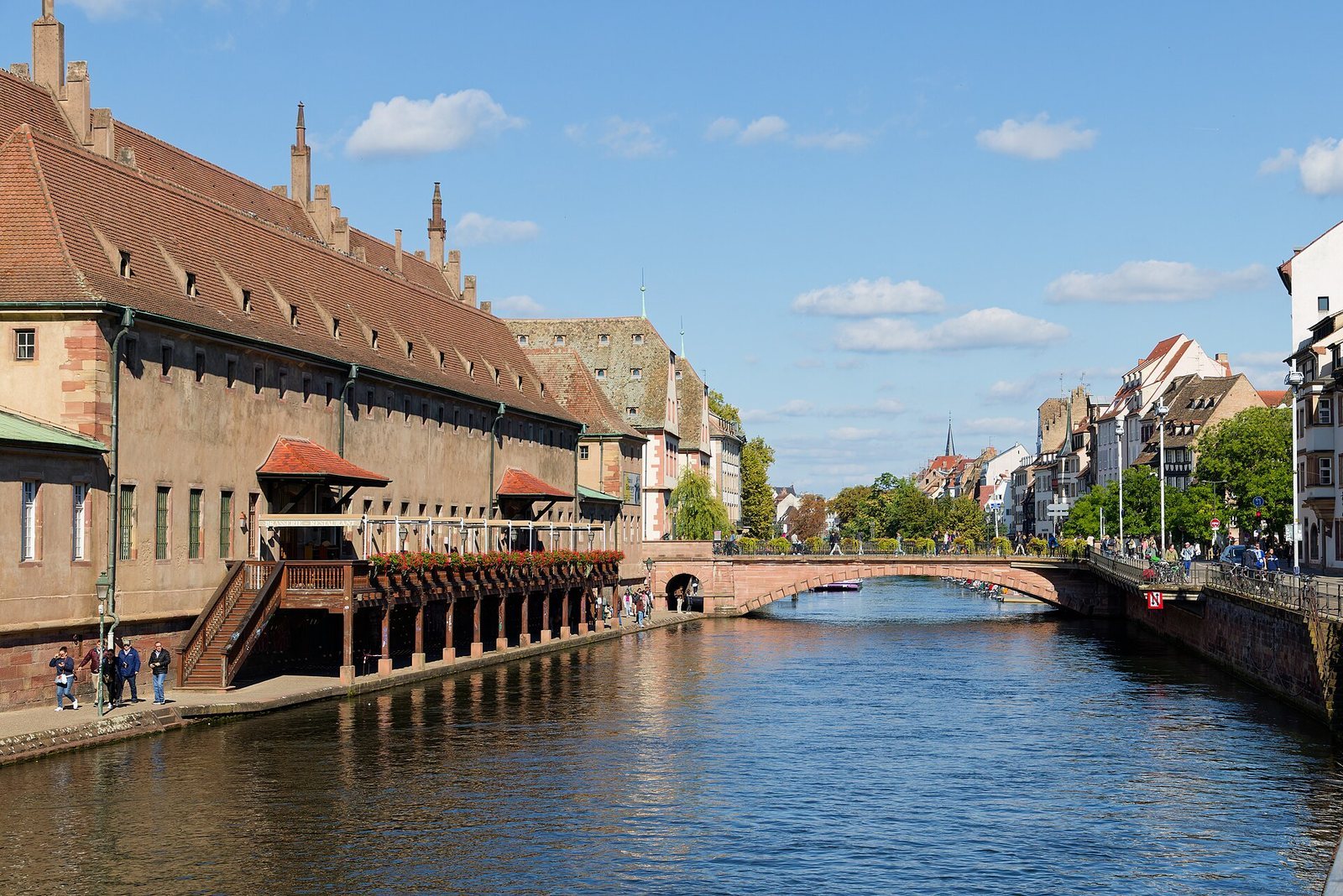
The Ancienne Douane is a Gothic-style former customs and market house on the left bank of the Ill in Strasbourg, France. It was established in 1358 at the initiative of the city’s boatmen’s guild to control, tax, and store goods carried along the Rhine. A manager chosen from among Strasbourg’s established civic population oversaw the commercial house.
Medieval customs house and river trade
The building stood on the Salzhof, or “salt yard,” where salt from the Lorraine saltworks was stored. River commerce helped Strasbourg develop during the Middle Ages. Wine and fish passed through the customs house, and tobacco joined the traded goods from the seventeenth century. The building also accommodated major fairs, provided currency exchange, and was used to mint Strasbourg’s coins.
An enlargement in 1389 extended the building toward Saint-Nicolas Bridge. In 1401, a butcher named Spanbett acquired the ground floor and opened an inn. A fire during the Saint John’s fair in 1497 destroyed the inn; it was rebuilt in 1507 with support from the Oeuvre Notre-Dame, a Strasbourg institution associated with maintaining the cathedral.
Expansion and changing uses
A municipal architect enlarged the building in 1751, and another extension followed in 1781. Its medieval cranes, powered by people walking inside large wheels, had disappeared by the eighteenth century. After the customs office left, the building became known as the Ancienne Douane in 1803. It served as a wine market until 1842, housed a leaf-tobacco store from 1853, and became the city’s fish market in 1897.
Wartime damage and reconstruction
Allied bombing on 11 August 1944 during the Second World War severely damaged the building, leaving its eastern section near Pont du Corbeau almost destroyed. The ruin remained for nearly two decades. Although proposals included a car park and a modern replacement, the city chose reconstruction. From 1962 to 1965, architect Robert Will rebuilt it to the medieval plans in a slightly simplified style. The building has been classified as a French historic monument since 1948.
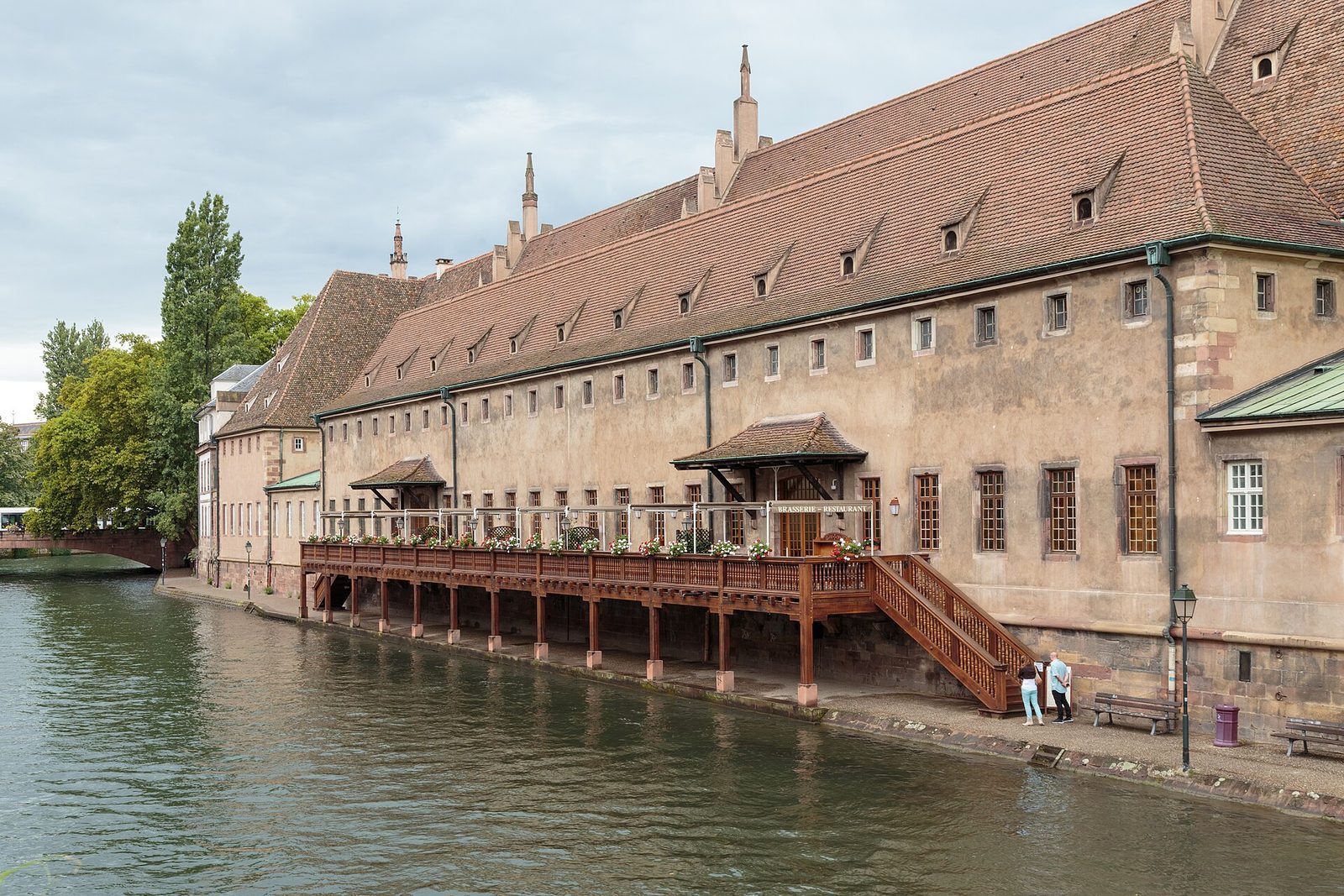
A restaurant began operating in the central section in 1966. The eastern section housed Strasbourg’s Museum of Modern and Contemporary Art until 1998, and a fire damaged the restaurant in 2000. After a beer bar on Rue du Vieux-Marché-aux-Poissons closed at the end of 2012, the city developed La Nouvelle Douane, a shop for locally produced agricultural goods. It occupies 250 square metres and is supplied by 22 local producers.
Remains
Reconstructed building
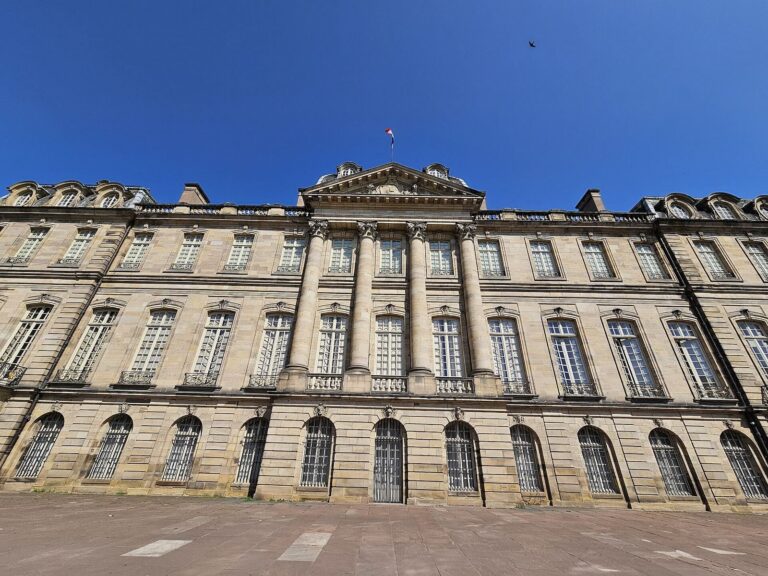
The Ancienne Douane stands on Strasbourg’s Grande Île, the historic island district formed by branches of the Ill, just upstream of Pont du Corbeau. Its present Gothic-style form follows the medieval plan with some simplification. The central section contains the restaurant, while the rebuilt complex also includes a 600-square-metre exhibition hall and a conference hall. A terrace over the water was added during reconstruction and was not part of the original building.
Medieval cranes
The building’s former cranes were operated by workers walking inside large treadwheel cages, which turned the lifting machinery. These medieval installations had been removed by the eighteenth century.