Palazzo Comitini: A Baroque Palace and Government Seat in Palermo
Site at a Glance
- Rating
- 4.5
- Popularity
- High
- Country
- Italy
- Primary era
- Early Modern
- Eras represented
- Early Modern, Modern
- Civilizations
- Italian, Kingdom of Sicily, Spanish
- Site type
- Civic
- Remains
- Palace
On this page10 sections
History
Construction and early use
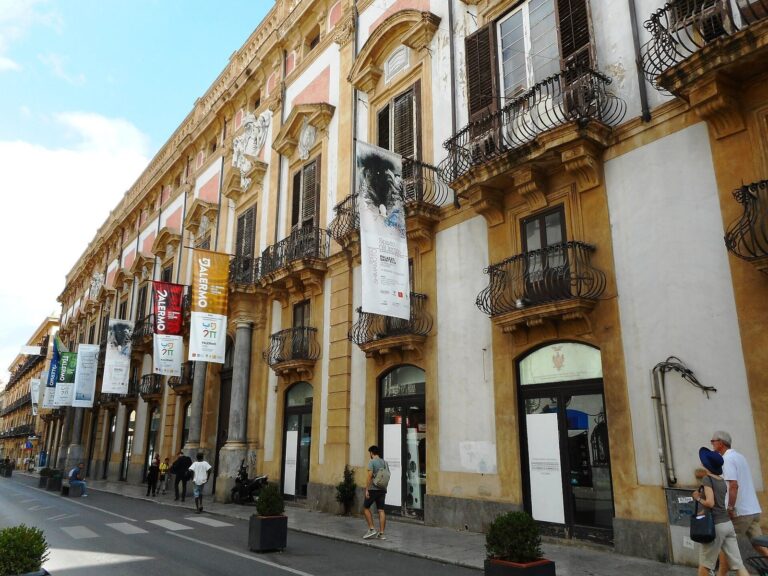
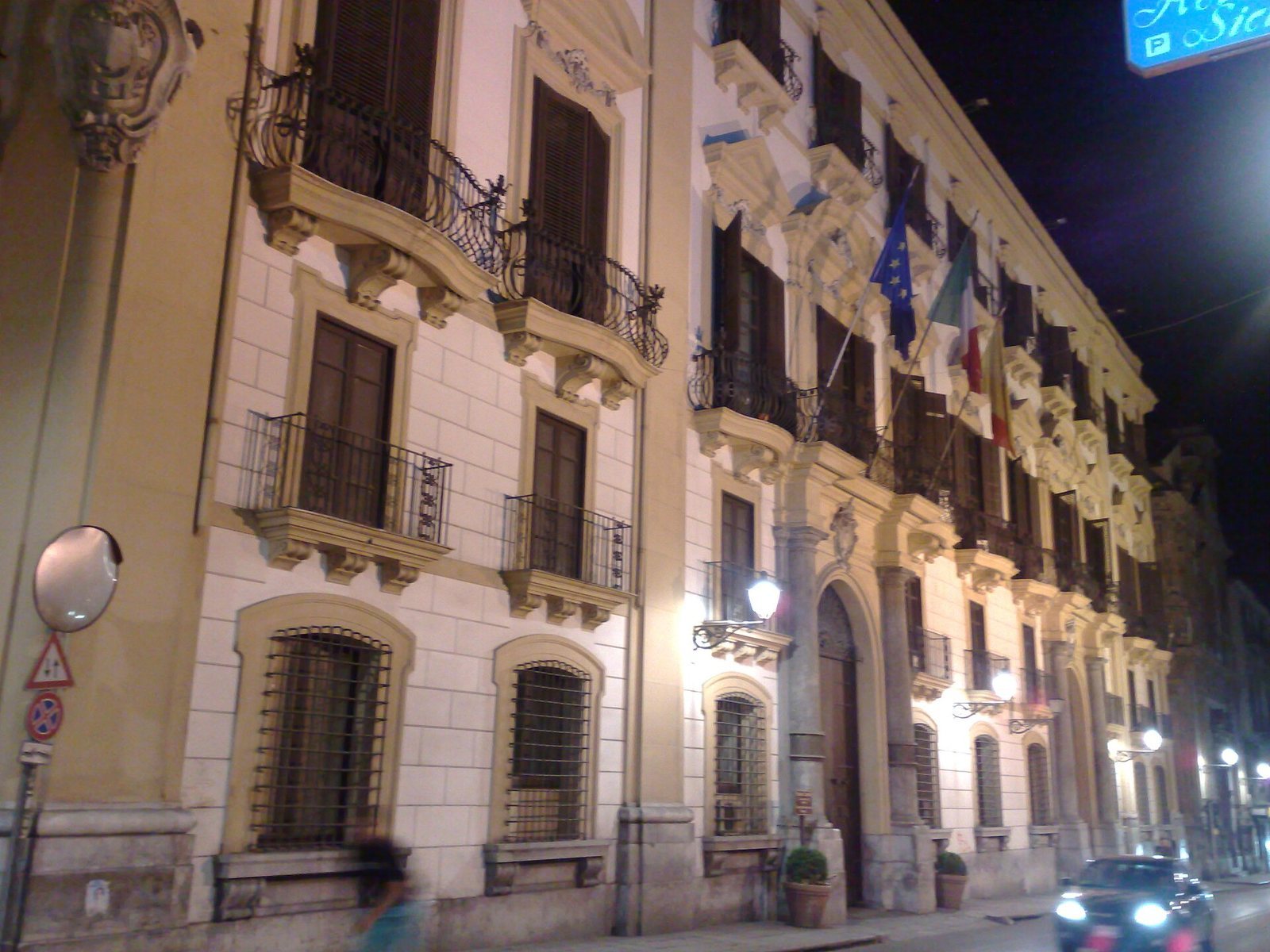
Palazzo Comitini is a Baroque palace on Via Maqueda in Palermo, Italy, built between 1766 and 1781 for Michele Gravina Cruillas, Prince of Comitini. The title was aristocratic and did not necessarily imply sovereign rule.
Alterations and civic use
The palace underwent numerous changes and extensions during the nineteenth and twentieth centuries. A third storey was added in 1931. Palazzo Comitini now serves as the seat of the Metropolitan City of Palermo and the City Council of Palermo.
Remains
Plan and exterior
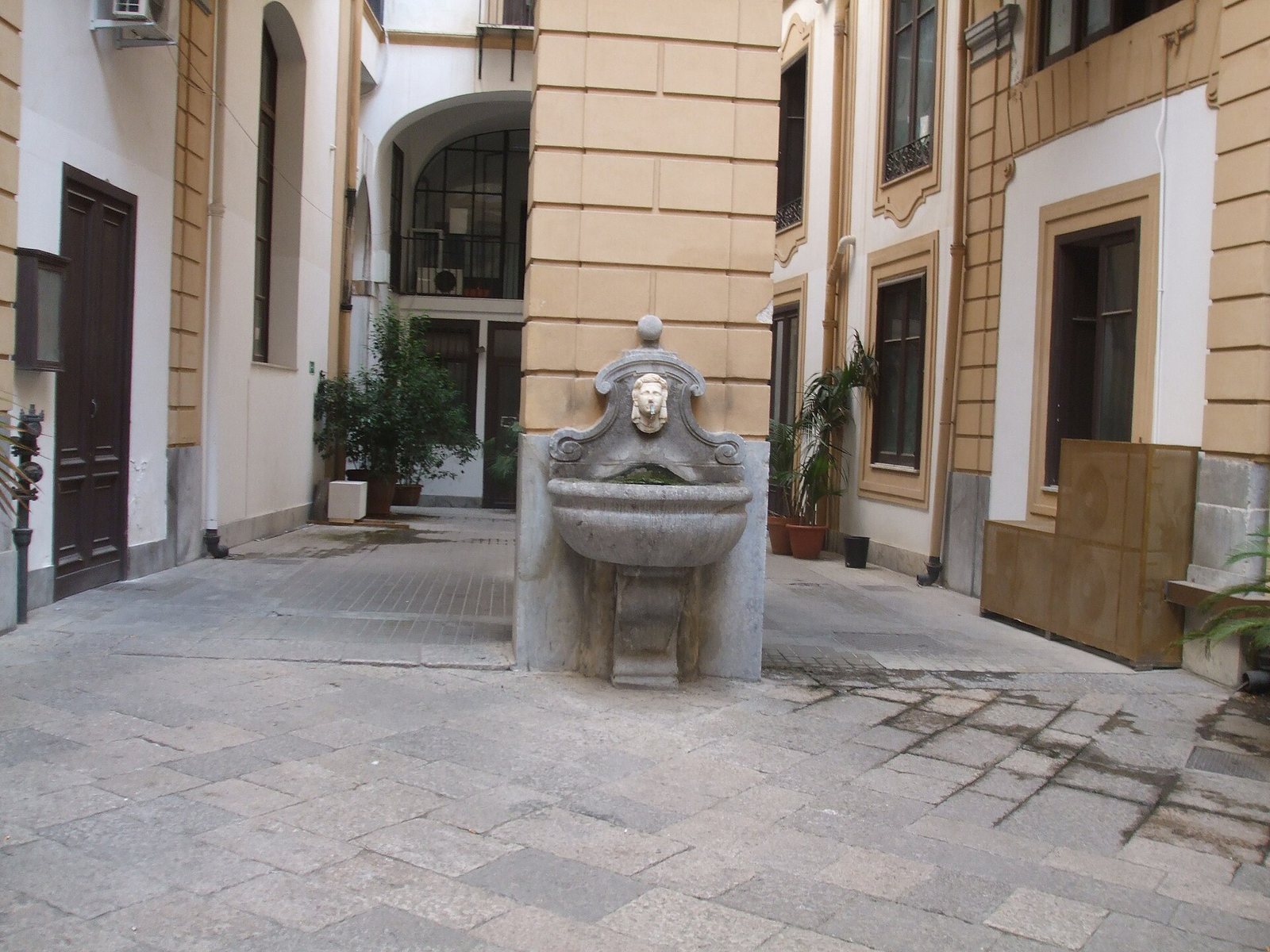
The palace occupies an irregular plot arranged around several courtyards in a quadrilateral plan. Covered passages supported by columns link a sixteenth-century building with the eighteenth-century extension along Via Maqueda. The street façade is symmetrical around two entrances. Two round-arched portals framed by columns divide it into three sections, each with three windows. The windows are topped by triangular or shallow curved pediments and stucco, or plaster, garlands. On the third storey, wrought-iron balconies sit on curved Baroque bases supported by ornamental brackets. The columns beside a portal bear the inscription “Palazzo della Provincia.”
Interior rooms and decoration
Reception rooms and the Green Room
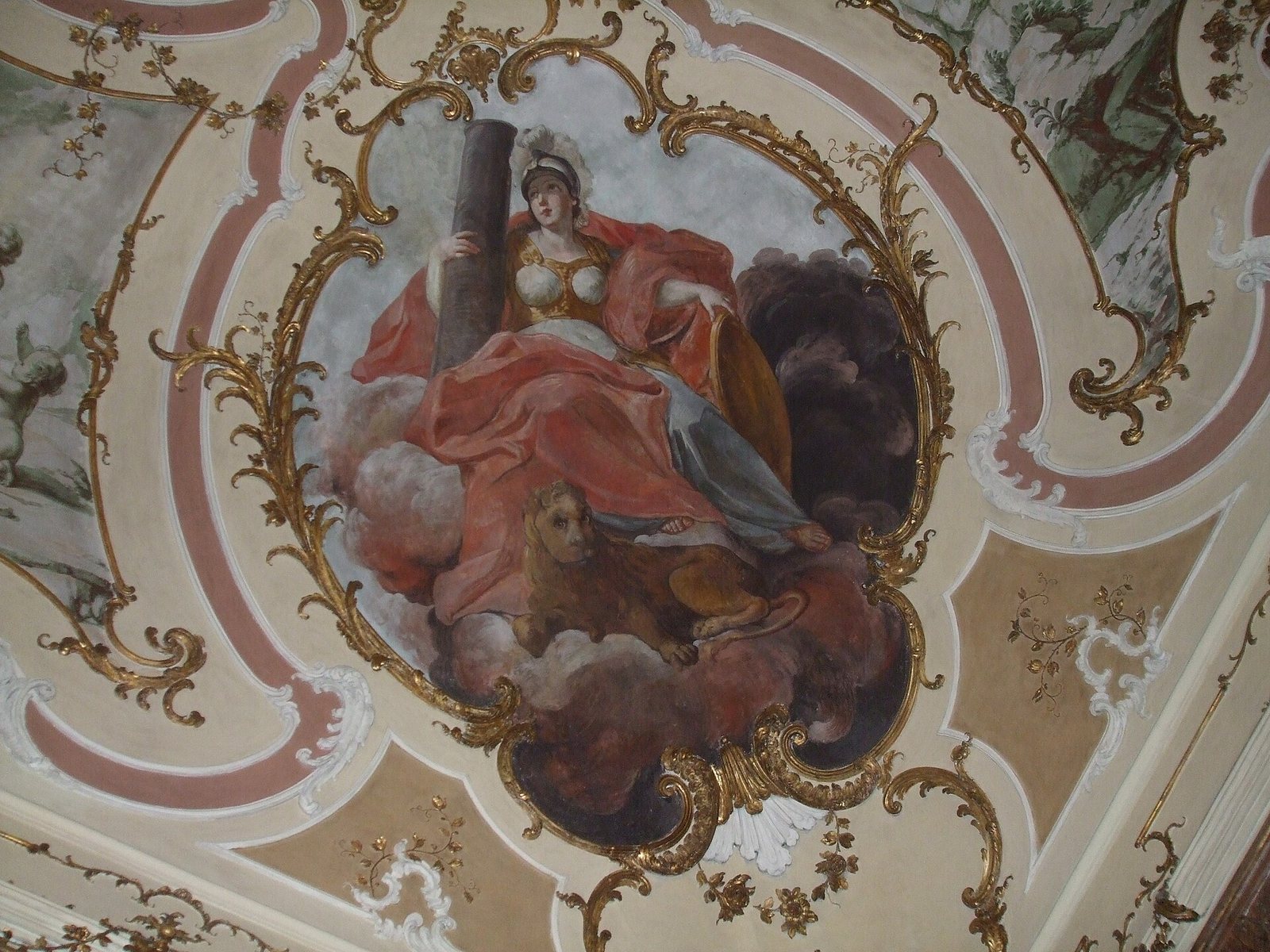
The interiors bring together late-Baroque, Rococo, and Neoclassical decoration, with abundant stucco and frescoed ceilings. The third storey contains reception rooms and ballrooms. The Green Room retains eighteenth-century chandeliers from Murano, an island known for glassmaking.
Martorana Hall
The Martorana Hall takes its name from the eighteenth-century painter Gioacchino Martorana. Its vaulted ceiling carries a fresco dated 1770, described both as “Triumph of True Love” and as “Glory of the Prince.”
Paintings and Chinese-style salons
The Red and Green Rooms contain Renato Guttuso’s paintings Paesaggio and Donne alla Fontana. In the Yellow Room, Arrigo Musti’s large canvas XX: A Century of Passion is displayed. The Chinese-style small salons have wooden wall panels in which porcelain plates were once set; Florio ceramic plates later replaced them.
Floors and the former princely alcove
Elaborate eighteenth-century Neapolitan majolica, a form of decorated glazed earthenware, covers the floor. Small chambers adjoin the former large alcove of the princes, now used as the metropolitan mayor’s room.