Fortress of Loviisa: A Swedish Frontier Fortification in Finland
Site at a Glance
- Popularity
- Medium
- Country
- Finland
- Primary era
- Early Modern
- Eras represented
- Early Modern
- Civilizations
- Swedish
- Site type
- Military
- Remains
- Fort
On this page7 sections
History
The Fortress of Loviisa is a Swedish earthen land fortress in Loviisa, Finland, begun in 1748 to strengthen Sweden’s new eastern frontier.
The War of the Hats and the new border
After its defeat in the Great Northern War (1700–1721), in which Russia was part of the opposing coalition, Sweden sought revenge in the War of the Hats, a Russo-Swedish conflict fought from 1741 to 1743. Swedish troops, poorly equipped, trained, and commanded, retreated across Finland. Russian forces occupied eastern Finland in the period known as the Lesser Wrath.
The 1743 Treaty of Turku shifted the Swedish-Russian border from the western branch of the Kymijoki River to Lake Saimaa. Sweden lost Hamina, Lappeenranta, and Savonlinna, as well as the fortresses of Hamina and Lappeenranta and Olavinlinna. The new frontier was left without adequate defenses.
Degerby and the fortress plan
Degerby was founded in 1745 as a market town intended to revive trade in eastern Finland. It was renamed Loviisa in 1752 in honor of Queen Loviisa Ulriika of Sweden.
In 1746–1747, Swedish military officer and architect Augustin Ehrensvärd proposed four Finnish fortifications to the Swedish Diet, Sweden’s national assembly: Loviisa, Svartholm, a principal fortress at Helsinki, and Viapori, also known as Sveaborg. The Diet approved the plan, and King Frederick I gave final approval. Ehrensvärd became chief architect and director of construction. Work on the Fortress of Loviisa began in 1748.
The fortress is state-owned and recognized in Finland as a built cultural environment of national significance.
Remains
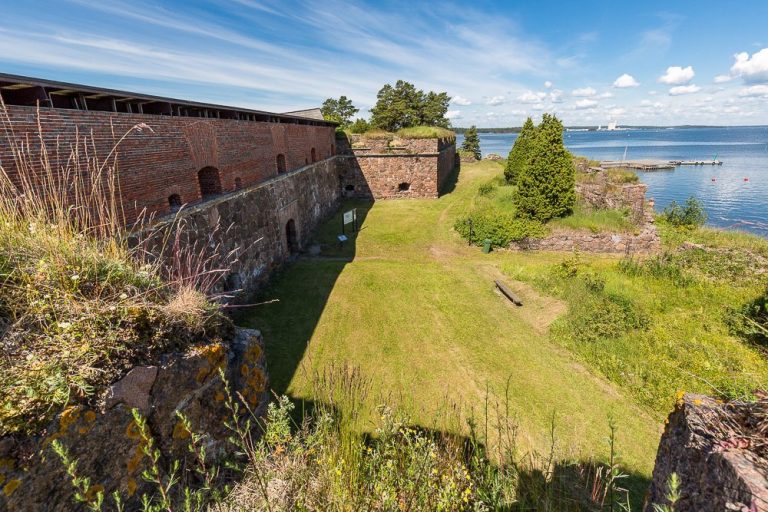
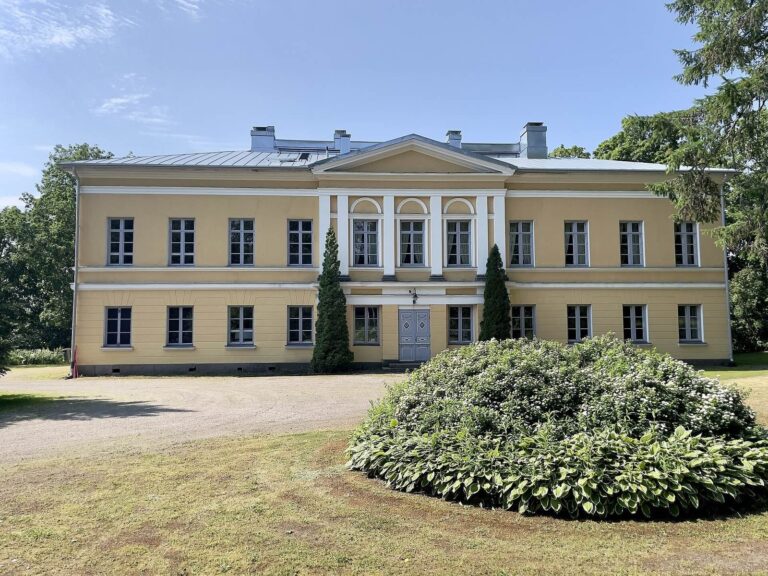
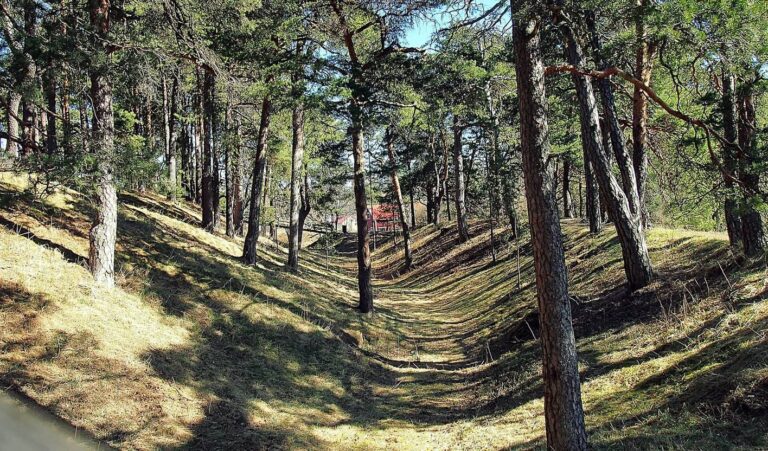
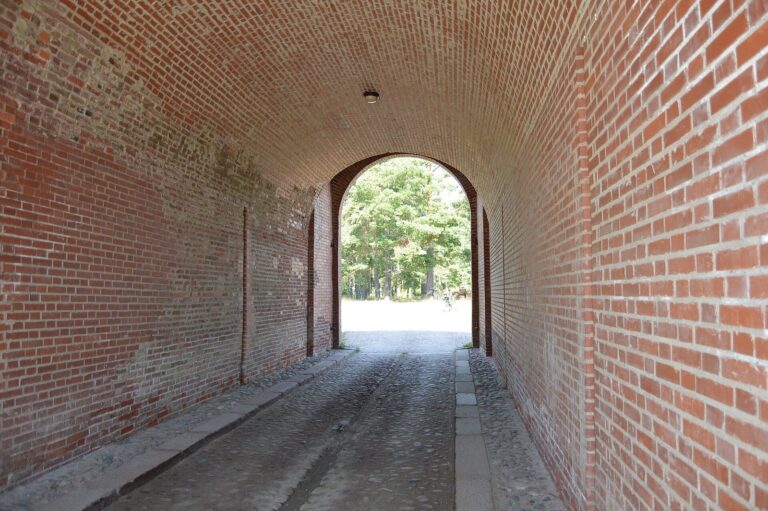
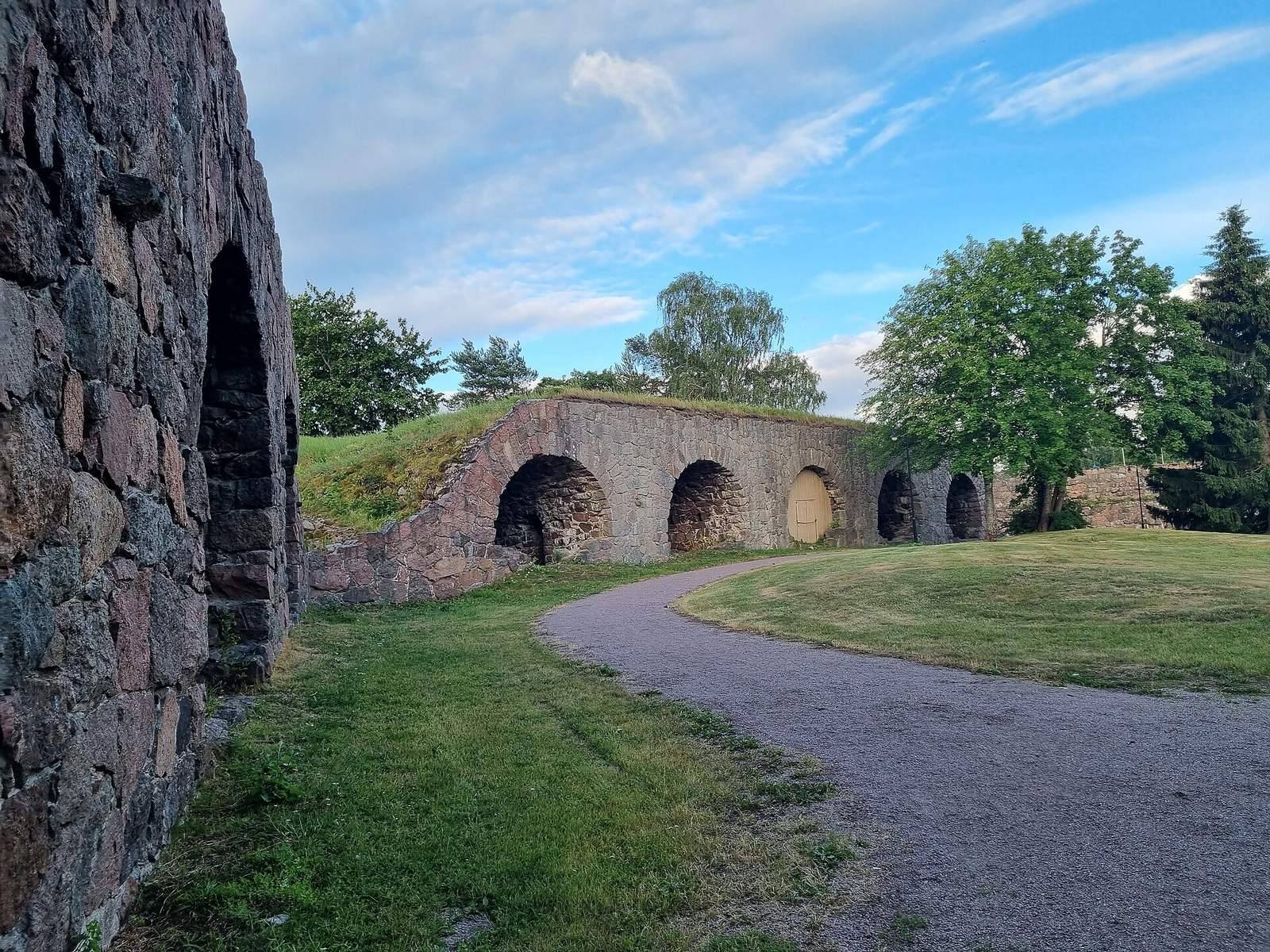
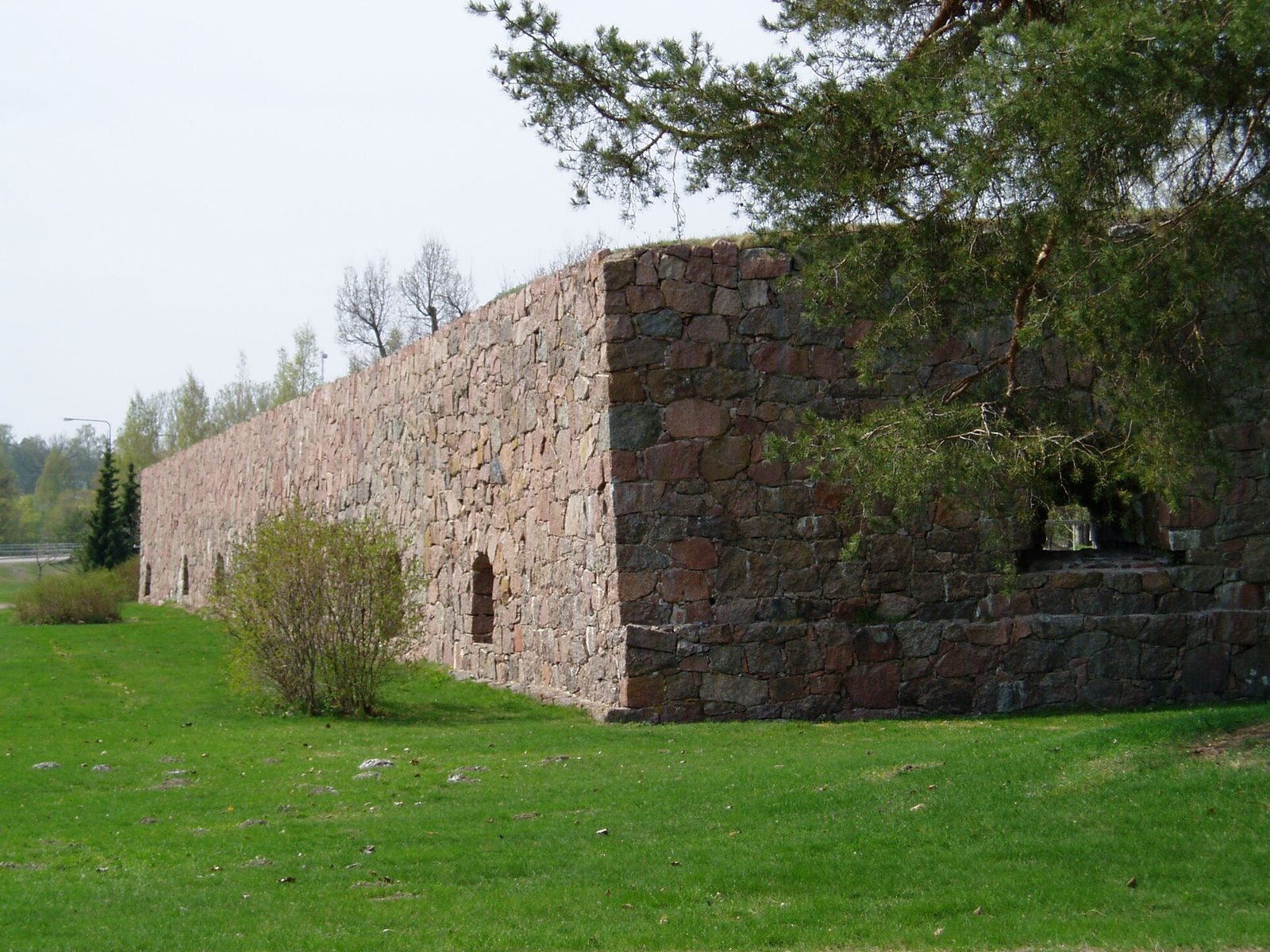
The Fortress of Loviisa is an earthen land fortification. Its named features include the Rosen and Ungern bastions, outer walls, an entrance gate, a commandant’s house, and barracks.
Fortification works and buildings
Bastions and outer walls
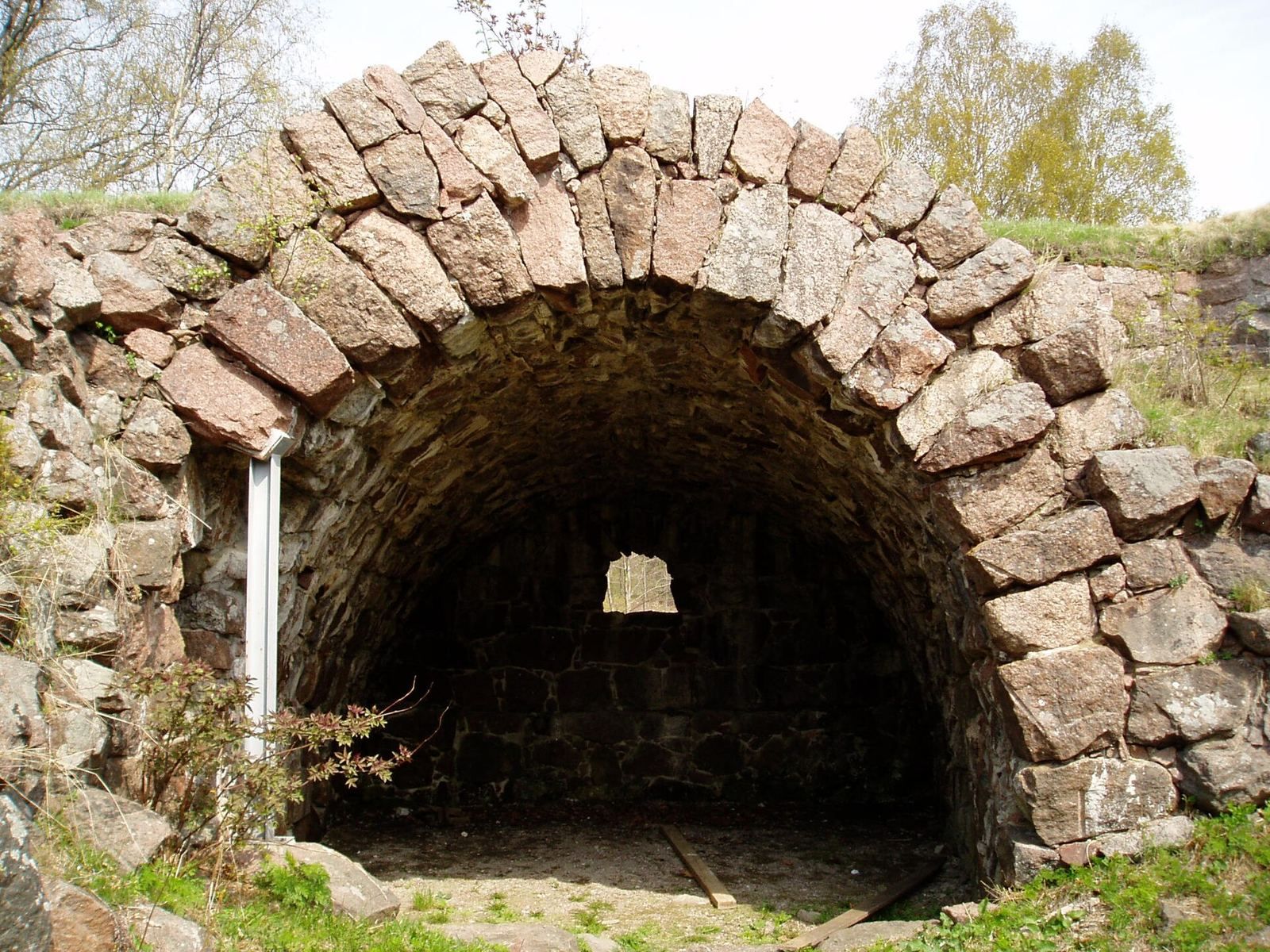
The Rosen and Ungern bastions are projecting defensive works, with 22 open casemates between them. Casemates are protected chambers or positions within a fortification, often used by troops or artillery. Small firing openings are set into the outer walls.
Gate and interior buildings
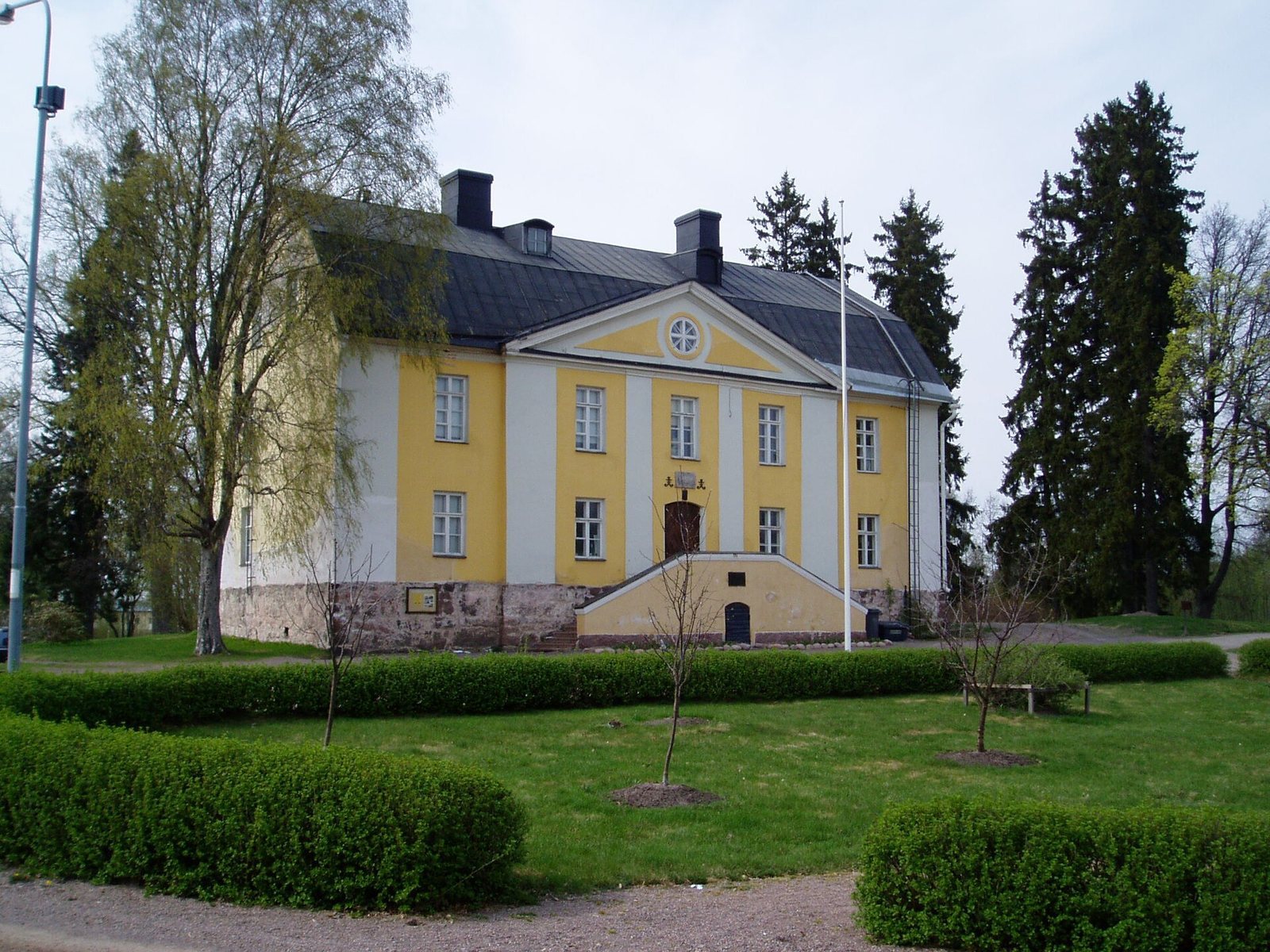
The fortress also has an entrance gate, a commandant’s house, and barracks.