Fort Grange: A Palmerston Fort in Gosport
Site at a Glance
- Rating
- 3.7
- Popularity
- Very Low
- Country
- United Kingdom
- Primary era
- Modern
- Eras represented
- Modern
- Civilizations
- British
- Site type
- Military
- Remains
- Fort
On this page5 sections
History
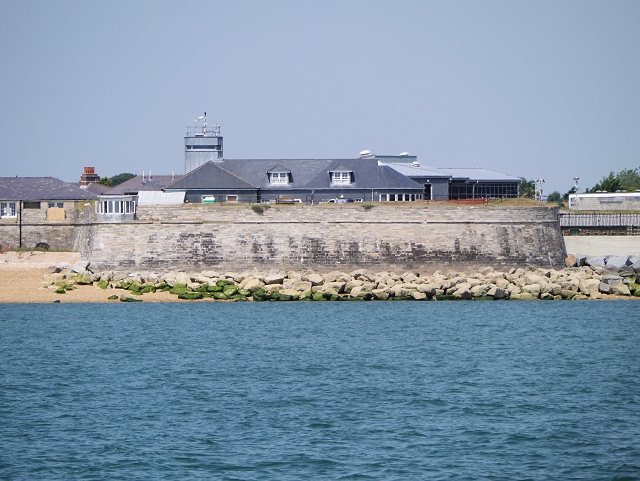
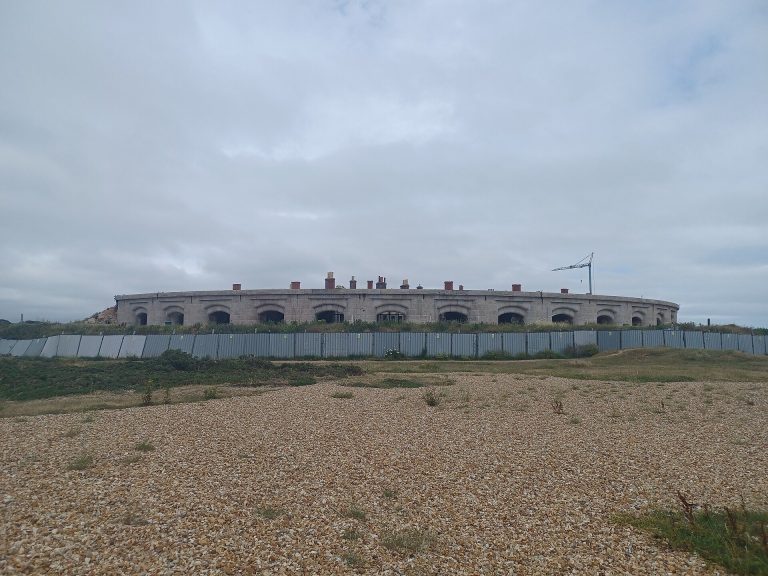
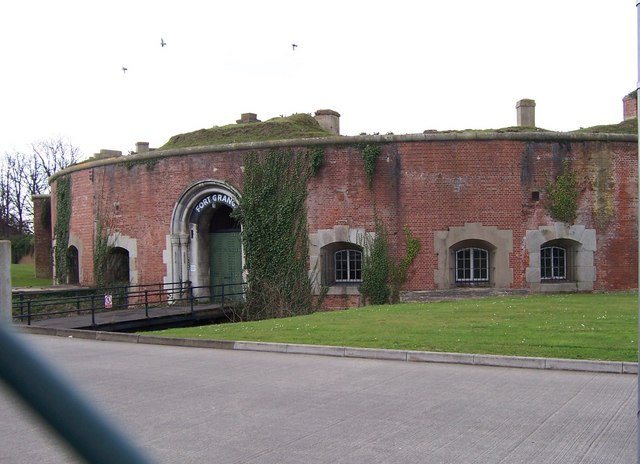
Fort Grange is a British coastal fort in Gosport, England, in the United Kingdom. Built between 1858 and 1863, it is a Palmerston fort, a nineteenth-century British fortification associated with coastal-defence schemes under Lord Palmerston’s government. It formed part of Gosport’s outer defensive line.
Completing Gosport’s Outer Line
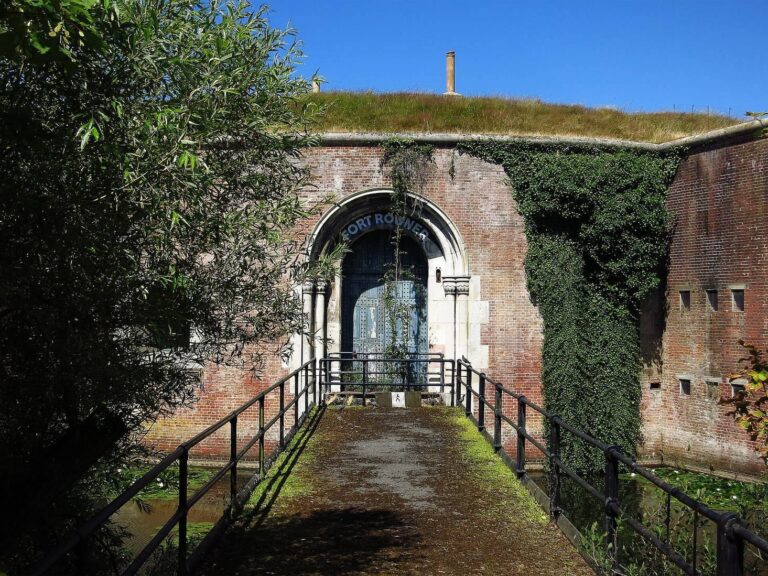
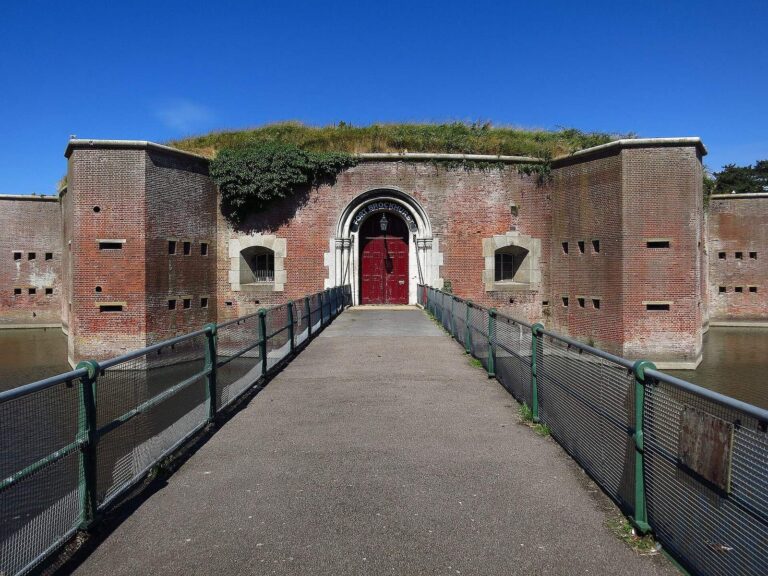
After Forts Gomer and Elson were approved in 1852, plans called for three more forts to cover the gap between them. Fort Grange was the southernmost of the three. The outer line also included Forts Brockhurst, Elson and Rowner to the northeast, and Fort Gomer to the southwest.
Military and Aviation Roles
From 1910, the fort served as a military headquarters. In 1914, the Royal Garrison Artillery, the British Army branch responsible for heavy and siege guns, based its 23 (Siege) Company there. The company was used to form No. 3 and No. 4 Siege Batteries, artillery units organized for siege operations.
In 1916, a 1-pounder heavy anti-aircraft gun was mounted at the fort on a travelling carriage. The following year, Fort Grange Aerodrome became the home of Robert Smith-Barry’s School of Special Flying. Smith-Barry was a British military aviator and flying instructor.
Dereliction and Continued Use
Fort Grange was derelict by 1983 and received Grade II listed status on 20 April that year. In England, this designation recognizes a building’s special architectural or historic interest and provides legal protection. Since 1984, the fort has been home to the HMS Sultan Royal Naval Volunteer Cadet Corps, a youth organization offering naval-oriented cadet training. It continues to serve this purpose and is owned by the Ministry of Defence.
Remains
Fort Grange retains its main structure and many details, although its defensive earthworks have been substantially reduced and much of the moat has been filled in. Designed by William Crossman, a British military engineer and architect, the fort’s design is virtually identical to those of Forts Brockhurst and Rowner.