Palau Moja: A Neoclassical Palace in Barcelona
Site at a Glance
- Rating
- 4.4
- Popularity
- High
- Country
- Spain
- Primary era
- Early Modern
- Eras represented
- Early Modern, Modern
- Civilizations
- Spanish
- Site type
- Domestic
- Remains
- Elite Residence
On this page4 sections
History
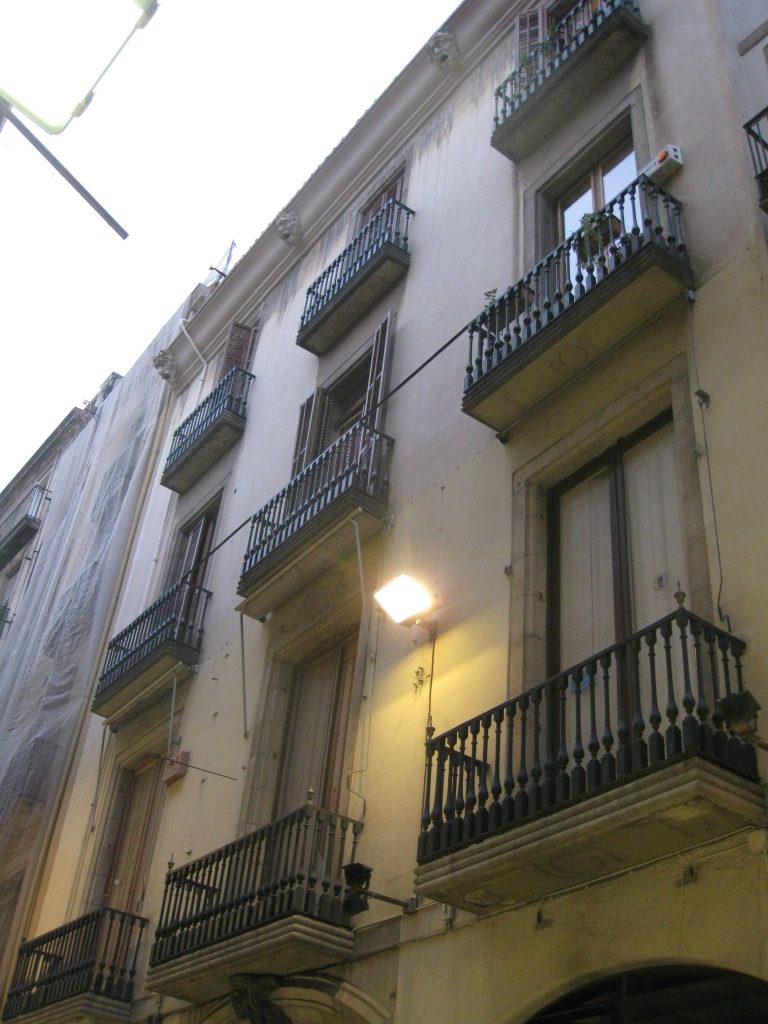
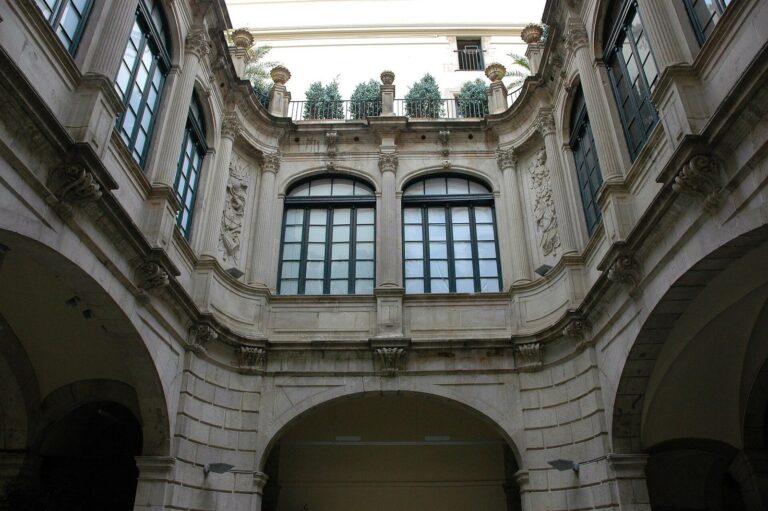
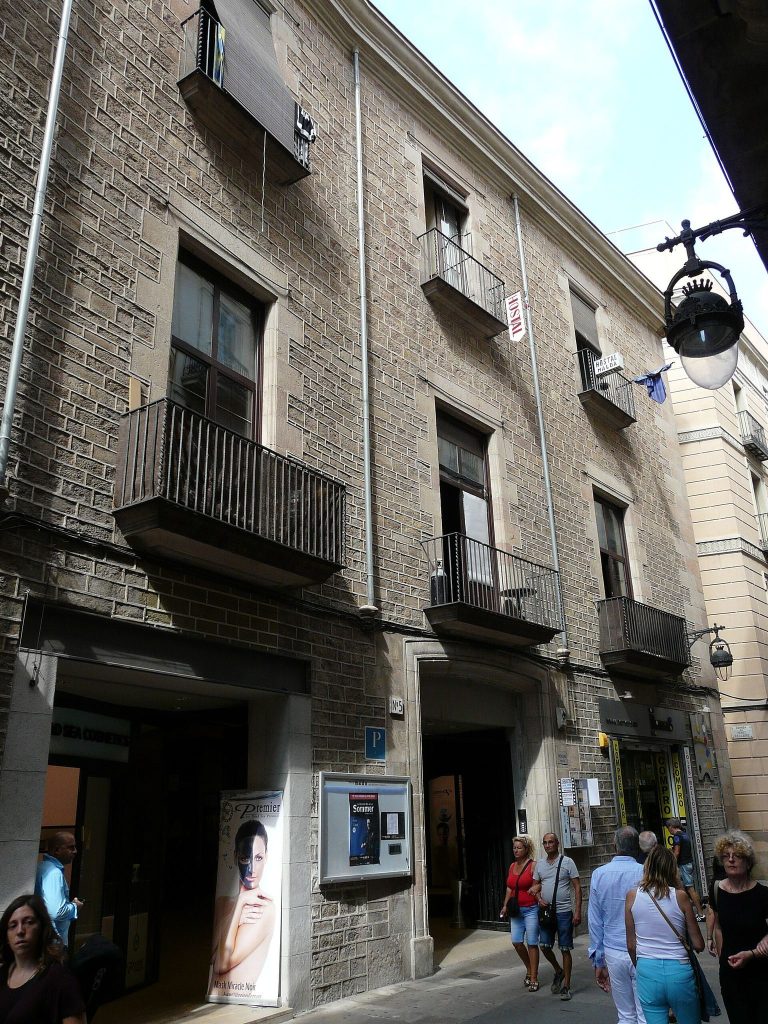
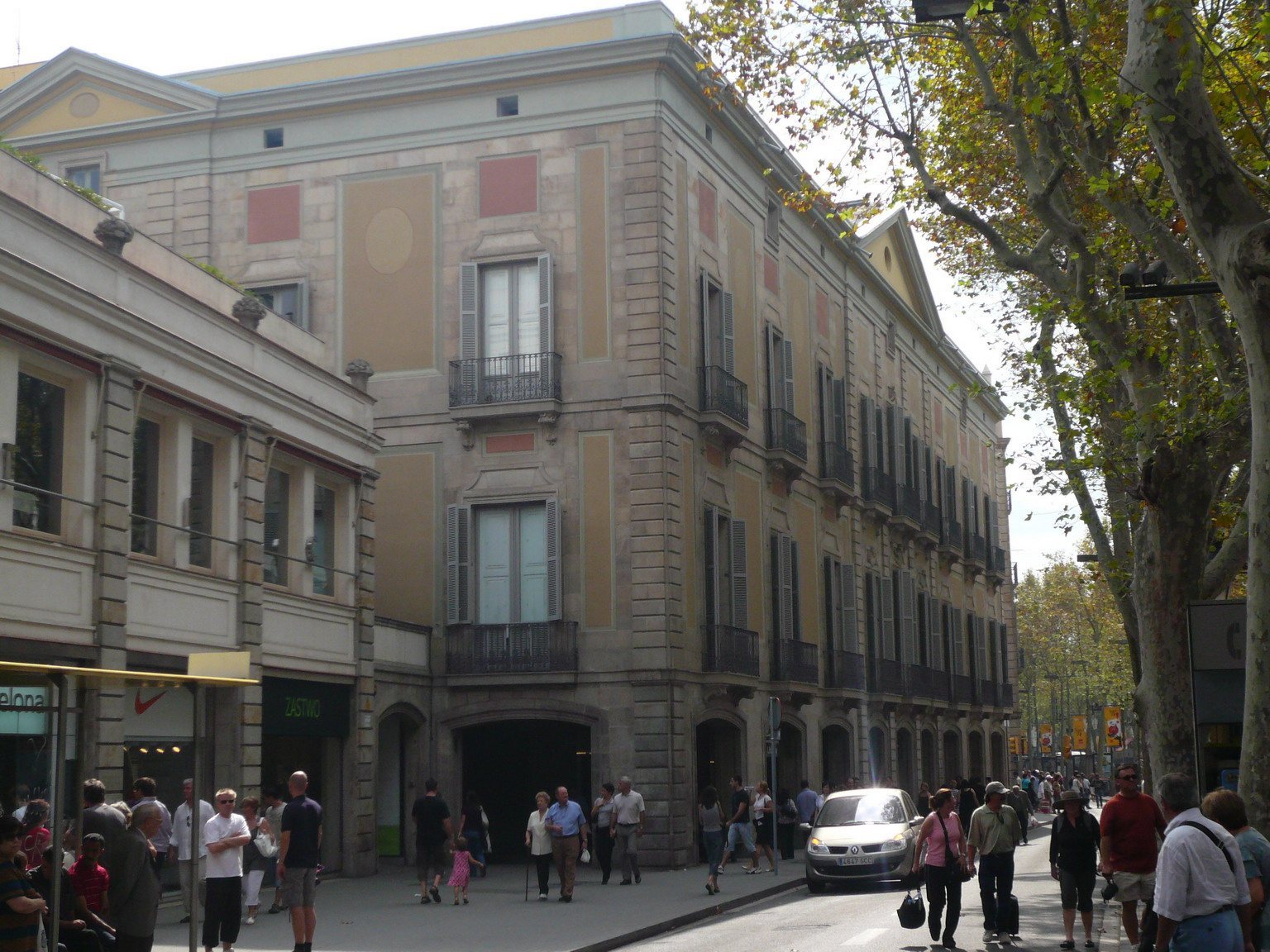
Palau Moja is a neoclassical aristocratic residence in Barcelona, Spain, built by the Marquis of Moja and his wife, María Luisa de Copons. Architect José Mas Dordal designed the palace, with construction beginning in 1774 and ending with its inauguration in 1784. Neoclassical architecture drew on Greek and Roman forms and spread across Europe from the eighteenth century onward.
Ownership and Occupants
The palace was extended in 1856. After Josefa de Sariere y de Copons died without children in 1865, businessman and banker Antonio López y López bought it that year. López, the first Marquis of Comillas, moved into the palace from 1875. It was renovated in 1871. The Catalan poet Jacinto Verdaguer also lived there as a protégé of the Marquis and chaplain to his family.
Reconstruction and Public Use
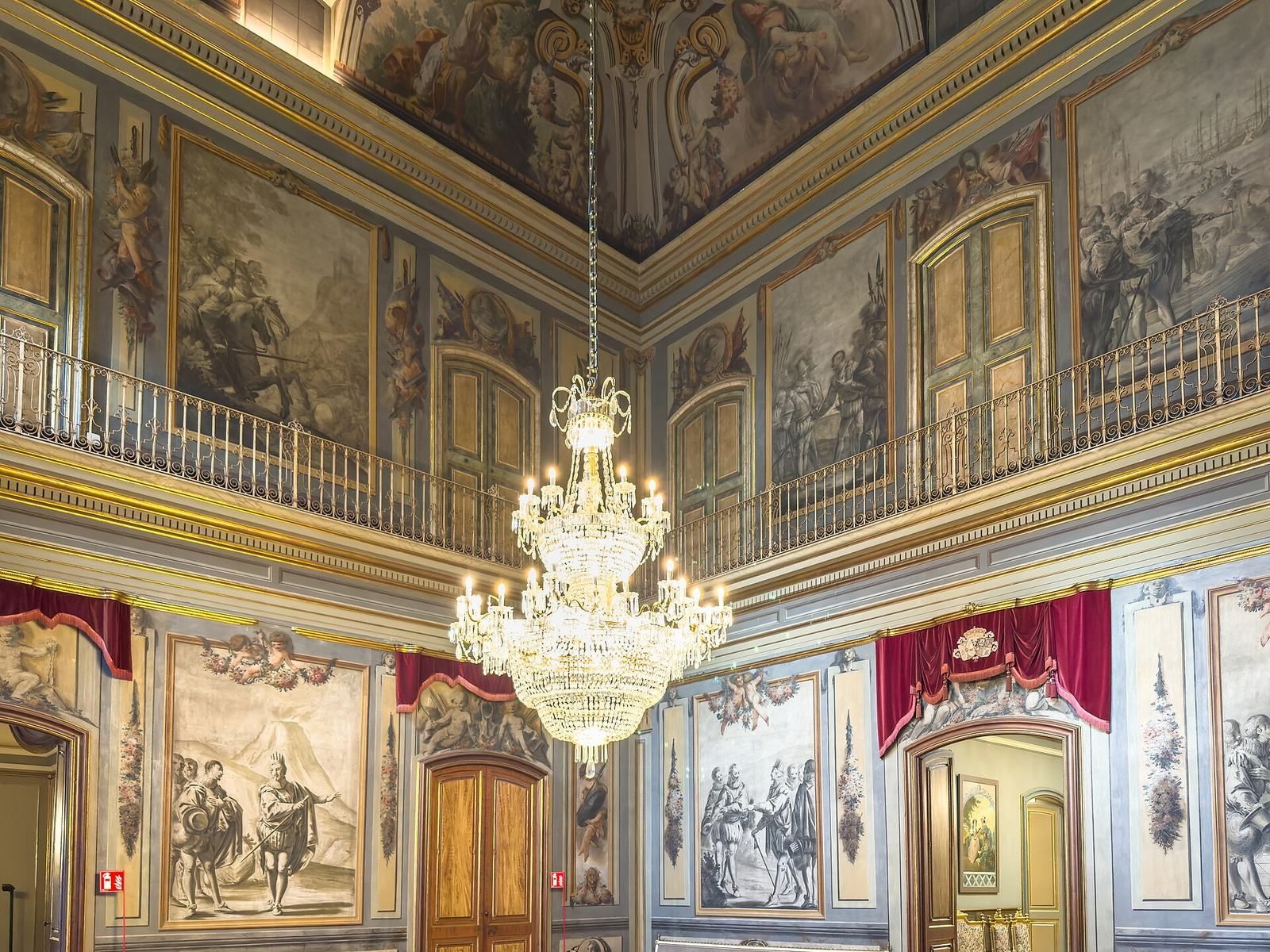
The palace was reconstructed in 1982. It is owned by the Generalitat of Catalonia, the region’s government, and serves as the headquarters of the Directorate General of Cultural Heritage, a government heritage body, and the Board of Museums of Catalonia, a public museum-sector institution. It received Spain’s Asset of Cultural Interest designation on 13 February 1969 and is also a Cultural Asset of National Interest in Catalonia.
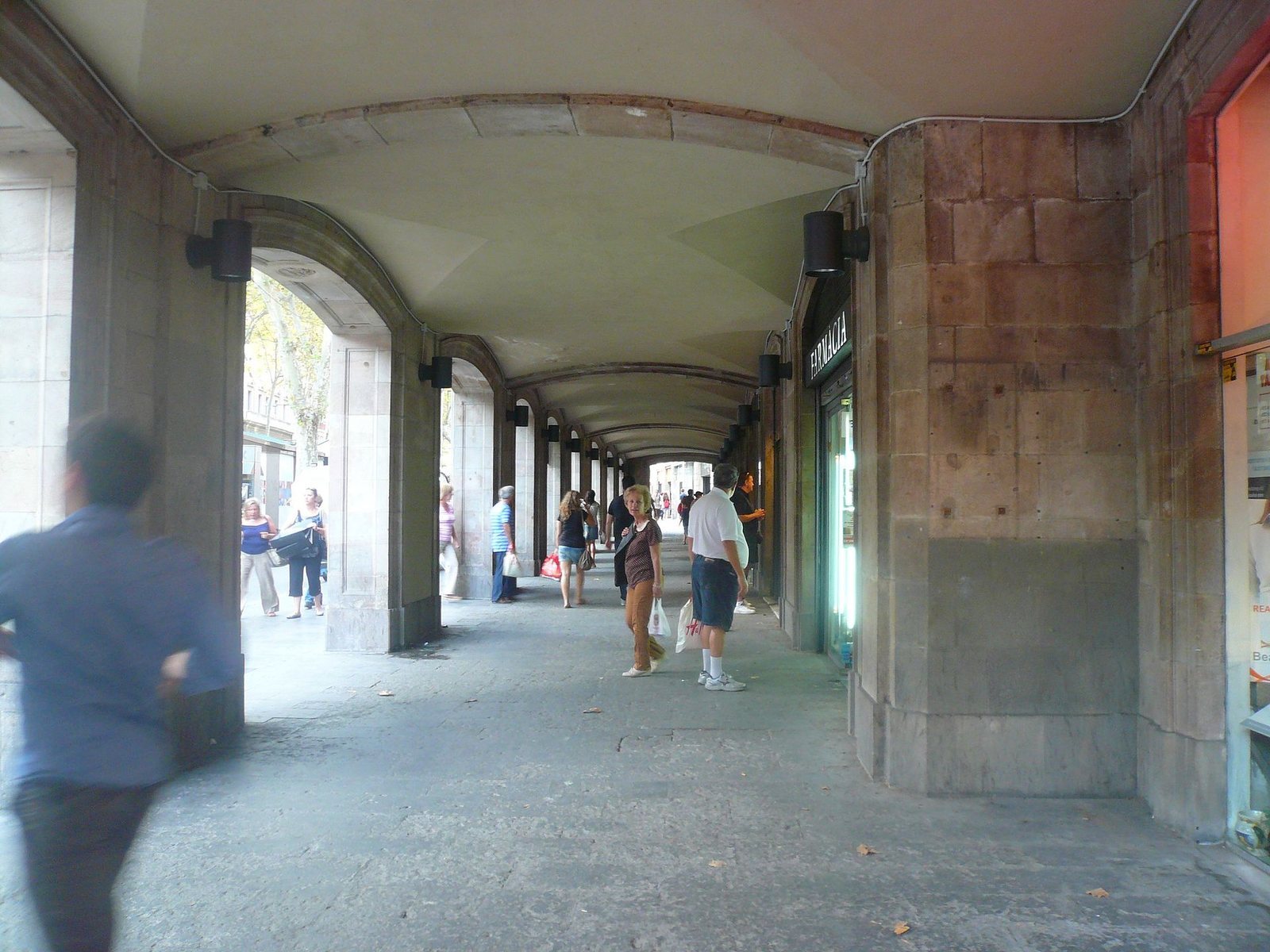
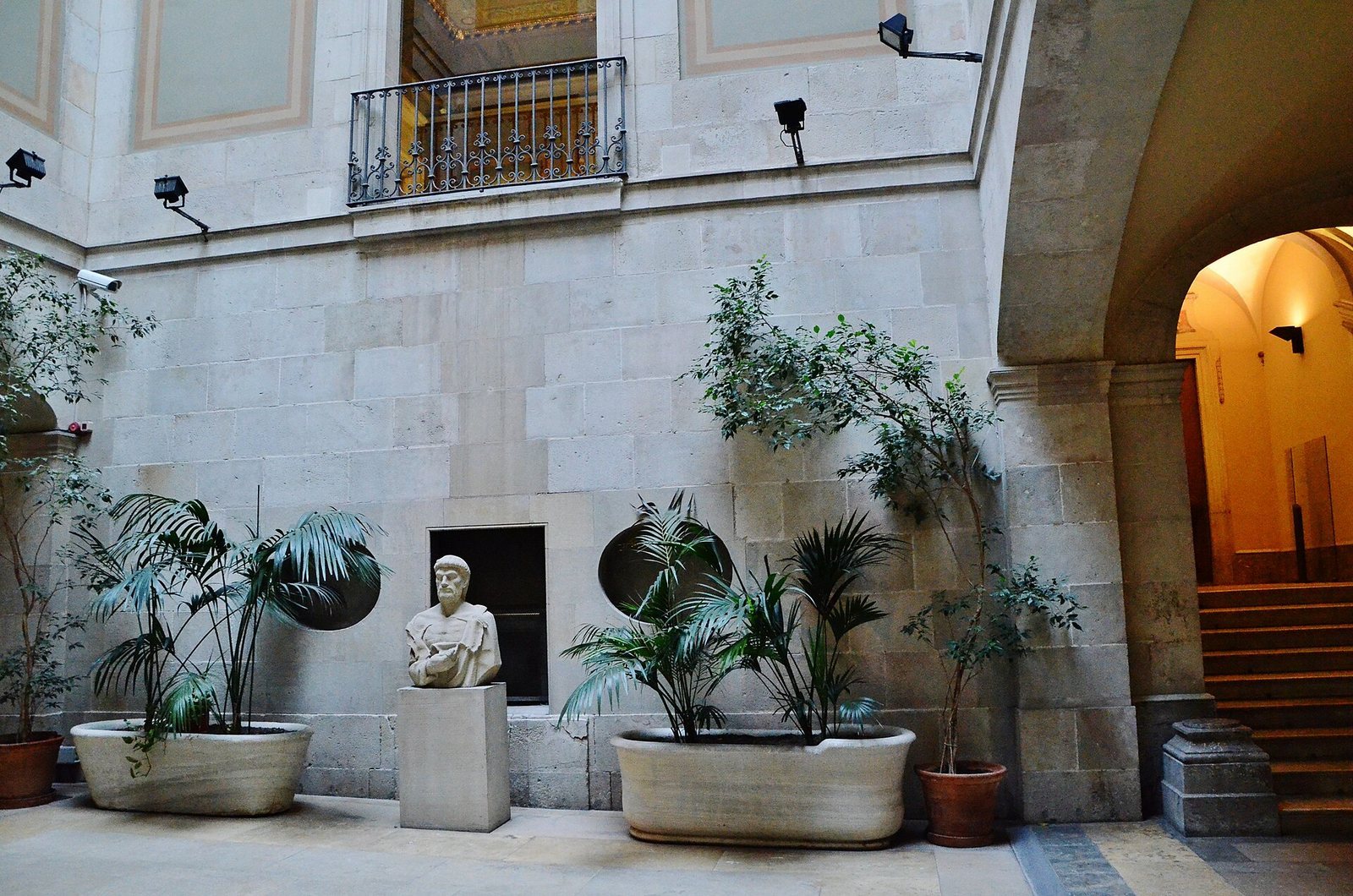
Remains
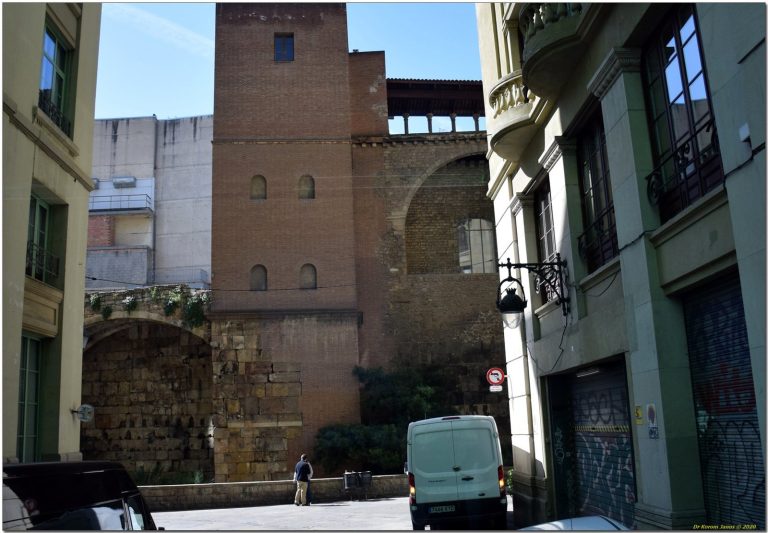
Palau Moja is a neoclassical palace built with Montjuïc stone, a local building stone from Montjuïc hill. It stands on the site of one of the towers of Portaferrissa Gate, which formed part of Barcelona’s former medieval wall. The ground floor contains a Generalitat bookstore and the Max Cahner Exhibition Hall, named for a Catalan publisher, scholar, and politician.