Nemerlaer Castle: A 14th-Century Castle in Haaren
Site at a Glance
- Rating
- 4.2
- Popularity
- High
- Country
- Netherlands
- Primary era
- Medieval
- Eras represented
- Medieval, Modern
- Civilizations
- Duchy of Brabant, Dutch, Holy Roman Empire
- Site type
- Domestic
- Remains
- Castle
On this page5 sections
History
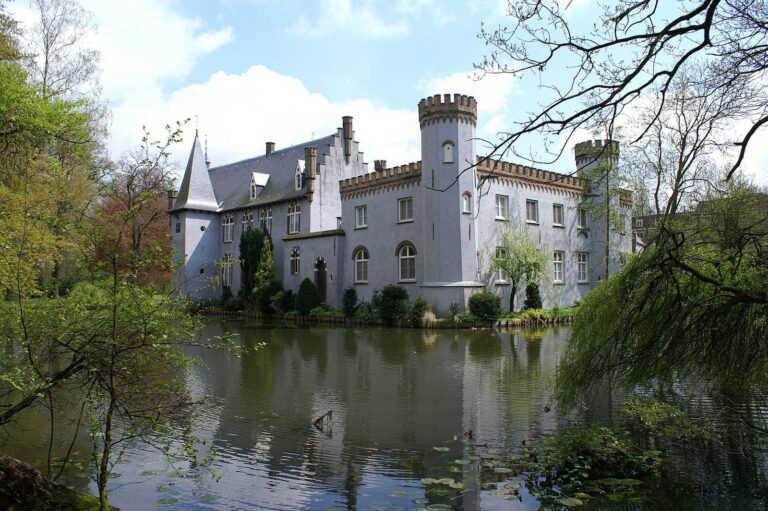
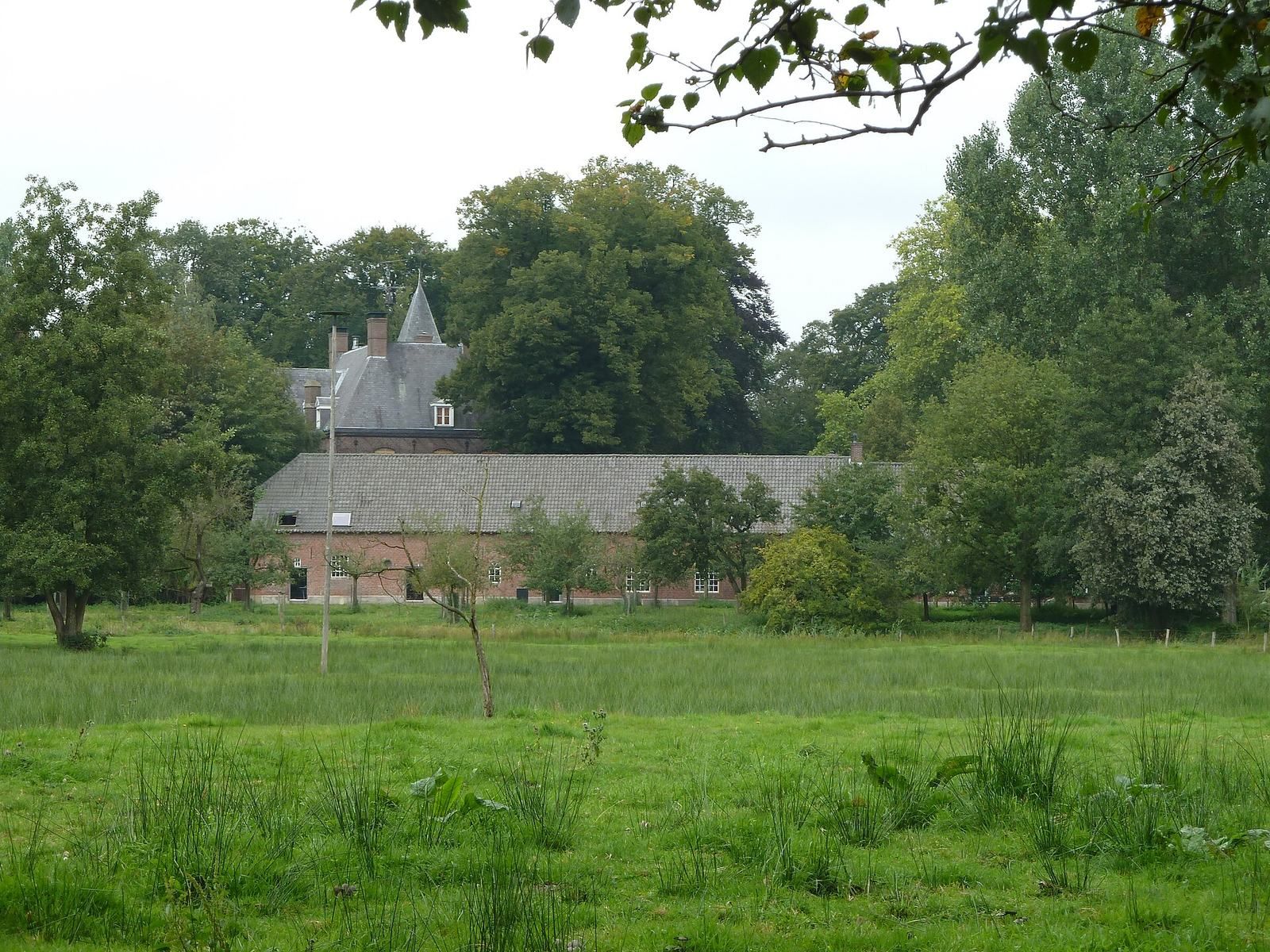
Nemerlaer Castle is a 14th-century castle in Haaren, the Netherlands. In 1303, it was the residence of Geerlinck van den Bossche, a knight, a member of the medieval military elite. The name combines the stream Amer, later called the Nemer, with laer, meaning a clearing in woodland.
Eighteenth-century changes
The castle was restored and partly altered in 1718. Baron Isaac Cronström, a nobleman, died there in 1751. He had served as a general of infantry in the Netherlands from 1744 to 1747.
Nineteenth-century ownership
Donat Théodore Alberic van den Bogaerde van Terbrugge became the castle’s owner in 1852. His will, prompted by discord with his family, required the house to remain unoccupied for nearly 70 years.
Preservation and rebuilding
Brabants Landschap bought the estate in January 1964, including the dilapidated castle for one guilder. The organization initially considered letting the building decay into a ruin for birds. At the initiative of the wife of its then-chairman, the Nemerlaer Castle Foundation, an organization established to rebuild and preserve the castle, was formed on 16 February 1967.
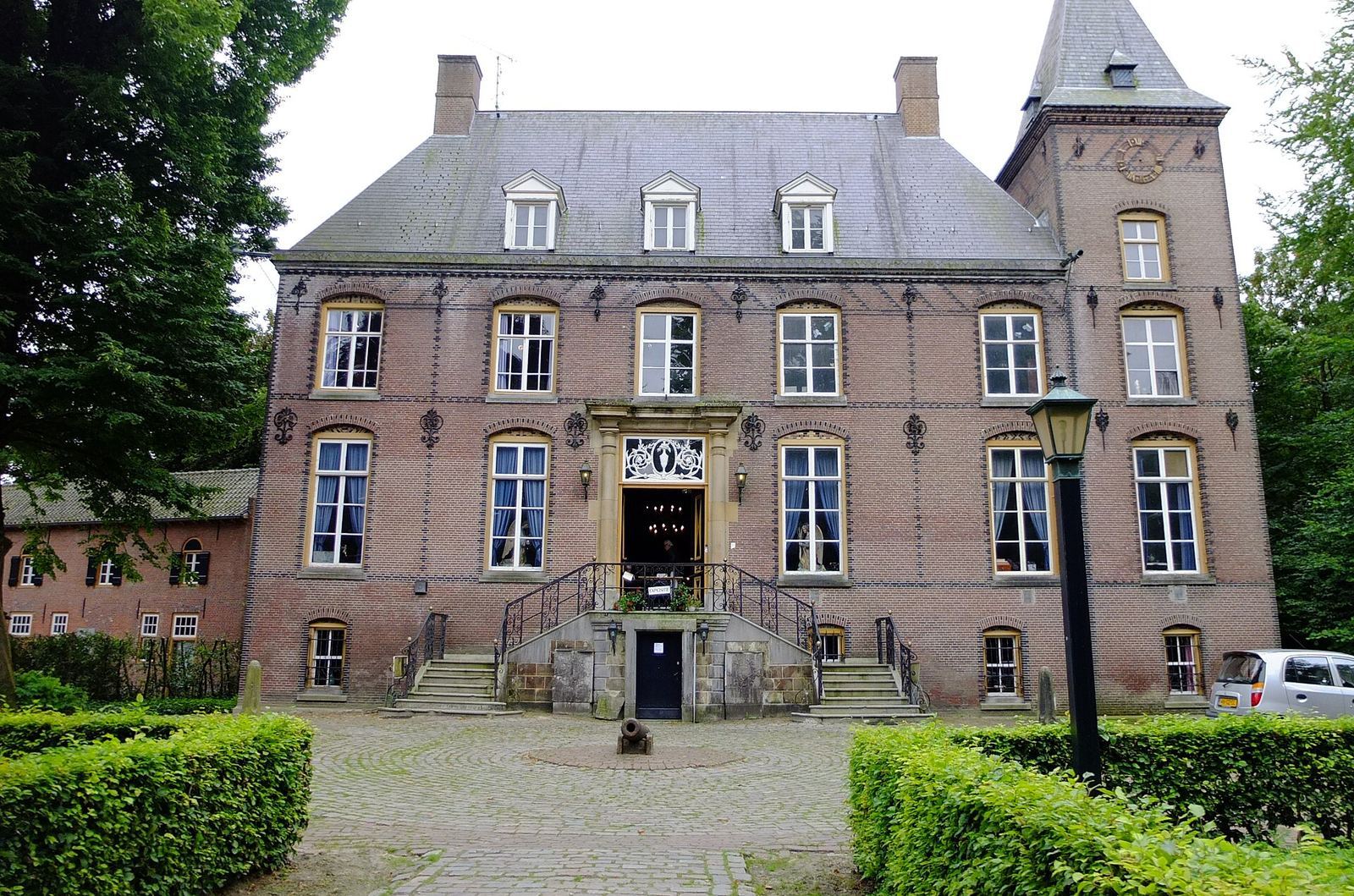
Co-founder Anton van Oirschot, a journalist, historian, and specialist in Brabant and castles, moved into the building with his family and renovated it using part of an inheritance. A fire on the attic floor in 1969 gutted most of the castle. Volunteers, van Oirschot and his wife, children’s author Carole Vos, who wrote under the name Truusje van Oirschot-Sparla, and donors contributed to its gradual restoration. The castle remains inhabited and holds Rijksmonument status, a designation for buildings recognized under the Netherlands’ national heritage-protection system.
Remains
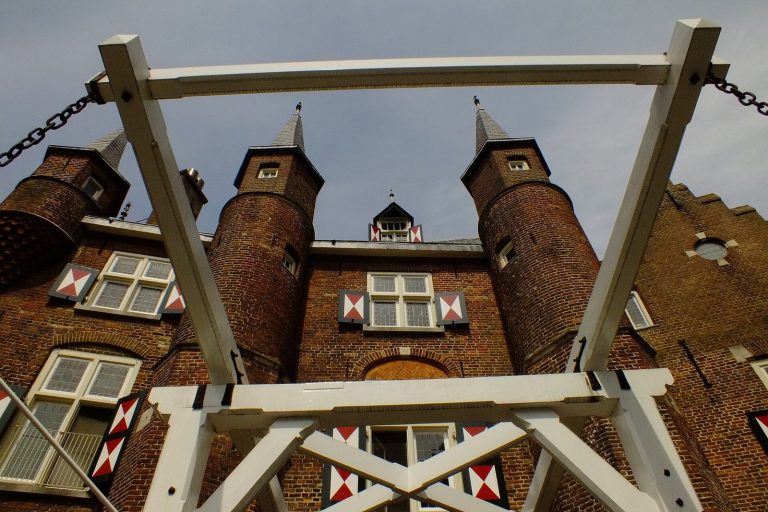
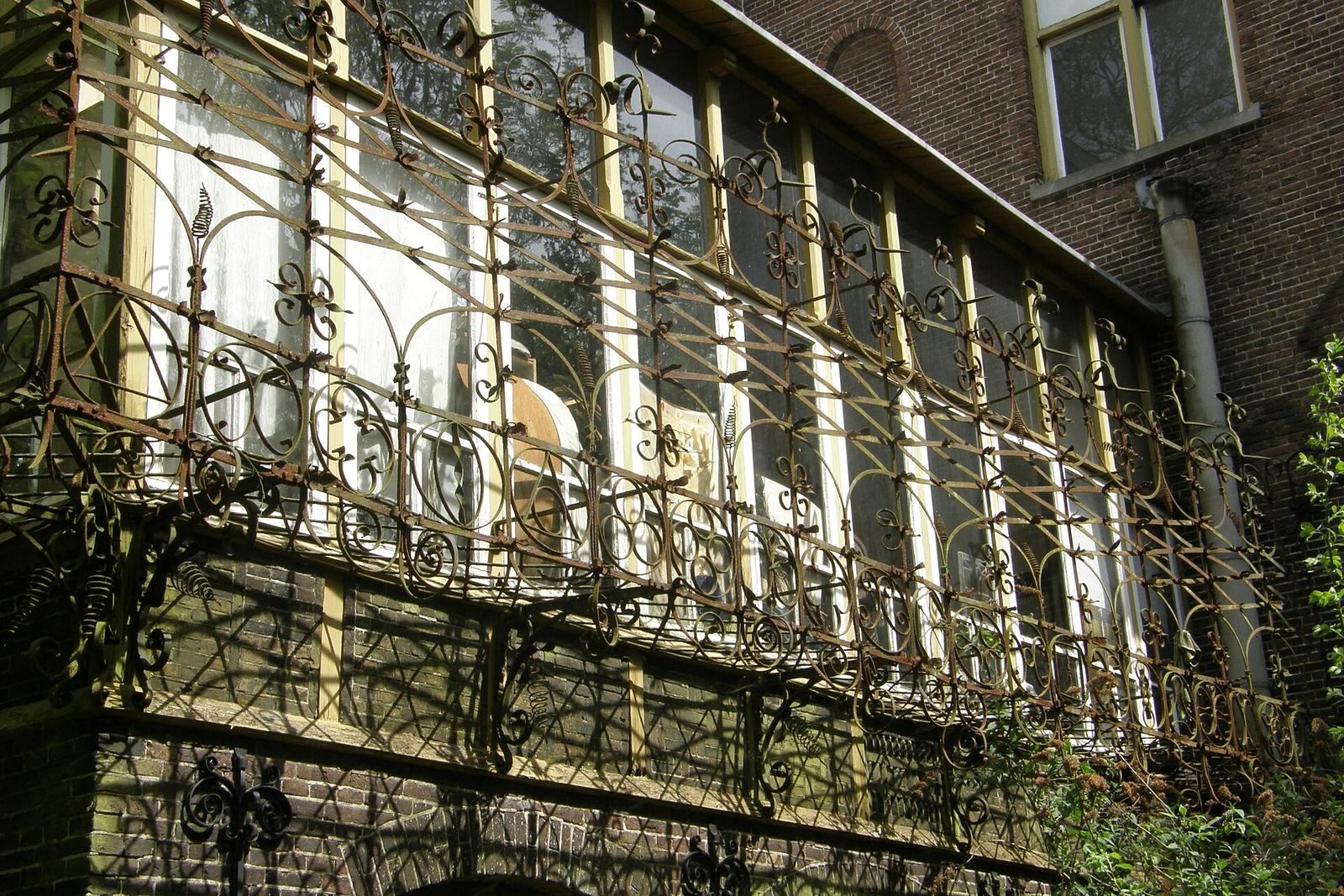
The brick castle was extended at the rear in 1880 with conservatories and a central pavilion, while the rest of the building received an outer facing. A café is located in the basement.